
Rhinoplasty: Exploring Nose Jobs for Medical Tourists
The journey towards facial harmony is a profoundly personal one. Our noses occupy a central position on our faces, significantly impacting our overall appearance and even influencing self-confidence. As with other facial features, the effects of time and genetics can lead to concerns about the nose’s size, shape, or functionality. Rhinoplasty, commonly known as a nose job, offers a surgical solution to address these concerns and achieve a more aesthetically pleasing and balanced facial profile.
Considering Your Options: Types of Rhinoplasty
While the overall goal of rhinoplasty is to refine the nose, the specific techniques employed can vary depending on individual needs. Here’s a closer look at some common types of rhinoplasty procedures:
- Septorhinoplasty: This procedure addresses both cosmetic and functional concerns. It combines rhinoplasty techniques with septoplasty, a method that corrects a deviated septum, a common cause of breathing difficulties.
- Revision Rhinoplasty refines or corrects the results of a previous rhinoplasty surgery. Due to potential scar tissue formation, it’s often more complex than a primary rhinoplasty.
- Primary Rhinoplasty: This is the first surgical alteration of the nose’s structure. It can address many aesthetic concerns, including size, shape, tip definition, bridge irregularities, and nostril width.
- Open Rhinoplasty: This technique involves an external incision across the columella, the small strip of tissue separating the nostrils. It provides greater access for more intricate nasal reshaping, particularly for complex cases.
- Closed Rhinoplasty: This technique involves incisions hidden entirely within the nostrils, offering a potentially shorter recovery time and less visible scarring. However, it may limit the surgeon’s ability to make broader structural changes.
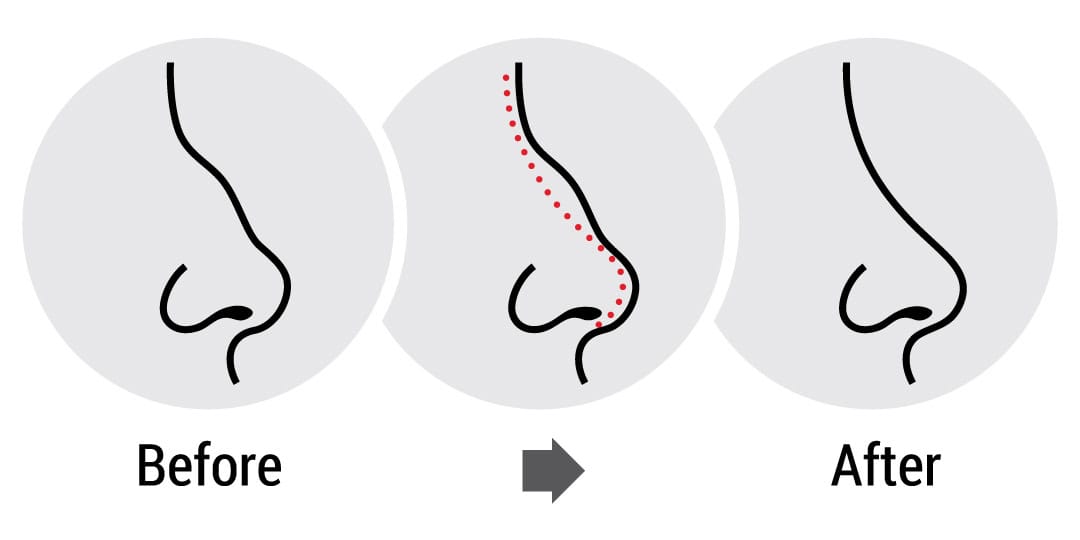
Septorhinoplasty
The desire to breathe freely and feel confident in one’s appearance transcends borders. As we navigate life’s journey, our noses can be impacted by both time and genetics. A deviated septum can lead to breathing difficulties, while concerns about size, shape, or overall harmony with facial features can affect self-esteem. Septorhinoplasty offers a surgical solution to address these concerns, combining functional improvements with aesthetic enhancements. This guide explores septorhinoplasty within the context of medical tourism, specifically addressing questions frequently asked by Americans considering the procedure abroad.
Please note: These are average costs and can vary depending on the surgeon’s experience, facility fees, and the specific procedure. It’s crucial to get quotes directly from clinics you’re considering. Remember, prioritizing surgeon qualifications and facility accreditations is paramount for a safe and successful septorhinoplasty experience.
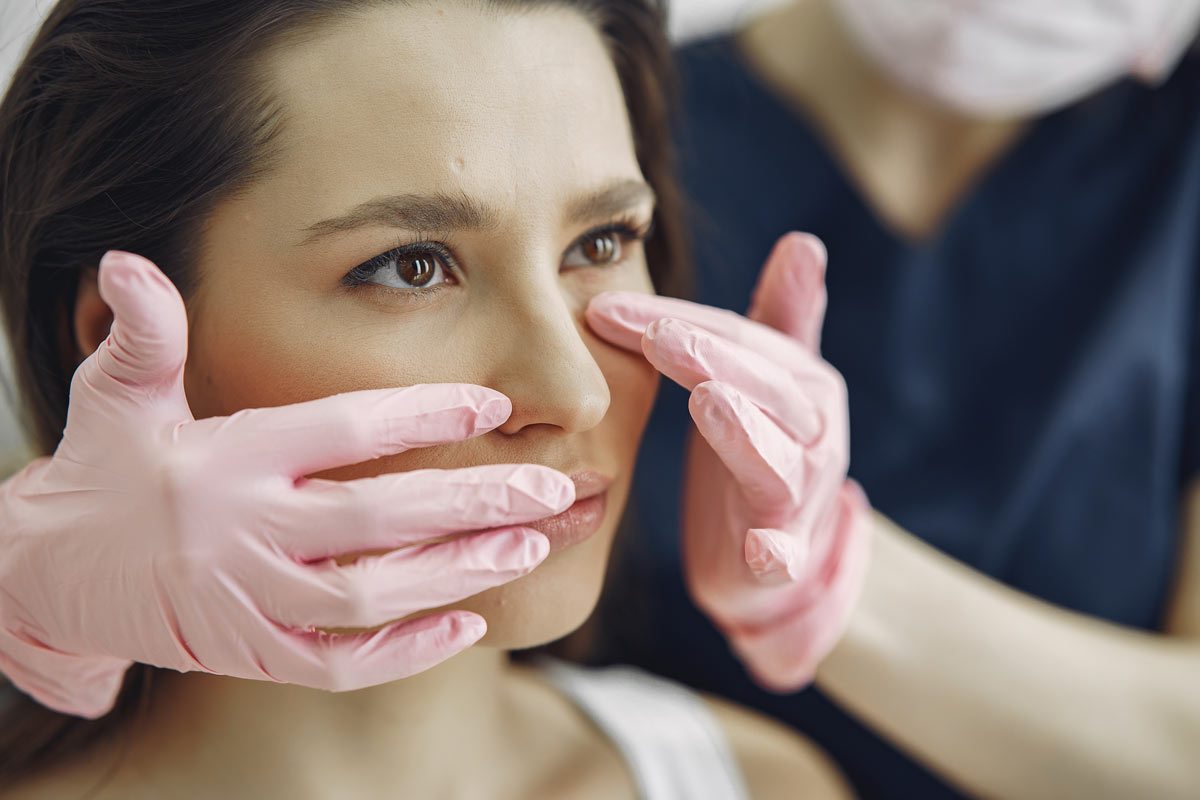
How Much Can I Save?
| Country | Estimated Cost per Bridge (USD) | Important Note |
|---|---|---|
| United States | $8,000 - $40,000+ | Prices vary depending on the surgeon's experience, location, and facility fees. |
| Mexico | $3,000 - $6,000 | Consider travel and potential communication barriers. Research facility accreditations and surgeon qualifications. |
| Costa Rica | $2,000 - $3,000 | Similar considerations as Mexico regarding travel and communication. Focus on JCI-accredited facilities and board-certified surgeons. |
| Colombia | $2,500 - $6,000 | It is a popular choice, but thorough research is crucial. Ensure JCI accreditation and surgeon qualifications specializing in septorhinoplasty. |
| Thailand | $2,500 - $8,000 | It is a budget-friendly option, but significant research is necessary due to varying quality standards. Choose JCI-accredited facilities and surgeons experienced in septorhinoplasty. |
| India | $5,000 - $10,000 | The most comprehensive range is due to varying quality standards. Extensive research of facilities, surgeon credentials specializing in septorhinoplasty, and accreditations are essential. |
| South Korea | $4,000 - $15,000+ | Renowned for advanced technology, but costs can be higher. Research surgeon experience and facility accreditations, specifically for septorhinoplasty procedures. |
| Poland | $2,000 - $5,000 | Offers a balance between affordability and quality care. Look for JCI accreditation and surgeon qualifications specializing in septorhinoplasty. |
| Czech Republic | $2,500 - $6,000 | Similar considerations as Poland regarding affordability and quality. Research JCI accreditation and surgeon qualifications with expertise in septorhinoplasty. |
| Spain | $7,000 - $15,000+ | Popular European destination with high-quality facilities. Research surgeon experience and facility accreditations, specifically for septorhinoplasty procedures. |
What Countries Specialize in Nose Jobs?
The desire for a refined and balanced nose transcends borders. As we navigate life’s journey, genetics and external factors can influence the shape and size of our noses, impacting both breathing and self-confidence. Rhinoplasty, commonly known as a nose job, offers a surgical solution to address these concerns. This guide explores popular medical tourism destinations renowned for their expertise in nose jobs, empowering you to make informed decisions for your needs.
Beyond Geography: A Spectrum of Expertise
While affordability plays a role, prioritizing surgeon qualifications and facility accreditations is paramount. Here’s a glimpse into some of the leading medical tourism destinations for nose jobs, each offering unique advantages:
Europe
Czech Republic and Poland: Eastern Europe offers a compelling combination of affordability and highly skilled surgeons experienced in various rhinoplasty techniques, including open and closed rhinoplasty. JCI-accredited facilities and board-certified surgeons are readily available.
Germany: Renowned for its meticulous approach to healthcare, Germany attracts patients seeking precision and expertise. German surgeons are at the forefront of advanced rhinoplasty techniques, often focusing on natural-looking results with minimal scarring.
Spain: A popular European destination, Spain boasts advanced technology and highly qualified surgeons specializing in rhinoplasty. JCI-accredited facilities and surgeons experienced in addressing both functional and aesthetic concerns are readily available.
Asia
South Korea: A global leader in medical aesthetics, South Korea attracts patients seeking cutting-edge techniques and meticulous attention to detail. Korean surgeons are known for their expertise in natural-looking rhinoplasty, often utilizing minimally invasive approaches for faster recovery times.
Thailand: Offering budget-friendly options, Thailand has seen a rise in medical tourism for rhinoplasty. Thorough research is crucial, prioritizing JCI-accredited facilities and surgeons with extensive experience in rhinoplasty procedures.
Middle East
Turkey: Beyond affordability (often 50-70% less than US prices), Turkey has become a hotspot for advanced cosmetic surgery. Turkish surgeons are known for their meticulous techniques and artistry in body sculpting procedures. Seek JCI-accredited facilities and choose board-certified plastic surgeons.
North America
Canada: A neighbor to the US, Canada offers a strong alternative for medical tourism. It has a high concentration of board-certified plastic surgeons experienced in rhinoplasty. Advanced techniques and high-quality standards are comparable to those of the US, but costs can be significantly lower.
Remember: Price shouldn’t be the sole deciding factor. Here are some crucial aspects to consider when choosing a surgeon and facility abroad for your rhinoplasty:
- JCI Accreditation: Ensure the facility is accredited by the Joint Commission International (JCI).
- Surgeon Qualifications: Choose a board-certified surgeon with a proven track record in rhinoplasty. Research their experience, qualifications, and patient reviews.
- Technique Specialization: Discuss your desired outcome and inquire about the surgeon’s experience with specific rhinoplasty techniques that align with your goals.
By understanding the unique strengths of various medical tourism destinations and prioritizing qualified surgeons, you can make an informed decision for a successful and transformative nose job experience.
What Is the Recovery Process Like?
Septorhinoplasty, combining septoplasty and rhinoplasty, offers a comprehensive solution for addressing the nose’s functional and aesthetic concerns. While the procedure empowers you to breathe easier and achieve a more desired nasal profile, understanding the recovery process is crucial for American medical tourists seeking a smooth and comfortable healing experience abroad.
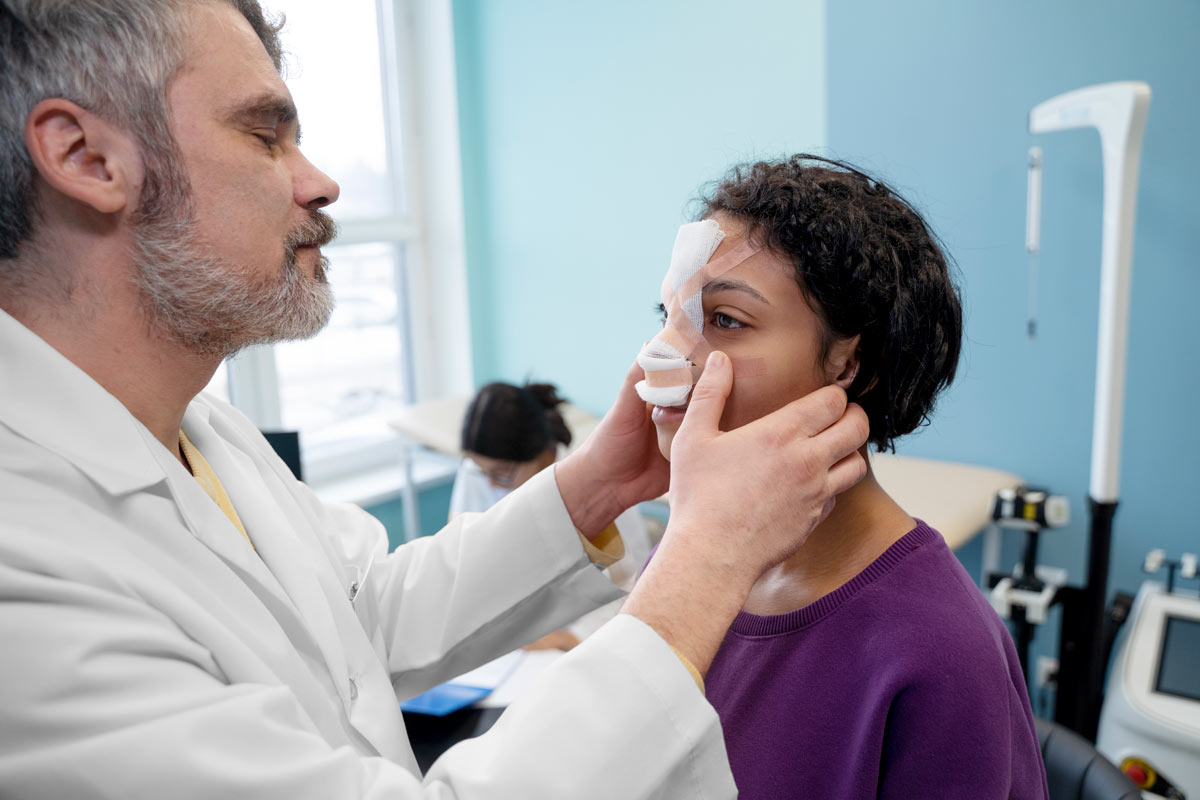
The Initial Days: Managing Discomfort and Drainage
For the first few days following septorhinoplasty, you can expect swelling, bruising, and discomfort around your nose and face. The extent of these will vary depending on the complexity of the procedure and the specific technique used by your surgeon. They will prescribe pain medication to manage any discomfort effectively. You may also experience some nasal congestion and drainage, which is completely normal. The surgical team will provide detailed instructions on managing this drainage and cleaning your nasal passages.
Rest, Elevation, and Support
Following your septorhinoplasty, prioritizing rest is essential for optimal healing. Avoid strenuous activity and lifting heavy objects for the prescribed period, typically 2-4 weeks. Your surgeon will provide specific instructions regarding activity restrictions to ensure proper healing.
Elevating your head while sleeping is crucial during the initial recovery phase. This helps minimize swelling and promote proper drainage.
Splints and Casts
Your surgeon may use splints or casts inside your nose and/or a splint on the outside of your nose to help maintain the new shape and structure. These will typically be removed within a week or two after surgery.
Incision Care and Bandages
The surgical team will provide detailed instructions on caring for your incision sites, which might be minimal depending on the technique used. These might include keeping them clean and dry, applying specific cleaning solutions, and changing bandages as instructed. The bandages will typically be removed within a few days, and the stitches will dissolve or be removed within a week or two.
Planning Your Return Home: Travel Considerations
While recovery timelines vary depending on the individual and the extent of the procedure, most patients can consider short flights (under 2 hours) within a few days after surgery (typically 2 to 3 days). For longer flights or extensive travel, waiting a week is generally recommended. It’s wise to book your return trip with at least a week’s buffer to allow for a comfortable recovery before traveling home.
Following Your Surgeon’s Guidance: Key to a Smooth Recovery
Meticulously following your surgeon’s post-operative instructions is paramount for a smooth recovery. These instructions might include:
- Pain Management: Taking prescribed medication as directed to manage discomfort.
- Incision Care: Keeping the incision sites clean and dry, following cleaning and dressing change instructions.
- Activity Restrictions: Avoiding strenuous activity and lifting heavy objects for a prescribed period to allow for proper healing.
- Diet: Maintaining a healthy diet that promotes healing and avoids foods that might irritate your nose or sinuses.
- Hydration: Drinking plenty of fluids to keep your body hydrated and support healing.
- Nasal Sprays: Using saline nasal sprays as instructed by your surgeon to keep your nasal passages moist and promote healing.
The Path to Improved Breathing and Aesthetics: Recovery Timeline
Recovery from septorhinoplasty is typically a 4-6 week process. During this time, swelling will gradually subside, and you’ll experience continued improvement in your breathing and nasal appearance over the following months. Most discomfort will resolve within the first few weeks, and you’ll gradually regain your normal range of motion.
Remember: Patience is key during recovery. While you might be eager to see the final results, it can take several months for the swelling to subside fully and for your nose to settle into its final refined form.
Beyond Recovery: Maintaining Your Results
The long-term results of your septorhinoplasty can be sustained with proper care. Avoiding strenuous activity that could injure your nose and maintaining a healthy lifestyle is essential. Consult your surgeon for personalized guidance on improving your breathing and aesthetic results.
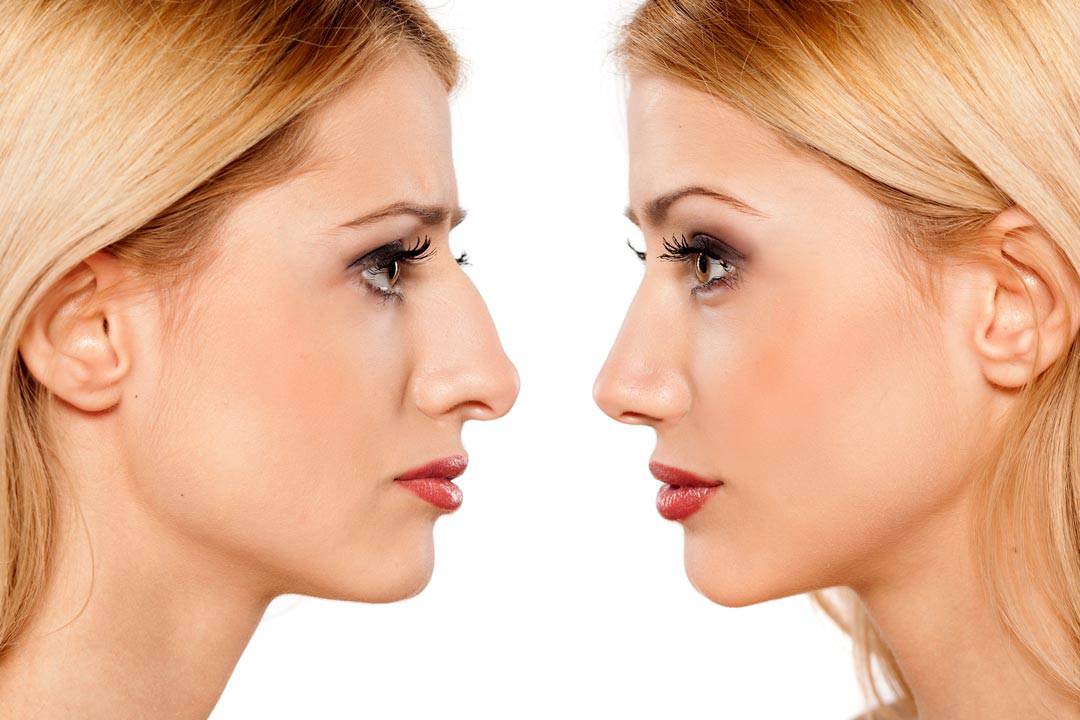
What Are Some Common and Uncommon Complications of Septorhinoplasty?
Septorhinoplasty, combining septoplasty and rhinoplasty, offers a comprehensive solution for addressing the nose’s functional and aesthetic concerns. While the prospect of improved breathing and a refined nasal profile is enticing, understanding potential complications empowers you, as an American medical tourist, to make informed decisions about your septorhinoplasty journey.
Common Complications
Bleeding and Infection: As with any surgery, bleeding and infection are possible after septorhinoplasty. Selecting a board-certified surgeon operating in a JCI-accredited facility and meticulously following post-operative instructions significantly reduces these risks.
Swelling and Bruising: Swelling and bruising around the nose and eyes are common after septorhinoplasty. The extent and duration vary depending on the individual and the complexity of the procedure. Swelling typically subsides gradually over several weeks. Pain medication your surgeon prescribes can help manage discomfort during this initial healing phase.
Pain and Discomfort: Some discomfort and pain are expected after surgery, and your surgeon will prescribe medication to manage them effectively. The discomfort usually eases within the first few days or weeks as healing progresses.
Nasal Congestion and Drainage: Temporary nasal congestion and drainage with some blood-tinged mucus are normal after septorhinoplasty. Your surgeon will provide instructions on managing these and keeping your nasal passages clean.
Temporary Numbness: Nerve irritation during surgery can cause temporary numbness or tingling in the nose and upper lip. This is usually temporary and resolves within a few weeks or months. However, if numbness persists, consult your surgeon for further evaluation.
Difficulty Breathing: Temporary difficulty breathing through the nose is common due to swelling. In rare instances, the underlying nasal structure could be altered, impacting breathing function. Choosing an experienced septorhinoplasty surgeon can help minimize this risk.
Uncommon Complications
Septal Perforation: A hole forming in the septum, the wall separating the nostrils, is a rare complication. This can lead to whistling sounds while breathing, nasal crusting, and difficulty breathing. Septal perforation may require additional surgery for repair.
Scarring: Scarring is inevitable with any surgery, and septorhinoplasty is no exception. However, skilled surgeons aim for inconspicuous incisions (often hidden inside the nose) and utilize techniques that minimize scar visibility. Following a proper scar care regimen recommended by your surgeon is crucial for optimal healing and reducing scar prominence.
Asymmetry: While the goal is to achieve a balanced and symmetrical appearance, slight asymmetry can occur. In some cases, minor adjustments may be necessary to address noticeable asymmetry.
Skin Discoloration: Changes in skin tone around the nose can occur due to uneven healing or sun exposure. Sun protection and proper scar care are crucial to minimize this risk.
Allergic Reaction to Anesthesia or Medication: Allergic reactions are rare but possible. Communicate any allergies you have to your doctor beforehand to minimize this risk.
Loss of Smell: Temporary changes in your sense of smell are possible due to swelling. In very rare cases, permanent loss of smell can occur.
Additional Considerations for Septorhinoplasty
Persistent Difficulty Breathing: While temporary difficulty breathing is common, persistent issues after healing could indicate underlying problems requiring further evaluation by your surgeon
Numbness Impeding Daily Activities: If persistent numbness in the nose or upper lip significantly affects your daily activities, consult your surgeon for further assessment.
Unsatisfactory Aesthetic Outcome: Open communication with your surgeon throughout the process is crucial. If the aesthetic outcome falls short of your expectations, discuss potential revision options with your surgeon once you’re fully healed.
Remember: Open communication with your board-certified plastic surgeon is vital throughout the process. Discuss your expectations, potential risks, and any concerns you might have. Choosing a qualified surgeon with extensive experience in septorhinoplasty procedures significantly reduces the risk of complications and helps ensure a successful outcome that improves both your breathing function and aesthetic appearance.
Am I a Good Candidate for a Septorhinoplasty?
Septorhinoplasty combines septoplasty (correcting a deviated septum) with rhinoplasty (refining the shape and size of the nose) for a comprehensive solution. This procedure addresses both functional breathing difficulties and aesthetic concerns. However, just like any surgery, it’s not a one-size-fits-all solution. Let’s explore the factors to consider if you’re contemplating septorhinoplasty:
- Age: Typically, facial growth is complete by the late teens or early twenties. This is the ideal time for septorhinoplasty to ensure the nasal structures are fully developed. In some cases, earlier intervention for breathing problems might be considered.
- Realistic Expectations: Septorhinoplasty can significantly improve your breathing function and nose aesthetics. However, it continues the aging process. Discuss realistic expectations with your surgeon. They will consider your unique facial features, breathing issues, and desired outcomes to create a personalized surgical plan. Understanding that achieving an unrealistic ideal might not be suitable for your face is crucial.
- Overall Health: You should be in good overall health and free from any significant medical conditions that could increase surgical risks or impede healing.
- Breathing Difficulties: A deviated septum can cause breathing problems, including congestion, difficulty breathing, and even sleep apnea. If you experience these issues, septorhinoplasty can address the underlying structural cause and improve your breathing function significantly.
- Nasal Function: Beyond breathing difficulties, consider any other functional concerns you might have, such as a recurrent nosebleed or a history of nasal fractures. Septorhinoplasty can address these issues while refining the aesthetics of your nose.
- Skin Quality: Good skin elasticity is essential for optimal results. While minor irregularities won’t necessarily disqualify you, healthy, resilient skin allows for better adaptation to the reshaped nasal framework.
- Motivations and Psychological Well-being: Carefully consider your reasons for wanting septorhinoplasty. If you’re seeking surgery to fulfill someone else’s expectations or address low self-esteem stemming from deeper issues, alternative approaches like therapy might be more beneficial. Septorhinoplasty is a personal choice, and a positive psychological state is crucial for a successful outcome.
- Non-Smoker: Smoking significantly impedes healing and increases the risk of complications after surgery. Quitting smoking well in advance (typically 6-8 weeks) is essential for candidacy.
- Commitment to Post-Operative Care: Recovering from septorhinoplasty requires following your surgeon’s instructions meticulously. This includes proper wound care, medication adherence, and activity restrictions. Being committed to post-operative care is essential for optimal healing and achieving both your functional and aesthetic goals.
Consultation with a Board-Certified Plastic Surgeon
A comprehensive consultation with a board-certified plastic surgeon experienced in septorhinoplasty is vital. During this consultation, discuss your breathing difficulties, aesthetic concerns, medical history, and any questions you might have. The surgeon will evaluate your nasal structure, skin quality, and overall health to determine if you’re a good candidate for septorhinoplasty. They will also explain the procedure in detail, potential risks, and complications, and answer any questions you have.
By understanding these factors and consulting a qualified plastic surgeon, you can make an informed decision about whether septorhinoplasty is the right choice to address your breathing difficulties, refine the aesthetics of your nose, and achieve a renewed sense of confidence.
What is Septorhinoplasty?
Septorhinoplasty, often referred to as a “septoplasty with rhinoplasty,” offers a comprehensive solution for addressing both functional and aesthetic concerns of the nose. It combines two distinct procedures performed simultaneously by a board-certified plastic surgeon. Let’s delve deeper into what septorhinoplasty entails:
- Septoplasty: This procedure focuses on correcting a deviated septum, the wall of cartilage and bone separating your nostrils. A deviated septum can cause various breathing difficulties, including congestion, recurrent sinus infections, and even sleep apnea. During septoplasty, the surgeon carefully straightens the septum, improving airflow and overall breathing function.
- Rhinoplasty: Rhinoplasty focuses on refining the shape and size of the nose to achieve a more aesthetically pleasing appearance. Surgeons can address concerns like a bump on the bridge, a wide or bulbous tip, nostril asymmetry, or an overly long nose. Techniques involve strategically reshaping the underlying cartilage and bone structure to achieve the desired aesthetic outcome.
Combined Benefits:
While septoplasty and rhinoplasty can be performed independently, septorhinoplasty offers a single solution for individuals with both breathing difficulties and aesthetic concerns. This approach streamlines the surgical process, requiring only one recovery period.
Rhinoplasty (Nose Job)
The desire to breathe freely and feel confident in one’s appearance transcends borders. Our noses, shaped by genetics and time’s passage, can impact both our ability to breathe and our self-esteem. A deviated septum can lead to chronic congestion, while concerns about size, shape, or overall facial harmony can cause self-consciousness. Septorhinoplasty offers a surgical solution to address these issues, combining functional improvements with aesthetic enhancements. This guide explores septorhinoplasty within the context of medical tourism, specifically addressing questions frequently asked by Americans considering the procedure abroad.
How Much Can I Save?
Open vs. Closed Rhinoplasty: A Cost Perspective
While both open and closed rhinoplasty techniques aim to refine the shape and size of the nose, the surgical approach and complexity influence the cost. Here’s a breakdown of estimated price ranges in the US compared to popular medical tourism destinations:
| Country | Open Rhinoplasty Estimated Range | Closed Rhinoplasty Estimated Range | Important Note |
|---|---|---|---|
| United States | $10,000 - $45,000+ | $5,000 - $25,000 | Prices vary depending on the surgeon's experience, location, facility fees, and procedure complexity. |
| Mexico | $5,000 - $20,000 | $3,000 - $15,000 | Consider JCI accreditation, surgeon qualifications, travel, and communication barriers. |
| Costa Rica | $6,000 - $25,000 | $4,000 - $18,000 | Similar considerations as Mexico regarding travel and communication. Focus on JCI accreditation and surgeons experienced in rhinoplasty. The quote may not include post-operative medications or follow-up consultations. |
| Colombia | $7,000 - $30,000 | $5,000 - $20,000 | It is a popular choice, but thorough research is crucial. Ensure JCI accreditation and surgeon qualifications for rhinoplasty. Consider additional costs for anesthesia or facility upgrades. |
| Thailand | $4,000 - $18,000 | $3,000 - $12,000 | It is a budget-friendly option, but significant research is necessary due to varying quality standards. Choose JCI-accredited facilities and board-certified surgeons with rhinoplasty experience. Ensure the quote includes all fees (surgeon, facility, anesthesia). |
| India | $4,000 - $15,000 | $2,500 - $10,000 | The most comprehensive range is due to varying quality standards. Extensive research of facilities, surgeon credentials, and accreditations is essential, especially for rhinoplasty. Factor in potential hidden costs and ensure transparency in pricing. |
| South Korea | $5,000 - $22,000 | $3,500 - $15,000 | Renowned for advanced technology, but costs can be higher. Research surgeon experience and facility accreditations for rhinoplasty. Consider language barriers and accommodation costs. |
| Poland | $5,000 - $20,000 | $3,000 - $12,000 | Offers a balance between affordability and quality care. Look for JCI accreditation and surgeon qualifications in rhinoplasty. Get quotes specifying anesthesia type and hospital stay duration. |
| Czech Republic | $6,000 - $25,000 | $4,000 - $15,000 | Similar considerations as Poland regarding affordability and quality. Research JCI accreditation and surgeon qualifications for rhinoplasty. Inquire about post-operative care packages. |
| Spain | $7,000 - $30,000 | $5,000 - $20,000 | Popular European destination with high-quality facilities. Research surgeon experience and facility accreditations for rhinoplasty. Factor in potential travel insurance costs. |
Please note: These are estimated ranges and can vary depending on the surgeon’s experience, facility fees, and the specific procedure details. It’s crucial to get quotes directly from clinics you’re considering.
What Countries Specialize in Nose Jobs?
The desire for a refined and balanced nose transcends borders. As we navigate life’s journey, genetics and external factors can influence the shape and size of our noses, impacting both breathing and self-confidence. Rhinoplasty, commonly known as a nose job, offers a surgical solution to address these concerns. This guide explores popular medical tourism destinations renowned for their expertise in nose jobs, empowering you to make informed decisions for your needs.
Beyond Geography: A Spectrum of Expertise
While affordability plays a role, prioritizing surgeon qualifications and facility accreditations is paramount. Here’s a glimpse into some of the leading medical tourism destinations for nose jobs, each offering unique advantages:
Europe
Czech Republic and Poland: Eastern Europe offers a compelling combination of affordability and highly skilled surgeons experienced in various rhinoplasty techniques, including open and closed rhinoplasty. JCI-accredited facilities and board-certified surgeons are readily available.
Germany: Renowned for its meticulous approach to healthcare, Germany attracts patients seeking precision and expertise. German surgeons are at the forefront of advanced rhinoplasty techniques, often focusing on natural-looking results with minimal scarring.
Spain: A popular European destination, Spain boasts advanced technology and highly qualified surgeons specializing in rhinoplasty. JCI-accredited facilities and surgeons experienced in addressing both functional and aesthetic concerns are readily available.
Asia
South Korea: A global leader in medical aesthetics, South Korea attracts patients seeking cutting-edge techniques and meticulous attention to detail. Korean surgeons are known for their expertise in natural-looking rhinoplasty, often utilizing minimally invasive approaches for faster recovery times.
Thailand: Offering budget-friendly options, Thailand has seen a rise in medical tourism for rhinoplasty. Thorough research is crucial, prioritizing JCI-accredited facilities and surgeons with extensive experience in rhinoplasty procedures.
Middle East
Turkey: Beyond affordability (often 50-70% less than US prices), Turkey has become a hotspot for advanced cosmetic surgery. Turkish surgeons are known for their meticulous techniques and artistry in body sculpting procedures. Seek JCI-accredited facilities and choose board-certified plastic surgeons.
North America
Canada: A neighbor to the US, Canada offers a strong alternative for medical tourism. It has a high concentration of board-certified plastic surgeons experienced in rhinoplasty. Advanced techniques and high-quality standards are comparable to the US, but costs can be significantly lower.
While cost is a factor, prioritize safety and quality. Here are some key tips:
- JCI Accreditation: Ensure the facility is accredited by the Joint Commission International (JCI).
- Surgeon Qualifications: Choose a board-certified surgeon with a proven track record in rhinoplasty. Research their experience, qualifications, and patient reviews.
- Technique Specialization: Discuss your desired outcome and inquire about the surgeon’s experience with specific rhinoplasty techniques that align with your goals.
By understanding the unique strengths of various medical tourism destinations and prioritizing qualified surgeons, you can make an informed decision for a successful and transformative nose job experience.
What Is the Recovery Process Like?
Undergoing a rhinoplasty, commonly known as a nose job, abroad can be an exciting opportunity to achieve your desired nasal aesthetics. Whether seeking to address breathing difficulties or refine the shape and size of your nose, understanding the recovery process is crucial, especially for American medical tourists. This guide explores the recovery journey for open and closed rhinoplasty procedures, empowering you to make informed decisions for a smooth and comfortable healing experience.
The Initial Days: Managing Discomfort and Drainage
For the first few days following rhinoplasty, expect some swelling, bruising, and discomfort around your nose and face. The extent of these will vary depending on the complexity of the procedure and the specific technique used by your surgeon.
- Open Rhinoplasty: Due to the external incision, swelling and bruising might be more noticeable than closed rhinoplasty.
- Closed Rhinoplasty: Generally experiences less swelling and bruising as there’s no external incision.
Your surgeon will prescribe pain medication to manage any discomfort effectively. You may also experience some nasal congestion and drainage, which is entirely normal. The surgical team will provide detailed instructions on managing this drainage and cleaning your nasal passages.
Rest, Elevation, and Support
Following your rhinoplasty, prioritizing rest is essential for optimal healing. Avoid strenuous activity and lifting heavy objects for the prescribed period, typically 2-4 weeks. Your surgeon will provide specific instructions regarding activity restrictions.
Elevating your head while sleeping is crucial during the initial recovery phase. This helps minimize swelling and promote proper drainage.
Splints and Casts
Your surgeon may use splints or casts to support the new shape and structure of your nose:
- Open Rhinoplasty: Often utilizes splints placed inside the nose and potentially a cast on the outside to stabilize the nasal structure. These are typically removed within 7-10 days.
- Closed Rhinoplasty: May use splints placed only inside the nose for support, which are typically removed within a week.
Planning Your Return Home: Travel Considerations
While recovery timelines vary depending on the individual and the extent of the procedure, most patients can consider short flights (under 2 hours) within a few days after surgery (typically 2-3 days). For longer flights or extensive travel, waiting a week is generally recommended. It’s wise to book your return trip with at least a week’s buffer to allow for a comfortable recovery before traveling.
Incision Care and Bandages
The surgical team will provide detailed instructions on caring for your incision sites, which might be minimal depending on the technique used:
- Open Rhinoplasty: Requires care for the external incision along the columella (the tissue separating the nostrils) in addition to any internal incisions.
- Closed Rhinoplasty: This might involve minimal internal incisions that typically heal well without external sutures.
These include keeping them clean and dry, applying specific cleaning solutions, and changing bandages as instructed. The bandages will typically be removed within a few days, and the stitches will dissolve or be removed within a week or two.
Planning Your Return Home: Travel Considerations
While recovery timelines vary, most patients can consider short flights (under 2 hours) within a few days after surgery (typically 2-3 days). For longer flights or extensive travel, waiting a week is generally recommended. It’s wise to book your return trip with at least a week’s buffer for a comfortable recovery before traveling home.

Following Your Surgeon’s Guidance: Key to a Smooth Recovery
Meticulously following your surgeon’s post-operative instructions is paramount for a smooth recovery. These instructions might include:
- Pain Management: Taking prescribed medication as directed to manage discomfort.
- Incision Care: Keeping the incision sites clean and dry, following cleaning and dressing change instructions.
- Activity Restrictions: Avoiding strenuous activity and lifting heavy objects for a prescribed period to allow for proper healing.
- Diet: Maintaining a healthy diet that promotes healing and avoids foods that might irritate your nose or sinuses.
- Hydration: Drinking plenty of fluids to keep your body hydrated and support healing.
- Nasal Sprays: Using saline nasal sprays as instructed by your surgeon to keep your nasal passages moist and promote healing.
The Path to Improved Breathing (if applicable) and Aesthetics: Recovery Timeline
Recovery from rhinoplasty is typically a 4-6 week process. During this time, swelling will gradually subside, and you’ll experience continued improvement in your breathing function (if applicable) and nasal appearance over the following months. Most discomfort will resolve within the first few weeks, and you’ll gradually regain your normal range of motion.
Remember: Patience is key during recovery. While you might be eager to see the final results, it can take several months for the swelling to subside fully and for your nose to settle into its final refined form.
Beyond Recovery: Maintaining Your Results
The long-term results of your rhinoplasty can be sustained with proper care. Avoiding strenuous activity that could injure your nose and maintaining a healthy lifestyle is essential. Consult your surgeon for personalized guidance on optimizing your breathing function (if applicable) and maintaining your aesthetic results.
What are Some Common and Uncommon Complications of Nose Jobs?
Rhinoplasty, commonly known as a nose job, offers a surgical solution to refine the shape and size of the nose. While the prospect of achieving a more balanced and aesthetically pleasing profile is exciting, understanding potential complications empowers you, as an American medical tourist, to make informed decisions about your rhinoplasty journey.
Common Complications
Bleeding and Infection: As with any surgery, bleeding and infection are possible after rhinoplasty. Selecting a board-certified surgeon operating in a JCI-accredited facility and meticulously following post-operative instructions significantly reduces these risks.
Swelling and Bruising: Swelling and bruising around the nose and eyes are common after rhinoplasty. The extent and duration vary depending on the individual and the complexity of the procedure. Swelling typically subsides gradually over several weeks. Pain medication prescribed by your surgeon can help manage discomfort during this initial healing phase.
Pain and Discomfort: Some discomfort and pain are expected after surgery, and your surgeon will prescribe medication to manage them effectively. The discomfort usually eases within the first few days or weeks as healing progresses.
Nasal Congestion and Drainage: Temporary nasal congestion and drainage with some blood-tinged mucus are normal after rhinoplasty. Your surgeon will provide instructions on managing these and keeping your nasal passages clean.
Temporary Numbness: Nerve irritation during surgery can cause temporary numbness or tingling in the nose and upper lip. This is usually temporary and resolves within a few weeks or months. However, if numbness persists, consult your surgeon for further evaluation.
Difficulty Breathing: Temporary difficulty breathing through the nose is common due to swelling. The underlying nasal structure could be altered in rare instances, impacting breathing function. Choosing an experienced rhinoplasty surgeon can help minimize this risk.
Uncommon Complications
Septal Perforation: A hole forming in the septum, the wall separating the nostrils, is a rare complication. This can lead to whistling sounds while breathing, nasal crusting, and difficulty breathing. Septal perforation may require additional surgery for repair.
Scarring: Scarring is inevitable with any surgery, and rhinoplasty is no exception. However, skilled surgeons aim for inconspicuous incisions (often hidden inside the nose) and utilize techniques that minimize scar visibility. Following a proper scar care regimen recommended by your surgeon is crucial for optimal healing and reducing scar prominence.
Asymmetry: While the goal is to achieve a balanced and symmetrical appearance, slight asymmetry can occur. In some cases, minor adjustments may be necessary to address noticeable asymmetry.
Skin Discoloration: Changes in skin tone around the nose can occur due to uneven healing or sun exposure. Sun protection and proper scar care are crucial to minimize this risk.
Allergic Reaction to Anesthesia or Medication: Allergic reactions are rare but possible. Communicate any allergies you have to your doctor beforehand to minimize this risk.
Loss of Smell: Temporary changes in your sense of smell are possible due to swelling. In very rare cases, permanent loss of smell can occur.
Remember: Open communication with your board-certified plastic surgeon is vital throughout the process. Discuss your expectations, potential risks, and any concerns you might have. Choosing a qualified surgeon with extensive experience in rhinoplasty procedures significantly reduces the risk of complications and helps ensure a successful outcome.
Am I a Good Candidate for a Nose Job (Rhinoplasty)?
Rhinoplasty, commonly known as a nose job, offers a transformative solution to refine the shape and size of the nose. However, it’s not a one-size-fits-all procedure. To determine if you’re a good candidate, consider the following factors:
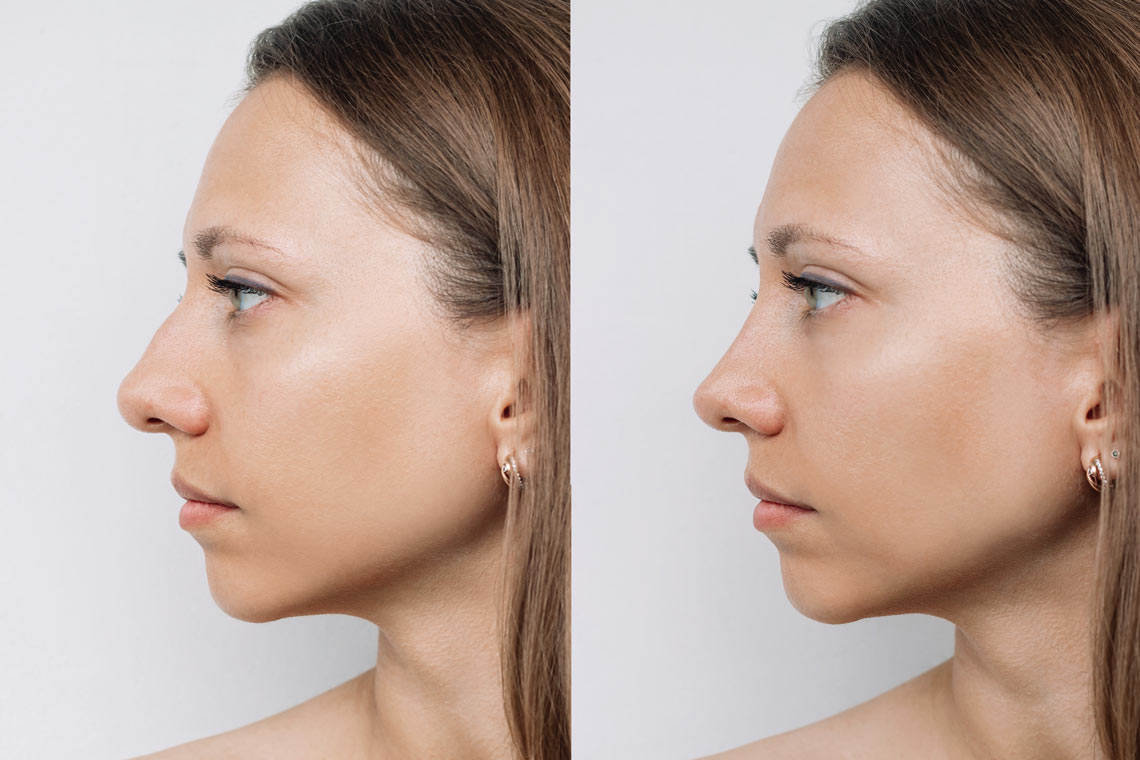
- Age: While age isn’t a strict criterion, most suitable candidates for rhinoplasty have completed facial growth. This typically occurs by the late teens or early twenties. Earlier intervention might be considered in certain cases to address breathing difficulties.
- Realistic Expectations: Rhinoplasty can significantly improve the aesthetics and function of your nose, but it doesn’t stop the aging process. Discuss realistic expectations with your surgeon. They will consider your unique facial features and desired outcomes to create a personalized plan. Understanding that achieving a celebrity’s exact nose might not be realistic or aesthetically pleasing on your face is crucial.
- Overall Health: You should be in good overall health and free from any significant medical conditions that could increase surgical risks or impede healing.
- Nasal Function: If you experience difficulty breathing due to structural issues within your nose, rhinoplasty can address these concerns while refining the aesthetics.
- Skin Quality: Good skin elasticity is essential for optimal results. While minor irregularities won’t necessarily disqualify you, healthy, resilient skin allows for better adaptation to the reshaped nasal framework.
- Motivations and Psychological Well-being: Carefully consider your reasons for wanting a nose job. If you’re seeking surgery to fulfill someone else’s expectations or address low self-esteem stemming from more profound issues, alternative approaches like therapy might be more beneficial. Rhinoplasty is a personal choice, and a positive psychological state is crucial for a successful outcome.
- Non-Smoker: Smoking significantly impedes healing and increases the risk of complications after surgery. Quitting smoking well in advance (typically 6-8 weeks) is essential for candidacy.
- Commitment to Post-Operative Care: Recovering from rhinoplasty requires following your surgeon’s instructions meticulously. This includes proper wound care, medication adherence, and activity restrictions. Being committed to post-operative care is essential for optimal healing and achieving your desired results.
Consultation with a Board-Certified Plastic Surgeon
A comprehensive consultation with a board-certified plastic surgeon experienced in rhinoplasty is vital. During this consultation, discuss your goals, medical history, and any concerns. The surgeon will evaluate your nasal structure, skin quality, and overall health to determine if you’re a good candidate for rhinoplasty. They will also explain the procedure, potential risks, and complications and answer any questions.
By understanding these factors and consulting a qualified plastic surgeon, you can decide whether rhinoplasty is the right choice to achieve your aesthetic and functional goals.

What is a Rhinoplasty (Nose Job)?
Rhinoplasty, commonly known as a nose job, is a surgical procedure to reshape the nose for aesthetic or functional improvements. It can address many concerns, from bumps and bridges to asymmetry and breathing difficulties. This guide delves into the different types of rhinoplasty procedures: open, closed, and revision rhinoplasty, empowering you to make informed decisions about your rhinoplasty journey.
Understanding the Basics of Rhinoplasty
The nose is a central facial feature significantly impacting appearance and breathing function. Rhinoplasty can refine the size, shape, tip, nostrils, or bridge of the nose, creating a more harmonious facial balance. It can also address functional issues like a deviated septum (misaligned nasal wall) that can hinder breathing.
Open vs. Closed Rhinoplasty: Choosing the Right Approach
The two primary surgical approaches for rhinoplasty are open and closed techniques. The choice depends on the complexity of the desired changes and the surgeon’s expertise.
- Open Rhinoplasty: This technique involves an external incision across the columella (the tissue separating the nostrils) for better visualization of the nasal structures. It allows for more precise manipulation and is often used for complex cases requiring significant structural modifications, tip refinement, or extensive cartilage work.
- Closed Rhinoplasty: This technique utilizes incisions hidden entirely within the nose. It offers a shorter recovery time and less visible scarring but might limit visibility for some intricate procedures. It’s generally preferred for simpler adjustments like bridge reduction or minor tip refinements.

Revision Rhinoplasty: Refining Previous Results
Sometimes, patients may seek revision rhinoplasty to address concerns about the outcome of a previous rhinoplasty procedure. This can be due to functional issues like breathing problems or aesthetic concerns like asymmetry or a displeasing nasal shape. Revision rhinoplasty requires a high level of surgical expertise, as scar tissue from the previous surgery can make the procedure more complex.
Choosing the Right Rhinoplasty Procedure for You
A consultation with a board-certified plastic surgeon is crucial for determining the best rhinoplasty approach for your needs. Here are some key factors to consider:
- Your desired outcome: Discuss your aesthetic goals and any functional concerns you want to address with your surgeon.
- Your nasal anatomy: The surgeon will evaluate your nose’s structure, skin type, and existing features to determine the feasibility of your desired outcome and recommend the most suitable technique.
- Your medical history: Inform your surgeon of past surgeries or medical conditions that could impact the procedure.
Remember: Rhinoplasty is a personal decision. Choose a surgeon who listens to your concerns, has extensive experience with your desired procedure (open, closed, or revision), and can demonstrate a portfolio of successful results that align with your aesthetic goals.