Medical Tourism in China: The Healing Power of the Red Dragon
China, once difficult to gain entry to for many seeking medical care abroad, is undergoing a remarkable transformation. This ancient civilization is rapidly emerging as a leader in medical tourism, offering a compelling proposition for Americans seeking quality healthcare at a fraction of the cost. Here’s why China should be your top consideration for a medical tourism journey that blends cutting-edge medicine with an unforgettable cultural immersion.
China boasts a healthcare system on the fast track to becoming a global powerhouse. Top hospitals in China are no longer simply modern facilities; they are often affiliated with prestigious universities and research institutions, pushing the boundaries of medical science. This translates into access to the latest advancements in treatment options, from minimally invasive robotic surgery to personalized cancer therapies utilizing advanced genetic testing.
Unlike some medical tourism destinations with a more general approach, China’s healthcare system is increasingly focused on specialization. This allows hospitals and clinics to concentrate their resources and expertise in specific areas like oncology, cardiology, and orthopedics. American patients seeking complex procedures benefit from this focus. They can receive treatment from highly skilled specialists who perform a high volume of specific surgeries or procedures, leading to improved outcomes and faster recovery times.
China’s unique healthcare landscape offers a fascinating blend of Eastern and Western practices. While top-tier hospitals excel in advanced medical technology, many integrate traditional Chinese medicine (TCM) into their treatment plans. TCM offers a holistic approach to well-being, utilizing herbal remedies, acupuncture, and other holistic techniques to complement Western medical treatments. This integrative approach can be particularly beneficial for chronic pain management, post-operative recovery, and overall well-being.
Questions Americans Might Ask About Medical Tourism in China
If this is your first time considering medical tourism in China, you certainly have questions. This article will provide you with a comprehensive overview of medical opportunities in China with links to more in-depth resources on specific topics or questions.
How much can I save on a medical procedure compared to the US?
Is China's healthcare system safe and reliable?
What are the most popular medical tourism procedures in China?
Does China offer traditional Chinese medicine (TCM) alongside Western treatments?
Absolutely! China embraces both Western medicine and TCM. TCM incorporates herbal remedies, acupuncture, and other practices to promote overall wellness alongside modern medical treatments.
For a guide to traditional Chinese medicine, see Exploring Traditional Chinese Healing (TCHM) for American Medical Tourists
Is traveling to China for medical tourism safe?
Will I be able to communicate with the doctors in English?
English proficiency is increasing in major medical facilities, but learning basic Mandarin phrases is respectful and helpful. Many hospitals also offer translation services. In larger hubs like Shanghai and Beijing, international hospitals have several English-speaking doctors and nurses on staff.
Is my US health insurance valid in China?
No, US health insurance typically doesn’t cover medical procedures abroad. Consider additional medical travel insurance for emergencies or unexpected situations. Often, if the provider takes US insurance, they will list it on their website.
For more information on finding the medical insurance plan that right for you, see
Finding The Right Insurance for Your Medical Tourism Adventure
What about follow-up care after a procedure?
Your chosen facility should provide aftercare instructions and potential options within China. Discuss how you’ll handle follow-up appointments and potential rehabilitation with your doctors both in China and (if applicable) at home.
What if complications occur after I return home?
It’s important to understand the medical tourism facility’s policies and your options regarding malpractice insurance and post-procedure care. Before committing to a procedure, find out about potential avenues for addressing complications that might arise after returning home.
What is the Visa process for American Medical Tourists visiting China?
According to the U.S. Embassy & Consulates in China website, as of January 2024, visa applications for tourist visas (L visa type) have been simplified for US citizens. This means you no longer need to submit proof of a roundtrip flight, hotel reservation, itinerary, or invitation letter to apply.
While the process is simplified, there are still documents required to apply for a Chinese tourist visa:
- A valid US passport with at least 6 months validity remaining from your date of entry to China
- A completed visa application form
- A passport-sized photo
- Proof of legal residency in the United States (driver’s license, utility bill, etc.)
- Previous Chinese visas or passports (if applicable)
- Certificate of Covid-19 vaccination (check for any specific requirements)
U.S. Embassy & Consulates in China: http://us.china-embassy.gov.cn/eng/zytz/202206/t20220614_10702581.htm
How do I find a reputable medical tourism provider in China?
Here are some essential tips:
- Look for accreditations: Check if the facility is accredited by JCI or similar organizations.
- Research doctors: Verify their qualifications, experience, board certifications, and patient reviews.
- Testimonials and reviews: Seek out credible testimonials from past patients.
For more information on finding a reputable medical tourism provider, see Medical Tourism: 10 Tips to Finding a Trusted Provider
What are some things to consider culturally when visiting Brazil?
Seeking Quality Care at a Fraction of the Cost: Medical Tourism in China
The ever-rising cost of healthcare in the United States is a significant burden for many Americans. Procedures like joint replacements, cardiac surgery, and even basic dental work can leave patients facing staggering financial challenges. This has fueled a growing trend: medical tourism. One emerging destination is China, which offers a compelling option for Americans seeking quality care at a fraction of the US cost.
The most significant driver for medical tourism to China is the stark difference in healthcare costs. US healthcare expenses have skyrocketed, with procedures often costing several times more than in China. For instance, a hip replacement that can easily exceed $50,000 in the US might cost less than half that amount in China. Even factoring in travel and accommodation expenses, the overall savings remain significant.
China’s healthcare system is rapidly developing, with top hospitals boasting advanced technology and highly skilled medical professionals. Many hospitals are affiliated with universities or research institutions, fostering innovation and access to the latest medical advancements. Furthermore, China emphasizes specialization in oncology, cardiology, and orthopedics. This allows patients to receive treatment from specialists who perform a high volume of specific procedures, potentially leading to improved outcomes.
Cost of Medical Tourism Procedures in China
Here’s a glimpse into the potential savings on some popular medical tourism procedures in China compared to the US:
| Procedure | Average Cost in the United States | Average Cost in China | Potential Savings |
|---|---|---|---|
| Hip Replacement | $30,000 - $60,000 | $10,000 - $15,000 | 50% - 70% |
| Knee Replacement | $35,000 - $55,000 | $12,000 - $18,000 | 60% - 70% |
| Cardiac Surgery | $100,000 - $200,000 | $30,000 - $50,000 | 50% - 80% |
| Cancer Treatment (varies depending on type) | $80,000 - $300,000+ | $20,000 - $100,000+ | 50% - 70% |
| Spinal Fusion | $100,000 - $150,000 | $20,000 - $30,000 | 75% - 80% |
| Coronary Angioplasty | $25,000 - $40,000 | $8,000 - $15,000 | 50% - 70% |
| Gastric Bypass Surgery | $25,000 - $35,000 | $8,000 - $12,000 | 60% - 70% |
| Gastric Sleeve Surgery | $20,000 - $30,000 | $6,000 - $10,000 | 50% - 70% |
| Dental Implants (Single Tooth) | $3,000 - $5,000 | $800 - $1,500 | 50% - 70% |
| LASIK (both eyes) | $4,000 - $6,000 | $2,000 - $3,000 | 50% - 65% |
| In Vitro Fertilization (IVF) | $15,000 - $25,000 | $5,000 - $9,000 | 55% - 70% |
| Cataract Surgery (per eye) | $3,000 - $6,000 | $1,500 - $3,000 | 50% - 60% |
| Gallbladder Removal (Laparoscopic) | $8,000 -$15,000 | $3,000 -$6,000 | 50% - 65% |
| Prostatectomy | $12,000 - $ 20,000 | $5,000 - $9,000 | 50% - 65% |
| Bone Marrow Transplant | $500,000 - $1,000,000+ | $150,000 - $300,000+ | 70% - 80% |
| Cosmetic Rhinoplasty (Nose Job) | $8,000 - $15,000 | $3,000 - $6,000 | 60% - 80% |
| Liposuction | $6,000 - $10,000 | $2,000 - $4,000 | 60% - 70% |
| Hysterectomy | $10,000 - $20,000 | $4,000 - $7,000 | 60% - 70% |
| Thyroid Surgery | $20,000 - $40,000 | $5,000 - $10,000 | 75% - 80% |
Navigating Travel Costs for Your Medical Tourism Journey in China
China’s growing reputation for high-quality medical care at a fraction of the US cost makes it a compelling option for medical tourists. However, beyond the procedure itself, factoring in travel expenses is crucial for accurate budgeting. Here’s a breakdown of the key components to consider:
| Destination | Approx. Airfare* | Hotel/Night | Daily Spending | Weekly Spending |
|---|---|---|---|---|
| Beijing | $800 - $1,800 | $75.00 - $125.00 | $40.00 - $60.00 | $280.00 - $420.00 |
| Shanghai | $850 - $1,600 | $90.00 - $150.00 | $47.50 - $70.00 | $332.50 - $490.00 |
| Guangzhou | $900 - $1,700 | $67.50 - $100.00 | $35.00 - $50.00 | $245.00 - $350.00 |
| Shenzhen | $950 - $1,850 | $105.00 - $175.00 | $55.00 - $80.00 | $385.00 - $560.00 |
| Chengdu | $1,000 - $1,900 | $60.00 - $100.00 | $30.00 - $45.00 | $210.00 - $315.00 |
- Departure Location: Prices vary depending on your starting point in the US. Major international airports tend to offer more competitive rates.
- Travel Dates: Peak travel seasons (holidays, summer months) typically see higher airfare. Consider booking flights during the off-season or weekdays for potential savings.
- Booking Time: Generally, booking flights well in advance (3-6 months) allows you to secure better deals.
- Budget: Basic hostels and guesthouses can be very affordable, especially in smaller towns.
- Mid-Range: Comfortable hotels with good amenities offer a balance between cost and quality.
- Luxury: Five-star hotels and resorts with premium services cater to those seeking a luxurious experience.
- Food: Food costs vary depending on your dining choices. Street food and local restaurants are very affordable, while Western restaurants tend to be pricier.
- Local Transportation: Public transportation in China is efficient and inexpensive. Subway systems and buses are widely available in major cities.
- Activities: Sightseeing tours, entrance fees to attractions, and cultural experiences can add to your daily spending. Research costs in advance to plan your budget accordingly.
Here’s a Sample Cost Breakdown (Please note these are estimates and can vary significantly):
Additional Considerations:
- Length of Stay: The longer your stay, the higher the overall travel costs. Consider recuperation time after your procedure when calculating your trip duration.
- Travel Style: Budget-conscious travelers can explore options like hostels, street food, and using public transportation extensively. Luxury travelers can expect higher daily costs.
- Destination: Costs may vary slightly depending on your chosen city in China. Major cities may be slightly more expensive than smaller towns.

Tips for Saving on Travel Costs:
- Book flights and accommodation in advance, especially during the off-season.
- Consider package deals that bundle flights and hotels.
- Utilize public transportation whenever possible.
- Explore budget-friendly dining options like street food and local restaurants.
- Purchase a travel pass for discounted access to public transportation.
By carefully planning and considering these factors, you can get a clearer picture of the travel expenses associated with your medical tourism trip to China. This allows for a more accurate budget that incorporates both medical procedures and your travel experience.
China isn’t just about medical care; it’s a land steeped in history and cultural treasures. Imagine extending your medical tourism trip and witnessing the awe-inspiring Great Wall or exploring the Forbidden City. Venture beyond the cityscapes and experience the serenity of ancient temples, or immerse yourself in the natural wonders of Sichuan Province. This combination of advanced medical care and cultural exploration allows you to prioritize your health while embarking on a transformative journey.
China's Evolving Healthcare Landscape: A Beacon for American Medical Tourists

China’s healthcare system has gone through a remarkable transformation. Significant investments were poured into infrastructure and cutting-edge technology, equipping top hospitals with the latest medical marvels. Highly skilled professionals, many with university or research institution affiliations, staff these facilities. This fosters a dynamic environment brimming with innovation, where patients can access the most advanced medical advancements available.
Furthermore, China prioritizes specialization in key areas like oncology, cardiology, and orthopedics. This allows patients to receive treatment from highly specialized doctors who perform a high volume of specific procedures. This focus on specialization can lead to improved patient outcomes as doctors gain extensive experience and expertise in their chosen fields. Additionally, regulatory bodies like the Joint Commission International (JCI) are increasingly accrediting Chinese hospitals. This international recognition signifies adherence to rigorous quality and safety standards, offering peace of mind to patients seeking medical care in China.
Top Hospitals in China: Peace of Mind for Medical Tourists
China’s rising prominence in medical tourism is fueled by a combination of factors: affordability, advanced medical care, and a growing network of internationally accredited hospitals. For American medical tourists seeking quality care abroad, choosing a JCI-accredited hospital offers significant peace of mind. The Joint Commission International (JCI) is the global leader in healthcare quality accreditation, ensuring medical facilities meet rigorous international standards for patient safety and quality of care.
Choosing the Right Hospital: Research and Expertise
These are just a few examples of the many excellent hospitals in China catering to medical tourists. Going beyond rankings and considering factors aligned with your specific needs is crucial. Research a hospital’s expertise in your area of concern, its English-speaking staff availability, and patient reviews. While JCI accreditation offers peace of mind, numerous reputable hospitals maintain high standards of care. By conducting thorough research and aligning your needs with the hospital’s strengths, you can make an informed decision for a successful medical tourism experience in China.
Top Medical Procedures in China: A Guide for American Medical Tourists
The allure of China for medical tourism goes beyond affordability. American patients can access a growing network of highly skilled professionals and advanced medical facilities offering a variety of procedures at a fraction of the US cost. But with so many options, where do you begin? Here’s a breakdown of some of the top medical procedures China specializes in, helping you make an informed decision for your medical tourism journey:
Orthopedic Procedures:
- Joint Replacements: China boasts a high success rate in joint replacement surgeries, particularly for hips and knees. Hospitals utilize minimally invasive techniques, leading to faster recovery and improved patient outcomes.
- Spinal Surgeries: Highly skilled surgeons perform a range of spinal procedures, including those for disc herniation, spinal stenosis, and spinal deformity correction. Advanced technology and innovative surgical approaches minimize risks and promote faster healing.
Oncology (Cancer Treatment):
- Cancer Diagnosis and Treatment: Chinese hospitals offer advanced diagnostic tools for early cancer detection and a comprehensive range of treatment options. This includes surgery, radiation therapy, and innovative therapies like immunotherapy.
- Targeted Therapies: Many hospitals specialize in targeted therapies, a personalized approach that attacks cancer cells while minimizing side effects.
Cardiology (Heart Care):
- Cardiac Surgery: China has emerged as a leader in cardiac surgery, offering procedures like bypass surgery, valve replacements, and minimally invasive heart surgeries. Hospitals utilize advanced technologies and boast experienced cardiac surgeons.
Interventional Cardiology: For those seeking less invasive procedures, hospitals offer advanced interventional cardiology techniques like angioplasty and stent placement for coronary artery disease.
- Endoscopic Procedures: Many hospitals are equipped with advanced endoscopic technology, allowing for minimally invasive diagnostic and therapeutic procedures for various digestive disorders.
- Laparoscopic Surgery: Laparoscopic surgery is a minimally invasive technique widely used for gallbladder removal, hernia repair, and other abdominal procedures, offering faster recovery times and less discomfort.
- Cataract Surgery: A highly successful procedure in China, cataract surgery removes the cloudy lens of the eye and replaces it with an artificial lens, restoring vision.
- Glaucoma Treatment: Hospitals offer advanced diagnostic tools for glaucoma detection and various treatment options, including medication, laser procedures, and surgery.
- LASIK Surgery: LASIK eye surgery for vision correction is a popular choice for medical tourists due to its affordability and high success rates in China.
- Kidney Transplants: China has become a leading destination for kidney transplants due to a shorter wait time than the US. Strict regulations ensure ethical practices and patient safety.
- Prostate Cancer Treatment: Hospitals offer advanced diagnostic tools for early detection and a range of treatment options, including surgery, radiation therapy, and minimally invasive procedures like robotic surgery.
- Dental Implants: China offers high-quality, affordable dental implant procedures, restoring missing teeth and improving smiles.
- Cosmetic Dentistry: Many dental clinics specialize in cosmetic procedures like veneers, teeth whitening, and smile makeovers, utilizing advanced materials and techniques at a fraction of the US cost.
- In Vitro Fertilization (IVF): China has established itself as a leader in IVF, offering advanced techniques and high success rates at a competitive price point.
- Egg Donation and Surrogacy: While legality and ethical considerations require research, some hospitals offer these options for those seeking alternative family-building solutions.
- Brain Tumor Surgery: Hospitals perform various brain tumor surgeries, utilizing advanced imaging technologies and minimally invasive techniques whenever possible.
- Epilepsy Surgery: For patients with debilitating epilepsy, specialized hospitals offer diagnostic evaluations and surgical interventions for seizure control.
- Post-Surgical Rehabilitation: Many hospitals offer comprehensive rehabilitation programs following surgeries, helping patients regain strength, mobility, and function.
- Neurological Rehabilitation: Specialized rehabilitation centers address neurological conditions like stroke, spinal cord injuries, and brain injuries, providing targeted therapy programs to promote recovery.
- Traditional Chinese Medicine (TCM): For a holistic approach, consider integrating TCM therapies like acupuncture and herbal remedies alongside conventional treatment for pain management, respiratory issues, and certain musculoskeletal disorders.
- Research is Key: While this list provides an overview, it’s crucial to research specific hospitals and their expertise in your area of concern. Look for facilities with experienced doctors, advanced technology, and positive patient reviews.
Substance Use Disorder
While we cannot recommend traveling to China for treating substance use disorder, here are some quick facts about China’s approach:
China’s historical approach to SUD has been primarily focused on control and deterrence. The “Strictly Against Illegal Drug Campaign,” launched in the 1990s, exemplifies this, with a heavy emphasis on law enforcement and compulsory drug detention centers. While this approach may have curbed drug use in the short term, it also raised concerns about human rights violations and limited access to evidence-based treatment options. Recently, china has implemented a registration system that tracks the location of anyone who has been found to be using drugs and alerts authorities when they check into a hotel or conducts other types of business.
Chinese Wellness Retreats
- Diverse Retreat Options: From luxurious spa resorts nestled amidst breathtaking mountains to secluded eco-lodges offering yoga and meditation programs, China offers a variety of retreat experiences to suit different tastes and budgets.
- Traditional Chinese Medicine (TCM) Integration: Many retreats incorporate TCM practices like acupuncture, herbal medicine, and massage into their programs. This allows you to experience a holistic approach to wellness rooted in ancient Chinese wisdom.
- Emphasis on Nature and Mindfulness: China boasts breathtaking natural landscapes, from majestic mountain ranges to serene coastlines. Many retreats leverage this natural beauty by offering outdoor activities like hiking, tai chi in scenic gardens, and mindfulness practices amidst tranquil settings.
- Cultural Immersion: Some retreats weave cultural experiences into their programs, allowing you to learn about Chinese art, tea ceremonies, and traditional calligraphy. This adds a unique dimension to your wellness journey.
- Identify Your Goals: What are you hoping to achieve during your wellness retreat? Do you seek stress relief, weight management, or a deeper connection with nature? Defining your goals helps narrow down options.
- Consider Location and Setting: Do you prefer a luxurious spa resort or a rustic eco-retreat? Mountain vistas or a beachfront escape? Consider your preferences for the environment and amenities.
- Research Programs and Activities: Look for retreats offering activities and treatments aligned with your interests, whether it’s yoga, meditation, TCM therapies, or cultural experiences.
- Read Reviews and Check Credentials: Read online reviews from past guests and research the retreat’s staff qualifications to ensure a high-quality experience.
- Moganshan: Nestled near Shanghai, Moganshan offers a haven of tranquility with bamboo forests, tea plantations, and luxury wellness resorts.
- Yangshuo: This picturesque region in Guangxi Province boasts dramatic karst landscapes, ideal for outdoor enthusiasts seeking yoga retreats amidst stunning scenery.
- Hainan Island: China’s southernmost island offers pristine beaches, luxury resorts, and a growing selection of wellness retreats with a focus on relaxation and rejuvenation.
China’s wellness retreat scene offers a unique blend of ancient wisdom, breathtaking landscapes, and modern amenities. By considering your goals and preferences, you can find the perfect retreat to embark on your journey towards holistic well-being. So, pack your bags and get ready to experience a transformative wellness retreat in the heart of China!
Medical tourism in China offers a compelling combination of affordability, advanced medical care, and the opportunity to explore Traditional Chinese Healing practices. TCHM provides a holistic approach to well-being, complementing modern medicine by addressing the root causes of health issues and promoting overall balance. By educating yourself, choosing qualified practitioners, and integrating TCHM into your medical tourism experience, you can unlock a unique approach to healthcare and potentially enhance your journey towards a healthier you.
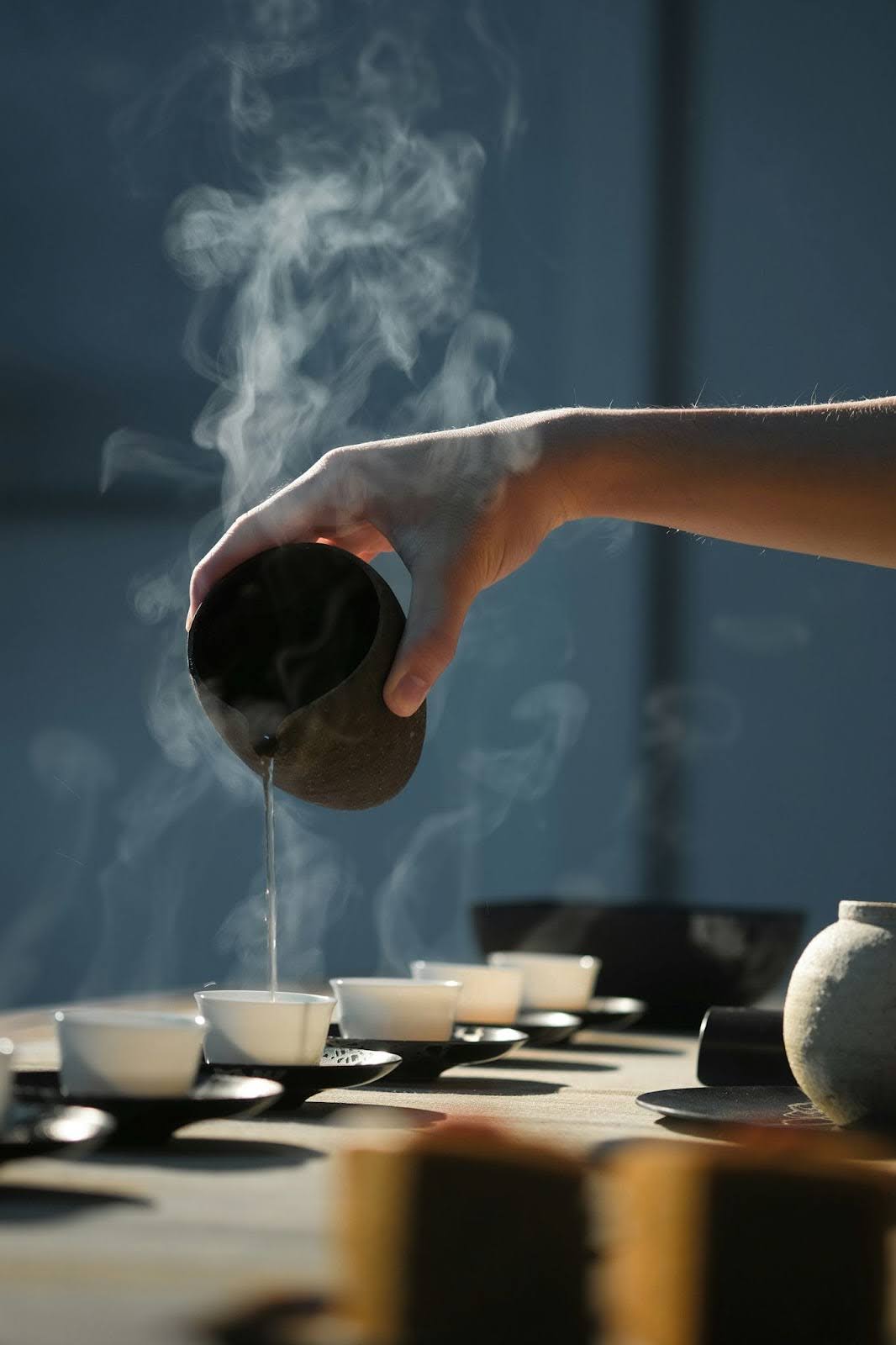
Exploring Traditional Chinese Healing (TCHM) for American Medical Tourists

The allure of China for medical tourism extends beyond its modern medical facilities and cost-effectiveness. Traditional Chinese Healing (TCHM) offers a unique and complementary set of practices for American patients seeking a holistic approach to healthcare. This ancient system, with a history dating back thousands of years, emphasizes restoring balance and harmony within the body to promote overall well-being. Incorporating TCHM practices into your treatment plan can enhance your experience if you’re considering medical tourism in China. Here’s a comprehensive guide exploring various TCHM modalities and their potential benefits:
The Pillars of TCHM: Yin and Yang
The fundamental philosophy of TCHM revolves around the concept of Yin and Yang, two opposing yet complementary forces representing balance within the body. Yin is associated with coolness, passivity, and internal functions like rest and digestion. Yang represents warmth, activity, and external functions like movement and energy. Imbalances between these forces are believed to contribute to various health problems. TCHM practitioners aim to restore harmony between Yin and Yang through various practices.
Core Practices of TCHM
- Acupuncture: This widely recognized practice involves inserting thin, sterile needles at specific points along meridians, channels believed to carry vital energy (Qi) throughout the body. Acupuncture aims to stimulate these points, regulate Qi flow, and alleviate pain, improve circulation, and address various health concerns.
- Herbal Medicine: TCHM utilizes a vast array of medicinal plants, minerals, and animal products to create herbal formulas tailored to individual needs. These formulas may be prescribed in various forms, such as decoctions (teas), pills, and topical applications.
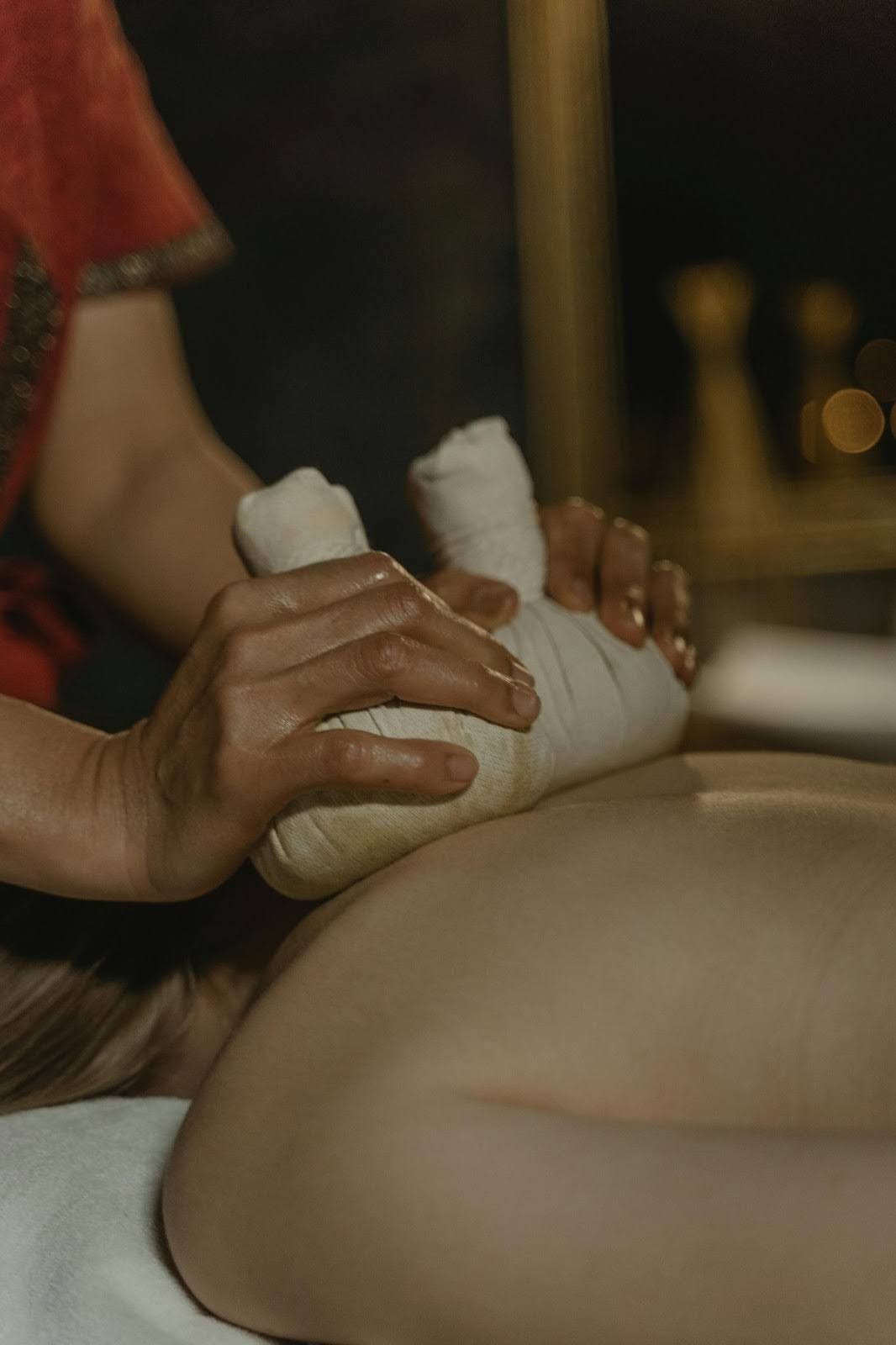
- Tuina (Tui Na) Massage: This therapeutic massage technique involves applying pressure, kneading, and manipulation to specific points on the body. Tuina aims to improve blood circulation, relieve muscle tension, and promote relaxation.
- Moxibustion: This practice involves burning dried mugwort leaves near specific acupuncture points or on the skin’s surface. Moxibustion stimulates Qi flow, alleviates pain, and strengthens the immune system.
- Cupping Therapy: Heated glass cups are placed on the skin to create suction, drawing stagnant blood to the surface. Cupping therapy is used to relieve pain, improve circulation, and address respiratory conditions.
Potential Benefits of TCHM
While TCHM isn’t meant to replace conventional medicine, it can offer complementary benefits for various health concerns:
- Pain Management: Acupuncture, Tuina massage, and cupping therapy may provide relief from chronic pain, including headaches, back pain, and osteoarthritis.
- Digestive Issues: TCHM practices can help alleviate digestive problems like constipation, diarrhea, and irritable bowel syndrome.
- Respiratory Conditions: Acupuncture and herbal remedies may provide relief from respiratory problems like asthma and allergies.
- Stress and Anxiety: TCHM practices like acupuncture, herbal formulas, and meditation can promote relaxation and help manage stress and anxiety.
- Women’s Health: Acupuncture and herbal medicine may be used to address menstrual cramps, PMS symptoms, and menopausal hot flashes.
Immune System Support: Certain TCHM practices, like herbal formulas and qigong (breathing exercises), are believed to strengthen the immune system.
Considerations for American Medical Tourists:
- Seek a Qualified Practitioner: It is crucial to choose a licensed and experienced TCHM practitioner. Ask your chosen medical tourism facility for recommendations or research practitioners through reputable organizations.
- Transparency and Communication: Discuss your medical history and current medications with the TCHM practitioner. Ensure clear communication regarding your expectations and potential interactions with any medications you take.
- Realistic Expectations: TCHM practices are not a quick fix. Multiple sessions and a commitment to a holistic approach are often recommended for optimal results.
Integration with Modern Medicine: TCHM can be a valuable complement to conventional medicine. Discuss with your doctor how to best integrate TCHM practices into your overall treatment plan.
Exploring Specific TCHM Practices
Integrating TCHM into Your Medical Tourism Journey
Many reputable medical tourism facilities in China offer a combination of modern medical treatments and TCHM practices. Discuss your interest in TCHM with your chosen facility and doctor to create a personalized treatment plan. Here are some tips for integrating TCHM into your medical tourism experience:
- Schedule an initial consultation: Discuss your health concerns and goals with a qualified TCHM practitioner. Ask questions about recommended practices, potential benefits, and any potential interactions with your current medications.
- Start gradually: Don’t try to incorporate every TCHM practice at once. Begin with one or two practices, such as acupuncture or Tuina massage, and gradually add others based on your experience and comfort level.
- Be patient: TCHM practices often take time and consistency to show results. Commit to a regular schedule of treatments and practices for optimal benefits.
Maintain open communication: Throughout your medical tourism experience, maintain open communication with your doctor and TCHM practitioner. Discuss any progress, concerns, or changes in your health.
Medical tourism in China offers a unique opportunity to delve deeper into the philosophy and practices of TCHM. Consider these options to enhance your experience:
- Visit a Traditional Chinese Medicine Museum: Learn about the history and evolution of TCHM practices through exhibits and educational displays.
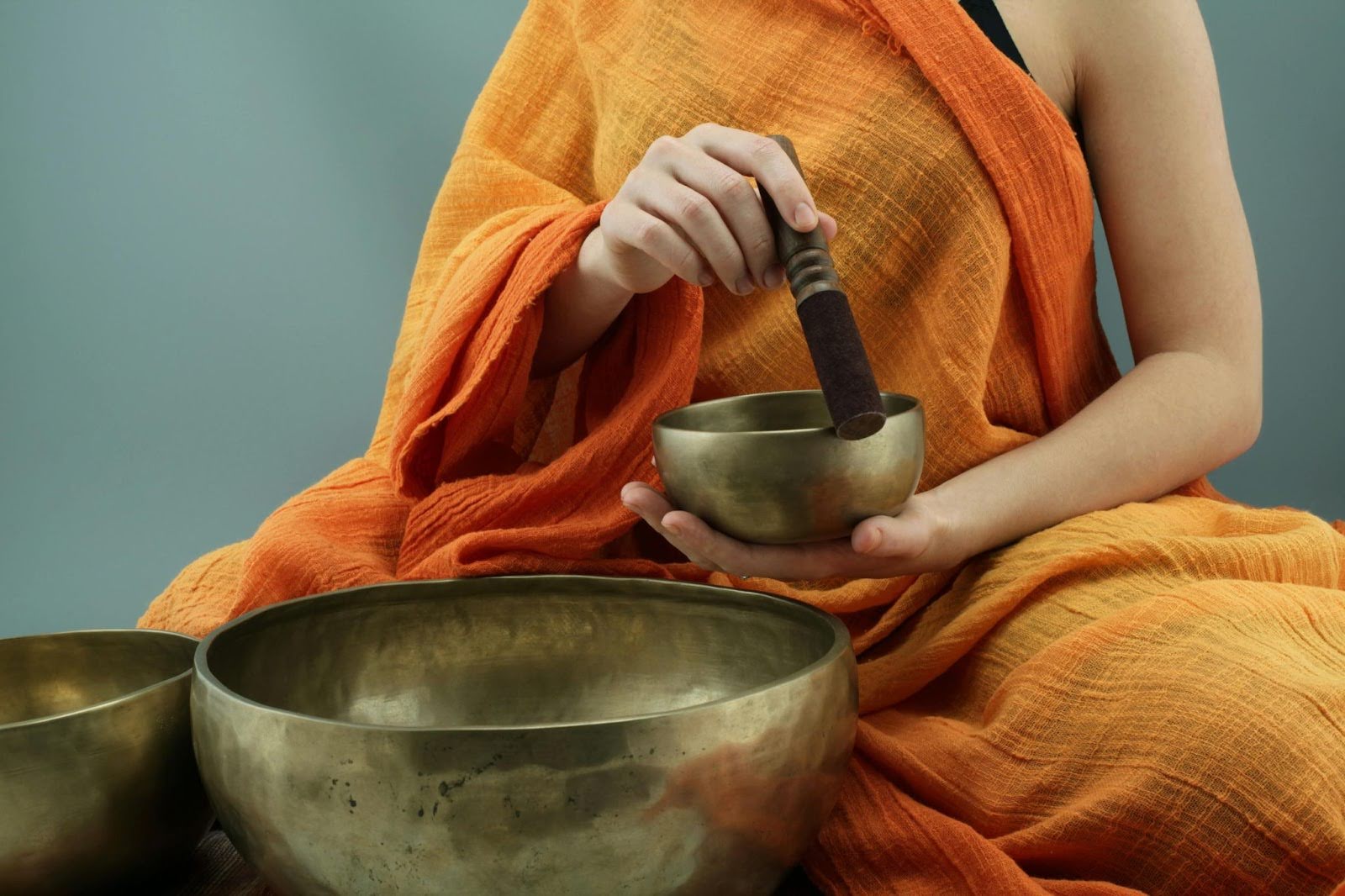
- Attend a TCHM Workshop: Many facilities offer workshops on various TCHM practices, such as basic Qigong or herbal tea preparation. These workshops provide a hands-on learning experience and a deeper understanding of TCHM principles.
- Experience a Traditional Chinese Medicine Retreat: Some facilities offer retreats combining TCHM treatments with meditation, dietary guidance, and cultural immersion experiences.
Is Traveling to China Safe for American Medical Tourists?
China’s emergence as a medical tourism powerhouse has undeniable allure. The promise of advanced medical care, highly skilled professionals, and competitive pricing beckons American patients burdened by exorbitant healthcare costs and lengthy wait times. However, venturing into unfamiliar territory, especially for medical care, necessitates candidly assessing potential safety concerns. This article delves into the complexities of safety for American medical tourists in China, presenting a balanced perspective to empower informed decision-making.
Dispelling Myths, Acknowledging Realities
Myth 1: China is Unsafe.
China is a vast country with significant regional variations in safety. Major cities like Beijing and Shanghai generally boast lower crime rates and a strong police presence. Cameras are prevalent in major cities, serving as a strong deterrent, it is illegal for civilians to own firearms, and it is not uncommon to see people walking the streets at all hours of the night. However, like in any other place, petty theft and scams can occur in tourist areas, so vigilance remains crucial.
Myth 2: Language Barrier is Impassable.
While Mandarin Chinese is the dominant language, a growing number of medical professionals speak English, particularly in JCI-accredited hospitals catering to international patients. However, communication challenges can still arise. Consider bringing a trusted translator or utilizing translation apps to ensure clear communication with doctors and nurses.
Myth 3: Cultural Integration is Unnecessary.
Understanding basic Chinese cultural norms can enhance your experience and avoid misunderstandings. Learning a few greetings and gestures demonstrates respect and fosters smoother interactions.
Safety in China’s Major Cities for Medical Tourists: A Breakdown
China’s major cities are generally considered safer than rural areas for tourists, including medical tourists. Here’s a closer look at some key destinations:
- Beijing: China’s capital boasts a strong police presence and a well-developed tourist infrastructure. Petty theft can occur in crowded areas, so stay vigilant. Air pollution can be a concern, especially for those with respiratory problems.
- Shanghai: This cosmopolitan city offers a lower crime rate than other major cities. However, exercise caution in crowded areas and be wary of scams targeting tourists. Air quality can also be a concern in Shanghai.
- Guangzhou: A major commercial hub, Guangzhou generally has a lower crime rate than the national average. However, petty theft can occur, particularly in bustling markets. Be mindful of belongings and avoid venturing into isolated areas at night.
- Shenzhen: This modern metropolis bordering Hong Kong is known for its safety and technological advancements. However, language barriers can be more prevalent outside tourist areas. Consider having a translation app available.
- Chengdu: This historical and cultural city in southwest China boasts a relaxed atmosphere and relatively lower crime rates. However, petty theft can still occur. Be aware of potential scams, especially in tourist markets.
Important Considerations
While China is considered safe, it is a vast country, and there are certain areas that might be best avoided due to various factors. Here’s a breakdown of places to consider avoiding, with explanations:
High-Risk Areas Due to Political Tensions:
- Tibet: This culturally rich region experiences occasional political unrest. While Lhasa, the capital, is generally safe, exercise caution and stay informed about current political situations before visiting.
- Border Regions: Areas bordering neighboring countries, particularly those with ongoing tensions, might have restrictions for foreign visitors. Check travel advisories for specific updates on border regions like Xinjiang (bordering Central Asia) and Inner Mongolia (bordering Mongolia).
Areas with Higher Crime Rates:
- Certain Rural Areas: While petty theft can occur anywhere, some isolated rural areas might have higher crime rates. Opt for well-established tourist destinations with a strong police presence.
Locations with Challenging Infrastructure:
- Remote Mountainous Regions: These areas might have limited access to medical facilities and emergency services. Plan carefully and ensure proper travel insurance if venturing into remote areas for trekking or hiking.
Regions with Environmental Concerns:
- Areas with High Air Pollution: Major cities like Beijing and Shanghai can experience periods of high air pollution, particularly during winter. Individuals with respiratory issues should consider this factor when choosing a medical tourism destination.
Unconventional Destinations Requiring Extra Preparation:
- Adventurous Expeditions: Activities like desert expeditions or high-altitude treks necessitate experience, proper equipment, and knowledge of potential risks. These trips might be best avoided by first-time visitors or those with limited experience in such environments.
Remember, these are general guidelines. Specific safety concerns can vary depending on current events and individual travel plans. Here are some resources to stay informed before your trip:
Safety Considerations: Weighing Benefits and Risks
Medical Infrastructure: China boasts modern hospitals with advanced equipment and technology. However, the quality of care can vary significantly. Thorough research into a chosen hospital’s accreditation, reputation, and specific expertise in your area of concern is essential.
Patient Safety Protocols: Hospitals emphasize infection control, but consistency remains a concern, especially outside major cities. American patients should advocate for themselves, inquire about sterilization procedures, and ensure they understand all potential risks and benefits before consenting to any treatment.
Regulatory Frameworks and Legal Concerns: China’s medical tourism regulations are evolving. While government agencies oversee the system, enforcing regulations consistently can be challenging. American patients should rely on reputable medical tourism agencies specializing in US patient care to navigate the healthcare system and ensure a smooth experience.
Transparency and Cost Concerns: China offers upfront pricing estimates, but hidden fees and surprise charges are possibilities. The allure of a lower price tag shouldn’t overshadow the importance of receiving high-quality care from a qualified doctor at a reputable facility.
Vaccinations: A little prevention goes a long way. Here is a breakdown of vaccination recommendations for Americans traveling to China, according to the Centers for Disease Control and Prevention (CDC):
Routine Vaccinations:
Ensure you are up-to-date on all routine vaccinations recommended for adults by the CDC, including:
- Measles, mumps, and rubella (MMR)
- Tetanus, diphtheria, and pertussis (Tdap)
- Varicella (chickenpox)
- Polio
Additional Recommended Vaccinations:
- Hepatitis A: This vaccine protects against a liver infection caused by contaminated food or water. It’s strongly recommended for all travelers to China.
- Hepatitis B: This vaccine protects against a liver infection spread through bodily fluids. Consider getting vaccinated if you plan on extended stays, have close contact with locals, or will receive medical care.
Additional Considerations:
- Rabies: This vaccine protects against a deadly viral infection transmitted through animal bites. Consider vaccination if you’ll be engaging in activities with a high risk of animal contact, especially in rural areas.
- Japanese Encephalitis: This mosquito-borne viral infection can cause inflammation of the brain. Vaccination is recommended for travelers spending extended time in rural areas or during the rainy season (typically June to September).
- Typhoid: This vaccine protects against a bacterial infection caused by contaminated food or water. While not routinely recommended by the CDC for all travelers, consider it if you’ll be visiting rural areas or staying for longer periods.
- Influenza (Flu): The CDC recommends getting the seasonal flu shot before any international travel, including China.
- COVID-19: Stay informed about the latest COVID-19 entry requirements and recommendations from both the Chinese government and the CDC. Vaccination and booster shots are likely mandatory for entry.
China offers undeniable advantages for medical tourism. However, navigating the healthcare system and ensuring a safe and successful experience requires careful planning, thorough research, and a partnership with reputable medical tourism professionals. By acknowledging potential risks and taking proactive measures, American patients can leverage China’s medical expertise while prioritizing their well-being throughout their medical journey.
Cultural Enchantment and Additional Benefits of Medical Tourism in China
Medical tourism in China offers more than just cost-effective, high-quality medical care. It presents a gateway to a captivating culture steeped in history, philosophy, and artistic traditions. This fusion of medical treatment with cultural immersion creates a transformative experience that goes beyond simply receiving healthcare.
Traditions Steeped in History and Philosophy
China’s rich cultural tapestry is deeply woven with traditions that have shaped its society for millennia. Understanding these core values enhances the experience for medical tourists, fostering deeper connections and a more meaningful appreciation for local customs and interactions.
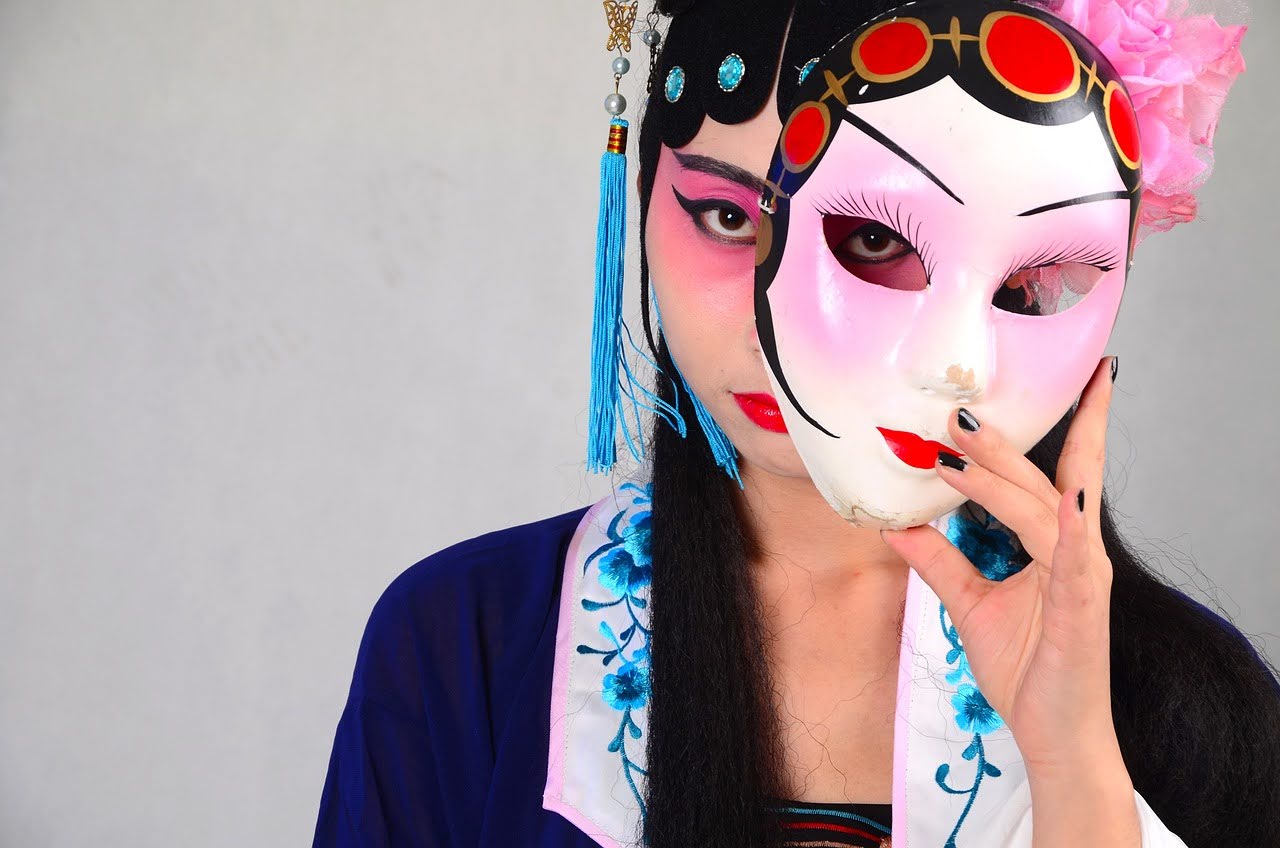
- Confucian Values: The Cornerstone of Social Harmony: Confucianism, a philosophical and ethical system developed by Confucius, remains a significant influence in Chinese society. It emphasizes respect for elders, filial piety (devotion to one’s parents), and social harmony. Observing these values in everyday life – the way younger generations treat their elders, the importance placed on family gatherings, and the emphasis on maintaining social order – offers a window into the core principles that have guided Chinese society for centuries.
- Culinary Delights: A Gastronomic Journey for the Adventurous Palate: Embark on a delectable adventure through China’s diverse and regional cuisines. Beyond the familiar dim sum, a delightful selection of steamed buns with savory or sweet fillings, lies a world of culinary exploration. Venture into the fiery world of Sichuan hotpot, a communal dining experience where diners cook a variety of meats and vegetables in a simmering spicy broth. Explore the delicate flavors of Cantonese cuisine, renowned for its fresh seafood and emphasis on balance and texture. Each region boasts its own unique specialties, from the savory noodle soups of Xi’an to the stir-fried dishes and fresh dumplings of the north. Be adventurous, embrace the opportunity to try new flavors and cooking styles, and discover the hidden gems of China’s culinary landscape.
- Ancient Wonders: A Journey Through Time to Witness the Grandeur of Past Dynasties: China is a living museum, where majestic historical landmarks stand as testaments to the ingenuity and grandeur of past dynasties. Walk along the Great Wall, a serpentine dragon of stone that snakes across rugged mountain ranges, a symbol of China’s resilience and defensive might. Step back in time within the Forbidden City, the opulent imperial palace complex in Beijing, and immerse yourself in the grandeur of China’s imperial past. Marvel at the Terracotta Army in Xi’an, a life-sized army of terracotta warriors meticulously crafted to guard the tomb of the first emperor of Qin. These iconic destinations are just a glimpse into the vast treasure trove of historical and cultural landmarks that await exploration, offering a captivating journey through the rich tapestry of Chinese history.
- Spiritual Significance: Unveiling the Beliefs that Shaped a Nation: China boasts a unique spiritual landscape where Buddhism, Taoism, and Confucianism have coexisted and intertwined for centuries. Explore ornate temples like the Lama Temple in Beijing, a Tibetan Buddhist monastery showcasing intricate artwork and serene courtyards. Climb the winding staircases of pagodas, towering structures symbolizing the connection between heaven and earth in Buddhist tradition. Wander through peaceful Taoist temples nestled amidst serene mountains and delve into the philosophy of living in harmony with nature. By exploring these sacred sites, you gain insights into the spiritual beliefs that have shaped Chinese culture, offering a deeper understanding of the values and traditions that continue to influence society today.
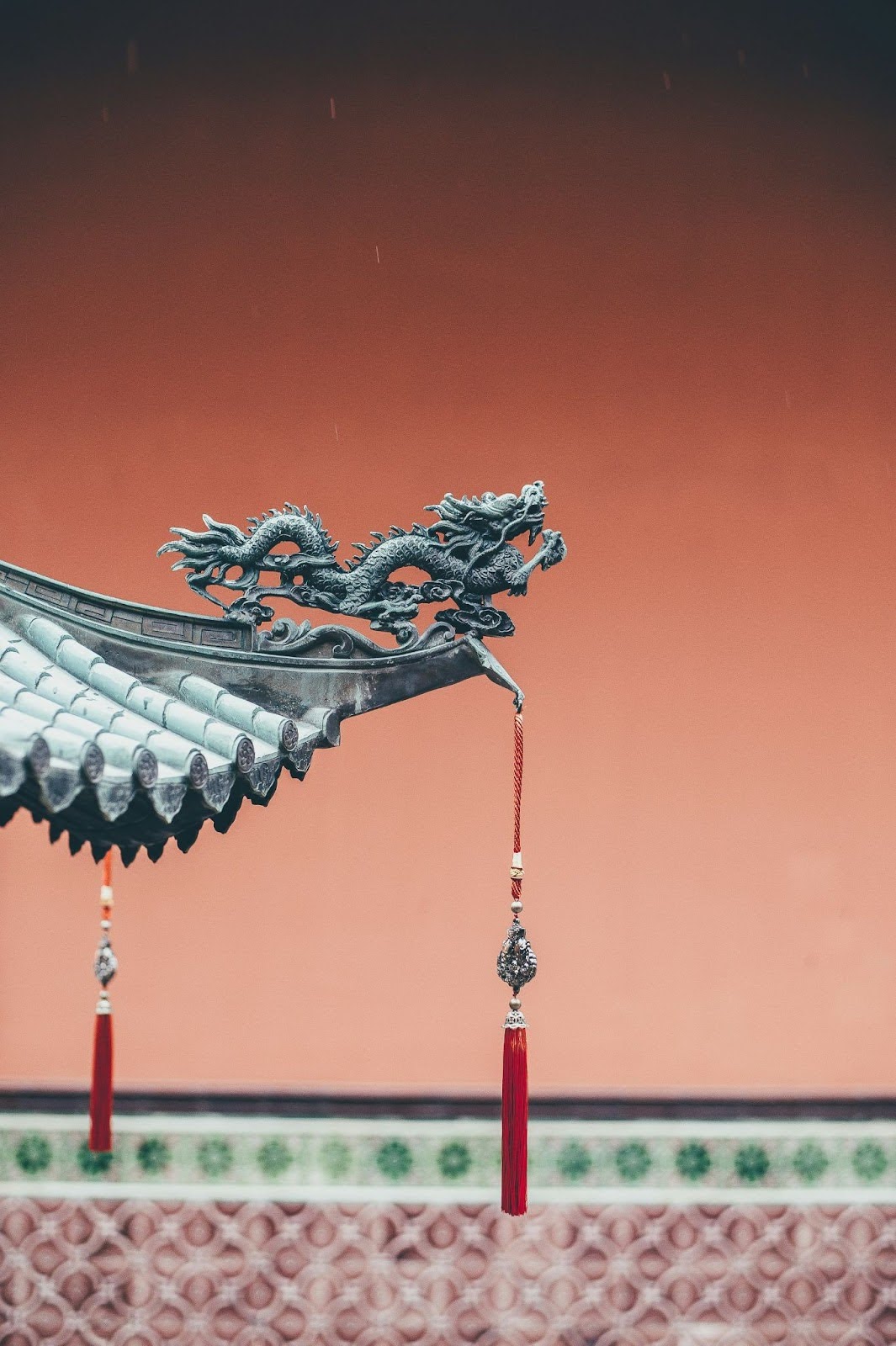
Cultural Nuances: Embracing Differences for a Seamless Experience
Immersing yourself in a new culture is a rewarding experience, but navigating unfamiliar customs can sometimes be tricky. Here are some key aspects of Chinese culture to keep in mind to ensure a smooth and respectful interaction during your medical tourism journey:
- Learn Basic Mandarin: A Bridge to Deeper Connections: While English is spoken in some tourist areas, learning a few basic Mandarin phrases goes a long way in demonstrating respect and fostering connections with locals. Simple greetings like “nǐ hǎo” (hello) and “xiè xie” (thank you) are greatly appreciated. Downloading a translation app can also be helpful for navigating menus, signs, and basic communication.
- Respectful Dress Code: Dressing for the Occasion: China has a more modest dress code compared to some Western countries. When visiting religious sites or rural areas, avoid overly revealing clothing. Opt for clothing that covers your shoulders and knees. In cities, a balance can be struck between comfort and cultural sensitivity. While casual attire is generally acceptable, avoid overly ripped jeans or tank tops in most settings.
- Gestures and Etiquette: Understanding Nonverbal Communication: Be mindful of cultural gestures to avoid misunderstandings. A slight bow is a respectful way to greet someone, especially elders. Learn how to use chopsticks appropriately, as they are the primary utensil used in China. When offered a gift, it’s polite to refuse initially before accepting it with two hands. Public displays of affection are generally not the norm in China. Researching basic etiquette beforehand ensures you navigate social situations with confidence.
- Bargaining in Markets: The Art of Negotiation: Bargaining is expected in traditional markets, but it should be done politely and respectfully. Start with a reasonable counteroffer and be prepared to walk away if an agreement can’t be reached. Remember, the goal is to have a fun and fair interaction, not to get the absolute lowest price.
- Tipping Culture: Gestures of Appreciation: Tipping is not customary in China, unlike some Western countries. However, small gestures of appreciation are always welcome. If you receive exceptional service at a restaurant or from a tour guide, a small tip is a way to show your thanks. It’s best to discreetly hand the tip directly to the person rather than leaving it on the table.
- Interacting with Doctors: While medical professionals strive for clear communication, language barriers can sometimes arise. Here’s how to ensure effective communication with doctors:
- Bring a translator: If you’re not comfortable with your Mandarin skills, consider hiring a medical translator or bringing someone who speaks Mandarin to accompany you to appointments.
- Prepare a list of questions: Write down any questions or concerns you have beforehand, translating them into Mandarin if possible. This ensures you get all the information you need.
- Speak slowly and clearly: Be patient and speak slowly and clearly when communicating with your doctor.
- Non-verbal cues: Pay attention to non-verbal cues like body language and facial expressions to gain a deeper understanding.
- Be assertive: Don’t hesitate to ask for clarification if you don’t understand something. It’s your health, and clear communication is key.
By understanding and respecting these cultural nuances, you can ensure a smooth and enriching experience during your medical tourism adventure in China.
Top Tourist Destinations: From Bustling Cities to Serene Landscapes
China’s vastness offers a treasure trove of captivating destinations, catering to diverse interests. Here’s a glimpse into 15 incredible locations that can enrich your medical tourism experience:
- Beijing: Immerse yourself in China’s imperial past at the Forbidden City and the Great Wall. Explore vibrant markets, historical hutongs (narrow alleys), and renowned museums like the Palace Museum and the National Museum of China.
- Shanghai: Experience the modern metropolis with its dazzling skyscrapers, iconic Bund waterfront, and world-class museums like the Shanghai Museum and the Power Station of Art. Immerse yourself in the city’s vibrant nightlife and contemporary art scene.
- Xi’an: Home to the Terracotta Army, a UNESCO World Heritage Site, Xi’an offers a glimpse into the grandeur of the Qin Dynasty. Explore the ancient City Walls, the magnificent Bell Tower and Drum Tower, and delve into the city’s rich history at the Shaanxi History Museum.
- Guilin: Surrounded by karst mountains and the Li River, Guilin offers breathtaking scenery. Take a boat cruise on the river, explore picturesque caves like the Reed Flute Cave and the Seven Star Cave, and marvel at natural wonders like the Yangshuo Moon Hill.
- Chengdu: The Giant Panda Research Base in Chengdu allows you to witness these magnificent creatures up close. Explore the city’s Sichuan cuisine, renowned for its bold flavors and spice, and visit historical sites like the Wuhou Memorial Temple and the Du Fu Thatched Cottage.
Expanding Your Horizons:
- Hangzhou: Nicknamed “Paradise on Earth,” Hangzhou boasts scenic beauty with West Lake, a UNESCO World Heritage Site. Explore serene gardens, historical temples like Lingyin Temple, and witness the unique spectacle of tea harvesting at Longjing Village.
- Huangshan (Yellow Mountain): This UNESCO World Heritage Site offers dramatic landscapes with towering granite peaks, unique pine trees, and mystical clouds. Hike the mountain trails, marvel at natural wonders like the “Tianqiao (Bridge of Heaven),” and witness breathtaking sunrises.
- Zhangjiajie National Forest Park: Home to the inspiring scenery featured in the movie “Avatar,” Zhangjiajie National Forest Park boasts towering sandstone pillars, ethereal karst formations, and breathtaking views from the glass skywalk.
- Lijiang Old Town: This UNESCO World Heritage Site offers a glimpse into traditional Naxi culture. Explore the well-preserved old town with its winding cobbled streets, charming canals, and unique architecture. Hike up to the summit of Mariner’s Hill (獅子山 Shīzi Shān) for panoramic views.
- Dunhuang: Explore the Mogao Caves, a UNESCO World Heritage Site, renowned for its breathtaking Buddhist cave paintings and sculptures spanning over a thousand years. Immerse yourself in the region’s rich history and desert landscapes.
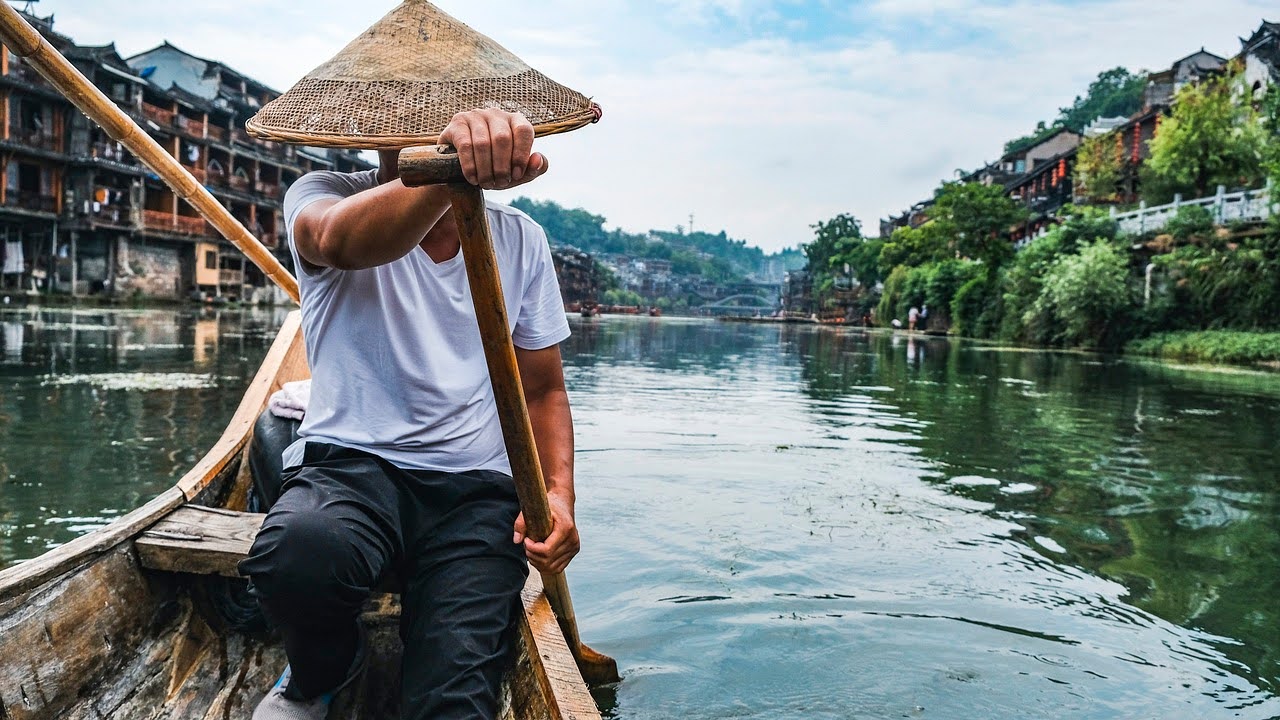
- Fenghuang (Phoenix) Ancient Town: This picturesque town, nestled along the Tuojiang River, offers a glimpse into traditional Chinese architecture. Explore wooden bridges, traditional stilt houses, and vibrant night markets.
- Yangshuo: A haven for adventure enthusiasts, Yangshuo offers stunning scenery with karst mountains and the Li River. Enjoy activities like rock climbing, kayaking, and cycling amidst the breathtaking landscapes.
- Yuyuan Garden: Located in Shanghai, this classical Chinese garden offers a tranquil escape from the bustling city. Explore the serene ponds, intricate pavilions, and meticulously landscaped gardens, experiencing the art of Chinese garden design.
- The Bund (Shanghai): Stroll along the iconic Bund waterfront, a symbol of Shanghai’s colonial past. Admire the neoclassical architecture, enjoy scenic views of the Huangpu River, and soak in the vibrant atmosphere, especially at night when the buildings illuminate the skyline.
Remember: This is just a starting point. China offers countless destinations to explore, each with its unique charm and cultural experiences. Tailor your itinerary to your interests and preferences to create a truly memorable medical tourism experience.
Unlocking a Transformative Experience
Medical tourism in China presents a unique opportunity to combine advanced medical care with cultural discovery. Embrace the opportunity to learn about a fascinating civilization, explore historical wonders, and savor the delights of Chinese cuisine. By understanding cultural nuances and planning your trip thoughtfully, you can create a transformative and enriching experience that goes far beyond healthcare.