Is Medical Tourism Safe?

The healthcare landscape is shifting, and medical tourism offers a promising alternative for many US citizens. Forget the limitations of the current healthcare system. Imagine a path to healing that transcends borders, offering advanced treatments, affordability, and the chance to immerse yourself in a new culture. This dream might seem far-fetched, but for many US citizens, it’s becoming a reality thanks to medical tourism. But wait, before you pack your bags, questions about safety and quality might be holding you back. Do not fret, for this article will guide you to confidently answer “Yes!” to medical tourism and embark on a rewarding journey towards improved health. We’ll address your concerns head-on, provide essential resources, and guide you through each step of this exciting healthcare adventure.
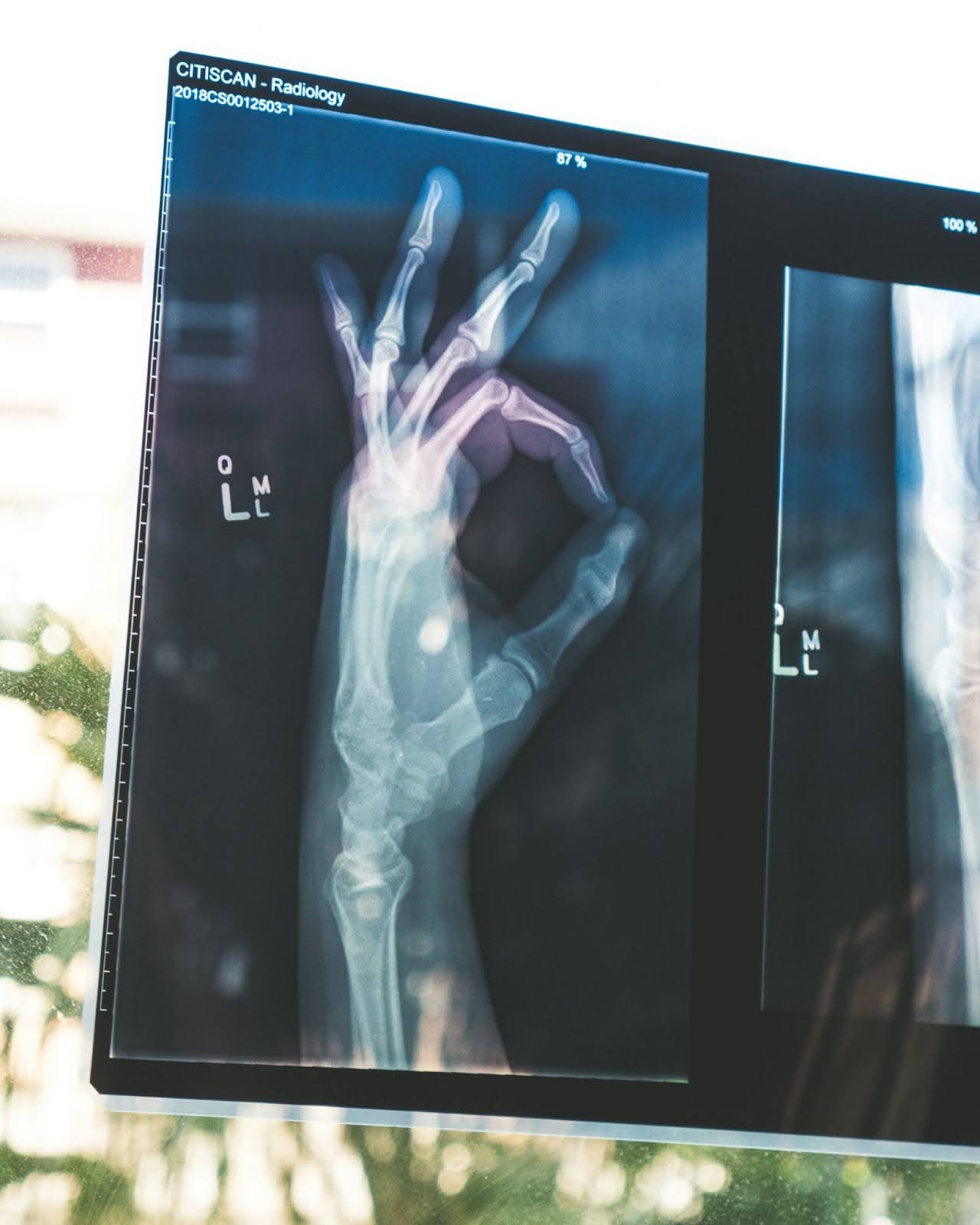
Xray
According to the US Center for Disease Control (CDC), “Medical tourists have the same risks for noninfectious complications as patients receiving medical care in the United States. Noninfectious complications include blood clots, contour abnormalities after cosmetic surgery, and surgical wound dehiscence” (2024).  Just like anything in life, planning and preparation will lead to more positive experiences and outcomes, but what are the key points to consider when assessing your right to a safe medical procedure abroad?  Here are the top 5:

1. Accreditation and Regulation: Your Assurance of Quality:

Your content goes here. Edit or remove this text inline or in the module Content settings. You can also style every aspect of this content in the module Design settings and even apply custom CSS to this text in the module Advanced settings.

Patient Safety:

Regular inspections by internationally recognized bodies like JCI and ISQua serve as a crucial safeguard in medical tourism. These inspections act as an independent evaluation, ensuring facilities prioritize procedures that minimize risks and potential complications. By rigorously examining sterilization protocols, emergency preparedness, medication management, and adherence to best practices, they hold facilities accountable for upholding high standards of patient safety and quality care. This independent oversight offers valuable peace of mind for individuals considering medical tourism, helping them make informed decisions about their healthcare journey.

Hygiene and Infection Control:

In medical tourism, stringent protocols go beyond mere visual cleanliness. They establish a comprehensive system of safeguards to ensure a sterile environment, minimizing the chance of infections. These protocols cover everything from surgical instrument sterilization and disinfection practices to meticulous cleaning procedures for operating rooms and patient areas. By adhering to these rigorous standards, medical facilities significantly reduce the risk of harmful bacteria and viruses, contributing to a safer and healthier experience for patients embarking on their medical tourism journey.

Quality Care:

Choosing an accredited facility for medical tourism goes beyond flashy equipment and promises. It means aligning yourself with a provider demonstrably committed to quality care. These facilities invest in high-quality equipment that meets rigorous standards, ensuring it functions optimally and minimizes the risk of malfunctions or errors. Moreover, they adhere to established best practices for your procedure, drawing from the latest research and evidence-based guidelines to optimize your outcomes and minimize potential complications. This commitment to quality equipment and best practices signifies a culture of patient safety and creates a solid foundation for a successful and secure medical tourism experience.
For a more comprehensive look at accreditation and licensing, see Medical Tourism: Accreditation and Licensing Researching accreditation ensures you’re entrusting your well-being to facilities held to the highest international standards, providing a solid foundation for a safe medical tourism experience.

2. Reputable Providers: Putting Experience and Expertise First:

Beyond accreditation, delve deeper into the individual providers you’ll be entrusting with your care. Look for:

Proven Track Record:

Before entrusting your well-being to a medical tourism provider, look beyond the glossy brochures and promises. Research your procedure’s success rates and patient outcomes at the chosen facility. Look for independent data, peer-reviewed studies, and reputable sources that objectively assess their track record. Additionally, prioritize facilities with positive testimonials and high patient satisfaction scores. These firsthand accounts offer valuable insights into the quality of care and paint a realistic picture of what you can expect. By thoroughly investigating success rates and patient experiences, you gain valuable information to make informed decisions and choose a provider with a proven record of delivering safe and effective outcomes.

Specialized Expertise:

When navigating medical tourism, choosing the right medical team is paramount. Don’t settle for generic qualifications. Ensure the doctors and staff at your chosen facility possess extensive experience and specific qualifications in your area of concern. Look for board certifications from reputable organizations, indicating specialized knowledge and expertise in your specific condition. Additionally, affiliations with renowned professional organizations add another layer of credibility, demonstrating an ongoing commitment to professional development and adherence to ethical standards. By prioritizing a team with proven expertise and qualifications, you significantly increase your chances of receiving safe, effective, and up-to-date care during your medical tourism journey.

Transparent Communication:

Open dialogue is crucial. Don’t hesitate to ask detailed questions about their procedures, qualifications, and any potential risks associated with your treatment. Feeling comfortable and informed empowers you to make the right choice for your safety.

By choosing providers with a proven track record, specialized expertise, and transparent communication, you significantly reduce potential risks and increase your confidence in a safe and successful outcome.

For a more comprehensive look at finding a reputable provider abroad, see Medical Tourism: 10 Steps to Find a Trusted Medical Provider

3. Pre-Travel Consultations: Planning for Smooth Sailing:

Don’t wait until arrival to discuss your medical needs. Schedule consultations with both your local doctor and the medical tourism provider well in advance. These consultations offer:

Continuity of Care:

By scheduling pre-travel consultations with both your local doctor and the medical tourism provider, your local doctor can play a vital role in your safety. They can ensure your complete medical history, including past diagnoses, allergies, and current medications, are accurately communicated to the overseas team. This comprehensive picture empowers the overseas team to tailor your treatment plan effectively, avoiding potential conflicts or adverse reactions due to unknown medical factors. This seamless continuity of care contributes significantly to a safe and successful medical tourism experience.

Proactive Risk Identification:

Proactive communication during pre-travel consultations for medical tourism isn’t just about paperwork. Discussing your medical history and the anticipated procedure in detail unlocks a crucial safety benefit. This open dialogue allows the medical team to identify any potential concerns or risks associated with your unique situation. These discussions offer a window for proactive mitigation from underlying health conditions to medication interactions. Adjustments to the treatment plan or even exploring alternative approaches can be considered and implemented before you travel, minimizing potential complications and ensuring a safer medical tourism experience from the very beginning.

Peace of Mind:

In the realm of medical tourism, stepping into the unknown can be unnerving. However, pre-travel consultations offer a powerful antidote: clarity and understanding. By thoroughly discussing the procedure, potential risks, and post-operative care, you demystify the process, replacing anxiety with confidence. This knowledge empowers you to take control of your healthcare journey, actively participating in decision-making and voicing any concerns. Ultimately, this sense of power reduces stress and creates a foundation for a safer and more positive medical tourism experience.
By engaging in thorough pre-travel consultations, you proactively address potential risks and ensure a smooth and safe medical tourism journey from start to finish.

4. Comprehensive Travel Insurance: A Safety Net for the Unexpected:

Unexpected events happen. Invest in travel insurance specifically designed for medical tourism. Ensure it covers:

Medical Emergencies:

Medical tourism, while potentially cost-effective, comes with inherent risks. Unexpected complications or additional medical needs can quickly become financial burdens, derailing your recovery and causing undue stress. Comprehensive travel insurance acts as a safety net, providing peace of mind and financial security. It covers medical emergencies, unforeseen procedures, and even post-operative care, ensuring you can focus on healing without worrying about the financial fallout. Remember, prioritizing comprehensive coverage isn’t just about saving money upfront; it’s about safeguarding your well-being and ensuring a smooth and secure medical tourism journey.

Post-Operative Care:

Don’t be fooled by insurance that only covers the initial procedure in medical tourism. Ensure your chosen plan extends to the crucial post-operative phase, including essential medications and potential follow-up appointments back home. This comprehensive coverage protects you from unexpected costs and ensures a smooth transition from procedure to recovery, contributing to a safe and secure medical tourism journey.

Repatriation Costs:

In medical tourism, unforeseen circumstances like complications or medical emergencies can necessitate an early return home. Choose travel insurance that goes beyond standard medical coverage. Ensure it covers the associated costs of transportation back, including medical care you might need during the journey. This comprehensive protection guarantees you receive proper care while minimizing financial burdens, contributing to a safe and secure medical tourism experience even in unexpected situations.

For a more comprehensive look at different insurance options, see Medical Tourism Insurance

Having comprehensive travel insurance provides a safety net for unforeseen situations, giving you peace of mind and minimizing potential financial risks associated with any complications during your medical tourism journey.

5. Risk Mitigation Strategies: Proactive Steps for a Secure Experience:

While accreditation, providers, and insurance offer a safety framework, actively manage potential risks for a truly secure experience:

Research Language Barriers:

Navigating a new language barrier in medical tourism can be stressful and lead to misunderstandings. To ensure clear communication and avoid potential safety risks, consider utilizing translation services offered by the facility or utilizing language learning apps beforehand. This empowers you to actively participate in your care, ask questions with confidence, and ultimately contribute to a safe and successful medical tourism experience.

Cultural Awareness:

Embracing a new culture is a rewarding aspect of medical tourism, but navigating unfamiliar customs and healthcare practices can be tricky. Invest in pre-travel research to avoid cultural clashes and ensure a respectful and comfortable experience. Dive into local customs surrounding greetings, dress codes, and communication styles to prevent unintentional faux pas. Familiarity with their healthcare practices, decision-making processes, and expectations will also help bridge the gap and build trust with the medical team, contributing to a smoother and safer medical tourism journey.

Post-Operative Care Plan:

Don’t let your medical tourism journey end with the procedure. Understanding your post-operative care options in your chosen destination is crucial. Research follow-up appointments, medication availability, and potential rehabilitation facilities. Additionally, establish clear communication channels with the overseas team before departure; this ensures you know who to contact in case of questions or concerns upon returning home, facilitating a smooth transition and minimizing potential complications. Responsible planning for post-operative care contributes significantly to a safe and successful medical tourism experience.

For a comprehensive look into cultural compatibility, see Medical Tourism and Culture Norms

By proactively addressing potential risks like language barriers, cultural differences, and post-operative care, you minimize potential complications and ensure a safe and smooth medical tourism journey from arrival to recovery back home.

Remember, thorough research, prioritizing safety measures, and remaining proactive in your decision-making process are key to a safe and rewarding medical tourism experience. These 5 points offer a framework for responsible exploration and informed choices, allowing you to navigate the world of medical tourism with confidence.