
Exploring Medical Tourism in Thailand:The Land of Smiles and Second Chances
Thailand, renowned as the “Land of Smiles,” is rapidly gaining recognition as a leading destination for medical tourism. This vibrant Southeast Asian nation draws increasing numbers of American patients seeking a unique combination of high-quality healthcare, expertise in sought-after procedures, and significant cost savings compared to the United States. By opting for treatment in Thailand, you can unlock both improved health and enriching opportunities for exploration and rejuvenation.
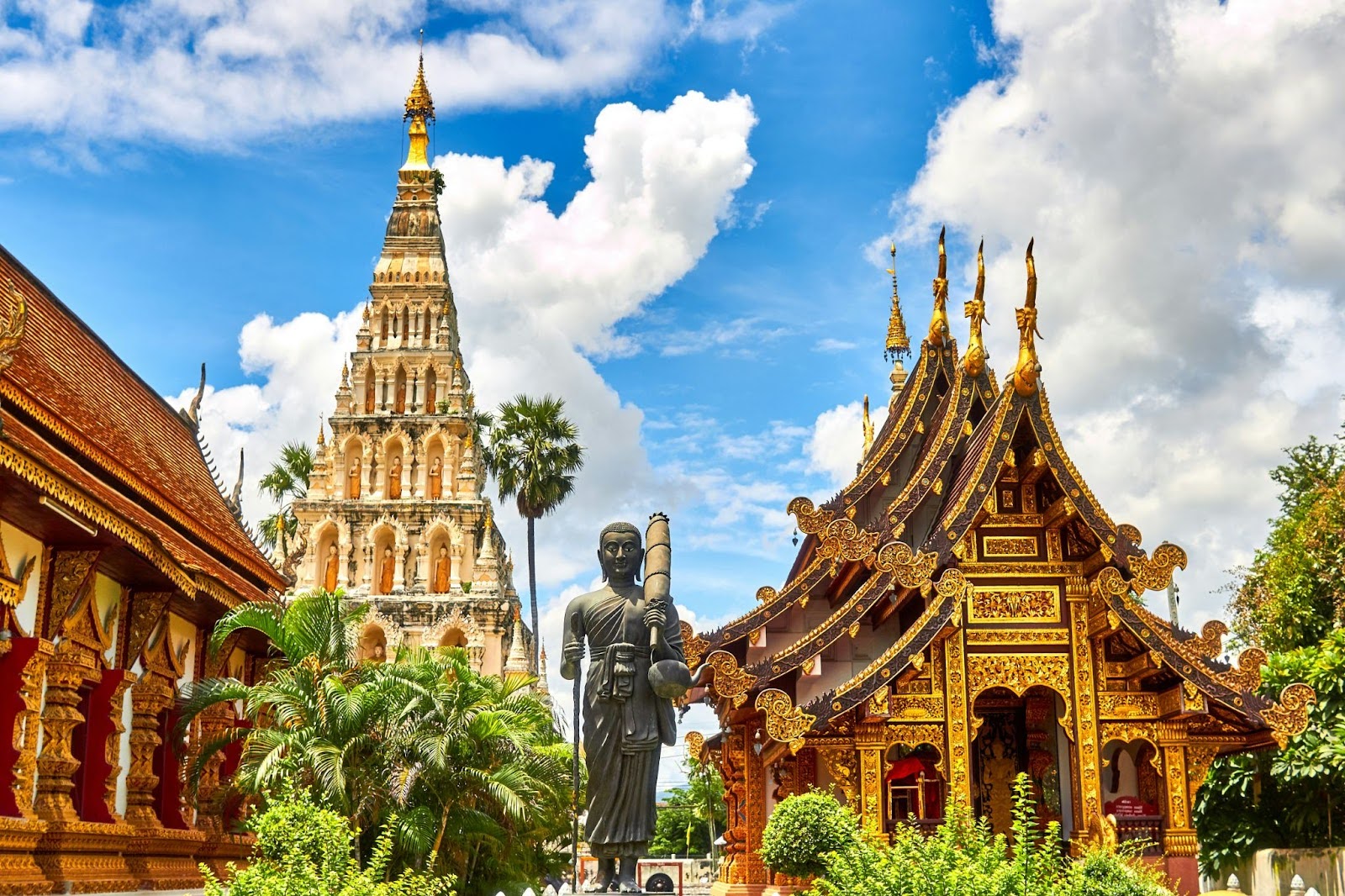
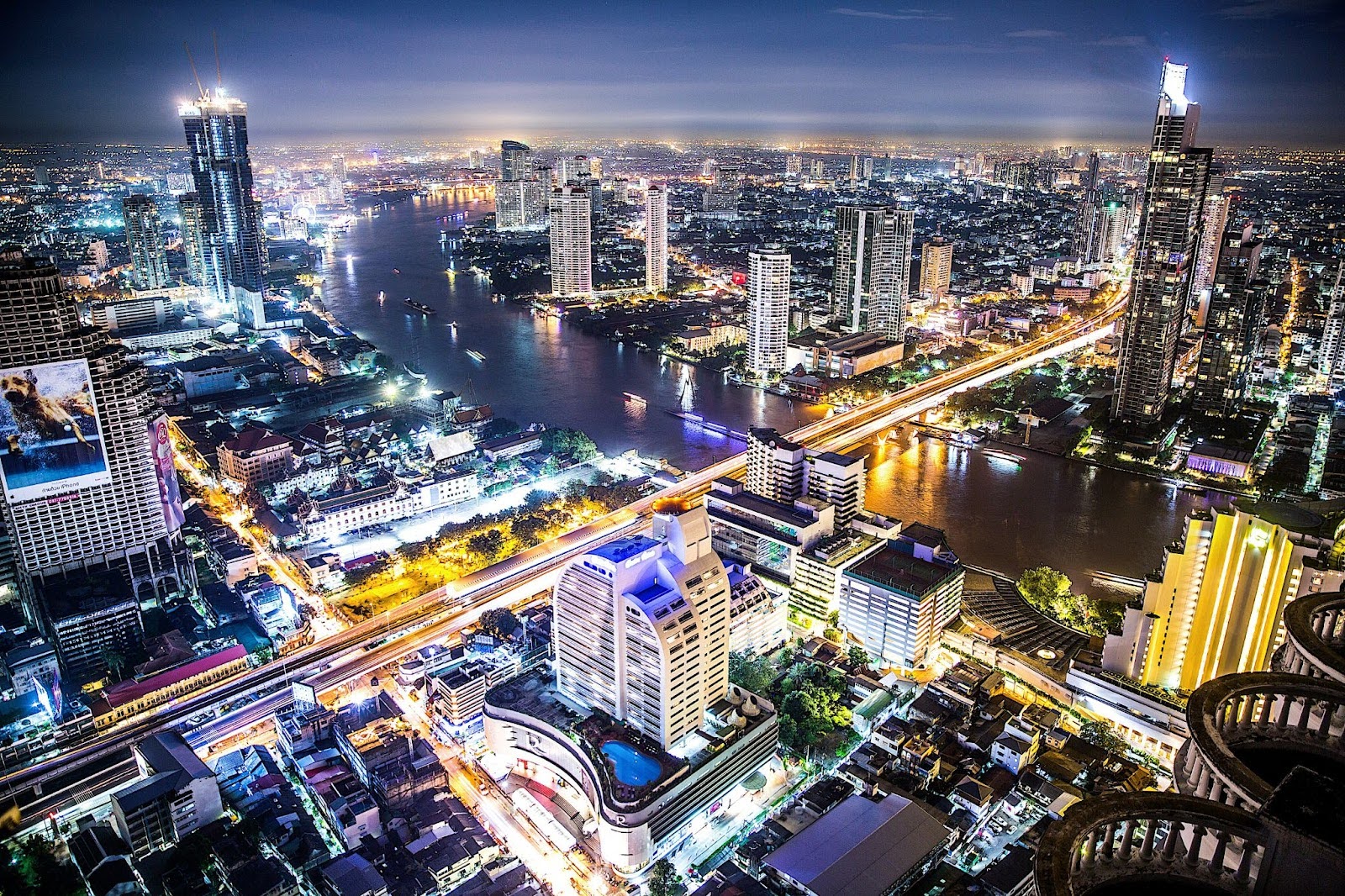
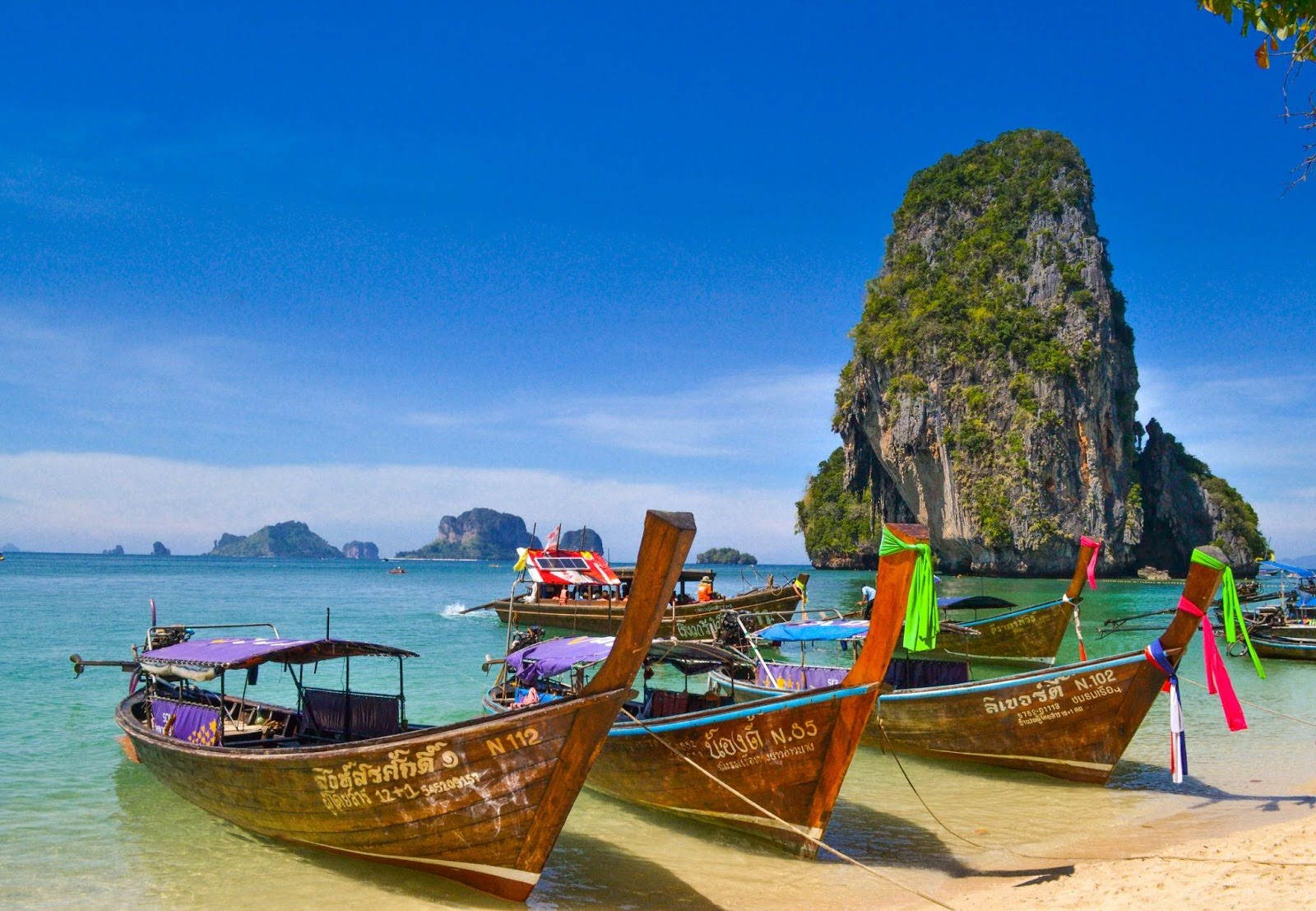
Beyond the modern hospitals and skilled specialists, Thailand captivates with its rich tapestry of experiences. Discover vibrant Bangkok, a city where ancient temples and sleek skyscrapers coexist in dynamic harmony. Wander through historic districts, sampling the delights of bustling street food markets and colorful nightlife. Unwind on picture-perfect beaches, venture into lush rainforests teeming with exotic wildlife, or seek the tranquility of mountain retreats. Thailand offers an adventure for the senses and a chance to revitalize your body and mind.
If this is your first time considering medical tourism in Thailand, you certainly have questions. This article will provide you with a comprehensive overview of medical opportunities in Chile with links to more in-depth resources on specific topics or questions.

Top Questions for American Medical Tourists Considering Thailand
What are the costs compared to the same procedures in the US?
Can I find the same quality of care as in the US?
What specific medical procedures are 's top specialties?
Is Traveling to Thailand for Medical Tourism Safe?
Do doctors in Thailand speak English?
Many doctors and medical staff in Thailand’s leading private hospitals catering to medical tourists speak English proficiently. This facilitates communication and helps ease concerns for international patients. Still, it is wise to confirm language abilities with your chosen provider.
Will my US health insurance cover procedures in Thailand?
What are the visa and entry requirements for Americans traveling to Thailand?
Americans enjoy visa-free entry to Thailand for up to 30 days for tourism purposes, which often suffices for shorter procedures. Ensure your passport is valid for at least six months beyond your stay. Always confirm the latest entry requirements with official Thai government sources.
What about follow-up care after a procedure?
It’s crucial to coordinate follow-up care before leaving Thailand. Discuss post-procedure needs with your doctor there and arrange any necessary follow-up appointments or consultations with your doctor back in the US. Ideally, your Thai provider will offer guidance and facilitate a smooth transition of care.
What if complications occur after I return home?
Addressing potential complications post-return is essential. Before your trip, understand the procedure’s risks and what to do if complications arise. Consider purchasing travel or specialized medical tourism insurance designed to cover unexpected events and emergencies.
Are there any special considerations I need to make regarding my travels to Thailand?
Vaccinations: Remember to visit a travel clinic or doctor several weeks before departure to allow ample time for needed vaccines. In addition to standard vaccinations, the CDC recommends:
- Hepatitis A: Transmitted through contaminated food and water. Recommended for all travelers to Thailand.
- Hepatitis B: This vaccine protects against a liver infection through bodily fluids. Consider getting vaccinated if you plan on extended stays, have close contact with locals, or will receive medical care.
- Typhoid: Also spread through contaminated food and water. Recommended for most travelers, especially if visiting rural areas, spending longer periods, or if you might have less control over food preparation and hygiene.
Situational Considerations:
- Japanese Encephalitis: Consider vaccination if spending extended time outdoors in rural areas, especially during the rainy season.
- Rabies: Consider vaccination if you’ll be engaging in activities with a high risk of animal contact, especially in remote areas.
- Malaria: Antimalarial medication might be recommended for certain rural areas.
Currency:
- Thai Baht (THB) is the official currency: The Thai Baht is the primary currency used throughout the country. Exchanging your USD to Thai Baht is necessary for most transactions.
- Limited Acceptance of USD: Some larger hotels, upscale shops, or specific tourist-oriented businesses might accept US dollars, but likely at an unfavorable exchange rate.
Language:
- Thai is Thailand’s official language. While English fluency is common in cities and tourist areas, learning basic Thai phrases is helpful.
How do I find a reputable medical tourism provider in Thailand?
Here is a checklist:
- Accreditation: Prioritize clinics with JCI or similar accreditations, ensuring high-quality standards.
- Doctor Qualifications: Research doctors’ experience, board certifications, and testimonials from past patients.
- Communication: Opt for a clinic with clear, upfront communication. Get detailed quotes and feel comfortable asking questions.
For more information on finding a reputable medical tourism provider, see Medical Tourism: 10 Tips to Finding a Trusted Provider
Can I combine medical treatments with sightseeing and cultural experiences?
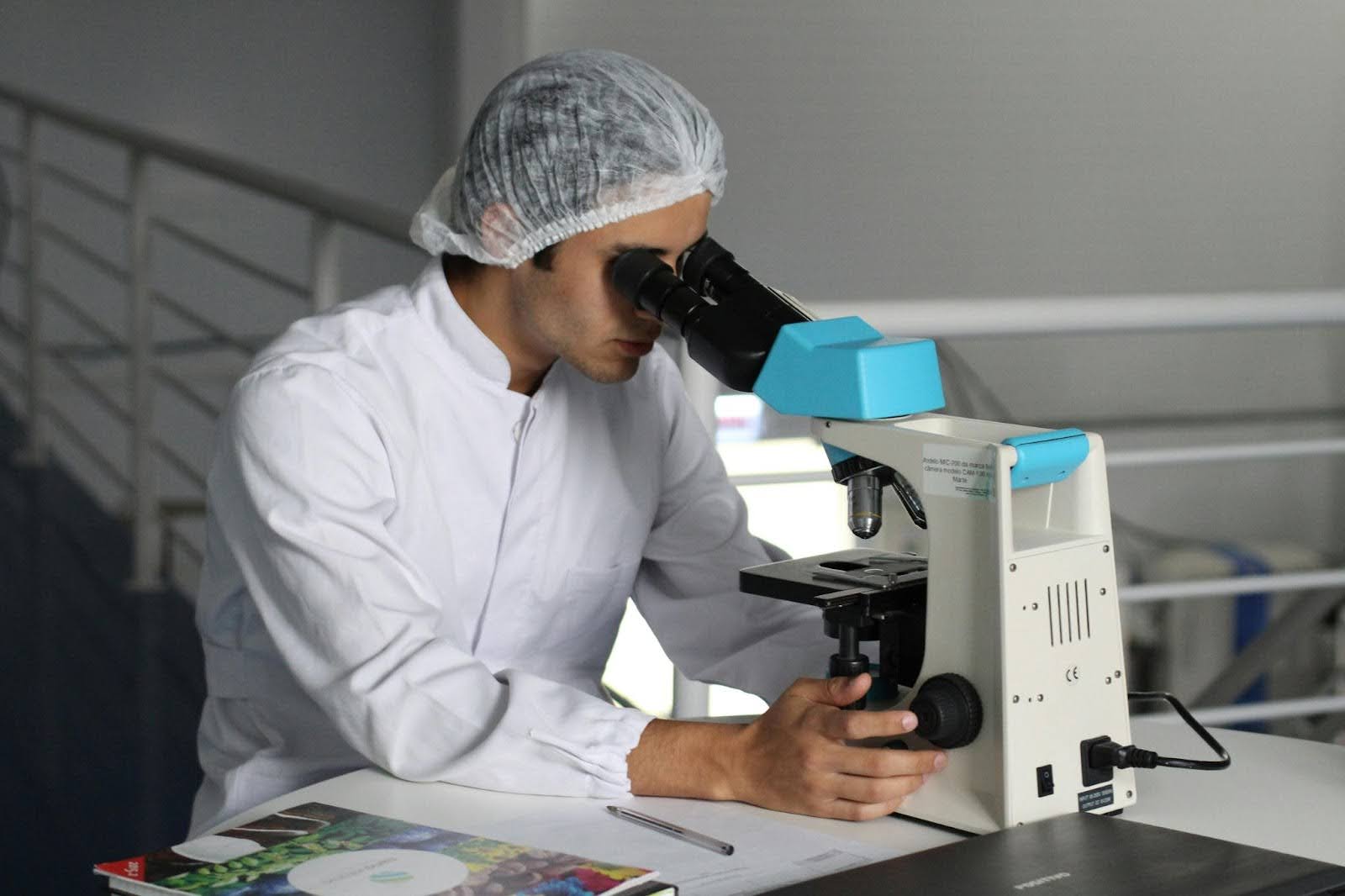
Affordability: The Bedrock of Thailand's Medical Tourism Boom
The cornerstone of Thailand’s medical tourism industry is its undeniable cost advantage. Compared to Western nations, medical procedures in Thailand can be significantly cheaper, ranging from 50% to 70% less expensive. This affordability stems from several factors, including lower labor costs, government subsidies, and a competitive healthcare market. For instance, a hip replacement surgery that might cost upwards of $30,000 in the United States can be obtained in Thailand for a fraction of the price, often around $5,500-$10,000. This significant cost saving makes Thailand an attractive option for individuals lacking adequate insurance coverage or facing hefty out-of-pocket expenses in their home countries.
Cost of Medical Tourism Procedures
| Procedure | Average Cost in the US | Average Cost in Thailand | Potential Savings (%) |
|---|---|---|---|
| Facelift | $10,000 - $15,000 | $4,000 - $7,000 | 50% - 65% |
| Rhinoplasty (Nose Job) | $8,000 - $15,000 | $3,000 - $5,000 | 50% - 70% |
| Breast Augmentation | $7,000- $12,000 | $3,500 - $6,000 | 40% - 60% |
| Knee Replacement | $35,000 - $55,000 | $12,000 - $18,000 | 60% - 70% |
| Dental Implant | $3,000 - $5,000 | $1,000 - $2,000 | 50% - 70% |
| LASIK (both eyes) | $4,000 - $6,000 | $1,500 - $3,000 | 50% - 65% |
| Liposuction | $6,000 - $10,000 | $2,500- $5,000 | 50% - 65% |
| Breast Reduction | $6,000 - $12,000 | $3,000 - $6,000 | 40% - 60% |
| Tummy Tuck | $10,000 - $18,000 | $4,000 - $7,000 | 50% - 65% |
| Veneers (per tooth) | $900 - $2,500 | $600 - $1,200 | 30% - 60% |
| IVF (One Cycle) | $15,000 - $25,000 | $5,000 - $9,000 | 55% - 70% |
| Hip Replacement | $30,000 - $60,000 | $12,000 - $18,000 | 50% - 70% |
| Dental Crowns | $1,000 - $3,000 | $500 - $1,200 | 40% - 70% |
| Gastric Sleeve | $20,000 - $30,000 | $6,000 - $10,000 | 50% - 70% |
| Hysterectomy | $10,000 - $20,000 | $4,000 - $7,000 | 50% - 70% |
| Cataract Surgery | $3,000 - $6,000 (per eye) | $1,500 - $3,000 (per eye) | 50% - 60% |
| Hernia Repair | $6,000 - $12,000 | $2,500 - $5,000 | 50% - 65% |
| Hair Transplant | $8,000 - $20,000 | $4,000 - $8,000 | 40% - 60% |
| Brazilian Butt Lift | $8,000 - $15,000 | $4,000 - $8,000 | 40% - 60% |
| Injectables/Fillers | Varies widely | Varies, but often lower | 20% - 50%+ |

Planning Your Trip to Thailand: Cost of Travel to Consider
Thailand’s combination of quality medical care and affordability draws international visitors. Understanding travel costs is key to budgeting for your medical tourism journey. Here is a breakdown of the key components:
| Destination | Approx. Airfare* | Hotel/Night | Daily Spending | Weekly Spending |
|---|---|---|---|---|
| Bangkok | $800 - $1,500 | $50 - $150 | $40 - $100 | $280 - $700 |
| Phuket | $850 - $1,600 | $60 - $200 | $45 - $120 | $315 - $840 |
| Chiang Mai | $800 - $1,500 | $40 - $120 | $35 - $80 | $245 - $560 |
| Pattaya | $850 - $1,600 | $50 - $180 | $40 - $100 | $280 - $700 |
| Koh Samui | $900 - $1,700 | $70 - $250 | $50 - $120 | $350 - $840 |
Approximate Costs
Please note that costs can vary widely depending on the season, your travel style (budget, mid-range, luxury), and specific choices for accommodations and activities.
Important Notes:
- Airfare: Prices are highly dependent on your departure location, travel dates, and booking time. These are rough estimates from major US cities for roundtrip flights.
- Hotel: Accommodation prices vary widely. This chart assumes mid-range hotels.
- Daily Spending: This encompasses food, local transportation, and some activities.
- The range allows for flexibility in spending habits.
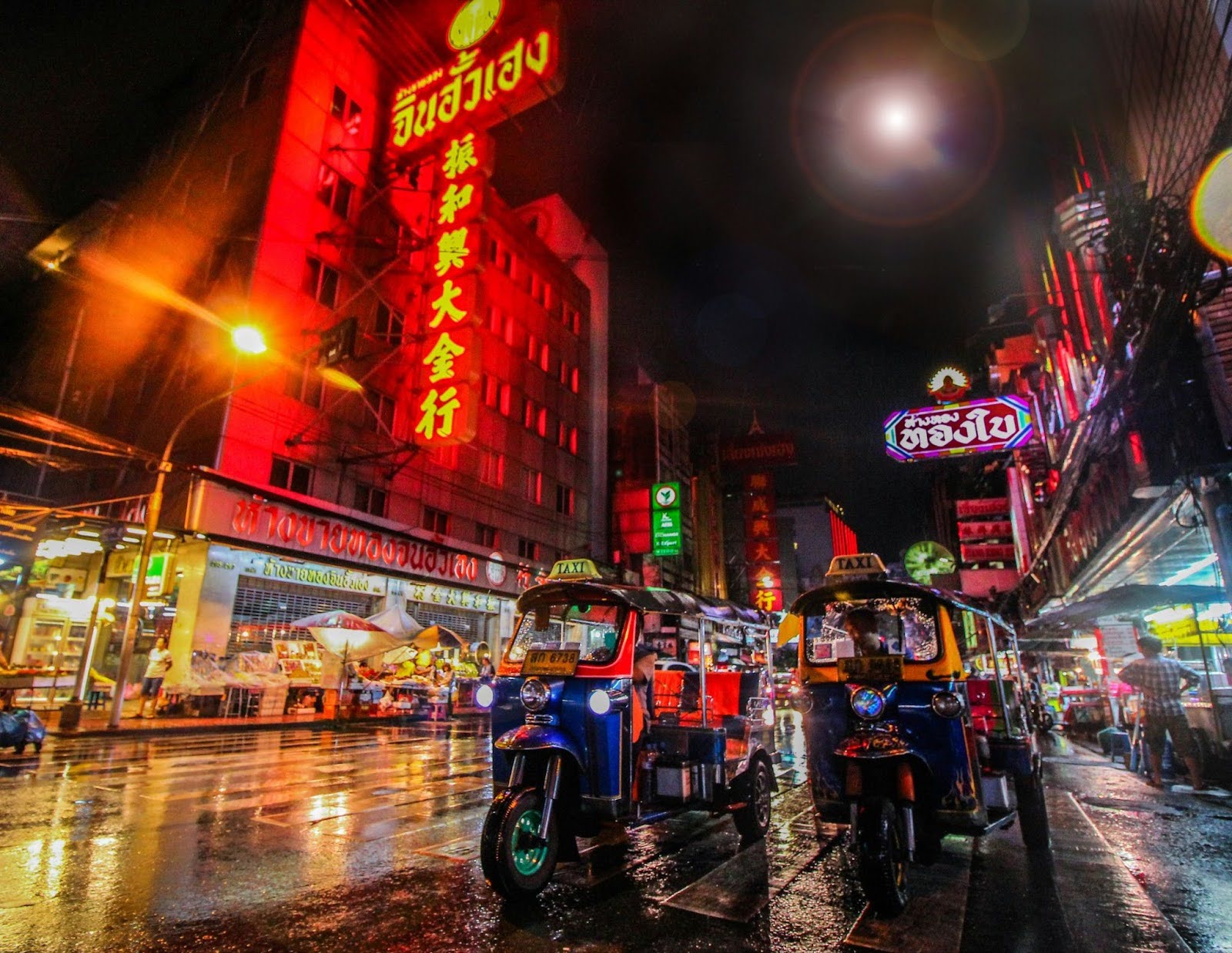
Beyond the Basics: Additional Considerations
- Pre- and Post-Procedure Stay: Factor in additional hotel nights before and after your procedure for recovery and rest.
- Meals: Thailand boasts delicious, affordable street food and a wide range of restaurants to suit every budget.
- Activities & Excursions: From temples to beaches, budgeting for activities enhances your trip. Consider your post-procedure limitations.
- Transport within Thailand: Budget for domestic flights/trains if visiting multiple areas.
Tips for Saving Money
- Travel Off-Season: Shoulder seasons (before/after peak tourism times) offer lower flight and accommodation rates.
- Local Experience: Embrace street food vendors and local transport options to keep daily costs down.
- Package Deals: Investigate bundling flights and hotels for potential savings.
All-Inclusive Options
While Thailand isn’t as widely known for all-inclusive resorts as some other medical tourism destinations (like Mexico or the Dominican Republic), you can still find some all-inclusive options, particularly in popular beach destinations like Phuket and Koh Samui. Here is a breakdown:

Thailand and All-Inclusive Resorts
- Limited Availability: All-inclusive resorts are not the norm in Thailand. Most hotels operate on a traditional basis (room only, breakfast included, etc.).
- Focus on Flexibility: Thailand caters to a diverse range of travelers, and flexibility in meal plans is often preferred.
- Alternatives: Package Deals: Consider package deals that bundle flights and accommodations. Some hotels might offer add-on options like meals or activities.
Who Might Benefit from All-Inclusive Options
- Short Stays and Recovery: An all-inclusive option can simplify budgeting and meal planning if you’re planning a short medical tourism trip focused on recovery at a beach destination.
Things to Consider Before Booking All-Inclusive
- Limited Choices: The selection of all-inclusive resorts in Thailand is smaller compared to other destinations.
- Explore All Options: Weigh the pros and cons of all-inclusive against other hotel options with flexible meal plans. Consider how much freedom and exploration you desire during your stay.
- Hidden Costs: All-inclusive might not necessarily include everything. Review the specific inclusions and exclusions carefully (e.g., premium drinks*, spa services, excursions).
*Remember to consult your medical specialist before consuming alcoholic beverages following any medical procedure.
All-inclusive resorts can be a convenient option in Thailand, but they are not as prevalent. Exploring other hotel options with flexible meal plans might offer more freedom and potentially lower costs, especially for more extended stays.
One of the greatest benefits of medical tourism in Thailand is the opportunity to combine your treatment with unforgettable experiences. Plan accordingly, taking your health and recovery needs into account, and prepare to immerse yourself in Thailand’s vibrant culture, stunning landscapes, and the warmth of its people.
Quality Care: Thailand Balances Cost with Competence
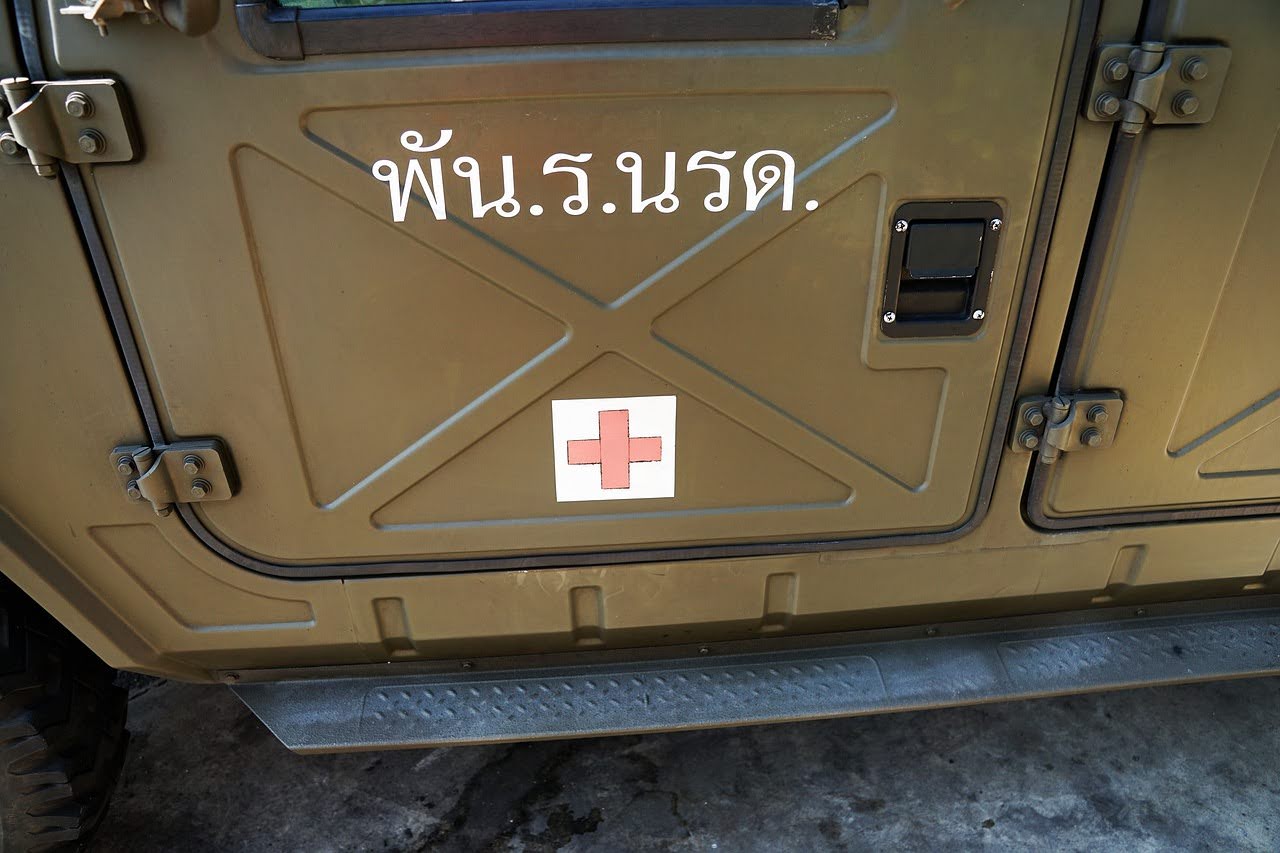
Modern Facilities and Technology
Thailand boasts state-of-the-art medical facilities, particularly in Bangkok and other major cities. These are equipped with the latest technologies and staffed by highly qualified professionals, ensuring access to cutting-edge treatments and procedures.
Internationally Trained Doctors
Many Thai doctors and surgeons receive training in the US, Europe, or other developed nations, bringing world-class expertise back to their home country. This contributes to the high standard of care available in Thailand’s leading hospitals.
Patient-Centered Approach
Thailand’s medical tourism sector prioritizes patient experience. Private hospitals often focus on providing English-speaking staff, comfortable environments, and personalized attention to ensure foreign patients feel at ease during their medical journey.
World-Class Facilities
Here are some of Thailand’s renowned medical facilities at the forefront of medical tourism:
- Bumrungrad International Hospital: A leading medical center in Bangkok, internationally recognized for its exceptional quality and comprehensive services.
- Samitivej Hospitals: Offers cutting-edge medical expertise and emphasizes patient-centered care, with locations in Bangkok and other major cities.
- Phuket International Hospital: Caters to medical tourists in the popular destination of Phuket, providing a blend of advanced healthcare and a relaxing environment.
- Yanhee International Hospital: Known for its specialization in cosmetic surgery, plastic surgery, and dermatology treatments.
- Phyathai Hospitals Group: A well-established network with several hospitals in Bangkok, offering a broad range of specialties. Phyathai 2 International Hospital is particularly known for its advanced technology and multidisciplinary approach.
- Praram 9 Hospital: Specializes in orthopedics, spine surgery, sports medicine, and rehabilitation. Draws many international patients seeking expertise in musculoskeletal treatments.
- Ramkhamhaeng Hospital: A large private hospital offering comprehensive services, including cardiology, oncology, and a dedicated international patient center.
- BDMS Wellness Clinic: Focuses on preventative medicine, wellness, anti-aging therapies, and aesthetics. Combines cutting-edge technology with personalized health assessments and treatments.
- Bangkok Hospital Pattaya: Located in the popular beach destination, this hospital offers a full range of medical services and caters to the large expat community in the area.
- Chiangmai Ram Hospital: A leading private hospital in Northern Thailand, offering advanced treatments in fields like oncology, cardiology, and neurosurgery.
Bangkok Hospital Phuket: Provides quality care in a prime tourist location, with specializations in cosmetic surgery, orthopedics, and wellness programs.
Thailand’s Unique Appeal
Beyond its modern medical system, Thailand’s allure lies in its ability to combine affordable, high-quality treatment with the opportunity for a rejuvenating and culturally enriching experience. From pristine beaches and ancient temples to bustling cities, Thailand offers the perfect backdrop for a transformative journey of healing and adventure.
What Medical Procedures and Healing Practices Does Thailand Specialize In?
Medical tourism in Thailand transcends mere cost savings. The country offers a unique blend of medical treatment and cultural immersion, creating a holistic healing experience. Patients can combine their procedures with rejuvenating spa treatments, explore ancient temples, and indulge in delectable Thai cuisine, fostering a sense of well-being beyond just the medical intervention. This integration of medical care with cultural exploration can contribute to faster recovery and a more positive overall experience.
Americans might consider orthopedic surgery in Thailand for several reasons. Thailand offers significant cost savings on procedures like knee or hip replacements, often 50-70% lower than in the US. They also boast JCI-accredited hospitals with experienced orthopedic surgeons and modern facilities, ensuring quality care. Thailand’s patient-focused approach in medical tourism makes the experience comfortable and less stressful. Additionally, with the extended recovery time needed for orthopedic procedures, the option to recuperate in Thailand’s beautiful and affordable setting, potentially combining it with a relaxing vacation, can be highly appealing. However, it’s crucial to prioritize meticulous research into specific hospitals and surgeons, coordinate post-procedure care with your US-based doctor, and thoroughly understand the procedure’s risks and recovery timeline.
Americans consider cosmetic surgery in Thailand due to the significant cost savings, high-quality care offered by JCI-accredited hospitals with skilled surgeons, focus on patient comfort, and expertise in popular procedures. The chance to combine top-tier medical treatment with the allure of a Thai vacation filled with stunning beaches, cultural exploration, and relaxation is a significant draw. However, thorough research on facilities and surgeons, realistic expectations, and careful planning of both medical and travel logistics are essential for a successful and positive cosmetic surgery experience in Thailand.

Modern Treatment
Thailand has become a hub for medical tourism, attracting patients seeking both elective and necessary procedures at affordable costs. Here is a look at some of the most popular choices:
Cosmetic Procedures
- Rhinoplasty: This procedure refines the shape of the nose, addressing concerns like size, bridge height, and tip projection. Thailand offers skilled surgeons at competitive prices, making it a popular choice for this procedure.
- Blepharoplasty: This eyelid surgery addresses concerns like drooping eyelids, bags under the eyes, and sagging eyebrows, creating a more youthful appearance. Thailand’s expertise and affordability make it a popular destination for this procedure.
- Breast Augmentation: This procedure enhances breast size and shape, and Thailand offers a wide range of implant options and skilled surgeons at lower costs compared to Western countries.
- Liposuction: This procedure removes unwanted fat deposits from specific areas of the body, and Thailand’s skilled surgeons and competitive prices attract many patients seeking this body contouring option.
- Dental Veneers: These thin shells of porcelain or composite resin are bonded to the front of teeth to improve their appearance, and Thailand’s skilled dentists and lower costs make it a popular choice for this cosmetic dental procedure.
Other Popular Elective Procedures
- LASIK Eye Surgery: This laser procedure corrects vision problems like nearsightedness, farsightedness, and astigmatism, and Thailand offers skilled surgeons and advanced technology at competitive prices.
- Weight Loss Surgery: Procedures like gastric bypass and sleeve gastrectomy are popular in Thailand due to the expertise of surgeons and lower costs compared to Western countries.
- Hair Transplant: This procedure addresses hair loss by transplanting hair follicles from a donor area to a balding area. Thailand’s skilled surgeons and competitive pricing attract patients seeking this solution.
Necessary Procedures in Thailand
While Thailand is known for its elective procedures, it also offers high-quality care for necessary medical procedures at lower costs compared to many Western countries. Some popular choices include:
Orthopedic Procedures
- Joint replacements: Replacing worn-out hip, knee, or shoulder joints is a common procedure in Thailand due to its affordability and skilled surgeons. This can significantly improve mobility and quality of life for patients suffering from arthritis or other joint issues.
- Spinal surgeries: Procedures like laminectomy, discectomy, and spinal fusion are offered in Thailand, addressing conditions like herniated discs, spinal stenosis, and scoliosis.
- Fracture repair: Fixing broken bones with internal fixation devices or casts is widely available in Thailand at a lower cost compared to many Western countries.
Cardiac Procedures
- Valve replacements: Replacing damaged heart valves can improve heart function and quality of life. Thailand offers this procedure at lower costs, with skilled surgeons and advanced technology in top hospitals.
- Bypass surgeries: Coronary artery bypass grafting (CABG) addresses blocked arteries and improves blood flow to the heart. Thailand offers this procedure at a significant cost saving compared to many Western countries.
- Angioplasty and stenting: This minimally invasive procedure opens narrowed arteries and improves blood flow. Thailand offers it at a lower cost compared to Western countries.
Other Popular Non-Elective Procedures
- Gastrointestinal surgeries: Procedures like laparoscopic cholecystectomy (gallbladder removal) and hernia repair are available in Thailand at lower costs.
- Urological surgeries: Procedures like cystoscopy (bladder examination) and prostate surgery are offered in Thailand.
- Gynecological surgeries: Procedures like hysterectomy (uterus removal) and ovarian cyst removal are available in Thailand.
- Cardiac Surgery: Procedures like valve replacements and bypass surgeries are available in Thailand at lower costs, with qualified surgeons and advanced technology in top hospitals.
- Oncology Treatment: Cancer treatments like chemotherapy and radiation therapy are offered in Thailand at significant cost savings compared to Western countries.
- Dental Care: Routine dental procedures and complex treatments like root canals and implants are available in Thailand at lower costs, with many skilled dentists offering high-quality care.
Traditional Healing Practices in Thailand
Thailand possesses a rich tapestry of traditional healing practices deeply ingrained in its history and spirituality. These practices often intertwine with Thai Buddhism and draw from ancient knowledge about the natural world. Let us explore some unique practices you might encounter in Thailand:
Traditional Thai Medicine (TTM):
Core Belief: TTM views health as a harmonious balance between the body’s elements (earth, water, fire, air). Illness stems from an imbalance.
Practices: Focuses on herbal remedies, therapeutic massage techniques, dietary guidance, and spiritual practices to restore harmony and promote healing.
Nuad Thai (Thai Massage):
Works on energy channels (“sen”) throughout the body, incorporating stretching, pressure point massage, and gentle manipulations. Aim is to relieve muscle tension, improve circulation, and restore energy flow.
Herbal Remedies:
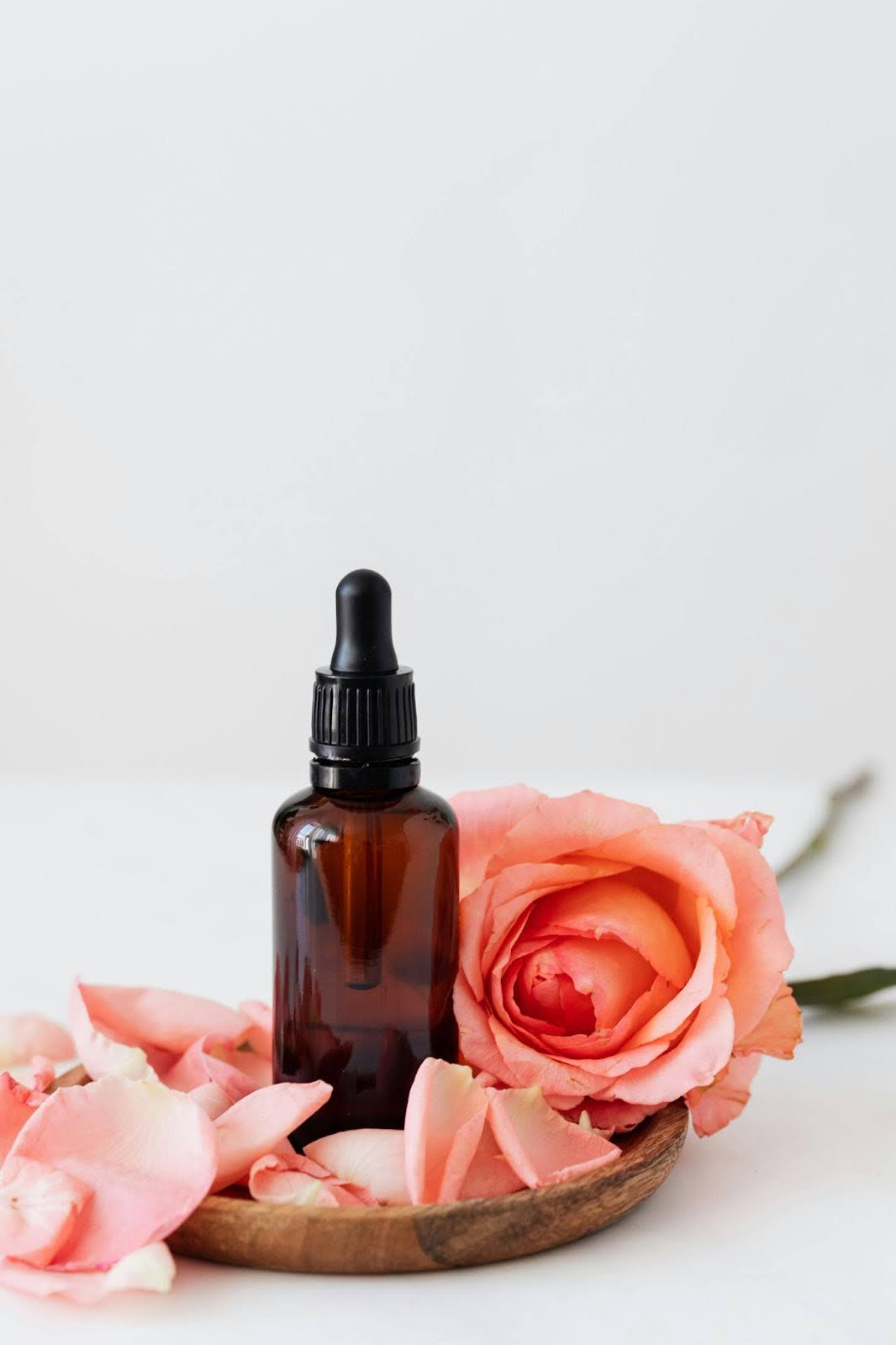
Thailand has a vast tradition of using herbs and plants for medicinal purposes. Common remedies include ginger for digestion, turmeric for inflammation, and lemongrass for stress relief.
Herbal Shops & Markets: Discover traditional markets or dedicated herbal shops where knowledgeable vendors offer a wide range of herbs, teas, and concoctions.
Spiritual Practices:
Traditional healing often incorporates Buddhist practices like meditation, mindfulness, temple visits, and offerings. These aim to address the emotional and spiritual aspects of health.
Sak Yant Tattoos:
These traditional tattoos are believed to offer protection, power, and blessings. They are created by specialized tattoo masters following ancient rituals and incorporating geometric patterns and Buddhist imagery.
Substance Use Disorder Treatment in Thailand
Similar to its healthcare landscape, Thailand’s approach to treating substance use disorder (SUD) is evolving. Historically, a focus on punishment and incarceration dominated. However, a shift towards treatment and rehabilitation is gaining traction. Here is a breakdown of the current landscape:
Treatment Options:
- Public Rehabilitation Centers: Government-funded centers offer basic treatment programs, often incorporating military discipline and abstinence-based approaches. Outcomes can vary.
- Private Rehabilitation Centers: These facilities provide more comprehensive treatment plans, including therapy, counseling, and a range of evidence-based approaches.
- Monastery-Based Programs: Buddhist monasteries offer unique rehabilitation options, incorporating meditation, mindfulness practices, and spiritual guidance alongside work therapy and community support.
Wellness Retreats
Thailand stands as a haven for wellness retreats, offering diverse experiences to suit your needs. Here is what you might find:
Types of Wellness Retreats:
- Yoga & Meditation Retreats: Delve into yoga practices, guided meditation, and mindfulness exercises in serene settings, often near beaches or nestled in the lush northern hills. Prices start at around $150 per night.
- Holistic Retreats: These offer a 360-degree approach, with spa treatments, healing therapies, nutritious cuisine, and fitness activities. Find luxury options at higher price points ($200 – $600+ per night).
- Detox and Cleansing Retreats: Programs focus on detoxification through juice cleanses, specialized diets, yoga, and cleansing therapies. Prices typically range from $250 – $500 per night.
Muay Thai Training Retreats: Incorporate the traditional Thai martial art of Muay Thai with programs focused on fitness, discipline, and mindfulness. - Spiritual Retreats: Connect with Buddhist traditions, mindfulness practices, and temple visits, and may involve teachings from monks. Prices can range widely depending on the level of luxury.
Unique Offerings:
- Traditional Thai Medicine Focus: Some retreats offer programs rooted in TTM, with consultations, herbal therapies, and personalized wellness plans.
- Temple Stays: Experience a short stay at a Buddhist temple for a unique immersion into spiritual practices and contemplative life.
- Jungle or Mountain Settings: Seek retreats nestled in Thailand’s stunning natural landscapes for a peaceful and rejuvenating experience.
How to Find the Right Retreat:
- Define your goals: Prioritize whether you seek relaxation, detox, spiritual exploration, fitness, or a mix.
- Research locations: Consider beaches, mountains, or quieter cultural centers based on your preferences.
- Explore Retreat Websites: Learn about programs, philosophies, amenities, and pricing offered at various centers.
- Read Online Reviews: Gain insights from past guests’ experiences.
Important Note:
While traditional practices can be valuable, it’s crucial to consult with healthcare professionals for any health concerns. Prioritize evidence-based treatment methods alongside any complementary therapies you choose to explore.
Is Traveling to Thailand Safe for American Medical Tourists?
Thailand’s reputation as a leading medical tourism destination rests on its blend of quality healthcare, affordability, and stunning natural beauty. Yet, venturing to any foreign country for medical care raises legitimate questions about safety. This article will examine safety considerations for American medical tourists in Thailand, aiming to dispel myths, address realities, and empower informed decisions.

Dispelling Myths, Acknowledging Realities
Myth 1: Thailand is Unsafe.
Thailand enjoys a reputation as a generally safe country for tourists. Major cities and medical tourism hubs like Bangkok, Phuket, and Chiang Mai have a low violent crime rate compared to many Western nations. While petty theft can occur, it’s less prevalent than in some other tourist destinations.
Myth 2: Language Barrier is a Major Obstacle.
Many medical professionals in Thailand’s leading private hospitals catering to foreign patients speak English proficiently. However, communication challenges can still arise outside of these settings. Consider bringing a translator or utilizing translation apps to minimize misunderstandings.
Myth 3: Understanding Thai Culture is Unimportant.
While not essential for a short medical trip, understanding basic Thai customs and pleasantries can enhance your interactions. Learning a few greetings (“Sawasdee”) and gestures (the “wai”) demonstrates respect and fosters positive experiences.
Safety in Thailand's Major Medical Tourism Cities
Thailand’s most popular medical tourism destinations are considered quite safe for foreigners. Here is a closer look at a few key cities:
- Bangkok: The bustling capital offers a well-developed tourist infrastructure. Petty theft and scams can happen, particularly in crowded markets, so stay alert. Traffic can be chaotic, so exercise caution when crossing roads.
- Phuket: Thailand’s largest island is known for its beaches and relaxed atmosphere. Tourist areas are generally safe, but be mindful of your belongings and avoid isolated areas at night.
- Chiang Mai: This cultural hub in northern Thailand boasts a lower crime rate than Bangkok. However, petty theft can occur, and scams targeting tourists are possible.
- Pattaya: This coastal city is popular with tourists. Exercise caution in busy nightlife areas, and be wary of scams.
Additional Considerations
- Political Unrest: While uncommon, political protests can sometimes occur in Bangkok. Monitor news and travel advisories before your trip.
- Road Safety: Traffic accidents are a significant concern in Thailand. Opt for reputable taxi companies or ride-hailing apps with established safety records. Avoid renting motorcycles or scooters if inexperienced.
- Food and Water Safety: Tap water is generally unsafe to drink. Stick to bottled water and be mindful of street food if you have a sensitive stomach. Reputable hospitals will have safe food and beverage options.
- Natural Disasters: Thailand is occasionally prone to flooding, especially during the monsoon season. Research weather patterns before travel and monitor local warnings.
Safety Tips for Medical Tourists in Thailand
- Thorough Research: Choose JCI-accredited hospitals with a proven track record and expertise in your treatment area.
- Travel Insurance: Comprehensive insurance covers medical emergencies, trip cancellations, and lost belongings.
- Trusted Companions: Traveling with a family member or friend offers additional support and security.
- Staying Informed: Check travel advisories (like the US State Department’s website) for updated safety information on Thailand.
- Awareness of Surroundings: As in any destination, be mindful of your belongings and avoid isolated areas, especially at night.
Embracing Thailand with Confidence
Thailand offers a welcoming environment for medical tourists. While exercising common-sense precautions is always wise, the country’s focus on tourism promotes a safer experience. By carefully choosing your destination, prioritizing reputable hospitals, and following basic safety guidelines, you can navigate Thailand confidently and make the most of your medical tourism journey.
Cultural Enchantment and Additional Benefits of Medical Tourism in Thailand
As a medical tourism destination, Thailand’s allure extends far beyond its renowned healthcare system. Embarking on a medical trip to Thailand unlocks a gateway to a vibrant culture where ancient traditions meet modern comforts. This confluence of quality medical care and immersive cultural encounters creates a unique opportunity for personal growth and healing on multiple levels.
Thai Values: Understanding the "Land of Smiles"
Thailand’s nickname, the “Land of Smiles,” reflects the warmth and hospitality embedded in Thai culture. Understanding some core values will enhance your experience and create deeper connections during your stay:
- Sanuk (สนุก): Finding Joy in the Everyday: Thais find joy in simple pleasures, fostering a lighthearted and fun-loving approach to life. Embrace this by relaxing, enjoying local food, or engaging in playful interactions.
- Kreng Jai (เกรงใจ): Consideration, Respect, and Humility. Thai culture emphasizes respect for others, particularly elders. Mindful interactions, a gentle tone of voice, and modest clothing choices demonstrate awareness of these values.
- The Wai: A Gesture of Greeting and Respect: The “wai” (a slight bow with palms pressed together) is a customary greeting and shows respect. Offering a wai to your doctors, hospital staff, or locals you interact with is a kind gesture.
Culinary Adventures: A Delicious Exploration of Thai Flavors
Thai cuisine is a symphony of flavors – a delightful balance of sweet, salty, spicy, and sour. Each dish is an adventure for the palate. Here are a few things to keep in mind for a fulfilling culinary journey:
- Street Food Delights: Venture to local markets and explore the vibrant street food scene for an authentic, budget-friendly Thai food experience.
- Regional Specialties: Each region boasts its unique dishes. Thailand is a food-lovers paradise, from the fiery south curries to the north’s milder flavors.
- Embrace the Spice: Thai cuisine is known for its generous use of chili peppers. Be mindful of your spice tolerance, or ask for “mai pet” (“not spicy”) if you prefer less heat.
- Beyond Pad Thai: While delicious, pad thai is just the tip of the iceberg. Explore dishes like Khao Soi (creamy curry noodles), Tom Yum Goong (spicy-sour shrimp soup), and Massaman curry for a deeper dive into Thai cuisine.
Spiritual Traditions: Finding Peace and Harmony
Thailand is primarily a Buddhist nation, and the influence of Buddhism is visible throughout the country. Here is how to experience its spiritual side:
- Temple Visits: Ornate temples (known as “wats”) are not just architectural marvels but active centers of worship. Visit respectfully, dress modestly (shoulders and knees covered), and observe the quiet, contemplative atmosphere.
- Making Merit: Thais believe in “tham bun” (making merit) through acts of kindness and generosity. Offering food to monks, donating to temples, or simply performing a selfless deed are ways to engage in this tradition.
- Meditation and Mindfulness: Many temples offer short-term meditation retreats or classes for visitors. Even a short introduction to mindfulness practices could be a beneficial addition to your healing journey.
Cultural Nuances: Tips for Seamless Interactions
Understanding a few cultural norms helps create positive interactions during your medical tourism trip:
- The Importance of “Face”: Thais avoid overt confrontation or causing someone to lose face in public. Be patient, maintain a calm demeanor, and avoid raising your voice in frustration.
- Wai as a Greeting: While not always expected from foreigners, offering a wai shows respect and appreciation, especially to elders or those in positions of authority.
- Removing Shoes: Always remove shoes before entering temples, homes, and even some businesses. Look for cues like a pile of shoes by the door.
- Respect for the Monarchy: The Thai royal family is deeply revered. Avoid any critical remarks or disrespectful behavior.
- Bargaining with a Smile: Bargaining in markets is acceptable, but do so with a smile and playful demeanor. Aim for a win-win situation rather than trying to squeeze the absolute lowest price.
Top Destinations: Combining Treatment and Exploration
Thailand’s diverse landscapes offer enriching experiences to complement your stay. Here are a few popular destinations blending medical care and cultural exploration:
Established Favorites
- Bangkok is a dynamic metropolis where ancient temples and modern skyscrapers coexist. Top-notch hospitals offer medical expertise, and historical attractions like the Grand Palace, vibrant street markets, and lively nightlife are nearby.
- Chiang Mai: is nestled in northern Thailand, known for its relaxed atmosphere, majestic temples, and lush mountainous surroundings. It is an ideal choice for those seeking a slower pace and connection to nature.
- Phuket and Krabi: Picture-perfect beaches, crystal-clear waters, and island hopping adventures. Combine medical care with luxurious resorts and a rejuvenating coastal holiday.
- Koh Samui is an island paradise with idyllic beaches, coconut groves, and a blend of high-end resorts and laid-back charm.
Hidden Gems
- Pai: A charming mountain town in northern Thailand, popular with backpackers and those seeking a bohemian vibe. Enjoy waterfalls, hot springs, cafes, and a tranquil escape from the city.
- Koh Lanta: A laid-back island with a long coastline, offering pristine beaches, national park exploration, and a focus on eco-tourism and community-based travel experiences.
- Chiang Rai: Home to the dazzling White Temple (Wat Rong Khun), this northern city offers a blend of traditional temples and contemporary art installations. Escape the crowds and explore picturesque landscapes.
- Isaan Region: Experience Thailand’s authentic heartland, known for its welcoming locals, spicy food, and traditional festivals. Explore ancient Khmer ruins and immerse yourself in rural villages.
Tailored to Your Interests
- Ayutthaya: The former capital of Thailand, home to captivating ruins and temples offering a glimpse into Thailand’s rich history. Ideal for history buffs.
- Khao Sok National Park: Explore one of the world’s oldest rainforests, with towering limestone cliffs and exotic wildlife, and go hiking and kayaking. This park is perfect for nature lovers and adventure enthusiasts.
- Hua Hin is a seaside resort town favored by both locals and tourists. It offers beaches, golf courses, bustling night markets, and a relaxed coastal atmosphere.
- Kanchanaburi: Discover the historical significance of the River Kwai and the Death Railway, and pay respects to WWII memorials and museums. Combine with exploring nearby national parks and waterfalls.
The Transformative Power of Thailand
Thailand’s healthcare system emphasizes both domestic and international needs. The revenue generated by medical tourism helps fund advancements in medical technology and infrastructure, ultimately benefiting Thai citizens as well. Additionally, medical tourism can create jobs and stimulate the local economy, contributing to overall development. Open communication, ethical practices, and reinvestment of profits back into the healthcare system are crucial to ensure equitable access to quality care for all.
Medical tourism in Thailand presents a compelling opportunity for individuals seeking high-quality medical care at an affordable price. While careful research and due diligence are paramount, the potential benefits – from significant cost savings to a unique cultural experience – make Thailand a viable option for many. As the industry continues to evolve, prioritizing ethical practices and ensuring equitable access to healthcare will be crucial for Thailand to maintain its position as a leader in medical tourism while delivering on its promise of smiles and second chances for patients worldwide.