
Medical Tourism In The United Arab Emirates
The United Arab Emirates (UAE), known for its hypermodern cities and soaring skyscrapers, has steadily grown into a global destination for medical tourism.
It has done this through a combination of investment in healthcare infrastructure, extensive training and support of its medical professionals, and partnerships with world-renowned hospitals and universities.
Many Emirati doctors travel the world, gaining experience and knowledge, then return home to care for their own nation – at a fraction of the cost of American doctors.
Questions Americans Ask About Medical Tourism in the UAE
Whether it’s your first time seeking medical treatment abroad, or you’re simply exploring other potential destinations, this article aims to cover everything you need to know about the United Arab Emirates. Below are some of the frequent questions people have when exploring treatment options in the United Arab Emirates.
How much can I save on medical procedures in the UAE?
Typical cost savings range between 20% to 40%, but many procedures can provide up to 80% discounts compared to their United States counterparts. Specific savings will vary widely based on the procedure, the specific doctor, and the extent of the work.
Is the UAE’s healthcare system safe and reliable?
What are the most popular medical tourism procedures in the UAE?
Does the UAE offer traditional or holistic medicine alongside Western treatments?
Is traveling to the UAE for medical tourism safe?
Due to its location on the Arabian peninsula, the U.S. Embassy has issued a cautionary warning for the risk of terrorism. While there have been no such attacks on tourists in modern times, check with the U.S. Embassy before scheduling your trip for additional and up-to-date information.
Will I be able to communicate with the doctors in English?
Is my US health insurance valid in the UAE?
Most US health insurers don’t cover medical procedures abroad. If a provider accepts US insurance, they will list it on their website. It may be worthwhile to purchase additional medical insurance for emergencies if you will be traveling extensively.
To learn about finding an international insurance plan that’s right for you, see Finding The Right Insurance for Your Medical Tourism Adventure
What about follow-up care after a procedure?
What if complications occur after I return home?
What is the Visa process for Americans visiting the UAE?
For Americans visiting the UAE, no advanced visa arrangements are necessary. When you disembark the plane and proceed to immigration, your passport will be stamped with a 30-day visa at no cost to you. If you are planning to stay longer, you can request to extend your stay through the local immigration office.
There are two requirements for obtaining this visa:
- An original passport that ideally does not expire within 6 months of your arrival in the UAE.
- An airline ticket to another nation, or a round-trip ticket out of the country.
How do I find a reputable medical tourism provider in the UAE?
Second, research the doctors and the specific hospital or treatment center. Verify their educational background, experience, and certifications. While most doctors are well qualified, caution can protect you from potentially bad actors.
And finally, look for patient testimonials and reviews. These will tell you factors not covered in certifications and degrees. Watch for questions about how well they treated their patient, how the patient healed, and whether the patient would return for more operations.
What are some things to consider culturally when visiting the UAE?
The UAE has a rich cultural tradition that stems from its Arabic and Islamic heritage. While there are no religious obligations for non-Muslims, this tradition takes hold in many social norms.
- Dress conservatively. Despite the heat, men and women should generally wear clothing that covers the tops of their arms and legs, including the knees. While this isn’t a legal requirement, locals will appreciate your discretion, and your experience will be smoother.
- Alcohol is not permitted in public. Drinking is kept to a minimum in public spaces, limited to homes or very specific and pre-approved environments.
- Public displays of affection are kept to a minimum. Even holding hands in public can cause social affront, and may get you into legal trouble. Avoid kissing or being physically intimate with your partner unless you are in private.
The Details of Medical Tourism in UAE
So why the United Arab Emirates? What makes it special? How much can you save? And if you plan on taking a medical trip to the region, what do you need to know?
Below, we answer these questions, providing specific insights and details as to how you can plan your medical journey today.
Emirati Medical Procedures
The UAE offers virtually all of the same medical services as their U.S. counterparts, often at an even higher level of quality and training. Due to a lower cost of living, decreased demand, and government support, they are able to offer these services at a greatly reduced cost.
Yet while many people know that healthcare is expensive in the United States, it’s sometimes hard to put that into context. So below, we’ve created a chart comparing the cost of major medical procedures between the United States and the United Arab Emirates.
While the savings will vary based on the specific surgery, the facility, and the doctor you approach, these broad guidelines highlight that the potential savings are often upward of 50%, and sometimes provide more than a 75% discount.
| Procedure | Average Cost in USA | Average Cost in UAE | Potential Savings |
|---|---|---|---|
| Knee Replacement | $35,000-$55,000 | $20,000-$30,000 | 40% - 50% |
| Hip Replacement | $30,000-$60,000 | $21,000-$25,000 | 30% - 50% |
| Heart Surgery | $37,000-$200,000 | $25,000-$80,000 | 30% - 60% |
| Chemotherapy | $1,500-$15,000 | $1,000-$9,000 | 30% - 40% |
| Spinal Fusion | $100,000-$150,000 | $8,000-$40,000 | 60% - 80% |
| LASIK | $4,000-$6,000 | $1,800-$2,500 | 40% - 50% |
| Gastric Bypass Surgery | $25,000-$35,000 | $5,000-$15,000 | 40% - 80% |
| Cataract Surgery | $3,000-$6,000 | $2,500-$4,500 | 15% - 25% |
| Gallbladder Removal | $8,000-$15,000 | $6,000-$8,000 | 25% - 40% |
| Bone Marrow Transplant | $100,000-$300,000 | $75,000 - $200,000 | 25% - 33% |
| Dental Crowns | $1,000-$2,500 | $700-$2,000 | 20% - 30% |
| Veneers | $900-$2,500 | $400-$1,100 | 50% - 55% |
| In Vitro Fertilization | $15,000-$25,000 | $5,000-$10,000 | 60% - 70% |
| Hysterectomy | $10,000-$20,000 | $3,500-$9,000 | 50% - 65% |
| Hernia Repair | $6,000-$12,000 | $2,500-$6,500 | 45% - 55% |
Plastic Surgery Procedures
Among the many reasons medical tourists visit the United Arab Emirates is for its world-renowned plastic surgeons. Dubai is the plastic surgery hub of the Middle East, and in addition to significant cost savings, it comes with industry-leading trust and expertise.
However, as with traditional medical procedures, the cost savings for plastic surgery can vary widely based on the specific provider and extent of the service.
| Procedure | Average Cost in USA (USD) | Average Cost in UAE (USD) | Average Savings |
|---|---|---|---|
| Breast Augmentation | $7,000-$12,000 | $5,000-$10,000 | 20% - 25% |
| Hair Transplant | $7,500-$8,000 | $3,000-$5000 | 35% - 60% |
| Liposuction | $6,000-$10,000 | $3,000-$4,000 | 50% - 60% |
| Facelift | $10,000-$15,000 | $6,800-$10,000 | 30% - 35% |
| Tummy Tuck | $10,000-$18,000 | $6,000-$12,000 | 30% - 40% |
| Brazilian Butt Lift | $6,500-$10,000 | $5,000-$7,000 | 20% - 30% |
| Buccal Fat Removal | $3,000-$4,000 | $3,500-$4,500 | 10% - 15% |
| Cosmetic Rhinoplasty (Nose Job) | $8,000-$15,000 | $5,500-$8,000 | 30% - 45% |
| Neck Lift | $8,700-$9,700 | $6,000-$7,000 | 25% - 30% |
Understanding Travel to the United Arab Emirates
Visiting the United Arab Emirates for medical care may be the perfect fit for you. But medical costs aren’t the only factor. It’s important to consider all parts of travel when planning your overall budget.
The United Arab Emirates weather fluctuates dramatically throughout the year, and this will heavily impact travel costs. A four-star hotel in the summer may only cost $30 a night – that same hotel can run upwards of $150 during the winter when the weather is cooler. Similarly, airfare can spike during these months, sometimes as much as 40%.
| Destination | Approx. Air Fare | Hotel / Night | Daily Spending | Weekly Spend |
|---|---|---|---|---|
| Dubai | $1,100 - $1,500 | $50 - $400 | $250 - $400 | $1,750 - $3,800 |
| Abu Dhabi | $1,200 - $1,600 | $70 - $300 | $150 - $300 | $1,300 - $2,400 |
| Sharjah | $1,200 - $1,500 | $40 - $200 | $150 - $300 | $1,300 - $2,200 |
| Al Ain | $1,100 - $1,300 | $40 - $100 | $125 - $280 | $1,100 - $2,100 |
The Weather
The United Arab Emirates is positioned in a unique location. On one side, the Arabian Desert, dry and scorched outside of a few scattered oases. On the other, a lush ocean and coastline, teeming with cities and life.
The first thing to know about the UAE is that it is hot. This heat will play a role in all of your travel considerations, from when you go, to how you dress, and to the activities you will plan.
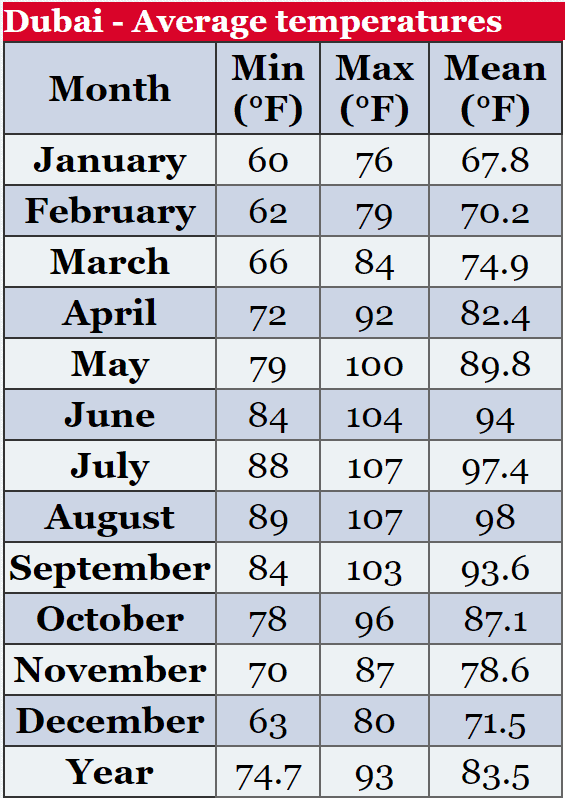
Weather in the UAE is less extreme than many Americans at first expect. Below is a chart containing the average temperatures by month over the last 30 years. In the coldest month, January, the temperature often averages in the 70’s. In the Summer, these temperatures can easily exceed 100 degrees, frequently peaking at or beyond 120 degrees. However, all major cities in the UAE are equipped to handle this heat, with extensive shade, air conditioning, and water available.
Indeed, the most extreme heat typically only hits during the summer months, between June and September. The rest of the year, while warm, is much more balanced, with average temperatures in the 70’s and 80’s.
One topic that often concerns travelers is the large sandstorms that can sometimes spiral up in Dubai or other cities throughout the UAE. But these are far less common than you might be led to believe. While a few sandstorms happen each year, typically they only last for a day or two. Major sandstorms are rare, and most only have minor impact when they occur.
When planning a trip to the UAE, be sure to factor the weather into your considerations. It’s important to weigh the pros and cons of visiting during a specific time. If you intend to do a lot of outdoor excursions, then the summer months may not be for you. If instead, you want to stay at the pool or explore indoor options, then the discount offered by the heat of summer may be a perfect fit.
Accommodation
Finding the right accommodation is largely a matter of when you choose to schedule your medical trip. During the winter months, prices will be much higher, with many hoping to visit Dubai with cooler temperatures. As summer creeps in, those prices begin to fall.
Budget
Budget options in UAE largely depend on when you are going. During summer months, even 4-star hotels can be as low as $30 dollars a night. Smaller hostels may be available during winter months for the same price but will vary depending on the city.
Mid-Range
Mid-range options are 3 or 4-star hotels that typically run between $100 to $200 per night, and fluctuate the most based on the weather. However, while the mid-range options are significantly cheaper during the Summer, they remain relatively affordable even during peak travel windows.
Luxury
The UAE is known for its exalted luxury experiences, and hotels are no exception. These can run upward of $2,000 per day. The luxury options tend to be expensive regardless of when you visit, though there may be price spikes during holidays.
Daily Spending
This is essentially the average amount you intend to spend each day you are in the UAE and encompasses both essential expenses and fun.
Food
The cost of food will vary largely depending on the type of dining experience you want. If you are open to eating at affordable or local options, then you can save a significant amount of money. However, if you want fine dining consistently, this can quickly grow expensive. Dubai and Abu Dhabi in particular are known for their high-end restaurants and dining experiences.
Transportation
In the UAE, public transportation is inconsistent. Within a city, it tends to be fantastic. For example, Dubai has extensive transit systems available for use. However, if you intend to travel between cities or explore the countryside, it is important to rent a vehicle.
Excursions
The cost of daily excursions will depend on what you want to do. While tickets to guided tours and museums are relatively inexpensive, safari trips or island-hopping tours can rapidly increase your daily cost.
The Cost of Airfare
Your airline ticket price will depend on many factors, most prominently where you depart and the time of year. Booking flights in advance may help, but this is not guaranteed.
Departure Location: Prices will vary widely depending on where you depart within the United States. A flight from a major international airport will often be significantly cheaper than a smaller one, and coastal airports are even cheaper still.
Travel Dates: Peak travel season (winter and spring months) will generally be the most expensive, with prices increasing as travelers aim to take advantage of cooler temperatures. Religious holidays in particular can cause large spikes in pricing, due to the cultural significance of the Arabian peninsula to Islam.
Sample Cost Breakdown and Budget
Below, we provide an example budget for a 2-week trip to Dubai, calculated as departing from Dallas, Texas, on August 24th, 2024. Keep in mind that prices may fluctuate based on a variety of factors.
| Item | Cost |
|---|---|
| Airfare | $850 |
| Accommodation | $560 |
| Food | $750 |
| Car Rental and Fuel | $250 |
| Daily Excursion Budget of $32/day | $450 |
| Hair Transplant | $4,000 |
| Total | $6,860 |
A typical hair transplant in the United States costs an average of $7,500. By traveling to Dubai, our hypothetical medical tourist was able to get the same procedure for only $4,000, while spending $2,860 on their trip. This brought them to a total of $6,860 for the experience.
This means that not only were they able to have a vacation along with their treatment – they were able to save nearly $700!
Additional Considerations
Length of Stay: The longer your stay, the higher the overall cost of your trip. Consider recuperation time after your procedure when calculating your trip duration, as well as time to enjoy the city and region before you begin any medical treatment.
Must-see Attractions or Experiences: Some experiences (like guided tours to ancient ruins, or day trips through the desert) cost more than others. Research before you go! If anything sounds like a bucket-list item, then you should prioritize it in your plan!
Tips for Saving on Travel Costs
- Brace yourself for the heat, and plan your trip for the Summer. This can cut your costs by more than half! Timing is everything
- Rent a cheap vehicle if traveling between cities rather than relying on public transportation or taxis
- Carefully plan and consider everything you want to do, so you can save money and time once in the UAE
- Explore budget-friendly dining options at local restaurants, instead of pursuing fine or luxury dining
Remember, your journey will have its unique considerations. If you’re unsure where a good place to stay might be, ask your doctor if they have any recommendations. They may even have local partnerships with hotels for medical tourists.
Top Hospitals in UAE – Finding the Best Care
Below are several of the highest-rated hospitals in the United Arab Emirates. It’s important to note that while these hospitals do have their own specialties, they offer a large continuum of care, and many of them have world-class experts across a variety of fields, including plastic surgery.
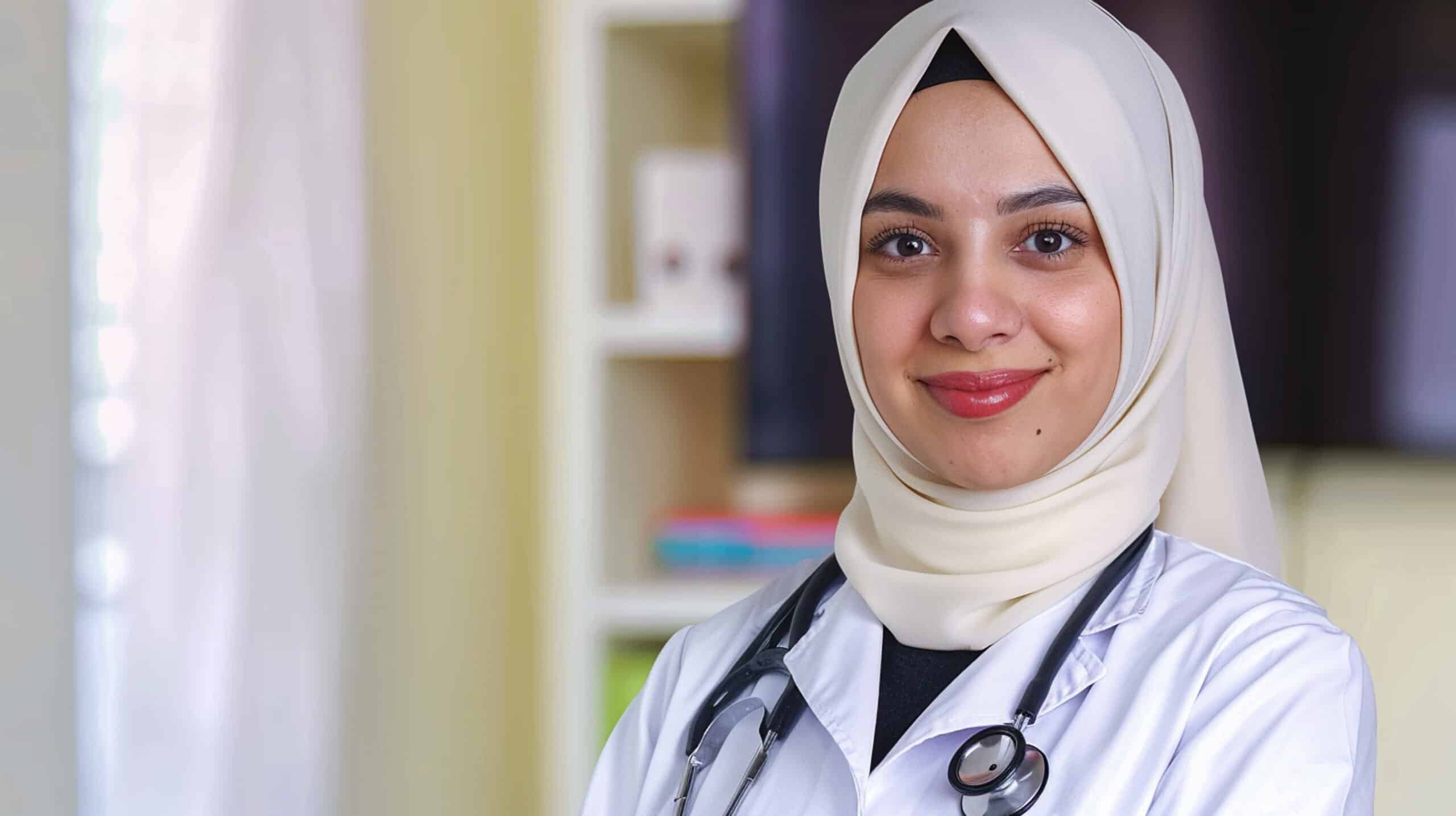
Cleveland Clinic Abu Dhabi
The Cleveland Clinic Abu Dhabi, located perhaps unsurprisingly in Abu Dhabi, is not only considered the highest-rated hospital in the UAE but is one of the highest-rated hospitals in the world. They have more than 50 medical and surgical specialties but particularly focus on heart and vascular treatment, neurology, digestive disease, and eye care.
Rashid Hospital
Operating in Dubai, Rashid Hospital has a similarly sterling reputation to Cleveland Clinic. They specialize in orthopedic surgery, cardiology, and emergency care, with one of the busiest and most effective trauma centers in the region.
American Hospital
American Hospital maintains more than 40 medical and surgical specialties, and its staff is fully American Board-certified. Stationed in Dubai, they specialize in cancer treatment (oncology), orthopedics, cardiovascular care, and pediatrics.
Sheikh Khalifa Medical City
Sheikh Khalifa Medical City (SKMC), based out of Abu Dhabi, specializes in acute care and surgery and supplements its primary facility with 14 outpatient specialty clinics. Managed by the world-renowned Cleveland Clinic, SKMC focuses primarily on acute operations and major surgery. Organ transplants, cardiothoracic surgery, oncology, and neurosurgery are its specialties.
Aster Hospital
Located in Dubai, Aster Hospital focuses on general medicine, alongside fundamental surgical care and treatment. While they have equally extensive specialists and experience, they are most renowned for their extensive rehab and diagnostic facilities, as well as their pediatric and gynecology services.
Tawam Hospital
The highest-rated hospital not in Abu Dhabi or Dubai, Tawam Hospital is based in Al Ain, an oasis city south of the coastline. While Tamwam maintains extensive specialists in a variety of fields, its main focus is oncology. They collaborate extensively with John Hopkins Medicine International on cancer treatments, research, and advice to other institutions.
Researching Further
When it comes to assessing the quality of a particular hospital or doctor, there are several additional steps you can take to ensure you find the treatment that’s right for you.
Make sure to find someone who specializes in your care. Talk to them beforehand, as many hospitals have online platforms or email services. If something is unclear, don’t be afraid to ask for clarification – it’s your health.
Look for accreditations. The JCI (Joint Commission International) is an international accrediting body. They work to confirm that the providers can offer a level of care that meets international norms and standards.
Research the doctors and the location. Verify their educational background, experience, and certifications. While most doctors are well qualified, caution can protect you from potentially bad actors. Look for patient testimonials and reviews. These will tell you factors not covered in certifications and degrees, and can provide insight into the type of treatment you might expect.
Guide to Medical Procedures
The United Arab Emirates, and especially cities such as Dubai and Abu Dhabi, have extensive medical infrastructure and treatment facilities. Virtually all surgeries available in America are also available in the UAE – in many cases, the UAE provides more treatment options than the United States, as it can approve effective treatments much more quickly.
Below are a sample of popular services the UAE specializes in but represent only a fraction of the procedures available.
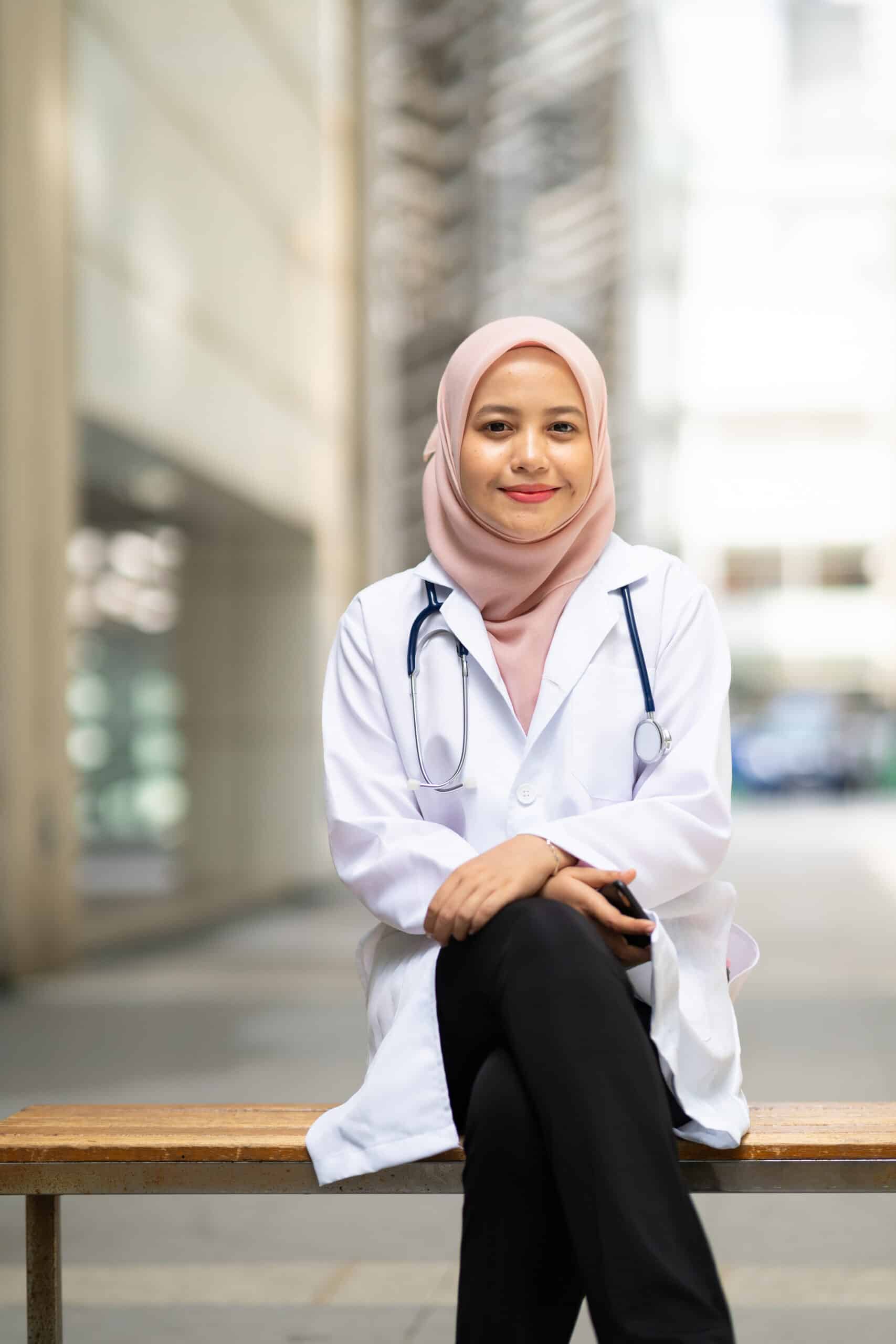
Cosmetic Surgery
Breast Augmentation
The UAE’s reputation for breast surgery, both reduction and implants, is unparalleled.
Body Contouring
While not the primary focus of UAE cosmetic procedures, their staff have extensive expertise with buccal fat removal, liposuction, tummy tucks, and Brazilian butt lifts.
Plastic Surgery
The world-class surgeons and experts in the “Beverly Hills of the Arabian Peninsula” are renowned for their work with cosmetic rhinoplasty (nose jobs), as well as face and neck lifts.
Dental Work
Dental Reconstructive Surgery
Many dental reconstructive surgeries are significantly cheaper in the UAE, while still coming with the accreditation and expertise of world-class physicians.
Cosmetic Dentistry
Many dentists in the UAE do extensive work with veneers, teeth whitening, and even orthodontics.
Dental Implants and Crowns
Dentists in the UAE often specialize in dental implants, as restoring missing teeth can be a part of their overall cosmetic work.
Cardiology
Coronary Artery Bypass Grafting
This major heart surgery is one of the many specialties of Emirati cardiologists, alongside other coronary bypass treatments. These life-saving treatments are done through a combination of modern and cutting-edge techniques and expert skill.
Minimally Invasive Cardiac Surgery
Many clinics in the UAE provide minimally invasive procedures, such as stent placements, maze procedures, or angioplasty.
Orthopedics
Joint Replacement Surgery
In these procedures, worn or damaged joints – commonly the hip or the knee – are replaced with high-quality artificial implants. These can restore mobility and function while reducing pain, at significant cost savings compared to the United States.
Arthroscopic Surgery
Many orthopedic clinics in the UAE specialize in arthroscopic surgery, taking a minimally invasive approach to joint diagnosis and repair.
Spine Surgery / Spinal Fusion
By fusing vertebrae or fixing other spinal disorders such as scoliosis or herniated discs, expert orthopedic surgeons in the UAE have a sterling reputation for spinal treatment and care, often at vastly reduced costs compared to their American counterparts.
Traditional Emirati Medicine
While the rapid development of the UAE has led to a surge in world-class modern healthcare, many doctors offer traditional Emirati medicine as a part of their services.
This is a blend of cultural and historical practices from across the Arabian peninsula, as well as many insights gained from Eastern medicine. There is a large focus on herbal and holistic approaches, with deep emphasis on connection to nature and spirituality. Dietary changes such as adding dates or honey are frequently a component of traditional treatment.
Additionally, cupping therapies, known as hijama, are believed to improve circulation and flush toxins from the body. This frequent practice often combines with other treatments such as massage and thermal therapy.
However, most established hospitals do not solely take this approach. Even doctors who specialize in traditional Emirati medicine will blend it with modern treatments, therapies, and surgeries. Traditional medicine is often viewed in a supportive role, seen to boost recovery and reduce the risk of complications, rather than the only approach to healthcare.
Safety Overview
The UAE has one of the lowest crime rates in the world. While many factors are involved in this, it is in large part due to their stringent laws and low poverty rate. This is coupled with a robust police presence and camera network.
That does not mean that no crime happens. Petty theft and scams do occur, and tourists in particular can be targets. And while the rural areas are also typically safe, there are far fewer police officers and government oversight in smaller cities or towns. However, even in these more isolated communities, the crime rate of the UAE remains one of the lowest in the world.
To avoid entanglement with UAE’s strict legal system, it’s important to be aware of which laws may apply. Several of the following are worth keeping in mind while you visit:
- Swearing in public is illegal. While this may come as a surprise to Americans visiting, the UAE penal code considers it illegal to swear in public, and you may face fines or prison time for doing so. Their legal code considers any social media posts as a part of the public space as well, so be cautious with your online activity!
- Eating or drinking on public transportation, especially during Ramadan. While this doesn’t come with a prison sentence, this will result in a fine, as well as general annoyance from those around you.
- Using a VPN. While many travelers turn to VPNs, or virtual private networks, to maintain their privacy abroad, the UAE has outlawed these services. Cybercrime laws are very serious in the UAE and can come with typically large fines or deportation.
- Taking photos of people without permission. The UAE takes its privacy laws very seriously, and many individuals have gotten into trouble by taking pictures that in Western nations would be permitted. Make sure you are not photographing people or their property without their permission, even by accident. This can result in jail time, fines, and deportation.
- Taking photographs of vehicular accidents or damage. Many laws passed in the UAE have to do with protecting the nation’s image. These regulations are very sensitive to pictures taken that could cause negative publicity, and photographs of car accidents or damaged property may get you in legal trouble.
The U.S. Embassy has issued a cautionary warning for the risk of terrorism for visitors to the UAE, due to its location on the Arabian peninsula. While there have been no such attacks on tourists in modern times, please check with the U.S. Embassy before scheduling your trip for further warnings.
Dispelling Myths
Myth 1: The United Arab Emirates is incredibly oppressive to women.
While Middle Eastern gender roles are still prevalent in the UAE, women experience larger degrees of freedom than in many other Arab nations. The UAE constitution guarantees equal rights for women, who can own property, vote, and pursue education freely. While more conservative dress is encouraged, there are no legal repercussions for wearing Western clothing, and women are allowed to move about comfortably.
Myth 2: The UAE is for wealthy people only.
While the UAE does have a large number of wealthy families and individuals, competitive and affordable pricing is available for most travelers. It is often cheaper to travel to and receive care in the UAE than it is in many European counterparts.
Myth 3: The UAE only speaks Arabic and doesn’t allow Christians.
The UAE is a cosmopolitan society, and most of the population speaks multiple languages, including English. Further, the UAE’s constitution protects individual religious freedom, and the UAE has hundreds of thousands of non-Muslims living in it today. However, their laws do forbid attempts to convert Muslims to Christianity or other religions.
Make the Most of Your Trip: Understanding Cultural Heritage
While it’s easy to focus on the cost savings and world-class medical care, the reality is that medical tourism offers the opportunity for so much more. The UAE is in the part of the world known as the “cradle of civilization”, and has a rich cultural heritage that spans thousands of years.
One of the major benefits of traveling to the UAE for medical care is to immerse yourself in the experiences and attractions unique to this region.
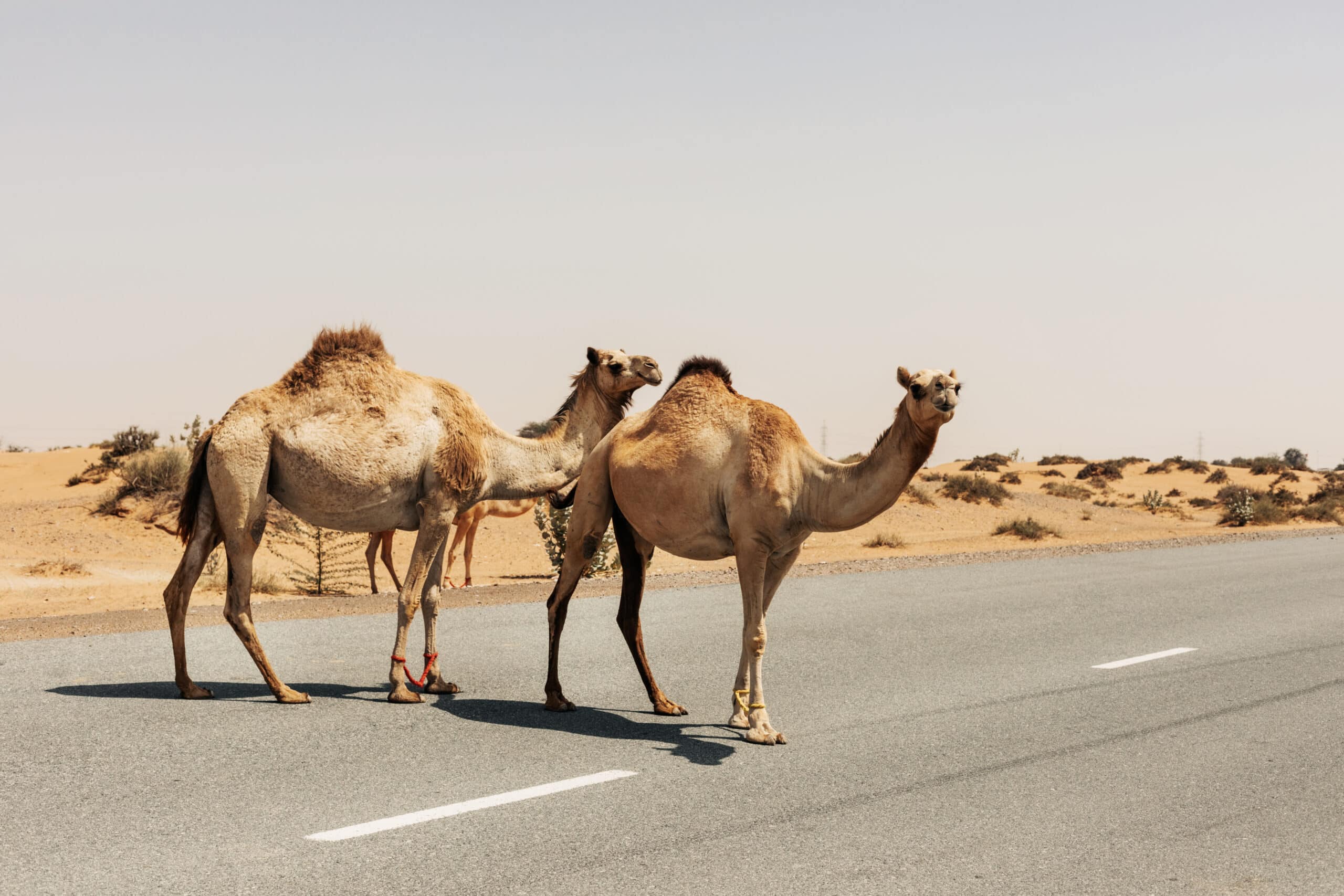
Understanding The Culture: Explore The UAE
The culture of the UAE is a broad mixture, a combination of traditional Islamic values with modern global influences. This creates a unique environment where ancient Arab culture and hospitality mix.
Islam is Everywhere
Islam permeates most aspects of life in the UAE. Five times a day, loudspeakers will play the “call to prayer”, calling Muslims to their daily worship. These are often louder than many Americans expect. Islam is in the architecture, the laws, and the cultural norms of the nation.
…But Other Religions Are Too
Despite Islam being the official religion of the UAE, only 75% of the population identify as Muslim, and there are many other religions and cultures throughout the nation. Roughly 8% of their population are Hindu, and almost 14% are Christian. This means that while Islam plays a large role in daily life, many workers have other belief systems.
Culinary Traditions
The UAE is a cosmopolitan area, and cuisine from all around the world can be found in any of its major cities. Traditional food will vary, as it includes influences from Persia, India, and its Arab cultural roots, but of particular note are their many seafood dishes, omelets, and breads. Food plays an important role in social interactions, and gifts of coffee or dates are not uncommon. There are some restrictions, however, as drinking alcohol or eating pork can only be done by non-Muslims, and only in private areas or specific restaurants.
A Land Outside of Time
The United Arab Emirates is conservative, respectful, and hospitable. It combines a stoic conservatism, staying true to its Islamic roots, with a brash modernity. While it is a majority-Muslim nation, it has a high degree of religious tolerance and is warmly welcoming to those who treat its culture and people with respect.
Advice, Cultural Nuance, and Tips
Below is a list of tips you can follow and remember to make the most out of your trip to the UAE.
Learn Basic Arabic Phrases
While an overwhelming majority of the population in the UAE speak fluent English, knowledge of a few basic phrases will allow you to connect with people on a much deeper level. Shukran (shoe-kron) means “thank you”, and marhaban (mar-hah-bahn) means “hello”, and simple phrases like these can easily brighten someone’s day. It’s an excellent way to express that you respect both the person you are speaking to and their culture.
Dress Conservative, but Comfortable
The UAE is used to Western tourists, and its citizens don’t expect you to wear traditional clothing such as the hijab or the thawb. However, while there is no strict dress code, many people will appreciate the effort you make by dressing conservatively, and especially by ensuring that you cover your skin above the elbows and knees or avoid tight clothing. With that said, the UAE can be extremely hot – make sure you can stay cool!
The Rules of Gestures and Basic Etiquette
Unlike in America, those in the UAE don’t use their fingers to point. It’s considered extremely rude, so make sure to use your entire hand or arm to gesture. Similarly, showing the soles of your feet, or crossing your legs in the presence of others, can be considered a sign of disrespect. This can be particularly challenging for American men to remember at first, since they often rest one leg on top of the other.
Tipping Culture
Tipping in the UAE is not considered mandatory, though it is greatly appreciated by staff, and 10-15% tips are common.
Remember Religious Boundaries
While the UAE has protections for non-Muslims in their nation, some religious areas or mosques are open only to Muslims. If you wish to visit a shrine or a mosque, be sure to ask or look for official guidelines before walking in. Pork and alcohol are available to non-Muslims, but Muslims in the UAE are forbidden from eating or purchasing them.
You Get Out What You Put In
Like with most things, you will get out of your trip what you put in. When you are traveling, immersing yourself in the culture, meeting new people, and exploring the area are key parts of the experience. When you are preparing for or recovering from your surgery, take time to explore, and embrace the unique dynamic of the UAE.
Places to See
The United Arab Emirates is a small country with a large history. While much of the tourism has developed around the cities of Dubai and Abu Dhabi, there is a rich tapestry across the country to explore. While it would be impossible to cover everything to do in the UAE, below is a list of many of the primary attractions in the region, to help you better envision your medical tourism journey.
Dubai
Dubai is a vibrant and futuristic city in the UAE. It is primarily known for its blend of modern architecture with traditional Arab design, luxury shopping and resorts, tourism, and vibrant social life. Key attractions include:
The Burj Khalifa
This iconic skyscraper is the tallest building in the world. At 2,717 feet tall, it towers 160 stories into the air. Tourists can visit observation decks, looking out across the city. There are restaurants and lounges throughout the building for dining experiences with stunning views.
Surrounding the Burj Khalifa is the Burj Khalifa Park, as well as our next attraction: the Dubai Fountain.
The Dubai Fountain
The Dubai Fountain sits at the base of the Burj Khalifa and is the largest choreographed fountain system in the world. It combines lights, colored projectors, and elaborate water jets to create unique and fascinating water displays. Shows typically play every 30 minutes in the evenings, with some afternoon slots available.
There are many restaurants in the surrounding area, as well as the legendary Dubai Mall.
The Dubai Mall
The Dubai Mall is the second largest mall in the world by land area and contains more than 500 shops and restaurants. It comes with attractions such as an ice skating rink, one of the world’s largest aquariums, and a massive movie theater complex.
In addition, the mall remains a family-friendly place, with both the KidZania recreational area, as well as dinosaur exhibits, and a virtual reality theme park. There also is an area dedicated to the traditional Arab marketplace of Dubai, known as The Souk, as well as an exclusive fashion avenue.
The Dubai Museum
The Dubai Museum is located in the oldest building in Dubai, built in 1787. Dive into the rich cultural history of Dubai by exploring this ancient building, as well as its extensive underground complex. There are archeology sections, art galleries, traditional Arab performances, and more.
Abu Dhabi
Abu Dhabi is the capital city of the United Arab Emirates. While not as futuristic as Dubai, it remains a vibrant and modern city. It was originally built on an island, though over the years it has expanded to include the surrounding area, with extensive bridge networks.
The Grand Mosque
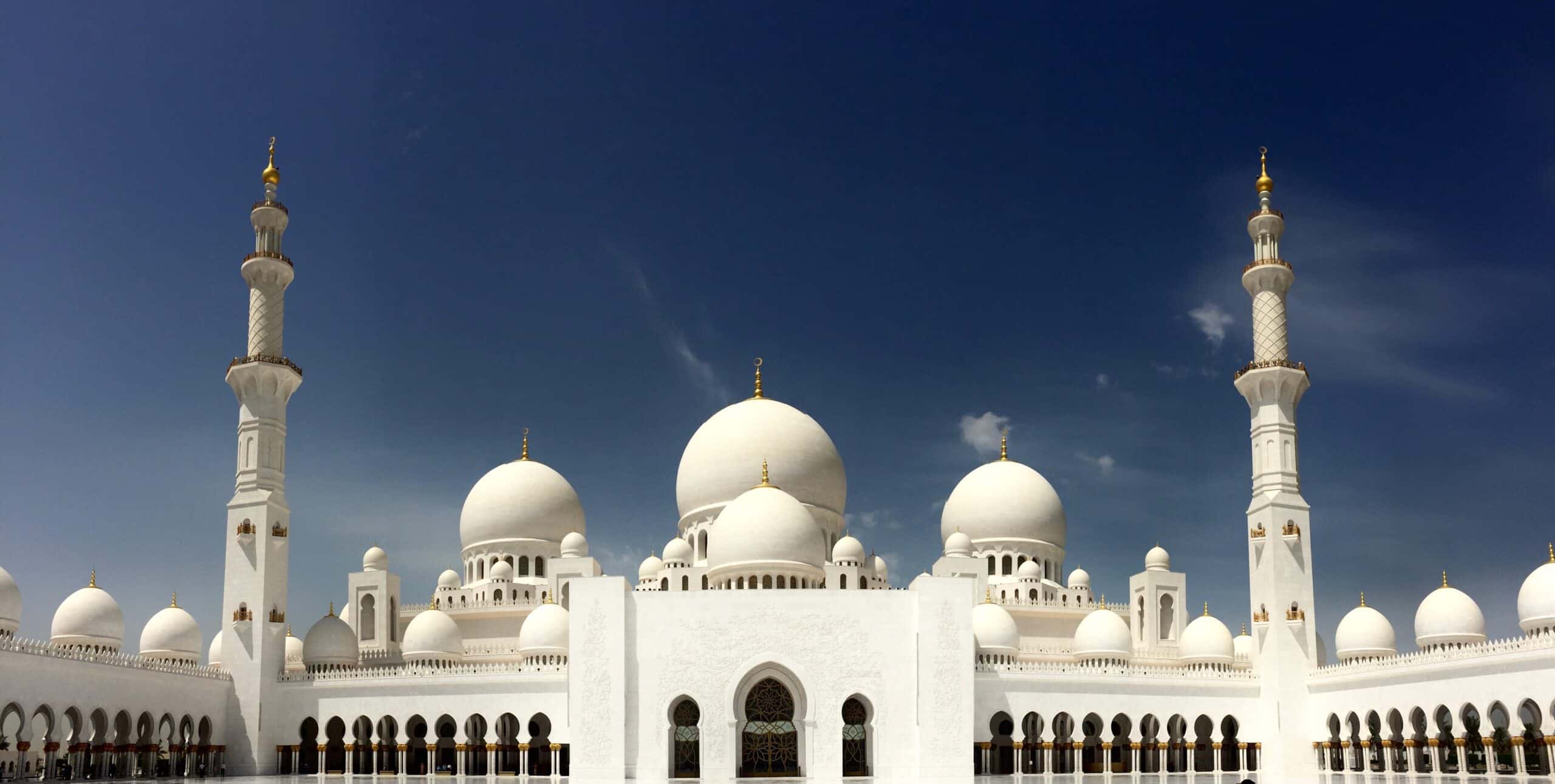
The Grand Mosque, formally known as the Sheikh Zayed Grand Mosque, is the largest mosque in the UAE. It is a daily place of worship for Islamic prayers, and many citizens go there to pray. However, it is open to travelers, with guided tours available at certain times throughout the day.
It is an architectural marvel and a place of profound spiritual and cultural significance.
The Louvre Abu Dhabi
The world-famous Louvre in Paris has a sister art museum in Abu Dhabi, the first of its kind outside of France. The building itself is a work of architectural wonder, and the art inside is a collection of works from around the world.
Unlike many museums, the works are organized chronologically, rather than by region, allowing you to see the progress of art through the ages as a collective.
Yas Island
Yas Island is a man-made island home to numerous theme parks and attractions. It is home to Ferrari World, the world’s first Ferrari-themed amusement park and home to the world’s fastest roller coaster, as well as Yas Waterworld, a massive waterpark with more than 50 attractions.
Other attractions include:
- The Yas Marina Circuit, a Formula 1 racetrack that hosts the Abu Dhabi Grand Prix each year
- Warner Bros. World Abu Dhabi, an indoor theme park featuring DC Comics and Warner Bros. characters
- Yas Links Abu Dhabi, an oceanside golf course with incredible views
- Yas Mall, a massive shopping center with hundreds of retail and dining outlets
- CLYMB Abu Dhabi, the world’s largest indoor skydiving chamber, as well as the tallest indoor climbing wall
- and more
The Dubai Museum
The Dubai Museum is located in the oldest building in Dubai, built in 1787. Dive into the rich cultural history of Dubai by exploring this ancient building, as well as its extensive underground complex. There are archeology sections, art galleries, traditional Arab performances, and more.
Outdoor Excursions
While the major cities provide plenty of entertainment in their own right, the UAE offers a tremendous amount of outdoor excursions and activities.
Desert Safaris
Most cities in the UAE have travel agencies or groups that provide outdoor desert excursions. Be cautious of the weather when you book these tours, as in the desert heat can often compound. However, these are excellent ways to explore the Arabian desert.
Historical Tours
The UAE comes from an ancient culture, and there are often historical or cultural tours available wherever you stay. This could be exploring Old Dubai, the ancient dwellings and marketplaces of the original city. Or it could be one of the ruins just on the outskirts of the city, Jumeirah or Mleiha.
The Beaches
While the interior of the UAE is composed of desert, most major cities are on the coastline and provide luxurious beaches, both private and public. For women, bikinis are allowed, though in areas not primarily made for tourists, one-piece suits are recommended.
Planning Your Medical Journey in the UAE Today
Choosing the United Arab Emirates for your medical needs offers more than just world-class medical care. It allows you to experience everything an ancient culture and people have to offer, all from the comforts of a hypermodern society. Whether you want to relax and recover at a beachfront hotel, or are feeling adventurous enough to explore the ruins and sands of the desert, the UAE has it all. You’ll leave not only having received the care and attention you need, but a cultural experience you will never forget.