
The Dominican Republic's Medical Tourism Boom
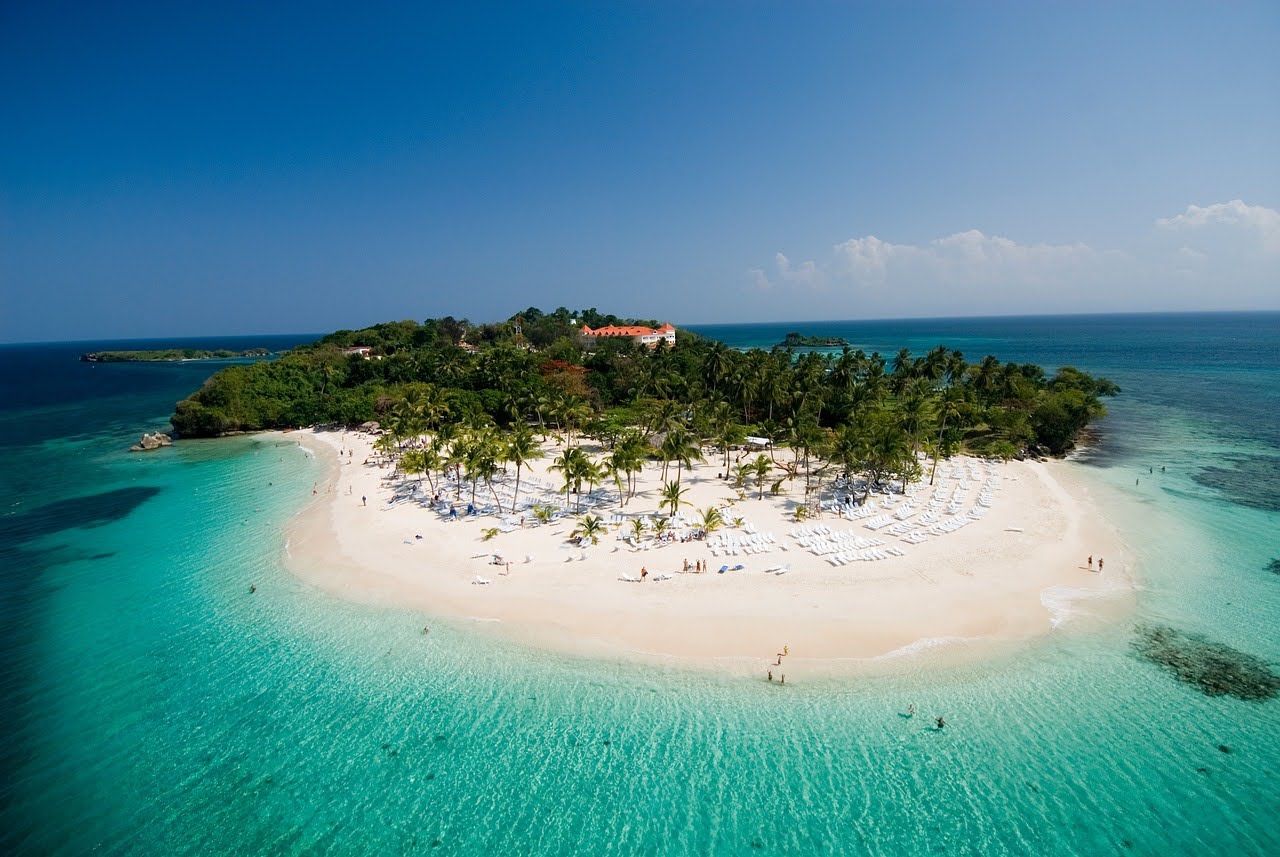
Imagine this: pristine beaches lapped by turquoise waves, swaying palm trees whispering secrets in the breeze, all while recovering from a long-awaited medical procedure at a fraction of the cost. For many Americans, this dream is becoming a reality in the Dominican Republic, the hottest new destination in medical tourism.
This Caribbean gem is about more than just postcard-perfect scenery. It’s rapidly transforming into a haven for healthcare seekers, offering a unique blend of advanced medical facilities, world-class hospitality, and breathtaking beauty – all at a price tag that won’t break the bank. Buckle up as we explore the booming medical tourism industry in the Dominican Republic, uncovering why Americans are flocking to its shores for a transformative medical experience.
If this is your first time exploring medical tourism, you no doubt have questions, and we are here to help you find answers. Here are the top 12 questions about medical tourism in the Dominican Republic.
Top 15 Questions for Americans Considering Medical Tourism in the Dominican Republic
How much can I save compared to the US?
Will the quality of care be the same as in the US?
What procedures are most popular for medical tourism in the Dominican Republic?
Is medical tourism in the Dominican Republic safe?
Is there a language barrier?
Many doctors are US-board certified or have trained internationally. Research the doctor’s credentials and experience with your specific procedure. While English is spoken in tourist areas, some hospitals might have limited English-speaking staff. Consider having a translator or choosing a facility with strong English communication.
Will my health insurance cover a procedure in the Dominican Republic?
What about follow-up care after a procedure?
Many hospitals offer modern and comfortable recovery facilities. Discuss your specific needs with the doctor beforehand. Your chosen facility should provide aftercare instructions and potential options within the Dominican Republic. Discuss how you’ll handle follow-up appointments and potential rehabilitation with your doctors both in the Dominican Republic and (if applicable) at home.
What if complications occur after I return home?
It’s important to understand the medical tourism facility’s policies and your options regarding malpractice insurance and post-procedure care. Before committing to a procedure, find out about potential avenues for addressing complications that might arise after returning home.
What are the visa requirements for Americans visiting the Dominican Republic?
As a U.S. citizen, you generally don’t need a visa to enter the Dominican Republic for tourist purposes if your stay is less than 30 days, but you may be required to purchase a Tourist Card upon arrival. This fee is typically included in your airline ticket, but double-checking with your carrier is a good idea. The cost is usually around $10.
Are there any special considerations I need to make for travel to Brazil?
Fortunately, US citizens do NOT need a visa for short-term tourist or business trips to Brazil for stays of up to 90 days. You can extend your stay for an additional 90 days (180 days per year) by requesting an extension from the Brazilian Federal Police.
Important Requirements:
- Valid Passport: Your passport must be valid for at least six months beyond your intended departure date from Brazil. Having a few blank pages in your passport for stamps and potential extensions is also a good idea.
- Proof of Onward Travel: You might be asked to show evidence of your return or onward travel plans out of Brazil.
- Financial Means: Border authorities might ask for proof that you have sufficient funds to support yourself financially during your stay.
- Yellow Fever: Vaccination is required for travel to certain regions of Brazil, including the Amazon Basin and parts of states like Minas Gerais and Rio de Janeiro. A certificate of vaccination might be needed for entry into at-risk areas.
Additional Recommended Vaccinations:
- Hepatitis A: Transmitted through contaminated food and water. Highly recommended for all travelers to Brazil.
- Hepatitis B: Transmitted through blood and bodily fluids. This is considered for most travelers, especially for extended stays, close contact with locals, or those seeking medical care.
- Typhoid: Also spread through contaminated food and water. Recommended for most travelers, particularly those visiting rural areas or where food and water safety might be less controlled.
Situational Considerations:
- Yellow Fever: Vaccination is required for travel to certain regions of Brazil, including the Amazon Basin and parts of states like Minas Gerais and Rio de Janeiro. A certificate of vaccination might be needed for entry into at-risk areas.
- Malaria: Anti-malaria medication might be recommended for certain high-risk areas of the Amazon region.
Important Considerations:
- Itinerary Matters: Specific vaccination needs depend heavily on your planned destinations and activities within Brazil.
- Time of Year: The risk of mosquito-borne diseases might be higher in rainy seasons.
- Personalized Advice: It’s crucial to consult a travel clinic or your doctor 4-6 weeks before departure. They provide the most up-to-date and personalized advice based on your health history and itinerary.
How do I find a reputable medical tourism provider in the Dominican Republic?
Here are some essential tips:
- Look for accreditations: Check if the facility is accredited by JCI or similar organizations.
- Research doctors: Verify their qualifications, experience, board certifications, and patient reviews.
- Testimonials and reviews: Seek out credible testimonials from past patients.
For more information on finding a reputable medical tourism provider, see Medical Tourism: 10 Tips to Finding a Trusted Provider
Are there any cultural considerations I need to know about before planning my trip, and what should I do when my procedure is complete?

The Dominican Republic: America's New Medical Oasis Driven by Cost
For many Americans, the soaring costs of healthcare have created a new travel trend: medical tourism. The Dominican Republic, with its turquoise beaches and swaying palm trees, has emerged as a top destination, particularly for those seeking significant savings on medical procedures.
Cost Savings: The Driving Force
The Dominican Republic boasts healthcare costs that can be 50-80% lower compared to the United States. This dramatic price difference makes it an attractive option for Americans facing expensive surgeries or treatments. Procedures like dental work, cosmetic surgery, bariatric surgery (weight loss surgery), and even orthopedic surgeries become significantly more affordable.
This cost advantage stems from several factors. The Dominican Republic has a lower cost of living compared to the US, translating to lower operating costs for hospitals and clinics. Additionally, the government actively promotes medical tourism, offering tax incentives and fostering competition among healthcare providers, which keeps prices down.
Cost Comparison: The Top 20 Medical Procedures in the Dominican Republic vs. USA
Disclaimer: Due to the ever-changing nature of healthcare costs and the variability of individual cases, these figures should be used as a general estimate. Actual costs may differ depending on factors like facility, location, doctor experience, and insurance coverage.
| Procedure | Dominican Republic (USD) | United States (USD) | Estimated Savings |
|---|---|---|---|
| Dental Crown | $800 - $1,500 | $1,500 - $3,500 | 50% - 73% |
| Dental Implants (per tooth) | $1,200 - $2,000 | $3,000 - $6,000 | 60% - 67% |
| LASIK Eye Surgery (both eyes) | $2,500 - $4,000 | $5,000 - $8,000 | 50% - 60% |
| Cataract Surgery (per eye) | $1,500 - $2,500 | $3,000 - $5,000 | 50% - 67% |
| Liposuction | $3,000 - $6,000 | $7,000 - $15,000 | 57% - 60% |
| Breast Augmentation | $4,000 - $8,000 | $8,000 - $12,000 | 50% - 67% |
| Rhinoplasty (Nose Job) | $4,500 - $7,000 | $8,000 - $15,000 | 44% - 53% |
| Tummy Tuck | $5,000 - $8,000 | $8,000 - $20,000 | 33% - 60% |
| Gastric Bypass Surgery | $8,000 - $12,000 | $20,000 - $35,000 | 60% - 67% |
| Knee Replacement | $12,000 - $18,000 | $30,000 - $50,000 | 60% - 67% |
| Hip Replacement | $12,000 - $18,000 | $30,000 - $50,000 | 60% - 67% |
| Spine Surgery (varies) | $20,000 - $50,000 | $50,000 - $100,000 | 60% - 50% |
| Angioplasty | $10,000 - $15,000 | $25,000 - $40,000 | 60% - 63% |
| Heart Valve Replacement | $20,000 - $30,000 | $50,000 - $100,000 | 60% - 70% |
| MRI Scan | $500 - $800 | $1,000 - $2,000 | 50% - 60% |
| CT Scan | $300 - $500 | $700 - $1,500 | 57% - 67% |
| Appendectomy | $4,000 - $6,000 | $10,000 - $15,000 | 60% - 67% |
| Gallbladder Removal | $4,000 - $6,000 | $10,000 - $15,000 | 60% - 67% |
| Tonsillectomy | $2,000 - $4,000 | $4,000 - $8,000 | 50% - 67% |
| In Vitro Fertilization (IVF) | $10,000 - $15,000 | $20,000 - $30,000 | 50% - 50% |
The Cost of Travel to the Dominican Republic for Medical Tourism
Airfare:
- Prices can vary significantly depending on your departure city, travel dates, and booking time.
- Expect roundtrip flights from major US cities to range from $300 to $600.
Accommodation:
- Accommodation options span from budget-friendly hostels to luxurious beachfront resorts.
- This table assumes mid-range hotels, with nightly rates ranging from $80 to $200.
Daily Spending:
- This includes expenses like food, local transportation, and basic activities.
The estimated daily spending range of $40 to $100 allows for flexibility in your budget.
| Destination | Approx. Airfare | Hotel/Night | Daily Spending | Weekly Spending |
|---|---|---|---|---|
| Dominican Republic | $300 - $600 | $80 - $200 | $40 - $100 | $560 - $1600 |
Weekly Cost Breakdown:
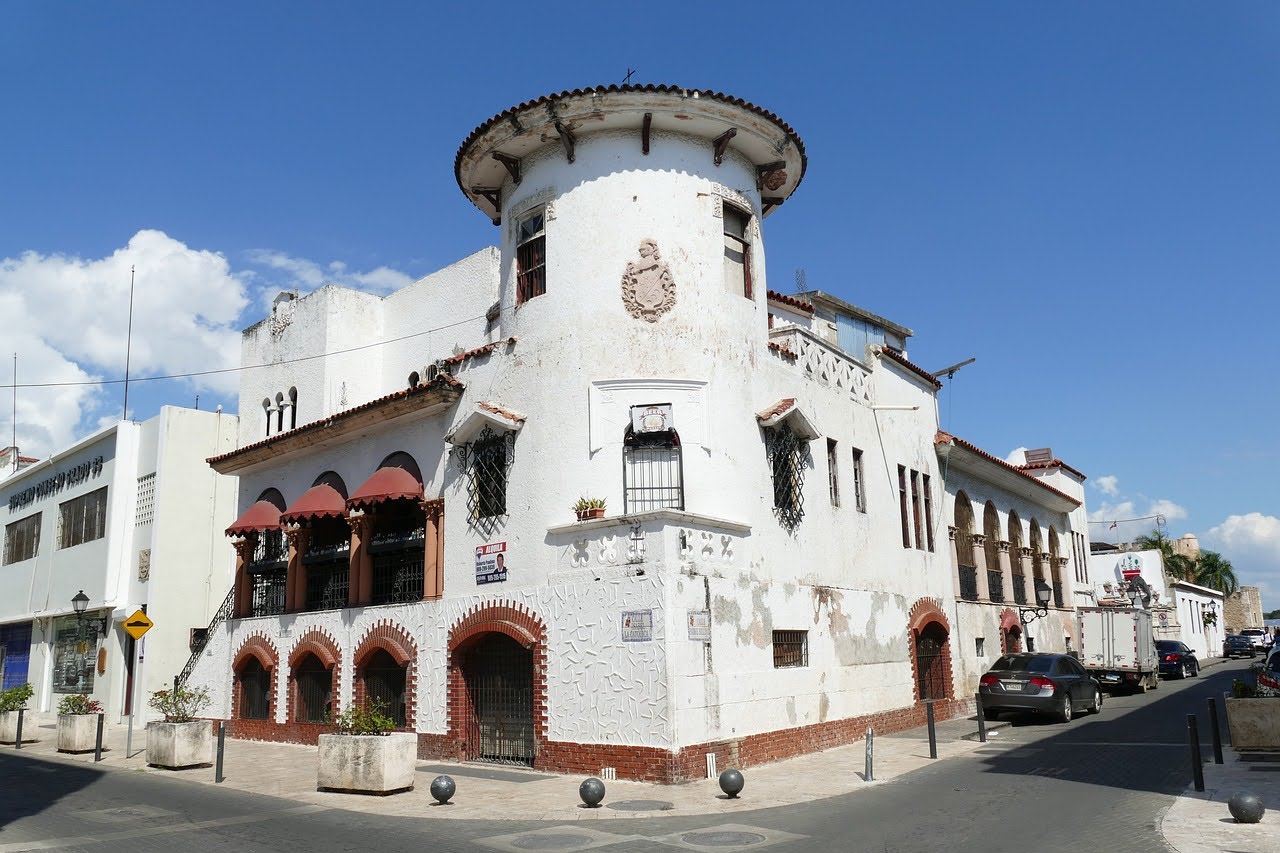
- For a streamlined and relaxing recovery experience, all-inclusive packages can be ideal.
- These packages typically bundle flights, accommodation, meals, drinks, and some activities.
- Budget-friendly options start around $800-$1200 per person for a week at a mid-range resort.
- More luxurious options with premium amenities and services start at $2000+ per person.
- Luxury Travel: Upscale hotels, fine dining, and exclusive experiences can significantly increase daily and weekly costs.
- Budget Travel: Opting for hostels, street food, and free activities can substantially lower costs.
- Package Deals: Bundling flights and accommodations often offers better overall rates.
- Seasonality: Prices are generally higher during peak travel seasons.
The Dominican Republic: A Rising Star in Medical Tourism
The Dominican Republic, a Caribbean paradise known for its stunning beaches and vibrant culture, is rapidly transforming into a hub for medical tourism. While historically known for cost-effective procedures, the Dominican Republic is making significant strides in enhancing its healthcare landscape to attract and cater to international patients. Here’s a closer look at this evolving healthcare scene:
A Focus on Quality and Accreditation
Similar to Mexico, the Dominican Republic is placing a strong emphasis on quality and accreditation. Many hospitals and clinics are actively pursuing international accreditations, such as the Joint Commission International (JCI) and Accreditation Canada (AC), signifying their adherence to rigorous international standards for safety and quality. This increasing focus on accreditation inspires confidence in the caliber of care offered, attracting patients seeking reliable and safe medical services.
Investing in Modernization
The Dominican Republic is witnessing the emergence of modern medical facilities equipped with cutting-edge technology and infrastructure. These facilities are often located in major tourist destinations, providing a convenient and comfortable setting for medical tourism. Additionally, many hospitals are undergoing renovations and upgrades to ensure they offer the latest equipment and treatment options.
A Growing Pool of Qualified Professionals
The Dominican Republic boasts a growing pool of qualified and experienced medical professionals. Many doctors and surgeons receive training in the US or other developed countries, returning home with expertise and knowledge of advanced medical practices. This influx of highly skilled professionals contributes to narrowing the gap in the quality of medical care between the Dominican Republic and other developed nations.
Prioritizing Patient Experience
Understanding the importance of patient comfort and well-being, hospitals and clinics in the Dominican Republic are placing increased emphasis on patient experience. Staff members are becoming more patient-centric, focusing on clear communication, cultural sensitivity, and creating a welcoming environment for international patients. This commitment to patient hospitality fosters a sense of trust and support during the medical tourism journey.
Looking Ahead
The Dominican Republic’s healthcare landscape is steadily evolving, driven by a commitment to quality, modernization, and patient experience. This ongoing transformation positions the country as a promising destination for medical tourism, offering patients a unique blend of affordability, quality care, and a beautiful recovery environment.
Internationally Recognized Medical Facilities
The Dominican Republic has hospitals with internationally recognized accreditations. Here’s what you found previously in our conversation:
- The Dominican Republic is placing a strong emphasis on quality and accreditation.
- Many hospitals and clinics are actively pursuing international accreditations such as the Joint Commission International (JCI) and Accreditation Canada (AC).
Here are some of the internationally recognized hospitals in the Dominican Republic:
- Hospital Metropolitano de Santiago (HOMS): The largest hospital in the Dominican Republic and one of the most modern hospitals in Latin America and the Caribbean. It has received accreditation from Accreditation Canada.
- Centro Médico Punta Cana (Punta Cana Medical Center): The first hospital in the Dominican Republic to receive international Gold Accreditation by Qmentum International- Accreditation Canada.
- Hospiten Bávaro: Located in Punta Cana, this hospital is accredited by the Joint Commission International (JCI).
- Instituto Materno Infantil Santo Domingo: A renowned pediatric hospital in the Dominican Republic. It is currently undergoing the accreditation process with the Joint Commission International (JCI).
Popular Procedures Under the Caribbean Sun
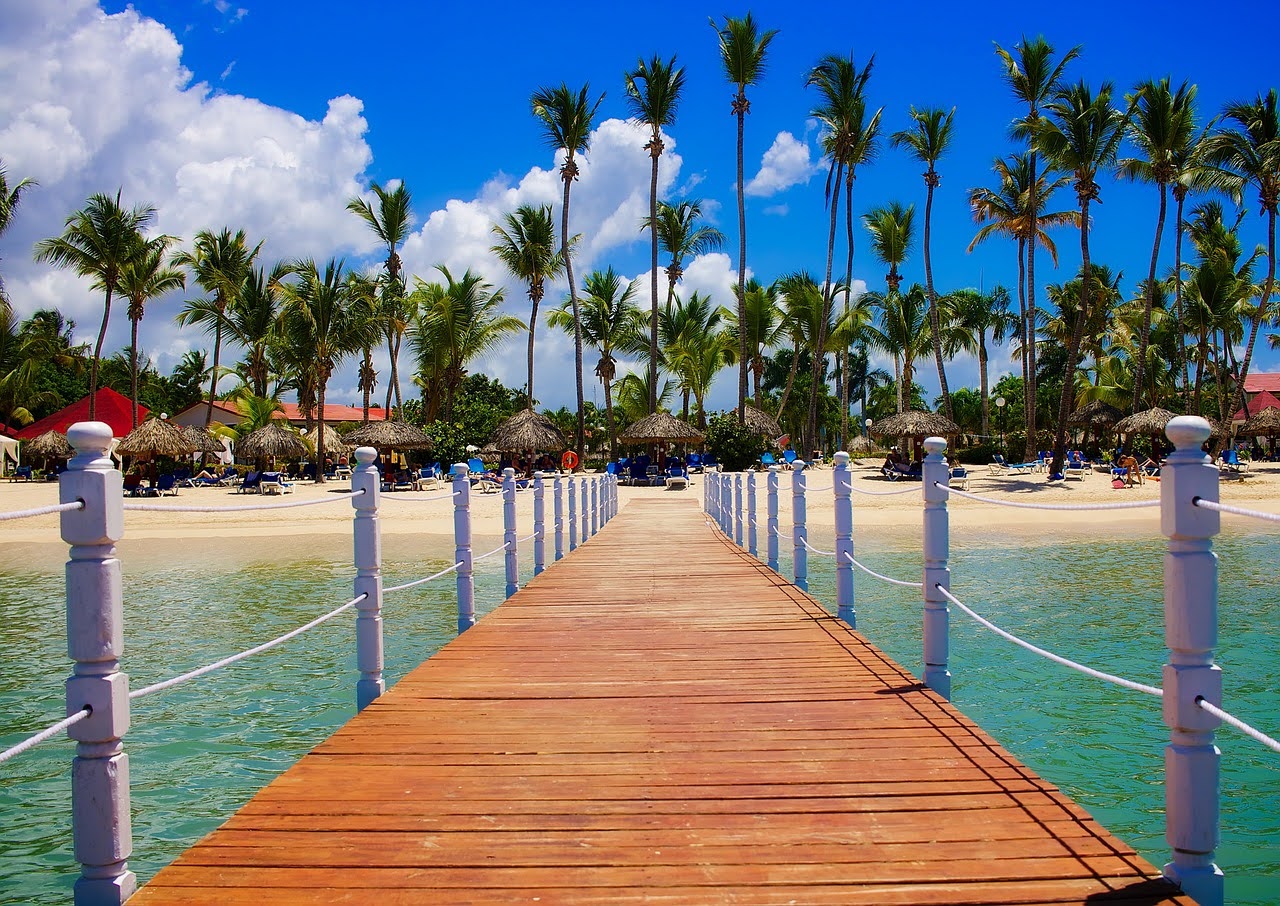
Sun-kissed beaches, vibrant music, and a rich cultural tapestry – the Dominican Republic offers an alluring escape. But beyond the tourist paradise lies a fascinating story of healthcare, where modern medicine and traditional practices interweave to create a unique healthcare landscape.
This island nation, with its growing network of modern hospitals and internationally recognized facilities, is rapidly transforming into a hub for medical tourism. Yet, beneath the surface of this progress lies a rich tradition of ancestral knowledge and natural remedies passed down through generations.
Exploring this intriguing blend of modern advancements and ancient wisdom unveils a dynamic healthcare ecosystem where technology and tradition coexist in the pursuit of well-being. From world-class medical facilities to local healers utilizing herbal remedies, the Dominican Republic offers diverse healthcare options, each contributing to the overall well-being of its people and visitors alike. Let’s delve into this captivating journey, exploring the unique characteristics of modern and traditional medicine in the Dominican Republic and how they shape the future of healthcare on this charming island.
Important Considerations:
While these procedures are popular, thorough research is crucial. Choose accredited facilities with qualified doctors and ensure they have experience with your specific needs.
Exploring Traditional Healing Practices in the Dominican Republic
- Infusiones (Herbal Teas): Curanderos create teas using various plants, each with specific properties. For example, chamomile tea might be used to soothe anxiety, while ginger tea is known for its digestive benefits.
- Cocimientos (Decoctions): These are stronger remedies created by boiling herbs in water for a longer duration. They are often used for more serious ailments.
- Sobaos (Massages): Traditional massages, often using herbal oils or balms, are used to relieve muscle tension, improve circulation, and promote relaxation.
- Hijos (Charms and Amulets): These charms, often made with specific herbs, stones, or religious items, are believed to ward off evil spirits, bring good luck, or promote healing.
Treatment for Substance Use Disorder
The Dominican Republic’s approach to substance use disorder (SUD) treatment is complex. Here’s a breakdown of what we know:
Limited Treatment Availability:
- While the Dominican Republic offers modern medical facilities, treatment options for SUD are sharply limited.
- The majority of treatment centers are residential programs focusing on abstinence-based approaches.
Focus on Abstinence:
- There’s a strong emphasis on abstinence, with limited access to medication-assisted treatment (MAT), which is considered a gold standard for SUD treatment in many developed countries.
- MAT combines medications with behavioral therapy to reduce cravings and withdrawal symptoms, promoting recovery.
Cultural and Legal Factors:
- There’s a prevailing cultural view of substance use as a moral failing rather than a medical condition.
- Dominican law penalizes both users and dealers/traffickers for non-hallucinogenic substances, making it difficult for users to seek help for fear of legal repercussions.
Positive Developments:
- There’s a growing dialogue on harm reduction practices. This approach aims to minimize the negative consequences of drug use without requiring complete abstinence.
- Pilot studies exploring the use of MAT are underway, offering a glimmer of hope for improved access to evidence-based treatment.
Overall:
While the Dominican Republic is taking some initial steps towards addressing SUD, the current system has limitations.
Rejuvenate Your Mind, Body, and Soul: A Guide to Wellness Retreats in the Dominican Republic
Beyond the postcard-perfect beaches and vibrant culture, the Dominican Republic offers a hidden gem – a haven for wellness seekers. In recent years, the country has seen a surge in the popularity of wellness retreats, catering to those seeking a holistic approach to rejuvenation.
Immerse Yourself in Nature’s Embrace:
Imagine waking up to the gentle sounds of the Caribbean Sea, practicing yoga on a secluded beach, and indulging in spa treatments using locally-sourced ingredients. Dominican Republic wellness retreats offer a chance to reconnect with nature, escape the daily grind, and focus on your well-being. Many retreats are nestled amidst lush rainforests or stunning coastlines, providing a tranquil atmosphere conducive to relaxation and self-discovery.
A Spectrum of Wellness Experiences:
Dominican Republic wellness retreats offer a wide range of programs to cater to diverse needs and preferences. Here’s a glimpse into some popular options:
- Yoga and Meditation Retreats: Deepen your yoga practice under the guidance of experienced teachers, or learn meditation techniques to cultivate inner peace.
- Detox and Cleanse Retreats: Rejuvenate your body with detoxifying programs that incorporate healthy meals, colonics, and spa treatments.
- Surf and Wellness Retreats: Combine the thrill of surfing crystal-clear waves with yoga sessions and healthy cuisine, creating a dynamic and invigorating experience.
- Mindfulness and Stress Management Retreats: Learn mindfulness techniques to manage stress, improve focus, and cultivate inner peace in a supportive environment.
Luxury or Simplicity – Your Choice:
Whether you seek a luxurious escape with high-end amenities or a rustic yet rejuvenating experience, the Dominican Republic caters to all preferences. Luxury retreats offer world-class spa services, private villas, and gourmet dining, while simpler retreats prioritize connection with nature and a more basic yet enriching atmosphere.
Dominican Republic wellness retreats encourage you to explore beyond the program itself. You can immerse yourself in the local culture, learn about traditional healing practices, or embark on eco-adventures like hiking in national parks or kayaking through mangroves.
A Dominican Republic wellness retreat offers a unique opportunity to prioritize your well-being, reconnect with nature, and embark on a transformative journey of self-discovery. Surrender to the rhythm of the waves, nourish your body with healthy cuisine, and discover a renewed sense of peace – all while exploring the beauty and warmth of this captivating island nation.
Is the Dominican Republic Safe for Tourists? Unveiling the Truth and Top Safety Tips.
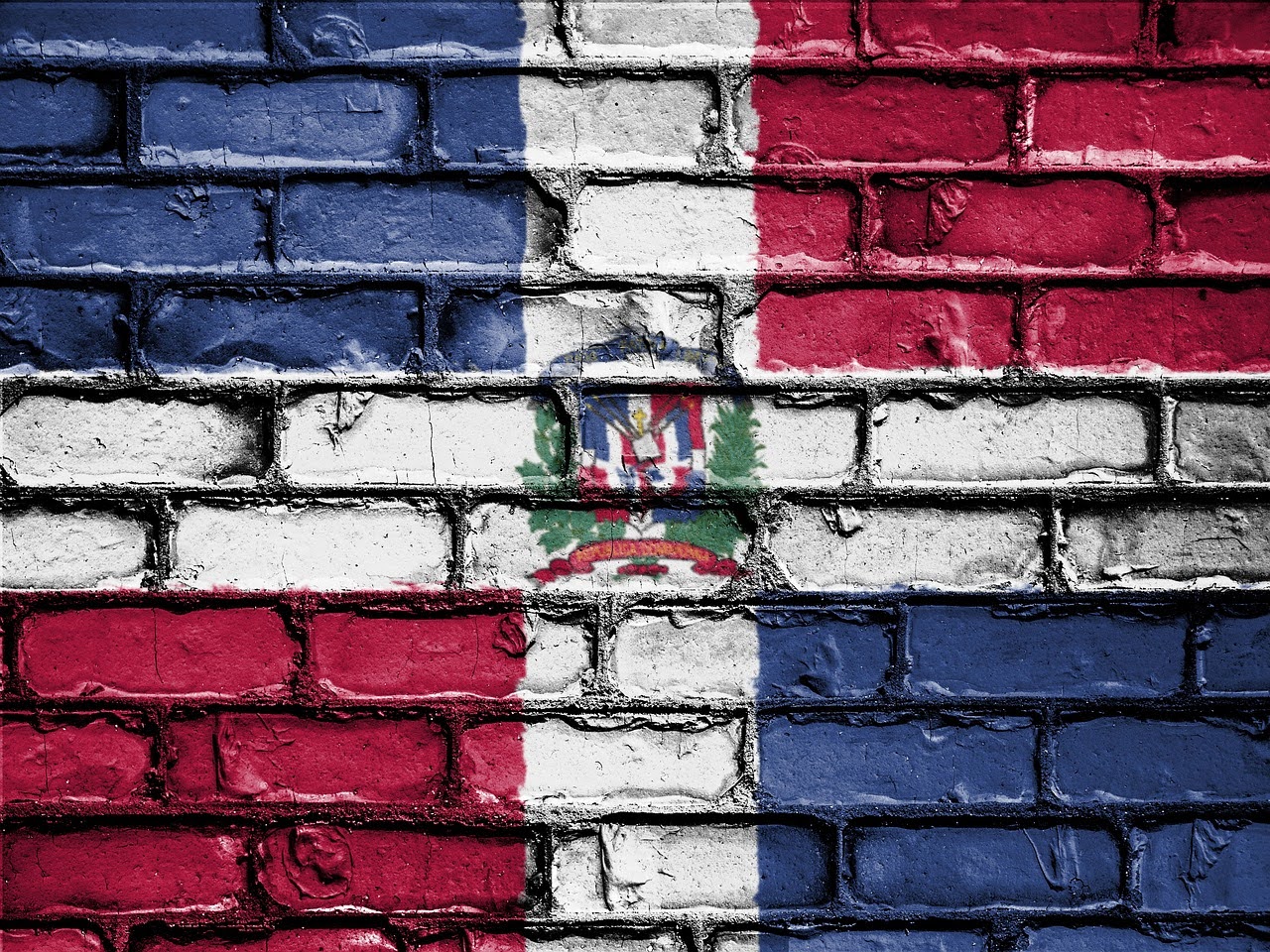
The Dominican Republic, a Caribbean paradise known for its breathtaking beaches and vibrant culture, beckons travelers with its sun-drenched shores and warm hospitality. However, amidst news stories and travel advisories, some travelers might wonder: Is the Dominican Republic safe for tourists? The answer, like with most destinations, is nuanced and requires a deeper understanding of the situation.
Dispelling Myths and Understanding Realities
Myth 1: The Dominican Republic is inherently unsafe.
Myth 2: Tourists are specifically targeted for crime.
Myth 3: Drug-related violence affects tourists.
Key Safety Concerns:
While Brazil boasts incredible diversity, understanding potential safety concerns and taking precautions is crucial. Here are some key points to consider:
- Petty theft and scams: Pickpocketing and minor scams can occur in crowded areas, especially tourist zones.
- Road safety: Driving in some areas can be unsafe due to road conditions, reckless driving, or occasional roadblocks.
- Sexual assault: While uncommon, women should exercise caution, particularly when traveling alone.
Ensuring a Safe and Enjoyable Trip:
- Tourist Zones: Opt for popular tourist destinations like Punta Cana, Puerto Plata, and Samaná, which generally have lower crime rates and increased security presence.
- Reputable Accommodations: Choose hotels and resorts with reasonable security measures in safe areas. Consider opting for all-inclusive resorts, which often provide a controlled environment and minimize the need to venture outside.
- Situational Awareness: Remain aware of your surroundings, especially at night. Avoid isolated areas, and be mindful of your belongings in crowded places.
- Transportation Tips: Use licensed taxis, trusted shuttle services, or pre-arranged transportation through your hotel for safer travel. Avoid using unmarked taxis or rideshares, especially late at night.
- Cultural Sensitivity: Dress modestly, especially in non-tourist areas, to avoid unwanted attention. Be respectful of local customs and traditions.
- Learn basic Spanish phrases. Though English is spoken in tourist areas, basic Spanish can enhance communication and understanding.
- Carry copies of important documents. Keep photocopies of your passport and identification separate from the originals.
- Trust your instincts. If a situation feels unsafe, remove yourself immediately and seek help from hotel staff or local authorities.
After Treatment: The Cultural Treasures of the Dominican Republic
Medical tourism in the Dominican Republic offers more than just affordable, high-quality care. It’s a gateway to exploring a vibrant culture, rich history, and breathtaking natural beauty. While seeking treatment, you can also embark on a memorable journey, enriching your experience and creating lasting memories.
Cultural Gems:
- Warm Hospitality: Dominicans are renowned for their warmth and welcoming nature. Expect friendly smiles, helpful gestures, and a genuine interest in making your stay comfortable.
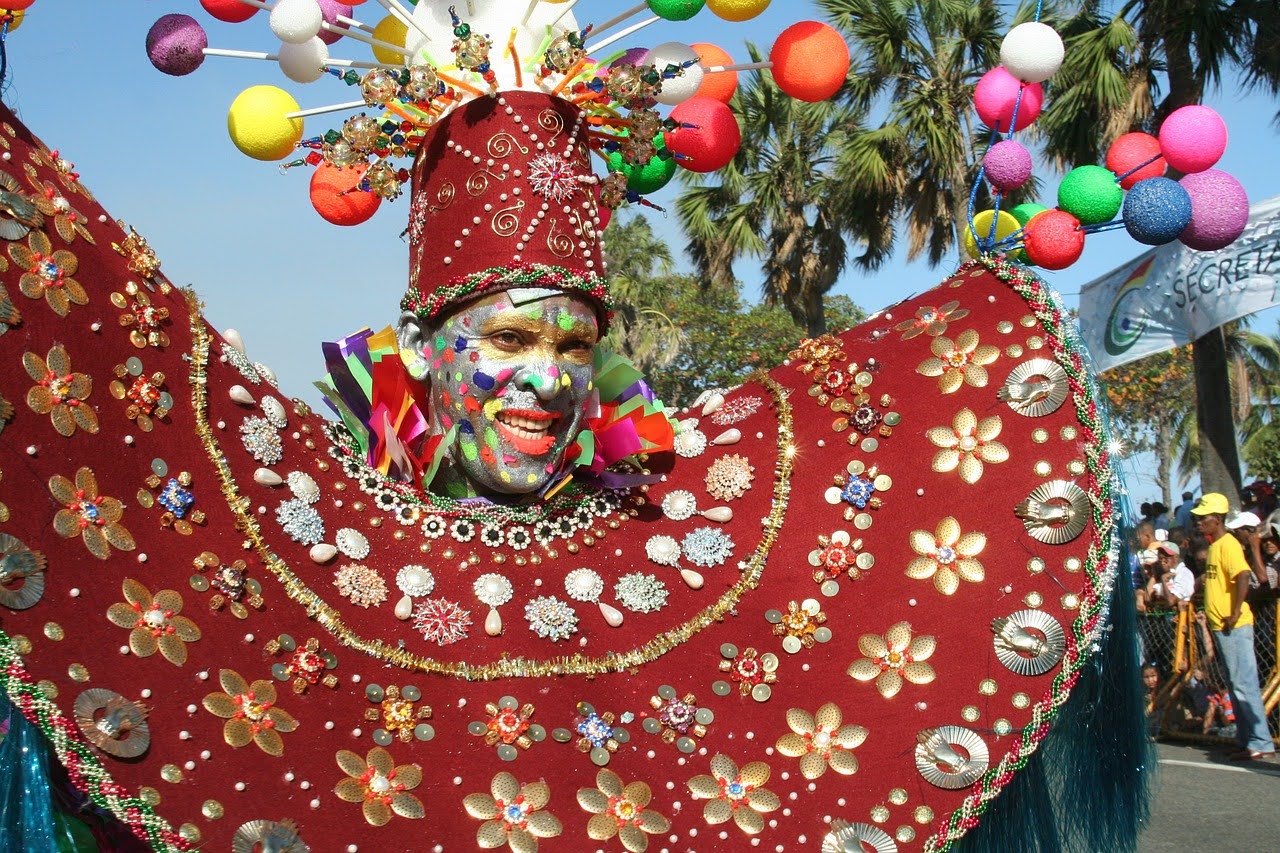
- Rich Traditions: Immerse yourself in a vibrant tapestry of African, European, and indigenous influences. Witness colorful festivals like the Dominican Carnival or the lively parades celebrating national holidays.
- Culinary Delights: Savor the unique flavors of Dominican cuisine, featuring fresh local ingredients and a blend of Spanish, African, and indigenous influences. From pescado con coco (fish in coconut sauce) to mangu (mashed plantains), the Dominican Republic offers a culinary adventure for your taste buds.
Musical Rhythms: Immerse yourself in the lively world of Dominican music, from the energetic beats of merengue to the soulful melodies of bachata.
While renowned for its high-quality medical care at affordable prices, Brazil offers an additional layer of allure for medical tourists: a captivating cultural tapestry waiting to be explored. From the vibrant rhythms of samba to the breathtaking beauty of the Amazon rainforest, venturing beyond medical treatment presents a unique opportunity to immerse yourself in a rich and diverse culture, creating a truly transformative experience.
Top Tourist Destinations
- Punta Cana: Renowned for its pristine beaches, crystal-clear waters, and luxurious resorts, Punta Cana is a paradise for relaxation and sunbathing. Explore nearby coral reefs, embark on snorkeling and diving adventures, or simply soak up the sun on the white sand shores.
- Puerto Plata: Discover the vibrant city of Puerto Plata, known for its historic charm, colonial architecture, and adventurous activities. Hike through lush rainforests, ride the thrilling cable car to the top of Mount Isabel de Torres, or explore the Amber Museum to learn about the Dominican Republic’s unique amber treasures.
- Samaná Peninsula: Escape to the secluded beauty of the Samaná Peninsula, boasting pristine beaches, lush rainforests, and cascading waterfalls. Spot humpback whales during the winter months, explore the captivating Los Haitises National Park, or simply relax in a tranquil and secluded setting.
- Santo Domingo: Immerse yourself in the rich history and vibrant culture of Santo Domingo, the oldest continuously inhabited European settlement in the Americas. Explore the UNESCO World Heritage Site Colonial Zone, marvel at the iconic Catedral Primada de América (the first cathedral in the Americas), and wander through lively markets filled with local crafts and souvenirs.
Travel Tips
- Learn Basic Spanish: While English is spoken in some tourist areas, knowing a few basic Spanish phrases enhances communication and demonstrates respect for the local culture.
- Embrace the Relaxed Pace: Dominicans often operate on a more relaxed schedule compared to some cultures. Be patient, embrace the laid-back atmosphere, and enjoy the slower pace of life.
- Dress Modestly: While beach attire is appropriate in resort areas, consider dressing more modestly when visiting local villages, churches, and historical sites.
- Respect Local Customs: Be mindful of local customs and traditions. When visiting religious sites, dress appropriately and behave respectfully.
- Explore Beyond the Resorts: Venture beyond the all-inclusive resorts and explore the diverse landscapes, vibrant communities, and cultural richness that lie outside the tourist enclaves.
Combining Medical Care with Cultural Immersion
The Dominican Republic offers a unique opportunity to combine essential medical treatment with an enriching cultural experience. By planning your trip and incorporating sightseeing, exploration, and cultural activities into your medical journey, you can transform your trip into a truly transformative and memorable experience. Remember, responsible tourism involves respecting the local community, environment, and customs. Embrace the Dominican Republic’s warmth, immerse yourself in its rich culture, and create a lasting impression while prioritizing your health and well-being.