
Seeking Sunshine and Savings: Why Americans are Flocking to Malaysia for Medical Tourism
For many Americans, the high cost of healthcare can be a significant burden. This has led to a growing trend: medical tourism. One of the rising stars in this field is Malaysia, a Southeast Asian nation that offers a compelling combination of affordability, quality care, and a unique cultural experience.
American healthcare can be expensive. Procedures like joint replacements, heart surgery, and dental work can cost tens of thousands of dollars in the US. In Malaysia, highly skilled professionals can perform these same procedures at a fraction of the cost. This significant cost saving is a primary motivator for Americans seeking medical tourism options.
Affordability is just one of many factors attracting Americans. Malaysia boasts a well-developed healthcare system with modern hospitals and clinics that use cutting-edge technology. Many medical professionals in Malaysia have received their training in the US, Europe, or Australia, ensuring patients receive high-quality care that meets international standards. Additionally, Malaysia is known for its focus on patient care and hospitality.
If this is your first time considering medical tourism in Malaysia, you certainly have questions. This article will provide you with a comprehensive overview of medical opportunities in Malaysia with links to more in-depth resources on specific topics or questions.
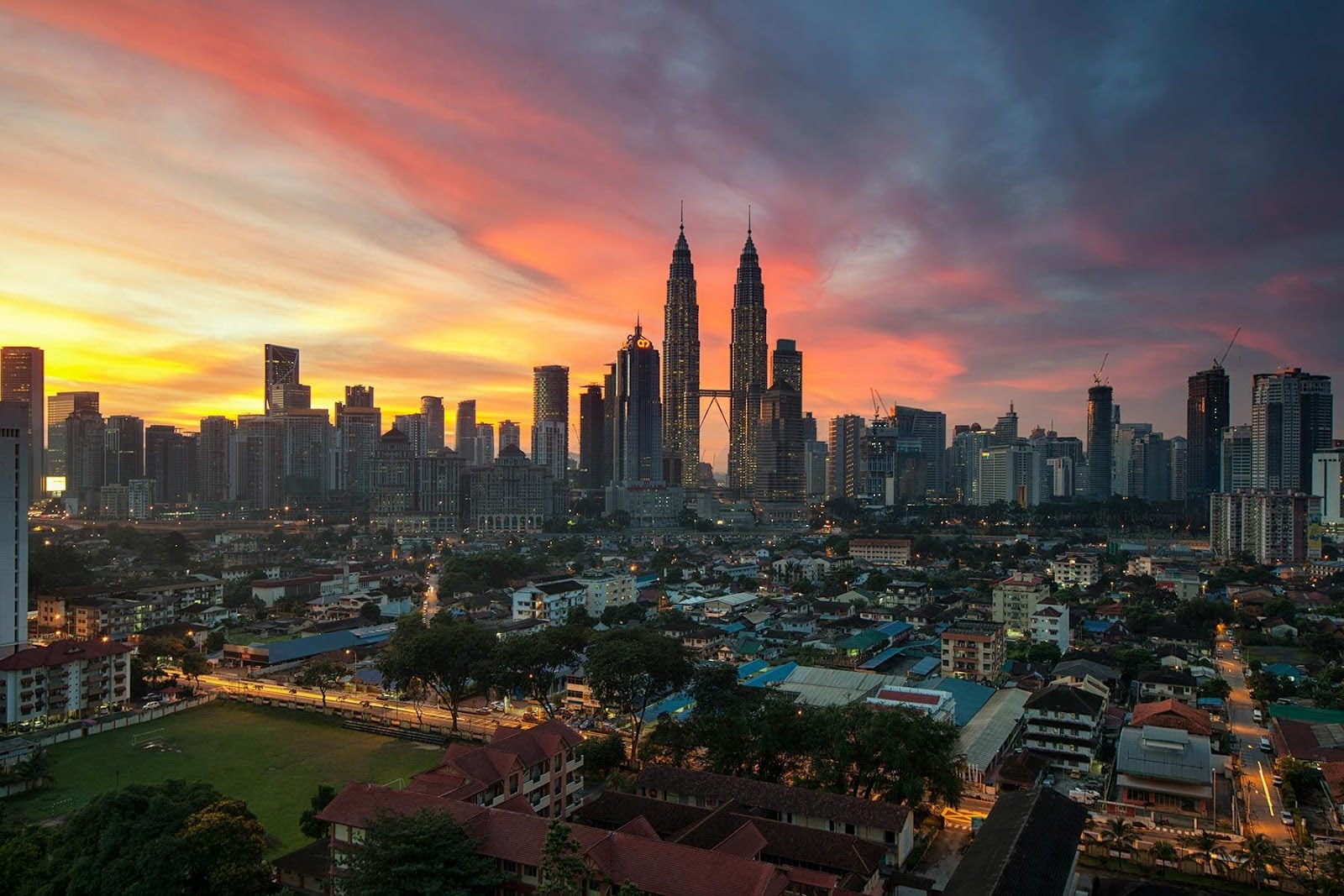
Questions Americans Might Ask About Medical Tourism in Malaysia
How much can I save on a medical procedure compared to the US?
Savings can vary depending on the procedure you’re looking for. Generally, you can expect to save anywhere from 50% to 80% compared to what you would pay in the United States. This significant cost difference makes Malaysia a very attractive option for many Americans seeking high-quality medical care without breaking the bank.
For a more in-depth look and pricing for different medical tourism procedures and cost of travel estimates, see Medical Tourism in Malaysia: A Breath of Fresh Air for Your Wallet.
What is the quality of the healthcare facilities in Malaysia?
What are the most popular medical tourism procedures offered in Malaysia?
Is medical tourism in Malaysia safe?
Will I be able to communicate with my doctor in English?
Will my health insurance cover a procedure in Malaysia?
Generally, traditional health insurance plans do not cover medical tourism. However, some specialized medical tourism insurance plans may offer coverage. Investigate medical tourism financing options or secure coverage specifically for international medical care. Often, if the provider takes US insurance, they will list it on their website.
For more information on finding the medical insurance plan that right for you, see Finding The Right Insurance for Your Medical Tourism Adventure
Are there visa requirements for Americans traveling to Malaysia for medical tourism?
Fortunately, Americans do not need a visa for short-term stays in Malaysia for tourism, social visits, or business purposes. Upon arrival, you’ll receive a visa exemption stamp, typically allowing for a stay of up to 90 days.
Important Reminders:
- Passport Validity: Ensure your passport has at least 6 months of validity remaining beyond your intended departure date from Malaysia.
- Proof of Onward Travel: You might be asked to show a return or onward journey ticket out of Malaysia.
What are the vaccination requirements for travel to Malaysia?
- Hepatitis A: Transmitted through contaminated food and water. Highly recommended for all travelers to Malaysia.
- Typhoid: Also spread through contaminated food and water. Recommended, especially if visiting rural areas, spending longer periods, or if your food choices might be less controlled.
- Japanese Encephalitis: Mosquito-borne disease. Consider spending extensive time outdoors in rural areas, particularly during the rainy season.
- Rabies: Considered if engaging in activities with a high risk of animal contact, especially in remote areas, or if you’ll be far from access to post-exposure treatment.
- Malaria: Anti-malarial medication might be recommended for certain rural areas of Malaysia, particularly in Borneo.
- Consult a Travel Clinic: It’s best to visit a travel medicine clinic or your doctor 4-6 weeks before departure. They can provide the most personalized recommendations based on your specific itinerary, health history, and any current outbreaks.
- CDC Website: The Centers for Disease Control and Prevention (https://wwwnc.cdc.gov/travel/destinations/traveler/none/malaysia) offers up-to-date travel health information for Malaysia.
- Pre-Existing Conditions: If you have any underlying health conditions, discuss them with your doctor, as they might influence vaccination recommendations.
What about follow-up care after a procedure?
What happens if I experience complications after treatment in Malaysia?
Most reputable hospitals have follow-up procedures in place. Discuss post-operative care with your doctor and inquire about potential follow-up options in the US if needed.
How do I find a reputable medical tourism provider in Malaysia?
Look for facilities with JCI accreditation, an internationally recognized symbol of excellence in healthcare. Research doctor qualifications and patient reviews to ensure you choose an experienced and well-regarded provider.
For more information on finding a reputable medical tourism provider, see Medical Tourism: 10 Tips to Finding a Trusted Provider
Are there any cultural considerations I need to know about before planning my trip, and what should I do when my procedure is complete?
Beyond medical treatment, Malaysia offers a treasure trove of cultural experiences. Immerse yourself in the bustling energy of Kuala Lumpur, unwind on Langkawi’s pristine beaches, explore the captivating historical sites of Malacca, or trade cityscapes for the cool, lush mountains of Cameron Highlands.
Malaysia is a Muslim-majority country. Dress modestly when visiting religious sites or conservative areas. Learn basic greetings and show respect for local customs.
For an in-depth look at cultural considerations and top tourist destinations, see Cultural Enchantment and Additional Benefits of Medical Tourism in Malaysia.

Medical Tourism in Malaysia: A Breath of Fresh Air for Your Wallet
For many Americans, the escalating cost of healthcare feels like a suffocating burden. Simple dental procedures, joint replacements, and even cardiac surgery can leave patients facing staggering financial challenges. This has fueled a growing trend: medical tourism. One destination rapidly gaining recognition is Malaysia, offering a compelling alternative for Americans seeking quality healthcare at a fraction of the US cost.
Cost Savings
The stark difference in healthcare expenses is the most significant driver for medical tourism to Malaysia. American healthcare costs have skyrocketed, with procedures often costing several times more than in Malaysia. For instance, a hip replacement that can easily exceed $50,000 in the US might cost less than $20,000 in Malaysia. Even factoring in travel and accommodation expenses, the overall savings remain significant.
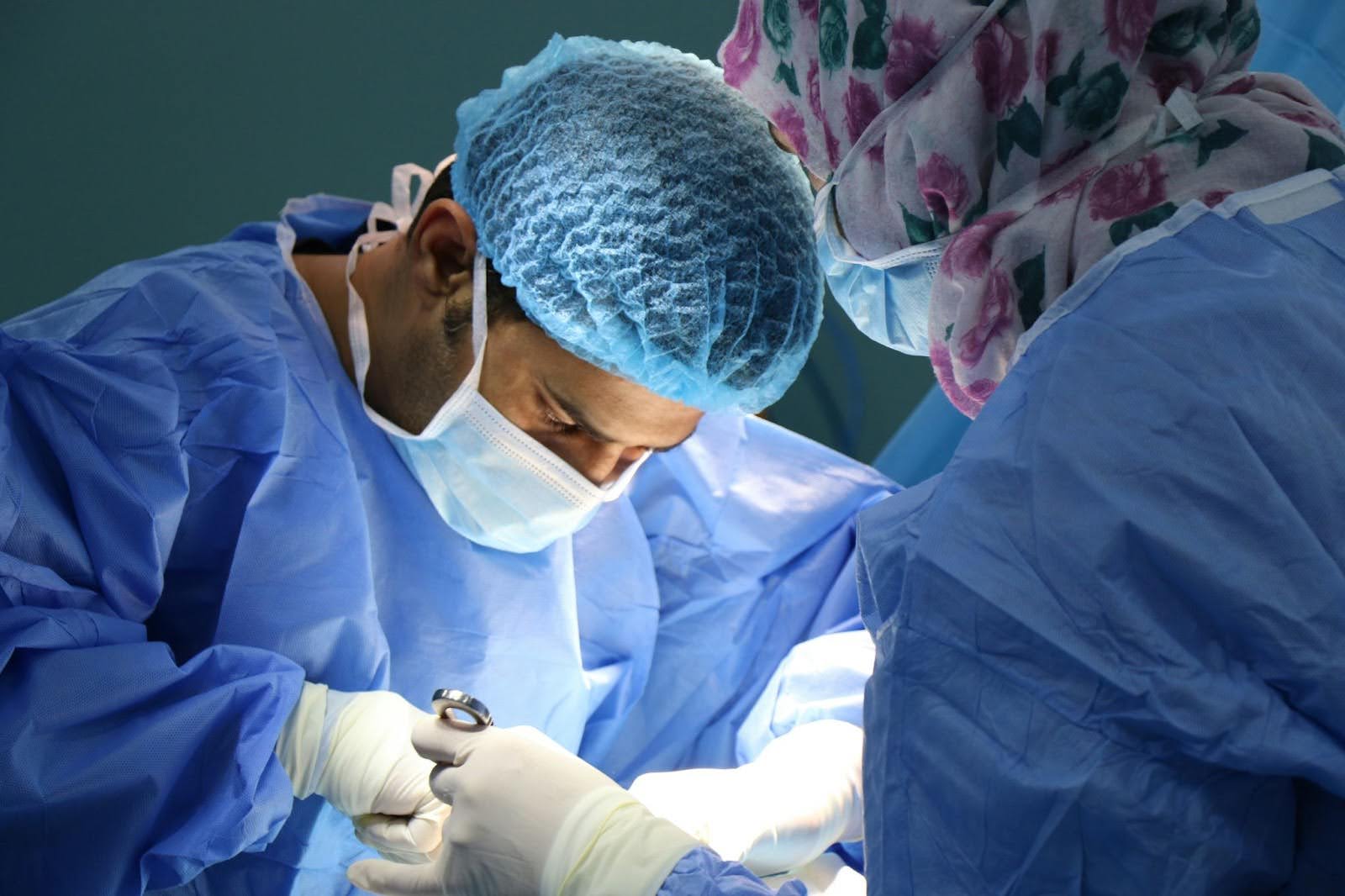
The table below highlights potential cost savings on popular medical tourism procedures in Malaysia compared to the US:
| Procedure | Average Cost in the United States | Average Cost in Malaysia | Potential Savings |
|---|---|---|---|
| Hip Replacement | $30,000 - $60,000 | $10,000 - $20,000 | 50% - 70% |
| Knee Replacement | $35,000 - $55,000 | $12,000 - $18,000 | 60% - 70% |
| Cardiac Surgery | $100,000 - $200,000 | $30,000 - $50,000 | 50% - 80% |
| Cancer Treatment (varies depending on type) | $80,000 - $300,000+ | $20,000 - $100,000+ | 50% - 70% |
| Spinal Fusion | $100,000 - $150,000 | $20,000 - $30,000 | 75% - 80% |
| Coronary Angioplasty | $25,000 - $40,000 | $8,000 - $15,000 | 50% - 70% |
| Gastric Bypass Surgery | $25,000 - $35,000 | $8,000 - $12,000 | 60% - 70% |
| Gastric Sleeve Surgery | $20,000 - $30,000 | $6,000 - $10,000 | 50% - 70% |
| Dental Implants (Single Tooth) | $3,000 - $5,000 | $800 - $1,500 | 50% - 70% |
| LASIK (both eyes) | $4,000 - $6,000 | $2,000 - $3,000 | 50% - 65% |
| In Vitro Fertilization (IVF) | $15,000 - $25,000 | $5,000 - $9,000 | 55% - 70% |
| Cataract Surgery (per eye) | $3,000 - $6,000 | $1,500 - $3,000 | 50% - 60% |
| Gallbladder Removal (Laparoscopic) | $8,000 -$15,000 | $3,000 -$6,000 | 50% - 65% |
| Prostatectomy | $12,000 - $ 20,000 | $5,000 - $9,000 | 50% - 65% |
| Bone Marrow Transplant | $500,000 - $1,000,000+ | $150,000 - $300,000+ | 70% - 80% |
| Cosmetic Rhinoplasty (Nose Job) | $8,000 - $15,000 | $3,000 - $6,000 | 60% - 80% |
| Liposuction | $6,000 - $10,000 | $2,000 - $4,000 | 60% - 70% |
| Hysterectomy | $10,000 - $20,000 | $4,000 - $7,000 | 60% - 70% |
| Thyroid Surgery | $20,000 - $40,000 | $5,000 - $10,000 | 75% - 80% |
| Anterior Cruciate Ligament Reconstruction (ACL) | $15,000 - $30,000 | $5,000 - $10,000 | 60% - 75% |
Understanding Travel Costs: A Breakdown for Budget Planning
The cost will depend heavily on your travel dates, booking time, and preferred style (budget, mid-range, luxury). Here is a general breakdown from major US cities to Malaysia:
| Destination | Airfare (roundtrip) | Hotel (per night) | Daily Spending | Weekly Spending (Accommodation + Daily Expenses) |
|---|---|---|---|---|
| Kuala Lumpur (KUL) | $700 - $1,200 | $50 - $150 | $40 - $80 | $530 - $1,010 |
| Penang | $40 - $120 | $35 - $70 | $415 - $780 | |
| Langkawi | $70 - $200 | $50 - $100 | $620 - $1,100 |
All-Inclusive Retreats: Unwind and Recover in Style
For medical tourists seeking a hassle-free experience, all-inclusive packages offer a compelling option. These packages bundle flights, accommodation, meals, and activities at a fixed price. Budget-conscious travelers can find packages starting around $1,000 per person for a week, including comfortable accommodations and access to dining facilities. Upgrade options exist for those seeking premium amenities and a wider variety of dining choices.
Popular destinations like Kuala Lumpur, Penang, and Langkawi offer all-inclusive resorts catering specifically to medical tourists, ensuring a smooth transition between treatment and relaxation.
Additional Considerations: Budgeting Tips for Every Traveler
- Luxury vs. Budget: For luxury hotels, resorts, and fine dining, daily costs can increase significantly.
- Budget Travel Hacks: Hostels, street food, and free activities can dramatically reduce daily expenses.
- Package Deals: Bundling flights and accommodations often provides better overall rates.
- Seasonal Fluctuations: Prices tend to be higher during peak tourist seasons and holidays. Booking flights and accommodation in advance during off-season periods can yield significant savings.
By understanding these factors, you can create a budget that aligns with your travel style and preferences.
Malaysia’s appeal as a medical tourism destination extends beyond its affordable healthcare. With its rich cultural tapestry, breathtaking landscapes, and budget-friendly travel options, Malaysia offers a truly transformative healthcare experience.
Malaysia’s Flourishing Medical Hub: Innovation Meets Affordability
Malaysia has blossomed into a premier destination for medical tourism, captivating patients worldwide with its exceptional healthcare and alluring travel experiences. The country’s healthcare system has undergone a remarkable transformation, shedding its past limitations and emerging as a leader in medical innovation. The government’s commitment to healthcare advancement has fueled significant investments in infrastructure and technology. State-of-the-art hospitals equipped with cutting-edge diagnostic and treatment tools have become the norm. These facilities boast advanced imaging equipment like MRI machines, PET scanners, sophisticated surgical robots, and minimally invasive technologies.
Malaysia’s healthcare advantage extends beyond its impressive infrastructure. The nation is home to a growing pool of highly skilled and internationally trained medical professionals. Doctors frequently pursue advanced degrees or fellowships abroad, returning to Malaysia with a wealth of knowledge and expertise. This fosters a dynamic environment where medical professionals collaborate and continuously refine their practices to deliver the best possible care.

Specialization and Patient-Centric Care: A Winning Formula
Malaysia’s healthcare system emphasizes specialization, allowing medical professionals to hone their skills in specific areas. This focus translates to improved patient outcomes. Imagine being treated by a doctor who performs a high volume of your specific procedure, possessing exceptional dexterity and a deep understanding of potential complications.
Furthermore, Malaysia prioritizes patient well-being throughout the medical journey. Hospitals cultivate a patient-centric approach, ensuring clear communication and addressing individual needs. Many facilities have adopted multilingual signage and employ staff fluent in English and other languages, fostering seamless communication with international patients. This commitment to clear communication extends beyond spoken language. Many hospitals offer cultural sensitivity training for their staff, ensuring a respectful and comfortable environment for patients from diverse backgrounds.
Exploring Malaysia's Medical Landscape
- Kuala Lumpur:
- Gleneagles Hospital: Renowned for its multidisciplinary expertise, Gleneagles is a JCI-accredited facility offering cutting-edge treatments in cardiology, oncology, and organ transplantation.
- KPJ Ampang Puteri Specialist Hospital: This JCI-accredited hospital is a leader in oncology, cardiology, and orthopedics, boasting a team of highly skilled specialists and advanced medical technology.
- Penang:
- Penang Adventist Hospital: JCI-accredited, this Adventist hospital provides exceptional care in cardiology, ophthalmology, and gastroenterology, with a strong emphasis on patient-centered service.
- Island Hospital: This modern facility is known for its expertise in cardiology, oncology, and orthopedics and offers a comprehensive range of medical and surgical treatments.

- Johor Bahru:
- Mount Elizabeth Hospital: JCI-accredited, Mount Elizabeth is a multi-disciplinary hospital excelling in cardiology, oncology, and neurology. It features a team of internationally trained specialists and advanced medical technology.
- Parkway Hospitals Johor Bahru: This JCI-accredited facility provides advanced treatment options in cardiology, oncology, and orthopedics, with a focus on patient comfort and personalized care.
Malaysia’s confluence of high-quality, affordable medical care, diverse accommodation options, and captivating tourist attractions makes it a compelling destination for medical tourists. By meticulously planning your trip and leveraging the information provided, you can embark on a transformative healthcare journey in Malaysia, combining medical excellence with an unforgettable cultural experience.
Top Medical Procedures in Malaysia: A Guide for American Medical Tourists
Malaysia draws medical tourists seeking all types of procedures. For those looking for cardiovascular care, Malaysia is a top choice due to its skilled cardiologists and surgeons, JCI-accredited hospitals with advanced technologies, and significantly lower costs compared to Western countries. Additionally, English proficiency among medical staff, shorter wait times for complex procedures, dedicated medical tourism services, and a wide range of cardiac treatments contribute to Malaysia’s appeal. This combination of quality care, affordability, and a patient-centered approach makes Malaysia a compelling destination for specialized cardiovascular treatment.
For cancer treatment, Malaysia boasts several private hospitals with dedicated oncology centers equipped with cutting-edge technologies like advanced radiotherapy machines (linear accelerators), PET-CT scanners, and the latest treatment options. Malaysian oncologists possess specialized training and expertise in various cancer types. Many have international experience or training, ensuring patients receive care that aligns with global treatment standards.
Here is a look at all the procedures Malaysia specializes in:

Modern Medicine
Here is a look at Malaysia’s top medical specialties:
Key Considerations:
- Quality of Care: Malaysia is known for its well-regulated healthcare system, ensuring high standards of care. Look for accredited hospitals and internationally trained physicians.
- Medical Tourism Packages: Many hospitals and clinics offer special packages catering to foreign patients, often including airport pickup, accommodation assistance, and translation services.
Your Malaysian Medical Tourism Journey:
With its expertise in these key areas, Malaysia offers a compelling alternative to US healthcare. Thorough research is vital. Seek out reputable facilities, investigate the expertise of doctors, and always prioritize your safety and well-being.
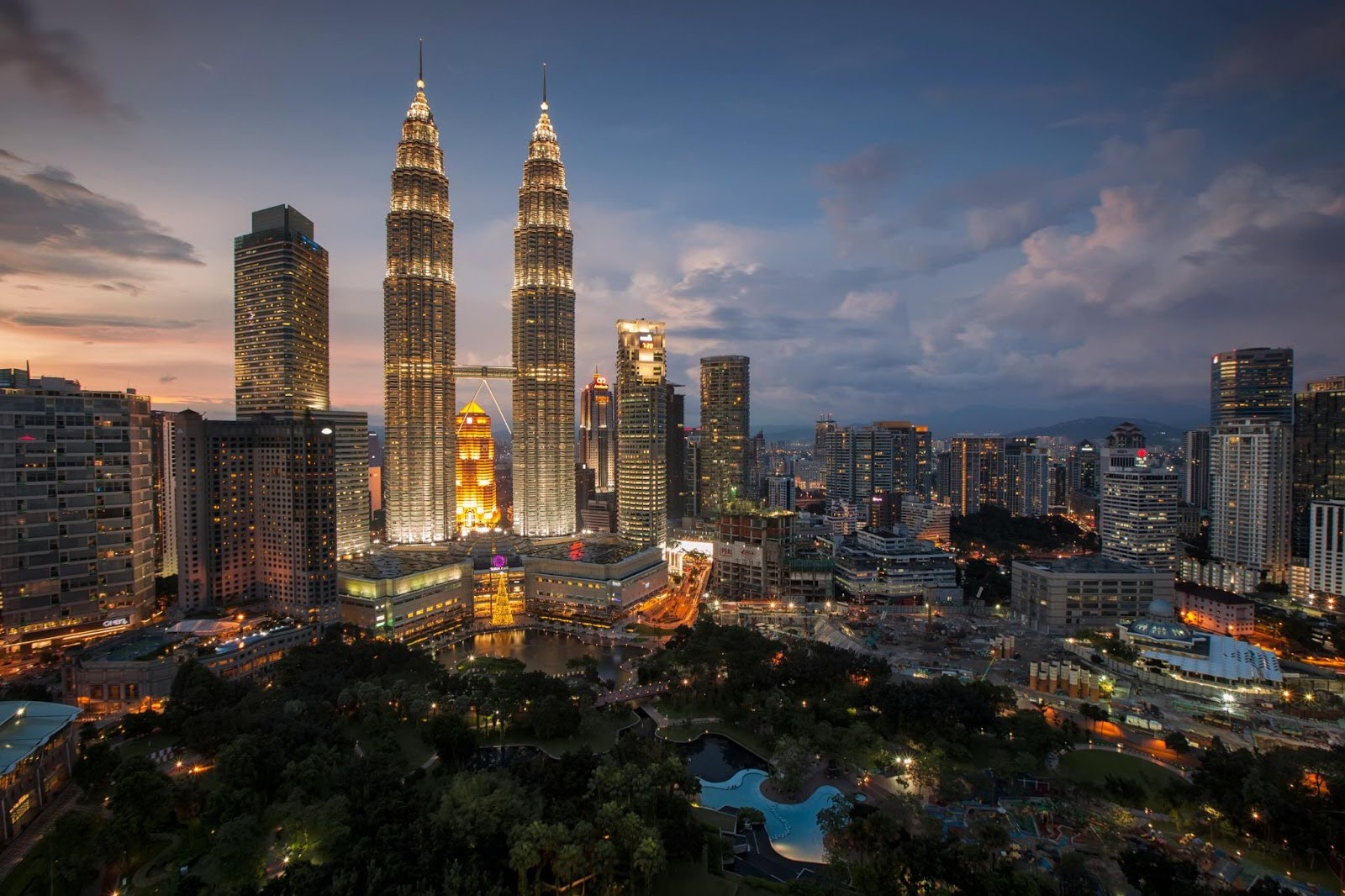
Malaysia doesn’t just provide medical treatment – it offers a rich cultural experience. Plan time to marvel at the Petronas Twin Towers, explore bustling markets in Kuala Lumpur, or escape into the lush greenery of the rainforest.
Traditional Healing in Malaysia: Ancient Wisdom Meets Modern Application
Malaysia’s vibrant tapestry of cultures has given rise to a rich tradition of healing practices passed down through generations. These practices intertwine indigenous knowledge, spiritual beliefs, and the vast biodiversity of the region’s rainforest. While modern healthcare is widely accessible in Malaysia, traditional medicine continues to play a significant role, often complementing conventional treatments.
The Pillars of Traditional Malay Medicine
Herbalism: Malaysia’s tropical rainforests are a treasure trove of medicinal plants. Healers, known as ‘bomohs’ or ‘sinsehs,’ have profound knowledge of herbs used to create remedies for ailments ranging from common colds to chronic conditions. Popular herbs include Tongkat Ali for vitality, Kacip Fatimah for women’s health, and Misai Kucing for kidney problems.
Spiritual Elements: Traditional Malay healing is often inseparable from spiritual beliefs. Healers may invoke prayers, spirits, or ancestors to aid in the healing process. Rituals and ceremonies might be conducted to ward off negative energies or imbalances believed to contribute to illnesses.
Massage and Manipulation: Urut, or traditional Malay massage, incorporates various techniques to relieve muscle tension, improve circulation, and promote relaxation. Healers may also use bone-setting and manipulative practices for joint pain, sprains, and other musculoskeletal issues.
Diverse Influences and Practices
Malaysia’s multicultural landscape has enriched traditional healing with diverse practices:
Traditional Chinese Medicine (TCM): Brought by Chinese immigrants, TCM is widely integrated into the healthcare system. Acupuncture, herbal remedies, and practices like cupping and Gua Sha are commonly utilized alongside mainstream medical interventions.
Traditional Indian Medicine: Ayurveda and Siddha, ancient Indian healing systems, are practiced by Indian communities in Malaysia. These offer holistic treatment approaches incorporating herbal remedies, yoga, meditation, and dietary recommendations.
Indigenous Traditions: The Orang Asli, Malaysia’s indigenous people, possess deep knowledge of rainforest plants and healing practices specific to their tribes. Their understanding of natural remedies has contributed significantly to the country’s traditional medicine.
Commonly Treated Conditions
Traditional healers in Malaysia have gained a reputation for effectively treating the following:
- Pain Management: Musculoskeletal pain, headaches, and chronic pain are often addressed with herbal remedies, massage, and manipulative techniques.
- Skin Conditions: Skin disorders like eczema, psoriasis, and fungal infections may be treated with topical herbal preparations and dietary changes.
- Digestive Issues: Traditional remedies aim to soothe digestive problems, improve gut health, and address issues like bloating, constipation, and diarrhea.
- Women’s Health: Herbal preparations and practices specific to women’s reproductive health are widespread, addressing menstrual irregularities, postpartum care, and menopausal symptoms.
- Mental and Emotional Well-being: Spiritual healing, meditation, and herbal remedies may be utilized to address stress, anxiety, and mild mood disorders.
The Modern Landscape of Traditional Healing
Traditional healing in Malaysia is evolving with the influence of modern healthcare:
- Government Initiatives: The Malaysian government recognizes the value of traditional medicine, establishing regulatory bodies and research centers to ensure safety and promote the integration of effective traditional practices into the healthcare system.
- Scientific Validation: Research is underway to scientifically investigate the efficacy of traditional remedies. This helps to identify the active compounds in medicinal plants and validate their therapeutic potential.
- Collaboration: In some cases, traditional healers and modern healthcare practitioners collaborate, offering patients a holistic approach to treatment.
Finding a Traditional Healer
If you’re interested in exploring traditional healing in Malaysia, here are some considerations:
- Reputable Healers: Seek recommendations from locals, healthcare professionals, or reputable organizations specializing in traditional medicine.
- Open Communication: Clearly communicate your health concerns and medical history to the healer. Don’t hesitate to ask questions about the proposed treatments.
- Complementary Approach: Consider traditional healing as a complement to, rather than a replacement for, conventional medical care, especially for serious conditions.
Embracing the Power of Traditional Healing
Malaysia offers a unique opportunity to delve into the world of traditional healing. With its diverse cultural influences, wealth of medicinal plants, and a growing recognition of its potential, traditional medicine continues to play a valuable role in promoting health and well-being in Malaysia.
Substance Use Disorder
Malaysia’s approach to substance use disorder is continually evolving. While historically focused on strict law enforcement and compulsory treatment, the country is actively exploring ways to incorporate harm reduction, decriminalization strategies, and expanded community-based support for treatment.
Law Enforcement and Criminalization
- Government-run Centers: The National Anti-Drugs Agency (AADK) operates a network of Cure and Care Rehabilitation Centers (CCRCs) throughout Malaysia. These centers provide compulsory treatment programs for individuals detained for drug use offenses.
- Voluntary Treatment Options: Government hospitals, private clinics, and NGOs also offer voluntary treatment programs, including:
- Detoxification
- Counseling and therapy (individual and group)
- Relapse prevention education
- Vocational training and social reintegration support
Harm Reduction
- Needle Exchange Programs: Recognizing the link between injection drug use and HIV/AIDS transmission, Malaysia implements limited needle and syringe exchange programs in specific areas.
- Methadone Maintenance Therapy: Some facilities provide methadone maintenance therapy (MMT) as a means to reduce harm and withdrawal symptoms in individuals with opioid addiction.
Evolving Approaches
Malaysia is actively working to improve its strategies, including:
- Decriminalization Discussions: There is ongoing debate about decriminalizing drug possession for personal use, shifting the focus towards treatment and harm reduction.
- Community-Based Treatment: Increasing emphasis on expanding community-based treatment and aftercare support for a more sustainable approach.
- Research and Collaboration: Investing in research to evaluate treatment effectiveness and collaborate with international organizations to share best practices in addiction treatment.
More Information:
- National Anti-Drugs Agency (AADK) Malaysia: Their website provides details on their policies, rehabilitation programs, and prevention efforts.
- Malaysian Ministry of Health: Outlines resources for addiction treatment within the healthcare system.
World Health Organization (WHO) Reports: Includes specific information on Malaysia’s strategies for addressing substance use, as well as global trends and best practices.
Wellness Retreats: Finding Rejuvenation in Malaysia
Malaysia’s vibrant natural landscapes, rich cultural heritage, and commitment to wellness make it an ideal destination for those seeking rejuvenation. Let us explore the diverse range of wellness retreats this Southeast Asian gem has to offer:
Types of Wellness Retreats:
- Yoga & Meditation Retreats: Discover inner peace through traditional yoga practices, guided meditation, and mindfulness exercises. Retreats are often nestled within tranquil rainforests or offer stunning oceanfront views. Pricing starts around $100 per night.
- Ayurvedic Retreats: Immerse yourself in Ayurveda, the ancient Indian healing system. Experience personalized treatments, herbal remedies, nutritional guidance, and mind-body therapies designed to restore balance. Prices range from $150-$500 per night.
- Spa & Relaxation Retreats: Indulge in luxurious spa treatments, massages inspired by traditional Malay techniques, and a range of rejuvenating therapies. Relax by the pool, unwind in natural hot springs, and savor nourishing cuisine. Prices range from $150-$600 per night.
- Detox and Cleansing Retreats: Support your body’s natural detoxification processes with juice cleanses, specialized diets, and wellness therapies. These programs often incorporate elements of traditional medicine and focus on overall health and well-being. Prices range from $180-$450 per night.
- Eco-Retreats: Reconnect with nature by choosing retreats set within lush rainforests or secluded beaches. These offer opportunities for jungle trekking, bird watching, and a chance to focus on environmental sustainability alongside your wellness goals. Prices range from $120-$350 per night.
Unique Offerings:
- Traditional Malay Healing: Explore the healing wisdom of Malaysia’s indigenous traditions with herbal remedies, massages like ‘urut’, and spiritual practices aimed at restoring harmony.
- Diverse Cultural Experiences: Some retreats offer guided visits to vibrant markets, historical temples, or offer opportunities to learn traditional arts and crafts.
Wellness with a Touch of Adventure: Malaysia boasts excellent hiking trails, waterfalls, and opportunities for watersports. Consider retreats that combine outdoor activities with a wellness focus.

- Set Your Intention: What’s your primary goal – relaxation, detox, spiritual exploration, or overall well-being?
- Choose Your Environment: Do you envision a jungle setting, a secluded beach, or a retreat nestled in the mountains?
- Explore Retreat Offerings: Browse websites to understand program specifics, amenities, and the overall retreat philosophy.
- Seek Reviews: Learn from other travelers’ experiences by reading online reviews and testimonials.
Malaysia’s rich tradition of natural medicine offers a wealth of potential benefits. Always consult qualified practitioners and respect the knowledge passed down through generations. Prioritize evidence-based practices, and be sure to consult with your doctor before undertaking new wellness programs.
Is Traveling to Malaysia for Medical Tourism Safe?
Malaysia offers an alluring mix of vibrant cities, lush rainforests, pristine beaches, and a rich cultural tapestry. However, safety concerns may linger in the minds of potential visitors. The truth is that Malaysia is generally a safe destination for travelers, and with awareness and sensible precautions, you can enjoy a fantastic and worry-free experience.
Dispelling the Myths
Myth 1: Malaysia is dangerous due to its Southeast Asian location.
While some Southeast Asian countries have safety concerns, Malaysia boasts a lower crime rate and a more stable political climate than some of its neighbors.
Myth 2: Petty theft is rampant.
While petty theft can happen anywhere, Malaysia is no riskier than many other popular tourist destinations. Basic precautions significantly decrease your chances of experiencing such incidents.
Myth 3: Religious and cultural differences make Malaysia unsafe for foreigners.
Malaysia is a multicultural country with a tradition of tolerance and hospitality. Visitors are generally welcomed warmly, and respecting the local customs goes a long way.
Myth 4: Tropical diseases are a major concern.
While some precautions are advised, Malaysia has a well-developed healthcare system, and outbreaks of severe diseases are rare.
Myth 5: You need to be fluent in Malay to travel safely.
English is widely spoken, especially in tourist areas. While learning some basic phrases is appreciated, you can easily communicate and get help if needed.
Real Safety Concerns and Considerations
A little common sense and proactive planning go a long way in ensuring a safe and enjoyable experience in Malaysia. Here is an overview of some practical precautions to keep in mind:
What To Watch For
- Petty Theft: Snatch-and-grab incidents and pickpocketing can occur, especially in crowded markets or tourist areas. Be mindful of your belongings and leave valuables in your hotel safe.
- Scams: As in many tourist destinations, be aware of taxi scams, overcharging, or offers of suspiciously cheap tours. Stick to reputable services and confirm prices beforehand.
- Road Safety: Road conditions can be variable, and traffic, especially in cities, can be chaotic. Exercise caution if renting a vehicle, and consider pre-arranged transport or guided tours for longer journeys.
- Demonstrations: Occasional political demonstrations can occur in major cities. Avoid these gatherings, as they can sometimes turn disruptive.
What To Consider
- Stick to Reputable Areas: Popular tourist destinations like Kuala Lumpur, Penang, Langkawi, and Sabah generally have good security measures and lower crime rates.
- Choose Your Accommodation Wisely: Opt for hotels or resorts with good security in safe locations.
- Be Aware of Your Surroundings: Stay alert, especially at night, and avoid isolated or unfamiliar areas alone.
- Dress Modestly: Malaysia is a predominantly Muslim country, and while not overly strict, it’s respectful to dress modestly, especially in religious sites or rural areas.
- Check Travel Advisories: Consult your government’s travel advisories for up-to-date information on specific areas of Malaysia.
Vaccinations
In order to avoid any unnecessary illness that could interrupt your medical tourism adventure, ensure you are up to date on all the recommended vaccinations before traveling to Malaysia.
Routine Vaccinations:
Make sure you’re up-to-date on all routine vaccinations recommended by the CDC, including:
- Measles, mumps, rubella (MMR)
- Diphtheria-tetanus-pertussis
- Chickenpox (varicella)
- Polio
- Yearly flu shot
Recommended Vaccinations:
- Hepatitis A: Transmitted through contaminated food and water. Highly recommended for all travelers to Malaysia.
- Typhoid: Also spread through contaminated food and water. Recommended, especially if visiting rural areas, spending longer periods, or if your food choices might be less controlled.
- Japanese Encephalitis: Mosquito-borne disease. Consider spending extensive time outdoors in rural areas, particularly during the rainy season.
- Rabies: Considered if engaging in activities with a high risk of animal contact, especially in remote areas, or if you’ll be far from access to post-exposure treatment.
- Malaria: Anti-malarial medication might be recommended for certain rural areas of Malaysia, particularly in Borneo.
A Note on Remote Areas:
While generally safe, extra caution is advised when traveling to extremely remote regions, especially in Eastern Malaysia (Sabah, Sarawak). Research the area beforehand, use reputable tour guides for excursions into the jungle, and be mindful of local advice.
Tips for Staying Safe
- Valuables Out of Sight: Don’t flash expensive jewelry, cash, or electronics unnecessarily.
- Use Licensed Taxis or Ride-Shares: Choose reputable taxi companies or use apps like Grab, which offer safer and more transparent services.
- Be Mindful When Using ATMs: Use ATMs in well-lit, public areas, and be discreet when withdrawing cash.
- Trust Your Instincts: If a situation feels unsafe, remove yourself quickly and seek help.
- Learn Basic Malay Phrases: Even a few greetings and expressions show respect and can help in simple situations.
Overall, Malaysia is a Welcoming and Safe Destination
By exercising common sense, respecting local customs, and taking basic precautions, you can significantly minimize risks and fully enjoy the wonders Malaysia has to offer.
Cultural Enchantment and Additional Benefits of Medical Tourism in Malaysia
Malaysia offers an attractive mix of high-quality medical care and a vibrant mosaic of cultures. This compelling blend of medical treatment and cultural exploration allows for a rich and multifaceted experience with the potential for personal transformation.
Traditions Steeped in Diversity
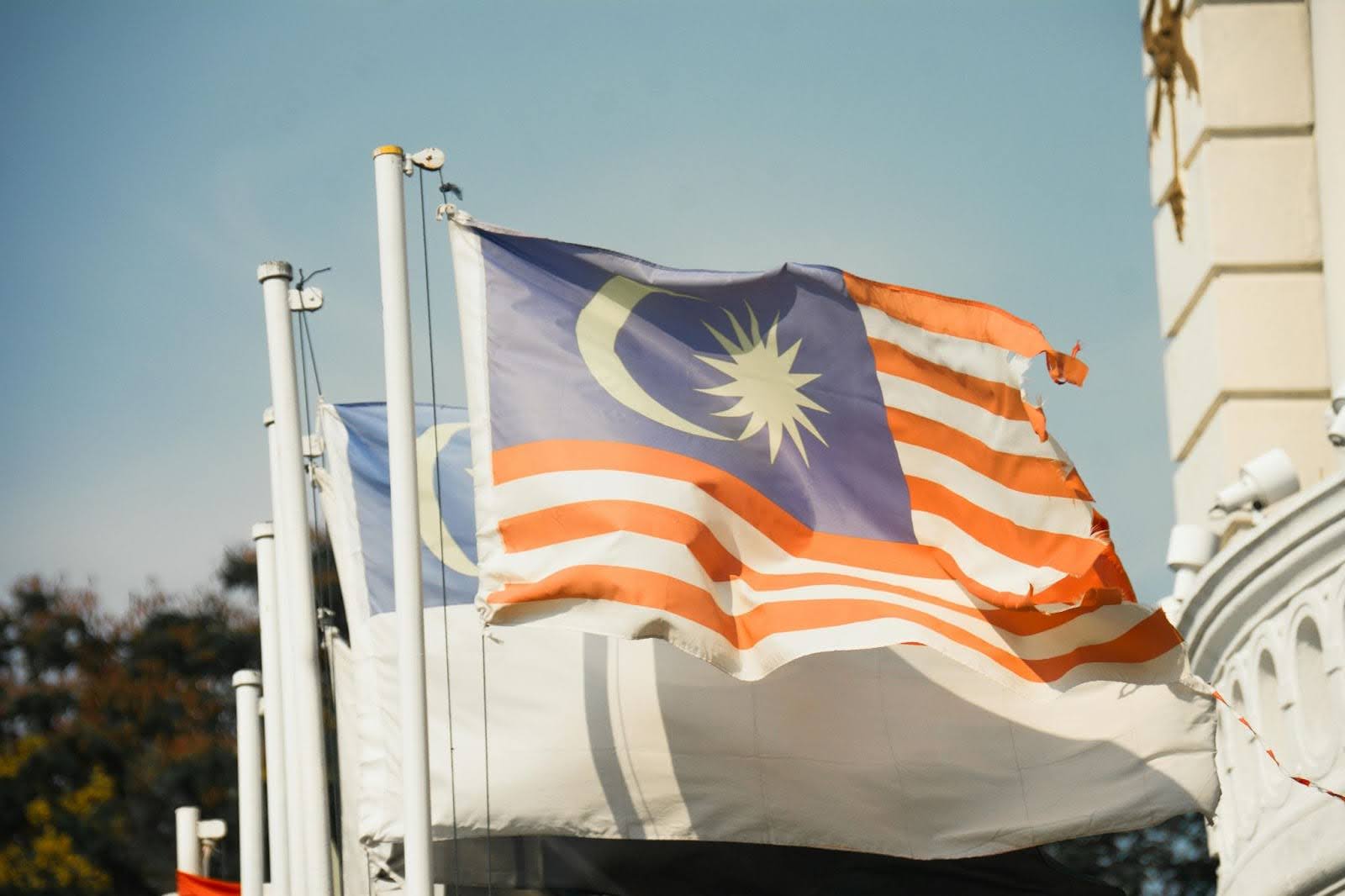
Malaysia’s cultural landscape is a tapestry woven with threads of Malay, Chinese, Indian, and indigenous influences.
Understanding the values and traditions that shape this multicultural society allows for deeper engagement and a meaningful appreciation of local customs.
Malay Traditions: Harmony and Hospitality:
Malay culture emphasizes “adat” (customs) and the importance of maintaining harmony in families and communities. Hospitality is another fundamental pillar, and visitors are often welcomed warmly. Observe these values through the emphasis on proper greetings, modest attire (particularly when visiting religious sites), and gracious acceptance of gifts or invitations.
Culinary Adventures: A Spice-Filled Journey:
Explore a world of flavors influenced by Malay, Chinese, Indian, and indigenous culinary traditions. Sample savory curries rich in spices, fragrant nasi lemak (coconut rice dish often served for breakfast), tangy laksa (spicy noodle soup), or the national dish nasi kandar, a symphony of flavors on a single plate.
Venture to local markets, sample unique street foods or learn the nuances of traditional recipes in a cooking class.
Historical Treasures:
Walk the streets of Melaka, a UNESCO World Heritage Site, where remnants of Portuguese, Dutch, and British colonial rule stand alongside traditional shophouses and temples. Discover the grandeur of Sultan Abdul Samad Building in Kuala Lumpur, a stunning example of Mughal architecture. Visit Kek Lok Si Temple in Penang, one of Southeast Asia’s largest and most ornate Buddhist temples. Immersing yourself in these historical sites offers insights into the forces that shaped modern-day Malaysia.
Seeking Inner Harmony Through Spiritual Exploration:
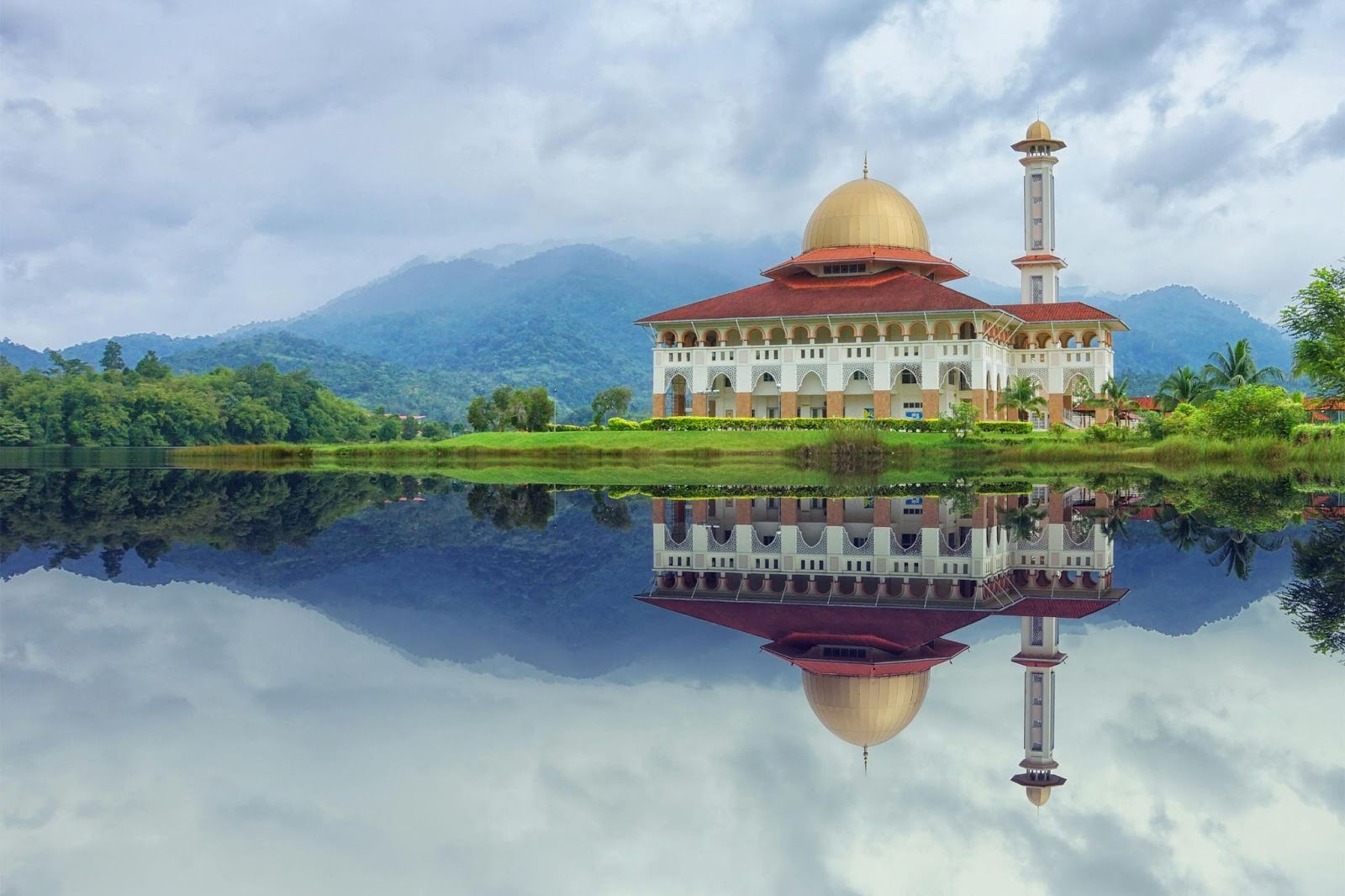
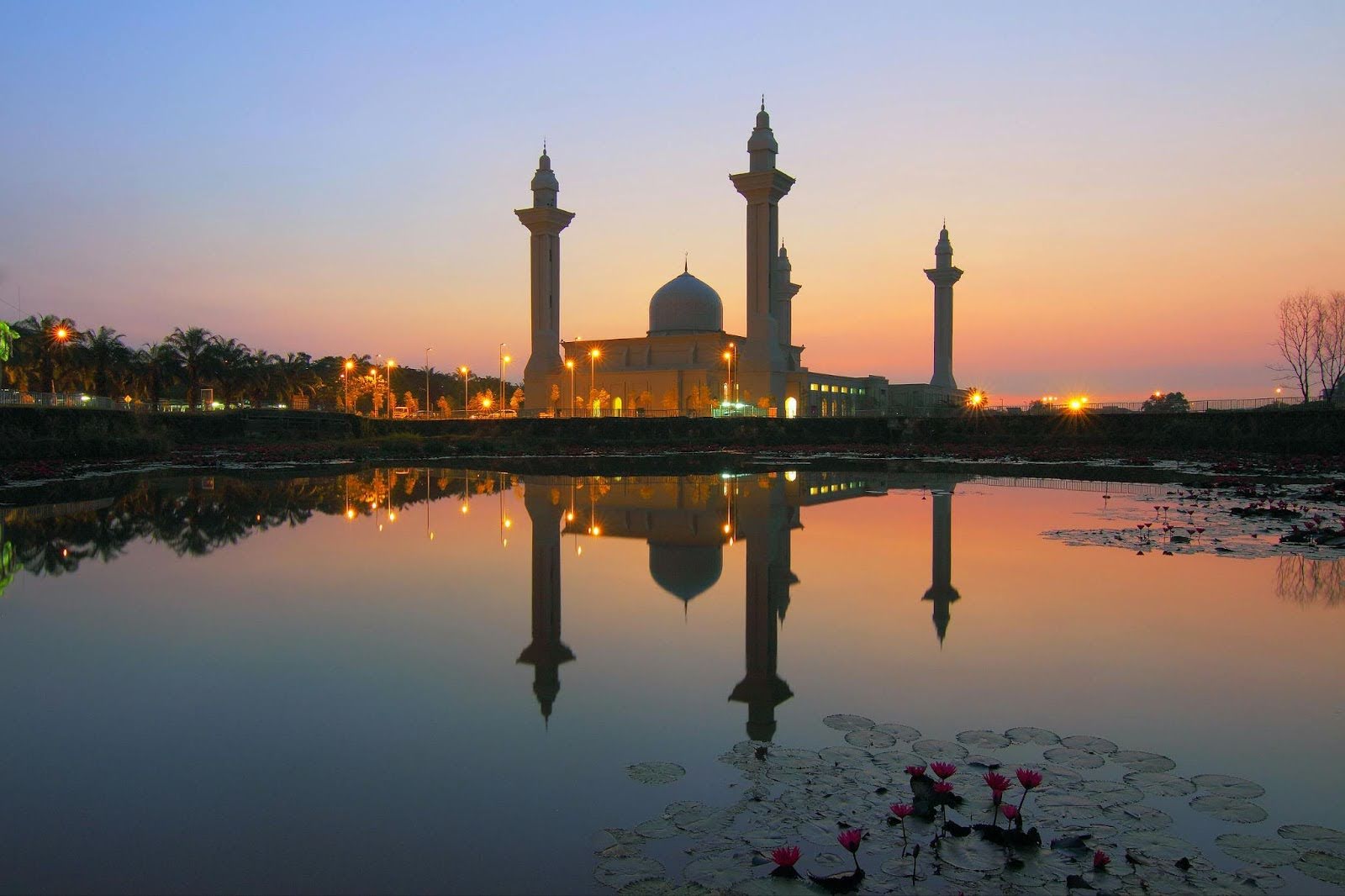
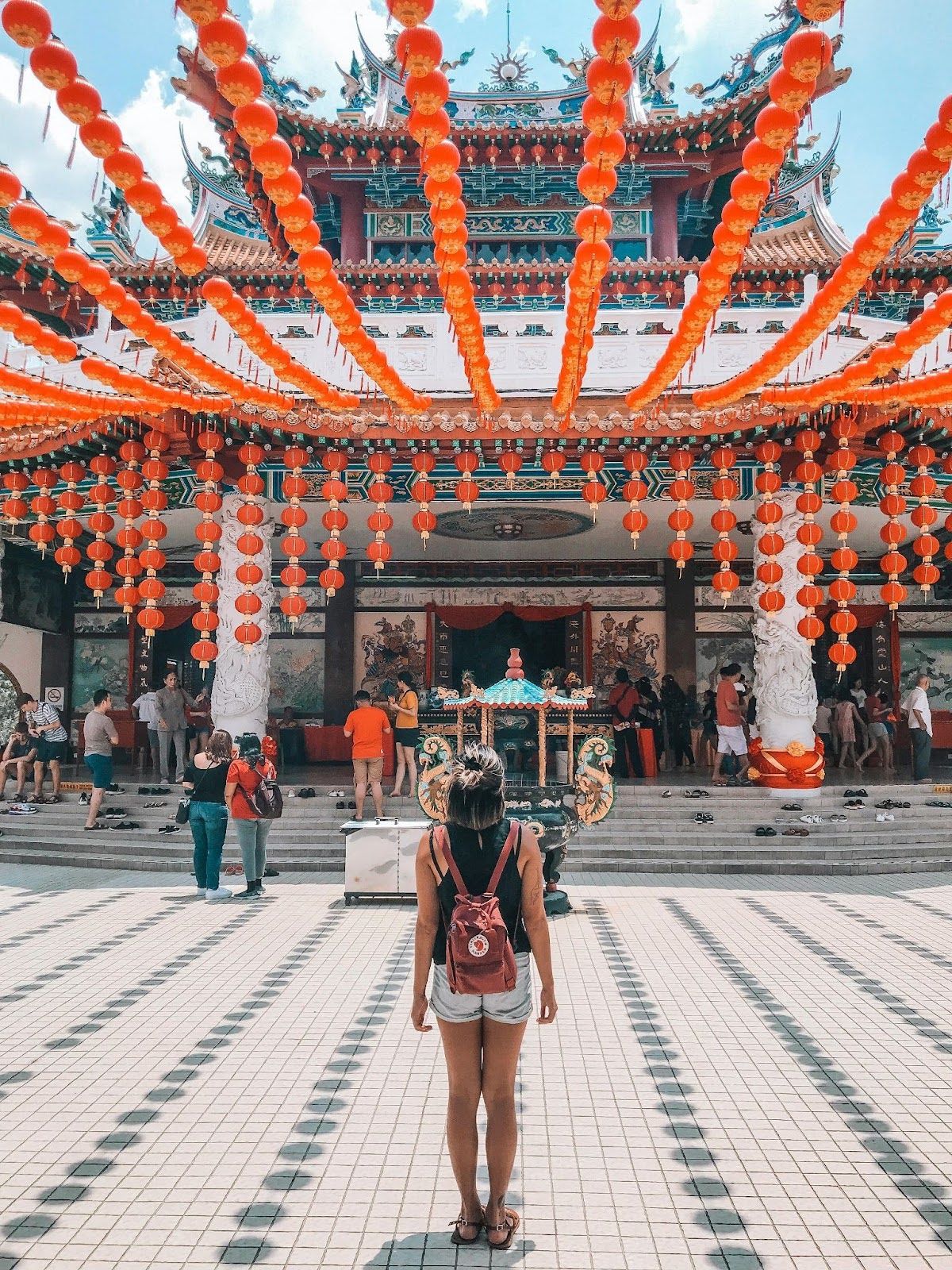
Malaysia’s diverse spiritual landscape reflects its multicultural heritage. Visit Hindu temples filled with intricate sculptures and vibrant colors, explore serene Buddhist temples with the soft chanting of monks, and admire the graceful minarets of mosques, significant places of worship for the Muslim community. Seek out smaller shrines and temples dedicated to specific deities or local traditions, offering unique glimpses of faith and customs.
Cultural Nuances:
Navigating a new culture is both exciting and can sometimes be a bit tricky. Here are a few things to keep in mind to ensure smooth interactions during your medical trip:
Basic Bahasa Malaysia Phrases:
Learning simple greetings like “Selamat pagi” (good morning) and “terima kasih” (thank you) demonstrates respect and can open doors to friendly interactions. A translation app for more detailed communication can also be useful.
Mindful Attire:
Malaysia is a relatively conservative country, particularly in rural areas. Dress modestly by covering your shoulders and knees, especially when visiting religious sites. In major cities, you’ll see more diversity in fashion styles, but maintaining a sense of decorum shows cultural sensitivity.
Gestures and Etiquette:
A slight bow or nod is a common greeting, especially towards elders. Be mindful of where you point your feet, as pointing the soles of your feet at someone is considered rude. Eating with your right hand is customary, and public displays of affection are generally less common.
Haggling with a Smile:
Bargaining is expected in most local markets, though malls usually have fixed prices. Start with a fair counteroffer, and be prepared to walk away if you cannot reach an agreement. Remember, haggling should be a lighthearted interaction!
Tipping Culture:
Tipping isn’t ingrained in Malaysian culture, but small gestures are appreciated for exceptional service. Discreetly handing a tip directly to a restaurant server or tour guide is a kind way to express gratitude.
Medical Care Conversations
Although many medical professionals speak English, here are a few tips to ensure clear communication with doctors:
- Bring a Translator: If you have concerns about the language barrier, consider hiring a medical translator or bringing someone fluent in Bahasa Malaysia.
- Question List: Write your questions in advance and translate them if needed.
- Be Patient and Clear: Speak slowly and clearly, being patient if your doctor needs clarification.
- Non-verbal Cues: Pay attention to body language and tone to gain additional understanding.
- Advocate for Yourself: Don’t be afraid to ask for repetition or to clarify instructions. Your health is paramount!
Top Destinations to Combine Medicine and Exploration
Malaysia offers a mesmerizing mix of bustling cities, pristine beaches, and lush rainforests. Here are some prime locations to enrich your medical tourism experience:
Kuala Lumpur: Malaysia’s vibrant capital pulsates with energy, offering a unique blend of the modern and traditional. Begin your adventure at the iconic Petronas Twin Towers, where you can ascend to the sky bridge for breathtaking city skyline views. Immerse yourself in the bustling atmosphere of Chinatown, filled with colorful temples, traditional shophouses selling a variety of goods, and enticing street food vendors.
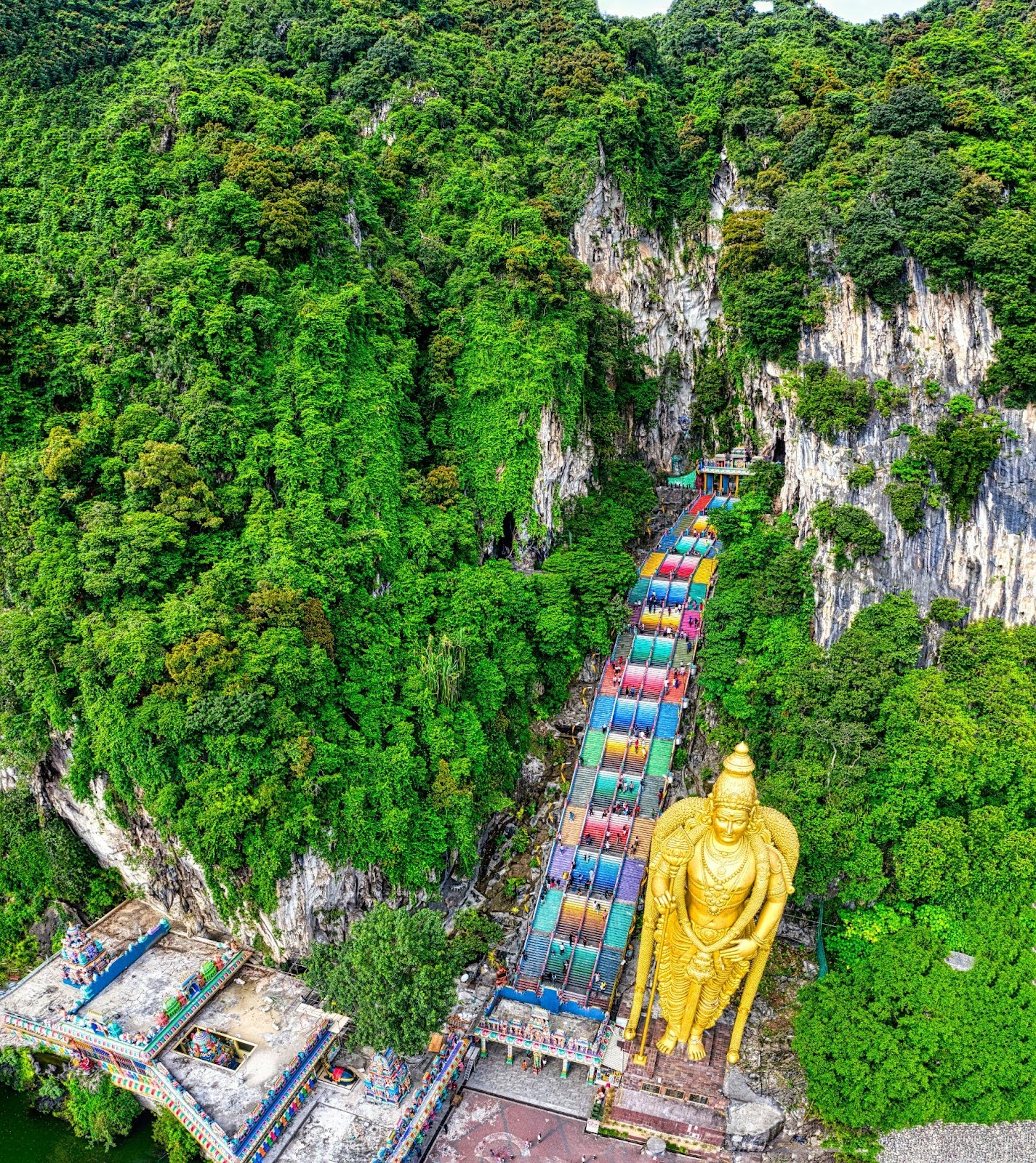
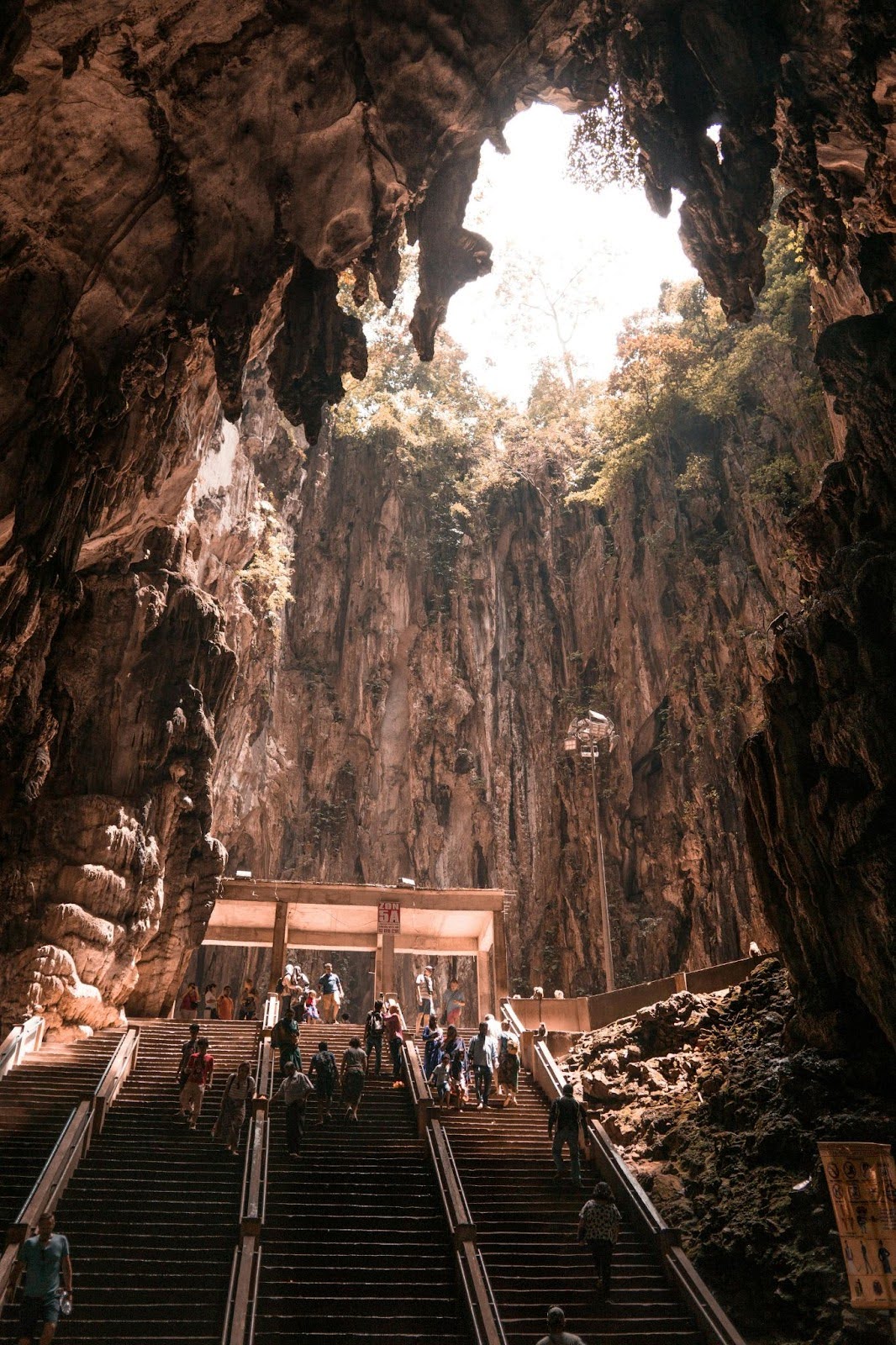
Next, explore the sacred Batu Caves, an immense limestone outcrop home to a series of Hindu cave temples, where playful macaque monkeys await curious visitors. For a taste of nature within the city, trek along the trails of Bukit Nanas Forest Reserve, a protected patch of rainforest surprisingly close to the urban heart, offering a chance to spot unique flora and fauna.
Penang: This island, steeped in history and culture, is a culinary and architectural paradise. Delve into the maze-like alleyways of George Town, a UNESCO World Heritage Site, admiring colonial buildings and traditional Chinese shophouses adorned with ornate details. Prepare your taste buds for an explosion of flavors as you sample legendary hawker stall dishes – from steaming bowls of char kway teow (stir-fried noodles) to spicy bowls of Assam Laksa.
Seek out the ornate Kek Lok Si Temple, Southeast Asia’s largest Buddhist temple, perched on a scenic hill overlooking the island. Ascend Penang Hill by the historic funicular railway for panoramic views of the city and coastline, or explore the lush gardens and unique plant varieties at the Tropical Spice Garden.
Melaka: History enthusiasts will delight in Melaka, a city where centuries of colonial influence have left an indelible mark. Stroll through the charming streets of the old town, passing by Dutch-era buildings painted cheerful red, Portuguese fortifications, and antique shops brimming with treasures. The vibrant Jonker Street night market is a must-visit, with street vendors, live music, and a lively atmosphere.
Take a leisurely cruise along the Melaka River, offering a different perspective on the city’s architectural heritage, or visit the Stadthuys, a 17th-century Dutch administrative building, for a glimpse into the city’s rich past.
Langkawi: Escape to the idyllic archipelago of Langkawi, where sun-kissed beaches, lush rainforests, and duty-free shopping await. Embrace the island life by relaxing on pristine stretches of sand, swimming in turquoise waters, or indulging in fresh seafood at beachfront restaurants. Ascend the thrilling Langkawi SkyCab for breathtaking rainforest views, ending at the SkyBridge, where you can walk across a curved suspension bridge high above the jungle canopy. Nature lovers can hike to cascading waterfalls, explore mangrove forests on a kayak tour, or seek out the island’s rich birdlife.
Borneo: Malaysian Borneo is a thrilling destination for intrepid explorers, renowned for its orangutans, ancient rainforests, and rich biodiversity. Visit rehabilitation centers dedicated to protecting and caring for orphaned or injured orangutans, observing these gentle primates up close. Trek along jungle trails in wildlife-rich national parks, spotting elusive proboscis monkeys, colorful hornbills, or even the world’s smallest bear, the sun bear.
Kota Kinabalu: The capital of Sabah, nestled between pristine beaches and the majestic Mount Kinabalu, Kota Kinabalu offers the perfect balance between nature and city life. Explore the vibrant waterfront with its markets, seafood restaurants, and lively nightlife. Seek out the unique stilt houses of the water villages to learn about the Bajau people’s traditional lifestyle. Take a boat trip to nearby islands for idyllic beaches or to spot the peculiar proboscis monkey, found only in Borneo.
Ipoh: Famous for its delicious white coffee, Ipoh is a hidden gem waiting to be discovered. Admire the colonial architecture, especially the grand Railway Station known as the “Taj Mahal of Ipoh.” Embark on a pilgrimage to stunning cave temples carved within limestone hills, such as Perak Cave Temple or Sam Poh Tong, each offering intricate statues and serene settings. Embrace the nostalgia of traditional coffee shops serving Ipoh’s famous white coffee paired with local snacks.
Cameron Highlands: Seek respite from the tropical heat in the Cameron Highlands, where rolling green hills covered in tea plantations create a picturesque landscape. Tour tea estates to learn about the process from leaf to cup and sample freshly brewed varieties offering unique flavors. Visit strawberry farms to handpick your sweet treats or embark on scenic hiking trails through lush forests, discovering hidden waterfalls and stunning viewpoints.
Tioman Island: This laid-back island off the east coast of Peninsular Malaysia is a haven for divers, snorkelers, and nature lovers. Explore vibrant coral reefs teeming with marine life, from colorful clownfish to graceful sea turtles. Relax on pristine beaches, trek through lush rainforests in search of waterfalls, or simply unwind in a hammock, soaking in the peaceful island atmosphere.
Taman Negara: Immerse yourself in the ancient beauty of Taman Negara, one of the oldest rainforests in the world. Hike along the canopy walkway suspended high above the forest floor, offering a unique bird’s-eye view of the diverse ecosystem below.
Embark on thrilling white water rafting expeditions or opt for a leisurely boat trip on the river, spotting wildlife along the banks. Learn about the traditional lifestyle and culture of the indigenous Orang Asli communities who have called this rainforest home for centuries.
Remember: This list is just a starting point – Malaysia is filled with hidden gems!
Unlock a Transformative Experience
Medical tourism in Malaysia is an opportunity to not only access excellent healthcare but also embark on a culturally enriching journey. Learn from the diverse traditions that coexist here, explore historical sites, try new dishes, and respect local customs. A well-planned trip can lead to an unforgettable and transformative experience that extends far beyond medical treatment itself.