
Your Body, Your Fight: Exploring Cancer Treatment Options for American Medical Tourists
Cancer, a daunting diagnosis that disrupts lives, demands the most effective treatment strategies. Thankfully, advancements in oncology offer a spectrum of powerful tools to combat this disease. However, the high cost of cancer treatment in the United States can be a significant obstacle for many patients. This is where medical tourism emerges as a potential solution, providing access to innovative and potentially life-saving cancer treatments abroad at potentially lower costs. Before embarking on this empowering journey, understanding the diverse treatment options available can equip you to make informed decisions.

A Look at Promising Cancer Treatments Offered by Reputable Medical Facilities Abroad:
While medical tourism offers the potential for cost savings, prioritizing quality care remains paramount. Here’s an overview of some of the most advanced cancer treatments offered by reputable medical facilities abroad:
Surgical Oncology: Minimally invasive laparoscopic and robotic-assisted surgical techniques can offer advantages like smaller incisions, faster recovery times, and potentially less pain compared to traditional open surgery for some cancers.
Radiation Therapy: Advancements in radiation therapy technology offer more precise targeting of cancerous cells, minimizing damage to healthy surrounding tissues. This can include techniques like stereotactic radiosurgery (SRS) and intensity-modulated radiation therapy (IMRT).
Chemotherapy: Access to a broader range of chemotherapy drugs used in combination regimens may be available abroad.
Immunotherapy: This cutting-edge treatment harnesses the body’s immune system to fight cancer cells. Immunotherapy drugs and CAR T-cell therapy are innovative options leading cancer centers abroad offer.
Optimizing Your Cancer Treatment Journey Abroad:
Making informed choices is vital when considering cancer treatment abroad. Here are some key steps to ensure a successful medical tourism experience:
- Research and Accreditation: Prioritize facilities accredited by recognized international organizations like JCI (Joint Commission International). Research the qualifications and experience of the oncologists and oncology teams treating your cancer type.
- Second Opinions and Treatment Plans: Obtain a copy of your pathology reports and treatment plan from your US oncologist. Seek second opinions from qualified oncologists abroad to explore all treatment options and ensure the facility offers the most suitable approach for your specific case.
- Pre-Departure Planning: Discuss your medical history and treatment goals with your US oncologist. Gather detailed medical records to share with the clinic abroad. Communicate with the chosen facility to understand their pre-treatment protocols and any necessary tests.
- Transparency and Communication: Maintain clear and open communication with your chosen oncology team abroad. Don’t hesitate to ask questions about the treatment plan, potential side effects, and recovery process.
- Post-Treatment Care: Ensure a clear follow-up care plan is established before returning home. This may involve consultations with your US oncologist or continued remote monitoring and consultations with the oncology team abroad.
By understanding the available cancer treatment options, prioritizing qualified medical facilities, and following these steps, American medical tourists can confidently explore their options for high-quality, potentially more affordable cancer care abroad. Knowledge and informed decision-making are crucial allies in your fight against cancer.
Surgical Oncology
Cancer, a life-altering diagnosis, necessitates decisive action. Surgical oncology, a cornerstone of cancer treatment, offers a powerful tool to combat this disease by removing cancerous tumors and potentially improving patient outcomes. Advancements in surgical techniques minimize invasiveness, leading to faster recovery times and less discomfort. However, the high cost of surgical oncology procedures in the United States can pose a significant barrier for many patients. This is where medical tourism emerges as a potential solution, providing access to innovative and life-saving surgical oncology procedures abroad at substantially lower costs. Before embarking on this empowering journey, understanding the range of surgical oncology procedures and the cost benefits can equip you to make informed decisions.
A World of Surgical Expertise: Exploring Procedures Offered Abroad
Reputable medical facilities abroad offer a diverse range of advanced surgical oncology procedures, some of which may include:
- Minimally Invasive Surgery (MIS): Laparoscopic and robotic-assisted surgical techniques offer advantages, such as smaller incisions, faster recovery times, and potentially less pain, compared to traditional open surgery for various cancers.
- Organ-Sparing Surgery: Whenever possible, surgeons prioritize procedures that preserve healthy tissue while removing cancerous tumors. This can be particularly relevant for breast cancer and some gynecological cancers.
- Oncologic Plastic Surgery: This specialized field combines cancer removal with reconstructive techniques to improve cosmetic outcomes and quality of life after surgery.
- Sentinel Lymph Node Biopsy: This technique helps determine if cancer has spread to the lymph nodes, potentially reducing the need for extensive lymph node removal.
How Much Can I Save?
The significant cost disparities between the US and popular medical tourism destinations for surgical oncology procedures can be compelling; they are some of the most significant disparities in the medical tourism world. Here’s a glimpse into the potential savings:
| Country | Average Cost | Considerations |
|---|---|---|
| United States | $75,000 - $200,000+ | Prices vary depending on hospital stay, surgeon experience, facility fees, surgical complexity (type of cancer and extent of surgery), and geographic location. |
| Mexico | $40,000 - $70,000 | Consider travel and potential communication barriers. Research facility accreditations (JCI preferred) and surgeon qualifications (board certification in your cancer type). |
| Costa Rica | $45,000 - $75,000 | Similar considerations as Mexico regarding travel and communication. Focus on JCI-accredited facilities and board-certified surgeons in your cancer type. |
| Colombia | $35,000 - $60,000 | It is a popular choice, but thorough research is crucial. Ensure JCI accreditation and surgeon qualifications (board certification in your cancer type). |
| Thailand | $30,000 - $50,000 | It is a budget-friendly option, but significant research is necessary due to varying quality standards. Choose JCI-accredited facilities and board-certified surgeons in your cancer type. |
| India | $25,000 - $45,000 | The most comprehensive range is due to varying quality standards. Extensive research of facilities, surgeon credentials (board certification in your specific cancer type), and accreditations (JCI preferred) are essential. |
| Hungary | $50,000 - $70,000 | Offers a balance between affordability and quality care in Europe. Look for JCI accreditation and surgeon qualifications (board certification in your specific cancer type). |
| Poland | $45,000 - $65,000 | Similar considerations as Hungary regarding affordability and quality. Research JCI accreditation and surgeon qualifications (board certification in your cancer type). |
| Czech Republic | $40,000 - $60,000 | Similar considerations as Hungary and Poland regarding affordability and quality. Research JCI accreditation and surgeon qualifications (board certification in your cancer type). |
| Spain | $60,000 - $80,000 | Popular European destination with high-quality facilities. Research surgeon experience (board certification in your cancer type) and facility accreditations (JCI preferred). |
Please note: These are average costs and can vary depending on the surgeon’s experience, facility fees, the complexity of the surgery (type of cancer and extent of surgery), and post-surgical care needs. It’s crucial to get quotes directly from clinics you’re considering.
By carefully appraising surgical oncology options and exploring medical tourism possibilities, you can take control of your healthcare journey and potentially achieve significant cost savings. Remember, consulting with a qualified oncologist in your home country is crucial to determine if surgical oncology is the proper treatment approach for your specific cancer and discuss the potential risks and benefits of the procedure. They can also help you navigate the process of finding reputable facilities and qualified surgeons abroad.
Optimizing Your Surgical Oncology Journey Abroad:
Making informed choices is vital when considering surgical oncology abroad. Here are some key steps to ensure a successful medical tourism experience:
- Research and Accreditation: Prioritize facilities accredited by recognized international organizations like JCI (Joint Commission International). Research the qualifications and experience of the surgeons specializing in your cancer type.
- Second Opinions and Treatment Plans: Obtain a copy of your pathology reports and treatment plan from your US oncologist. Seek second opinions from qualified oncologists abroad, particularly those experienced in your specific cancer. This ensures you explore all treatment options and confirms the facility offers the most suitable approach for your case.
- Pre-Departure Planning: Discuss your medical history, treatment goals, and concerns with your US oncologist. Gather detailed medical records to share with the clinic abroad. Communicate with the chosen facility to understand their pre-operative protocols, tests required, and the potential need for travel vaccinations or medications.
- Communication and Transparency: Maintain clear and open communication with your chosen surgical oncology team abroad. Ask questions about the surgical procedure, potential side effects, recovery process, and post-surgical care plan.
- Post-Surgical Care: Ensure a clear follow-up care plan is established before returning home. This may involve consultations with your US oncologist or continued remote monitoring and consultations with the oncology team abroad.
By understanding the available surgical oncology procedures, prioritizing qualified medical facilities, and following these steps, American medical tourists can confidently explore their options for high-quality, potentially more affordable cancer treatment abroad. Remember, knowledge empowers you to make informed decisions throughout your surgical oncology journey, allowing you to focus on your fight against cancer with greater confidence and a brighter outlook.
Which Countries Specialise in Surgical Oncology?
Cancer, a life-altering diagnosis, necessitates decisive action. Surgical oncology, a cornerstone of cancer treatment, offers a powerful tool to combat this disease by removing cancerous tumors and improving patient outcomes. Advancements in surgical techniques minimize invasiveness, leading to faster recovery times and less discomfort. However, the high cost of surgical oncology procedures in the United States can pose a significant barrier for many patients. This is where medical tourism emerges as a potential solution, providing access to innovative and life-saving surgical oncology procedures abroad at substantially lower costs. But where do you begin? This article explores popular medical tourism destinations renowned for their expertise in surgical oncology:
North America
- Mexico: Proximity to the US and a network of skilled surgical oncologists performing various procedures at competitive prices make Mexico a popular choice. Ensure facilities hold accreditation from the Joint Commission International (JCI) and surgeons possess board certification from the Mexican Association of Surgical Oncology (Asociación Mexicana de Cirujanos Oncólogos – AMCO).
Central and South America
- Costa Rica: A rising star in medical tourism, Costa Rica boasts highly skilled surgical oncologists who offer a diverse range of procedures with significant cost savings. In-depth research is crucial. Seek JCI-accredited facilities and surgeons certified by the Costa Rican College of Surgeons (Colegio de Cirujanos de Costa Rica—CCRC).
- Colombia: Emerging as a leader in medical tourism, Colombia offers surgical oncology procedures at competitive prices. Ensure JCI accreditation for the facility and that surgeons are certified by the Colombian Association of Oncology (Asociación Colombiana de Cancerología – ACC).
Asia
- India: A leader in medical tourism, India offers surgical oncology procedures at a fraction of the US cost. While affordability is a draw, India has a growing pool of highly skilled surgical oncologists. Remember, thorough research is essential. Verify JCI accreditation for the facility and surgeon certification from the Indian Association of Surgical Oncology (IASO).
- Thailand: A well-established player in medical tourism, Thailand offers surgical oncology procedures at competitive prices. Research JCI-accredited facilities and ensure surgeons are certified by the Royal College of Surgeons of Thailand (RCST) or the Thai Society of Clinical Oncology (ThaiSCO).
- South Korea: A leader in medical technology and innovation, South Korea offers advanced techniques for various surgical oncology procedures. Expect higher costs than other Asian destinations, but with potentially faster recovery times and improved outcomes. Look for JCI-accredited facilities and surgeons certified by the Korean College of Surgeons (KCS).
Europe
- Germany: Renowned for its advanced healthcare system, Germany offers surgical oncology procedures with high success rates. Expect higher costs compared to other European destinations. Ensure facilities hold accreditation from the Technischer Überwachungsverein (TÜV) and surgeons are certified by the German Cancer Society (Deutsche Krebsgesellschaft – DKG).
- Czech Republic: This European nation is gaining recognition for its surgical oncology expertise, with experienced surgeons promoting minimally invasive techniques and faster recovery times. JCI accreditation for the facility and surgeon certification by the Czech Society of Oncology (Česká společnost pro onkologii – ČSPO) is crucial.
- Poland: Similar to the Czech Republic, Poland offers high-quality surgical oncology care at affordable prices. Polish surgical oncologists are well-versed in a variety of procedures. Ensure JCI accreditation for the facility and surgeon certification from the Polish Society of Oncology (Polskie Towarzystwo Onkologiczne – PTO).
Remember: While cost savings are a significant factor, prioritizing your health is paramount. Focus on JCI-accredited facilities and surgeons with board certification from the chosen destination’s relevant national surgical oncology association. By carefully researching your options, you can confidently select the best medical tourism destination for your surgical oncology procedure, potentially saving money while receiving high-quality care. Remember, consulting with a qualified oncologist in your home country is crucial to determine if surgical oncology is the proper treatment approach for your specific cancer and discuss the potential risks and benefits of the procedure. They can also help you navigate the process of finding reputable facilities and qualified surgeons abroad.
What Is the Recovery Process?
Cancer is a formidable opponent, and surgical oncology offers a powerful weapon in the fight against it. While the surgery itself is a significant accomplishment, a dedicated recovery period is vital for optimal healing and a return to a healthy lifestyle. This article explores the typical recovery timeline for surgical oncology procedures and provides valuable tips to navigate your journey back to strength.
Planning for a Smooth Recovery:
Proactive planning before your surgical oncology procedure can significantly enhance your experience:
Pre-operative Consultation: Discuss recovery expectations and concerns with your doctor. They will provide detailed instructions on post-surgical care, activity limitations, dietary adjustments, and pain management.
Medication Review: Review all medications you take with your doctor. Certain medications may need to be adjusted or temporarily stopped before and after the procedure.
Gather Supplies: Stock up on medications your doctor prescribes, comfortable clothing, and necessary medical supplies for at-home care.
Arrange Transportation: Plan a ride home after the procedure, as driving yourself is not recommended. Consider transportation logistics between your accommodation and the hospital for medical tourism procedures.
Prepare Your Home Environment: Ensure your home is comfortable and recovery-friendly. Remove fall hazards, arrange furniture for ease of movement, and have grab bars installed in bathrooms if necessary.
The Surgical Oncology Recovery Timeline:
- Hospital Stay: The duration of your hospital stay following surgery will depend on the complexity of the procedure and your individual recovery. Nurses will closely monitor your vital signs, manage your pain medication, and educate you on post-surgical care, including breathing exercises and incision care.
- Returning Home: Upon discharge, you will receive specific instructions on wound care, activity limitations, medication schedules, and potential physical therapy exercises.
Recovery at Home: Essential Steps for Success:
Following discharge, continued focus on healing at home is crucial:
Activity Modifications: While complete bed rest is not recommended, strenuous activity is typically restricted for a period determined by your doctor. Gradual walks and gentle exercises are encouraged as tolerated.
Physical Therapy: If your doctor recommends it, consider enrolling in a physical therapy program. These programs offer personalized exercise routines to help you regain strength, improve mobility, and manage any lingering pain or stiffness.
Dietary Adjustments: Your doctor may recommend nutritional modifications to promote healing and overall health. This could involve focusing on low-inflammatory options, managing weight, and staying hydrated.
Medication Adherence: Take all prescribed medications as directed by your doctor. These medications may include pain medication, medications to manage side effects, or antibiotics to prevent infection.
Wound Care: Meticulously follow your doctor’s instructions on caring for the surgical incision site(s). Keep the area clean and dry to prevent infection.
Follow-Up Appointments: Schedule regular follow-up appointments with your doctor to monitor healing progress, adjust medications, and address potential concerns.
Additional Considerations for Recovery Abroad:
If you’re considering medical tourism for surgical oncology, here are some additional factors to consider:
- Communication: Ensure clear communication with your doctor before, during, and after your procedure. Don’t hesitate to ask questions or voice concerns, especially if you’re recovering in a foreign country.
- Post-Operative Care Plan: Establish a clear post-operative care plan with your doctor before your departure. This plan may involve follow-up consultations in your home country or virtually with your doctor abroad.
- Medical Records: Obtain copies of your medical records, including surgery details, discharge instructions, and medications prescribed, translated into English if necessary. This ensures you can easily communicate with your doctor at home and any healthcare professionals involved in your recovery.
- Physical Therapy: If physical therapy is recommended as part of your recovery plan, inquire about options available in your home country or virtually.
Remember: Surgical oncology is a powerful tool for combating cancer. Following a focused recovery plan, embracing healthy lifestyle changes, and prioritizing open communication with your doctor can empower you to regain strength and improve your overall well-being. Making informed decisions and planning your recovery journey meticulously can pave the way for a brighter future.

What Are the Risks and Complications for Surgical Oncology?
Surgical oncology is a powerful tool against cancer. It removes tumors and improves patient outcomes. While lifesaving, a dedicated recovery period is crucial for optimal healing and a return to health. This article explores potential complications associated with surgical oncology procedures and guides your recovery journey.
Potential Complications:
Surgical oncology procedures, like any surgery, carry inherent risks. Understanding these potential issues empowers you to make informed decisions:
Common Complications:
- Bleeding and Infection: These are common post-surgical complications. Facilities with high sterile technique standards and surgeons experienced in your specific procedure can minimize this risk. Following post-surgical care instructions, including wound care and proper pain medication use, is essential for infection prevention.
- Pain and Discomfort: Pain at the incision site and general discomfort are expected after surgery. Your doctor will prescribe pain management medication.
- Seromas and Hematomas: Fluid collections (seromas) or blood accumulations (hematomas) can develop at the incision site. Drainage procedures usually manage these.
- Fatigue: Following surgery, fatigue is a common complaint. This is due to the body’s healing process. Rest and a balanced diet are crucial for regaining energy.
- Emotional Challenges: Coping with a cancer diagnosis and the physical demands of surgery can be emotionally draining. Support from loved ones, therapists, or support groups can be invaluable.
Uncommon Complications:
- Organ Damage: Depending on the location and complexity of the surgery, there’s a slight risk of unintended damage to nearby organs or nerves. Choosing an experienced surgical team familiar with the specific anatomy involved in your procedure minimizes this risk.
- Anesthesia Risks: General anesthesia is typically used during surgical oncology procedures. While uncommon, potential risks like allergic reactions or breathing difficulties can occur. Anesthesiologists carefully assess your health before surgery to minimize these risks.
- Blood Clots: Blood clots can form in the legs (deep vein thrombosis) or travel to the lungs (pulmonary embolism) after surgery. Anti-coagulant medications are typically used to minimize this risk.
- Lymphedema: Surgery can damage lymph nodes or vessels, leading to fluid buildup (lymphedema) in the affected area. This can cause swelling, pain, and discomfort. Physical therapy techniques like massage and compression garments can help manage lymphedema.
Additional Considerations for Medical Tourism:
If considering medical tourism for surgical oncology, here are some additional factors to consider:
- Communication: Ensure clear communication with your doctor before, during, and after your procedure. Don’t hesitate to ask questions or voice concerns, especially if you are recovering in a foreign country.
- Post-Operative Care Plan: Establish a clear post-operative care plan with your doctor before your departure. This plan may involve follow-up consultations in your home country or virtually with your doctor abroad.
- Medical Records: Obtain copies of your medical records, including surgery details, discharge instructions, and medications prescribed, translated into English if necessary. This ensures you can easily communicate with your doctor at home and any healthcare professionals involved in your recovery.
- Physical Therapy: If physical therapy is recommended as part of your recovery plan, inquire about options available in your home country or virtually.
Remember: Surgical oncology is a powerful tool for combating cancer. Following a dedicated recovery plan, embracing healthy lifestyle changes, and prioritizing open communication with your doctor can empower you to regain strength and improve your overall well-being. Making informed decisions and planning your recovery journey meticulously can pave the way for a brighter future.
Am I a Good Candidate for Surgical Oncology?
Cancer disrupts the body’s healthy equilibrium, and surgical oncology emerges as a powerful tool in this battle. But is surgery the right approach for everyone facing a cancer diagnosis? This self-assessment guide explores factors influencing your candidacy for surgical oncology and empowers you to have informed discussions with your doctor.
Cancer Diagnosis and Stage:
- Confirmed Cancer: Have you received a confirmed cancer diagnosis through biopsy or other diagnostic tests? Understanding the specific type and grade of cancer is crucial for treatment planning.
- Cancer Stage: The stage of your cancer, determined by the size and spread of the tumor, significantly impacts your candidacy for surgical oncology. Early-stage cancers may be best addressed solely with surgery, while more advanced stages might require a combination of surgery with other treatment modalities like radiation or chemotherapy.
- Tumor Location and Resectability: The location and size of the tumor influence surgical feasibility. Surgical oncologists carefully assess if complete tumor removal with clear margins is achievable. In some cases, the tumor’s location or size may necessitate additional therapies before or after surgery.
Overall Health and Risk Factors:
- General Health: Surgical oncology procedures demand a certain level of physical resilience. Underlying medical conditions like heart disease, chronic lung disease, or uncontrolled diabetes can increase surgical risks. Your doctor should conduct a thorough evaluation.
- Age: Age is a consideration but not an automatic disqualifier. Your doctor will assess your overall health and functional capacity to determine if you can tolerate surgery and recovery.
- Performance Status: Your performance status, measured by your ability to perform daily activities, provides insight into your tolerance for surgery and recovery.
Lifestyle Habits:
- Smoking: Smoking cessation is crucial before and after surgery to optimize healing and reduce complication risks. Discuss smoking cessation strategies with your doctor.
- Nutritional Status: Good nutrition is vital for wound healing and immune function. A balanced diet rich in fruits, vegetables, and lean protein is essential.
- Weight Management: Obesity can complicate surgery and recovery. Your doctor can guide you on safe and effective strategies if weight loss is recommended.

Psychological Well-being:
- Emotional Resilience: A cancer diagnosis can be emotionally draining. Coping mechanisms, support systems, and, potentially, psychological counseling can be invaluable for navigating the emotional challenges of surgery and recovery.
- Realistic Expectations: Open communication with your doctor regarding potential outcomes and limitations of surgery is essential. Discuss the possibility of additional treatments and possible side effects.
Seeking Professional Guidance:
This self-assessment can be a helpful starting point, but a consultation with a qualified surgical oncologist is crucial for a definitive answer. Here’s what to expect during your consultation:
- Detailed Medical History Review: Your doctor will meticulously review your medical history, including your cancer diagnosis, stage, existing medical conditions, medications, and lifestyle habits.
- Physical Examination: A thorough physical examination will assess your overall health and suitability for surgery.
- Diagnostic Tests: Additional tests, such as imaging scans or blood tests, might be ordered to evaluate the extent of your cancer and assess your overall health.
- Treatment Options Discussion: Your doctor will discuss surgical oncology’s potential benefits and risks compared to other treatment options like radiation or chemotherapy. The discussion will consider your specific case, overall health, and personal preferences.
- Multidisciplinary Team Involvement: Surgical oncologists often collaborate with specialists, including medical oncologists, radiation oncologists, and pathologists, to create a personalized treatment plan tailored to your unique needs.
Remember: Surgical oncology is a powerful tool in the fight against cancer, but it’s not always the only solution. By carefully considering the abovementioned factors and consulting with your doctor, you can make informed decisions about your treatment plan and embark on recovery. Open communication and a shared understanding of surgical oncology’s potential benefits and limitations are critical to a successful outcome.
What Is Surgical Oncology?
The human body is a complex and remarkable machine. But even the most resilient machines can malfunction. Cancer, a disease characterized by uncontrolled cell growth, disrupts the body’s healthy equilibrium. Surgical oncology emerges as a powerful weapon in this fight, wielding the scalpel to combat cancer and restore health.
What is Surgical Oncology?
Surgical oncology is a specialized branch of medicine that utilizes surgical procedures to diagnose, stage, treat, and manage cancer. Surgical oncologists are medical professionals with extensive general surgery training who receive additional oncology training encompassing cancer biology, diagnosis, and treatment modalities. These highly skilled surgeons collaborate with specialists, including medical oncologists, radiation oncologists, and pathologists, to provide comprehensive cancer care.
The Surgical Oncologist’s Arsenal:
Surgical oncologists employ a range of surgical techniques to target cancer, depending on the type, location, and stage of the cancer:
- Tumor Excision: This primary technique involves removing the cancerous tumor with a margin of healthy tissue to minimize the risk of recurrence.
- Biopsy: A biopsy removes a small tissue sample for microscopic examination to confirm a cancer diagnosis or determine the type of cancer.
- Lymph Node Dissection: Lymph nodes can harbor cancer cells. Lymph node dissection involves removing lymph nodes to assess cancer spread and potentially improve patient outcomes.
- Minimally Invasive Surgery: Laparoscopic and robotic-assisted surgical techniques offer less invasive approaches to some surgeries, potentially leading to faster recovery times and reduced pain.
Surgical Oncology’s Impact:
Surgical oncology plays a pivotal role in various aspects of cancer management:
- Diagnosis: Surgical biopsies provide definitive confirmation of cancer and information about the cancer cells for treatment planning.
- Staging: Surgery can help determine the extent of cancer spread, influencing treatment decisions.
- Treatment: Surgery is often the primary curative treatment for many cancers, aiming for complete tumor removal.
- Palliative Care: Surgery can be used to relieve symptoms caused by cancer, such as pain or obstruction.
Beyond the Scalpel: The Holistic Approach
Surgical oncology is more than just wielding a scalpel. It encompasses a comprehensive approach to patient care:
- Pre-Operative Planning: Meticulous planning involving diagnostic tests, risk assessment, and discussion of treatment options with the patient is vital.
- Post-Operative Care: Close monitoring, pain management, and rehabilitation are crucial for optimal healing and recovery.
- Psychological Support: Coping with a cancer diagnosis can be emotionally challenging. Surgical oncologists often work with patient support teams to address these concerns.
- Collaboration: Surgical oncologists collaborate with other specialists to create a personalized treatment plan tailored to each patient’s needs.
Considering Surgical Oncology?
If you are facing a cancer diagnosis, surgical oncology may be a powerful tool in your fight. Here are some key points to remember:
- Surgical oncology offers a variety of techniques for cancer diagnosis, staging, treatment, and symptom management.
- Experienced surgical oncologists work collaboratively with a team to provide comprehensive cancer care.
- Open communication with your doctor is essential to understand surgical oncology procedures’ potential benefits and risks.
- Surgical oncology, alongside other treatment modalities, can significantly improve a cancer patient’s outcome and quality of life.
By understanding the role of surgical oncology and consulting with a qualified healthcare team, you can make informed decisions about your cancer treatment plan and embark on recovery.
Radiation Therapy
Cancer disrupts the body’s healthy equilibrium, posing a significant threat. Radiation therapy emerges as a powerful weapon in this fight, harnessing the energy of ionizing radiation to target and destroy cancer cells. Unlike surgery, which removes tumors, radiation therapy shrinks tumors or eliminates cancer cells. Advancements in radiation therapy techniques offer greater precision and minimize damage to surrounding healthy tissues, improving patient outcomes and reducing side effects.
However, the high cost of radiation therapy in the United States can be a significant hurdle for many patients. This is where medical tourism emerges as a potential solution, providing access to innovative and life-saving radiation therapy procedures abroad at substantially lower costs. Before embarking on this empowering journey, understanding the range of radiation therapy options and the cost benefits can equip you to make informed decisions.
How Much Can I Save?
The significant cost disparities between the US and popular medical tourism destinations for radiation therapy procedures can be compelling. Here’s a glimpse into the potential savings:
| Country | Average Cost | Considerations |
|---|---|---|
| United States | $15,000 - $50,000+ | Prices vary depending on the type and duration of treatment, technology used (IMRT, SBRT, etc.), hospital stay, and geographic location. |
| Mexico | $8,000 - $20,000 | Consider travel and potential communication barriers. Research facility accreditations (JCI preferred) and radiation oncologist qualifications (board certification in your cancer type). |
| Costa Rica | $10,000 - $25,000 | Similar considerations as Mexico regarding travel and communication. Focus on JCI-accredited facilities and board-certified radiation oncologists in your cancer type. |
| Colombia | $7,000 - $18,000 | Columbia is a popular choice, but thorough research is crucial. Ensure JCI accreditation and radiation oncologist qualifications (board certification in your cancer type). |
| Thailand | $6,000 - $15,000 | Thailand is a budget-friendly option, but significant research is necessary due to varying quality standards. Choose JCI-accredited facilities and board-certified radiation oncologists in your cancer type. |
| India | $5,000 - $12,000 | The most comprehensive range is due to varying quality standards. Extensive research of facilities, radiation oncologist credentials (board certification in your specific cancer type), and accreditations (JCI preferred) are essential. |
| Poland | $10,000 - $22,000 | Offers a balance between affordability and quality care in Europe. Look for JCI accreditation and radiation oncologist qualifications (board certification in your specific cancer type). |
| Czech Republic | $8,000 - $20,000 | Similar considerations as Poland regarding affordability and quality. Research JCI accreditation and radiation oncologist qualifications (board certification in your specific cancer type). |
| Singapore | $12,000 - $30,000 | It is a higher-cost option in Asia but offers high-quality care and advanced technology—research JCI accreditation and radiation oncologist qualifications (board certification in your cancer type). |
Please note: These are average costs and can vary depending on the type and duration of treatment, technology used, hospital stay, and post-treatment care needs. It’s crucial to get quotes directly from clinics you’re considering.
By carefully appraising radiation therapy options and exploring medical tourism possibilities, you can take control of your healthcare journey and potentially achieve significant cost savings. Remember, consulting with a qualified oncologist in your home country is crucial to determine if radiation therapy is the proper treatment approach for your specific cancer and discuss the potential risks and benefits of the treatment. They can also help you navigate the process of finding reputable facilities and qualified radiation oncologists abroad.
Which Countries Specialize in Radiation Treatment?
Cancer disrupts the body’s healthy equilibrium, and radiation therapy emerges as a powerful ally in this fight. This targeted approach harnesses ionizing radiation to shrink or eliminate cancer cells. Advancements in radiation therapy like Intensity-Modulated Radiation Therapy (IMRT) and Stereotactic Body Radiation Therapy (SBRT) offer greater precision and minimize side effects. However, the high cost of radiation therapy in the United States can be a significant hurdle for many patients.
Medical tourism offers a potential solution, providing access to innovative and life-saving radiation therapy procedures abroad at substantially lower costs. But where do you begin your search? This article explores popular medical tourism destinations renowned for their expertise in radiation therapy:
North America
- Mexico: Proximity to the US and a network of skilled radiation oncologists offering various procedures at competitive prices make Mexico a popular choice. Ensure facilities hold accreditation from the Joint Commission International (JCI) and radiation oncologists possess board certification from the Mexican Association of Radiation Oncology (Sociedad Mexicana de Oncología Radioterápica – SMER).
Central and South America
- Costa Rica: A rising star in medical tourism, Costa Rica boasts highly skilled radiation oncologists who offer a diverse range of procedures with significant cost savings. In-depth research is crucial. Seek JCI-accredited facilities and radiation oncologists certified by the Costa Rican College of Physicians and Surgeons (Colegio de Médicos y Cirujanos de Costa Rica – CMC).
Asia
- India: A leader in medical tourism, India offers radiation therapy procedures at a fraction of the US cost. While affordability is a draw, India has a growing pool of highly skilled radiation oncologists. Remember, thorough research is essential. Verify JCI accreditation for the facility and radiation oncologist certification from the Association of Radiation Oncologists of India (AROI).
- Thailand: A well-established player in medical tourism, Thailand offers radiation therapy procedures at competitive prices. Research JCI-accredited facilities and ensure radiation oncologists are certified by the Medical Council of Thailand (MCT) and the Thai Society of Therapeutic Radiology and Oncology (TSTRO).
- Singapore: A leader in medical technology and innovation, Singapore offers advanced radiation therapy techniques like proton therapy. Expect higher costs than other Asian destinations, but with potentially superior outcomes. Look for JCI-accredited facilities and radiation oncologists certified by the Singapore Medical Council (SMC).
Europe
- Germany: Renowned for its advanced healthcare system, Germany offers radiation therapy procedures with high success rates. Expect higher costs compared to other European destinations. Ensure facilities hold accreditation from the Technischer Überwachungsverein (TÜV) and radiation oncologists are certified by the German Society for Radiation Oncology (Deutsche Gesellschaft für Radioonkologie – DEGRO).
- Poland: This European nation is gaining recognition for its expertise in radiation therapy, offering affordable advanced technology. Polish radiation oncologists are well-versed in a variety of techniques. Ensure JCI accreditation for the facility and radiation oncologist certification from the Polish Society of Oncology (Polskie Towarzystwo Onkologiczne – PTO).
- Czech Republic: This European nation is emerging as a cost-effective option for radiation therapy. JCI accreditation for the facility and radiation oncologist certification by the Czech Society of Oncology (Česká společnost pro oncologic—ČSPO) are crucial.
Remember: While cost savings are a significant factor, prioritizing qualified care is paramount. Focus on JCI-accredited facilities and radiation oncologists with board certification from the chosen destination’s relevant national radiation oncology association. By carefully researching your options, you can confidently select the best medical tourism destination for your radiation therapy procedure, potentially saving money while receiving high-quality care. Remember, consulting with a qualified oncologist in your home country is crucial to determine if radiation therapy is the proper treatment approach for your specific cancer and discuss the potential risks and benefits of the treatment. They can also help you navigate the process of finding reputable facilities and qualified radiation oncologists abroad.
What Is the Recovery Process?
Cancer disrupts the body’s healthy equilibrium, and radiation therapy emerges as a powerful ally in this battle. This targeted approach harnesses ionizing radiation to shrink or eliminate cancer cells. While radiation therapy itself plays a crucial role in defeating cancer, the recovery period is equally essential for optimal healing and a return to your everyday life. This article explores the typical recovery timeline for radiation therapy and provides valuable tips to guide you through your journey back to health.
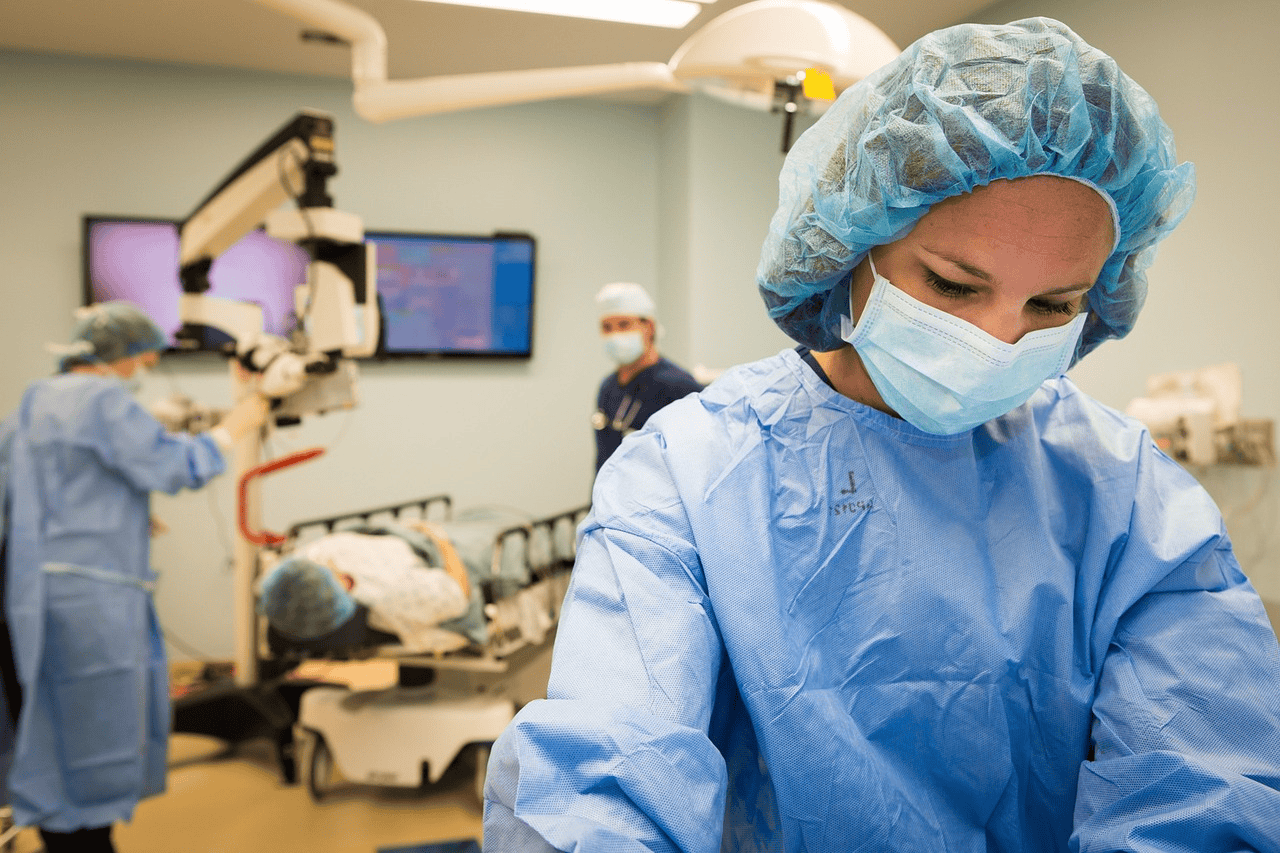
Understanding the Recovery Process:
Unlike surgical procedures that involve a singular event (the surgery), radiation therapy is often delivered in daily or weekly fractions over weeks. The duration and intensity of treatment determine the recovery process. Here’s a general breakdown:
During Treatment: Fatigue is a common side effect, and getting enough rest is crucial. You may experience mild skin irritation in the treated area. Maintaining a healthy diet and staying hydrated can minimize side effects. Open communication with your radiation oncologist is vital. Discuss any concerns you have regarding side effects and managing them effectively.
Immediately Following Treatment: Fatigue may persist for a short while after complete treatment. Skin irritation in the treated area typically subsides within a few weeks. Your doctor will provide specific instructions on caring for the treated area, which may involve topical medications or gentle moisturizers. Gradual exercise is encouraged to combat fatigue and improve overall well-being.
Weeks After Treatment: Most side effects gradually fade over a few weeks. However, some patients may experience lingering fatigue or skin issues. Regular follow-up appointments with your doctor are essential to monitor your progress and address any lingering concerns.

Optimizing Your Recovery Journey:
While the specific recovery timeline can vary, here are some essential steps to promote healing and well-being:
Prioritize Rest: While not complete bed rest, avoid strenuous activity and prioritize getting enough sleep to allow your body to heal. Listen to your body and gradually increase activity levels as tolerated.
Nourish Your Body: Maintain a balanced and healthy diet of fruits, vegetables, and whole grains. These foods provide essential vitamins and minerals to support your body’s healing process. Staying hydrated is also crucial.
Manage Side Effects: Open communication with your doctor is key. Discuss any side effects you experience and inquire about appropriate management strategies. This may involve over-the-counter medications, topical creams, or dietary adjustments.
Embrace Gentle Exercise: Gradual exercise is encouraged to combat fatigue and improve overall well-being. Walking, light yoga, or swimming are excellent options. Consult your doctor before starting any new exercise program.
Manage Stress: Cancer treatment can be stressful. Finding healthy ways to manage stress, such as meditation, deep breathing exercises, or spending time in nature, can significantly benefit your recovery.
Maintain Open Communication: Regular follow-up appointments with your doctor are essential. Communicate openly about any lingering side effects, concerns, or changes you observe in your overall health.
Additional Considerations:
Skin Care: Following your doctor’s instructions for caring for the treated area is crucial. This may involve gentle cleansing, applying moisturizer, and avoiding excessive sun exposure.
Pain Management: If you experience pain, don’t hesitate to discuss it with your doctor. They can recommend appropriate pain management strategies tailored to your specific needs
Emotional Well-being: Cancer treatment can be emotionally challenging. Don’t be afraid to seek support from a therapist, counselor, or support group.
Remember: Radiation therapy is a powerful tool in the fight against cancer. By prioritizing rest, a healthy lifestyle, and open communication with your doctor, you can navigate your recovery journey effectively and return to a healthy and fulfilling life.
What Are the Risks and Complications of Radiation Therapy?
Radiation therapy emerges as a powerful weapon in the fight against cancer, harnessing ionizing radiation to shrink or eliminate cancer cells. While this targeted approach offers a significant advantage, it’s essential to understand the potential risks and complications associated with treatment. This knowledge empowers you to make informed decisions and confidently navigate your treatment journey.
Understanding Potential Risks:
Radiation therapy is generally well-tolerated, but like any medical procedure, it carries inherent risks. Here’s a breakdown of potential complications to consider:
- Short-Term Side Effects: These are the most common and typically subside within a few weeks after treatment ends. They may include:
- Fatigue is a common complaint; getting enough rest is crucial for managing it.
- Skin irritation: The treated area may experience redness, dryness, or itching. Following proper skincare routines and using gentle moisturizers can alleviate these issues.
- Hair loss: Hair loss in the treated area is possible but typically grows back after treatment ends.
- Mouth and throat problems: If radiation therapy involves the head and neck area, you may experience dryness, soreness, or difficulty swallowing. Maintaining good oral hygiene and using lozenges can help manage these issues.
- Nausea and vomiting are less common side effects, but medications can help manage them.
- Long-Term Side Effects: These are less frequent but can develop months or even years after treatment. The risk of long-term effects depends on the area treated and the radiation dose used. They may include:
- Fatigue: Lingering fatigue can occur in some patients.
- Secondary cancers: In rare cases, radiation therapy can increase the risk of developing a new cancer in the treated area.
- Organ damage: Depending on the treatment location, there’s a slight risk of damage to nearby organs or tissues. Your radiation oncologist carefully considers this risk when planning your treatment.
- Cognitive difficulties: Radiation therapy to the brain can, in rare cases, lead to mild cognitive problems.
Minimizing Risks and Managing Side Effects:
Open communication with your radiation oncologist is critical. Discuss your concerns about potential side effects and how to manage them effectively. Here are some additional tips for minimizing risks and managing side effects:
- Treatment Planning: Advanced radiation therapy techniques, such as Intensity-Modulated Radiation Therapy (IMRT) and Stereotactic Body Radiation Therapy (SBRT), offer greater precision and minimize radiation exposure to healthy tissues.
- Healthy Lifestyle: Maintaining a healthy diet of fruits, vegetables, and whole grains can help your body cope with treatment and promote healing.
- Skin Care: Following your doctor’s instructions for caring for the treated area is crucial. This may involve gentle cleansing, applying moisturizer, and avoiding excessive sun exposure.
- Pain Management: If you experience pain, don’t hesitate to discuss it with your doctor. They can recommend appropriate pain management strategies tailored to your specific needs.
Remember: Radiation therapy is a valuable tool in your fight against cancer. By openly discussing potential risks and complications with your doctor, prioritizing a healthy lifestyle, and following recommended care guidelines, you can navigate your treatment journey effectively and minimize the impact of side effects. This empowers you to focus on healing and returning to a healthy and fulfilling life.
Am I a Good Candidate for Radiation Therapy?
Cancer disrupts the body’s healthy equilibrium, and radiation therapy emerges as a potent weapon in this fight. This targeted approach harnesses ionizing radiation to shrink or eliminate cancer cells. However, not everyone diagnosed with cancer is a perfect candidate for radiation therapy. This article explores factors influencing your suitability for radiation therapy and empowers you to have informed discussions with your doctor.
Understanding Your Candidacy:
Several key factors influence your candidacy for radiation therapy. Here’s a breakdown of what your doctor will consider:
- Cancer Type and Stage:
- Cancer Type: Radiation therapy is effective against various cancers, including breast cancer, prostate cancer, lung cancer, and head and neck cancers. Your specific cancer type plays a crucial role in determining if radiation therapy is the most appropriate course of action.
- Cancer Stage: The stage of your cancer, determined by the tumor size and spread, significantly impacts your candidacy. Early-stage cancers may be treated solely with radiation, while advanced stages might require a combination of radiation with other modalities like surgery or chemotherapy.
- Tumor Characteristics:
- Location and Size: The tumor’s location and size influence radiation therapy’s feasibility. Radiation oncologists assess if delivering a precise dose to the tumor while minimizing damage to surrounding healthy tissues is achievable.
- Resectability: In some cases, the tumor’s location or size may necessitate surgical removal before or after radiation therapy.
- Overall Health:
- Medical Conditions: Underlying medical conditions like heart disease, chronic lung disease, or uncontrolled diabetes can increase the risks associated with radiation therapy. Your doctor will conduct a thorough evaluation to determine if you can tolerate treatment effectively.
- Performance Status: Your ability to perform daily activities (performance status) provides insight into your tolerance for treatment and recovery.
Optimizing Treatment Success:
Several factors can enhance the effectiveness of radiation therapy and improve treatment outcomes:
- Age: Age is generally not a major disqualifying factor. However, your overall health and functional capacity are crucial considerations.
- Nutritional Status: Good nutrition is vital for maintaining strength during treatment and promoting healing. A balanced diet rich in fruits, vegetables, and lean protein is essential.
- Smoking Cessation: Smoking cessation is highly recommended before, during, and after radiation therapy. Smoking can impair healing and increase the risk of complications.
Seeking Professional Guidance:
This overview provides a starting point, but a consultation with a qualified radiation oncologist is crucial for a definitive answer. Here’s what to expect during your consultation:
- Comprehensive Review: Your doctor will meticulously review your medical history, including your cancer diagnosis, stage, existing medical conditions, medications, and lifestyle habits.
- Physical Examination: A thorough physical examination will assess your overall health and suitability for radiation therapy.
- Diagnostic Tests: Additional tests, like imaging scans or blood tests, may be ordered to evaluate the extent of your cancer and assess your overall health.
- Treatment Plan Discussion: Your doctor will discuss the potential benefits and risks of radiation therapy compared to other treatment options like surgery or chemotherapy. The discussion will consider your specific case, overall health, and personal preferences.
- Multidisciplinary Care: Radiation oncologists often collaborate with specialists, including surgeons, medical oncologists, and pathologists, to create a personalized treatment plan tailored to your unique needs.
Remember: Radiation therapy is a powerful tool but not a one-size-fits-all solution. By carefully considering the factors mentioned above and consulting with your doctor, you can make informed decisions about your treatment plan and navigate your cancer journey with greater confidence. Open communication and a shared understanding of radiation therapy’s potential benefits and limitations are critical to a successful outcome.
What Is Radiation Therapy?
The human body is a complex and remarkable machine. But even the most resilient machines can malfunction. Cancer, a disease characterized by uncontrolled cell growth, disrupts the body’s healthy equilibrium. Radiation therapy emerges as a powerful ally in this fight, harnessing ionizing radiation to shrink or eliminate cancer cells.
What is Radiation Therapy?
Radiation therapy is a localized cancer treatment modality that utilizes ionizing radiation to target and destroy cancer cells. This targeted approach minimizes damage to healthy surrounding tissues. Radiation oncologists, medical professionals with expertise in radiation therapy, meticulously plan treatment to deliver the precise dose of radiation to the tumor while minimizing side effects.

How Does Radiation Therapy Work?
Ionizing radiation disrupts the DNA of cancer cells, hindering their ability to grow and divide. Healthy cells have a greater capacity to repair radiation damage, allowing them to recover. Radiation therapy can be delivered in two primary ways:
- External Beam Radiation Therapy: A machine external to the body directs a precisely focused radiation beam toward the tumor.
- Internal Radiation Therapy (Brachytherapy): Radioactive implants are placed directly inside the body, near or within the tumor site.
When is Radiation Therapy Used?
Radiation therapy plays a diverse role in cancer treatment, and its application can be categorized into three primary areas:
- Curative Treatment: With curative intent, radiation therapy aims to eradicate cancer. This is often the case for early-stage cancers.
- Adjuvant Treatment: Following surgery or other primary treatments like chemotherapy, radiation therapy can be used to destroy any remaining cancer cells and reduce the risk of recurrence.
- Palliative Treatment: Radiation therapy can be used to alleviate symptoms caused by cancer, such as pain, bleeding, or obstruction, improving a patient’s quality of life.
The Radiation Therapy Treatment Process:
The first step is to consult with a radiation oncologist. They will review your medical history, perform a physical examination, and analyze diagnostic tests to determine if radiation therapy suits you. If so, a personalized treatment plan will be created, outlining the type of radiation therapy, treatment schedule, and potential side effects. The treatment is typically painless, and each session lasts a few minutes. The total number of treatment sessions varies depending on your specific case and treatment goals.
Living with Radiation Therapy:
Radiation therapy is generally well-tolerated, but some side effects can occur. These are often temporary and manageable with medication and supportive care. Here’s a glimpse into what to expect:
- Fatigue is a common side effect; getting enough rest is crucial for managing it.
- Skin irritation: The treated area may experience redness, dryness, or itching. Following proper skincare routines and using gentle moisturizers can alleviate these issues.
- Hair loss: Hair loss in the treated area is possible but typically grows back after treatment ends.
- Other side effects: Depending on the treatment area, you may experience temporary side effects like mouth and throat problems, nausea, or diarrhea. Open communication with your doctor is key to managing these effectively.
Beyond Treatment: A Look Ahead
Following radiation therapy, regular follow-up appointments with your doctor are crucial to monitor your recovery and check for any potential long-term side effects. Radiation therapy offers a powerful tool in the fight against cancer. You can confidently navigate your treatment journey by openly discussing potential benefits and side effects with your doctor and adhering to recommended treatment plans. Remember, radiation therapy is often just one component of a comprehensive cancer treatment plan. Your doctor will collaborate with other specialists to create a personalized approach to maximize your chances of success and improve your quality of life.
Immunotherapy
Cancer, a life-altering diagnosis, necessitates a multifaceted approach to treatment. Immunotherapy emerges as a revolutionary weapon in this fight, harnessing the body’s own immune system to combat cancer cells. This innovative approach empowers your immune system to recognize and destroy cancerous cells, offering a promising new frontier in cancer treatment.
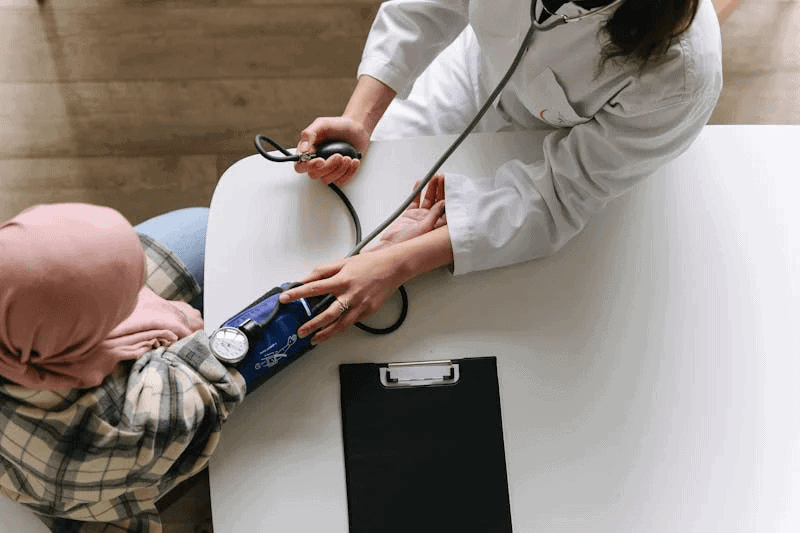
The Allure of Immunotherapy Abroad: Potential Cost Savings
The high cost of medical care in the United States can pose a significant barrier for many patients seeking immunotherapy treatment. Medical tourism presents a potential solution, providing access to this cutting-edge treatment modality abroad at substantially lower costs. This empowers you to take control of your health journey and potentially achieve significant financial savings.
How Much Can I Save?
The cost disparity between the US and popular medical tourism destinations for immunotherapy treatment can be substantial. Here’s a glimpse into the potential savings:
| Country | Average Cost | Considerations |
|---|---|---|
| United States | $150,000 - $500,000+ | Prices vary depending on the specific immunotherapy drug used, treatment duration, hospital stay, and facility fees. |
| Mexico | $80,000 - $150,000 | Consider travel costs and potential communication barriers. Research facility accreditations (JCI or equivalent preferred) and oncologist qualifications (board certification). |
| Costa Rica | $90,000 - $170,000 | Similar considerations as Mexico regarding travel and communication. Focus on JCI-accredited facilities and board-certified oncologists in your specific cancer type. |
| India | $60,000 - $120,000 | The most comprehensive range is due to varying quality standards. Extensive research of facilities, oncologist credentials (board certification in your specific cancer type), and accreditations (JCI or equivalent preferred) are essential. |
| Thailand | $70,000 - $130,000 | It is a budget-friendly option, but significant research is necessary due to varying quality standards. Choose JCI-accredited facilities and board-certified oncologists in your cancer type. |
| Germany | $120,000 - $200,000 | Offers high-quality care in Europe. Look for JCI accreditation and oncologist qualifications (board certification in your specific cancer type). |
| Czech Republic | $100,000 - $180,000 | A balance between affordability and quality care in Europe. Research JCI accreditation and oncologist qualifications (board certification in your specific cancer type). |
Please note: These are average costs and can vary depending on the specific immunotherapy drug used, treatment duration, hospital stay, post-treatment care needs, surgeon’s experience, and facility fees. It’s crucial to get quotes directly from clinics you’re considering.
By carefully appraising immunotherapy options and exploring medical tourism possibilities, you can empower yourself with knowledge and potentially achieve significant cost savings. Remember, consulting with a qualified oncologist in your home country is crucial. They can determine if immunotherapy is appropriate for your specific cancer, discuss the potential risks and benefits, and guide you through finding reputable facilities and qualified oncologists abroad.
Which Countries Specialize in Immunotherapy
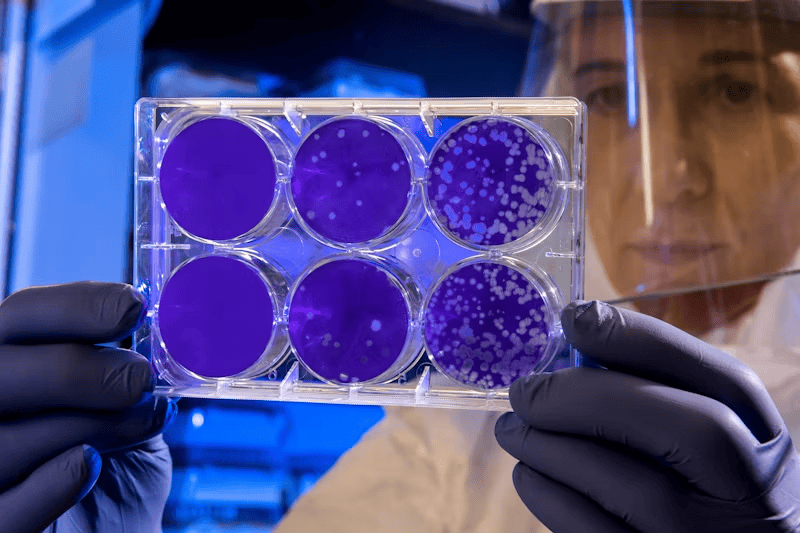
Cancer disrupts the body’s healthy equilibrium, and immunotherapy emerges as a groundbreaking weapon in this fight. This innovative approach harnesses the body’s immune system to recognize and destroy cancer cells, offering a promising new frontier in cancer treatment. Advancements in immunotherapy drugs and treatment protocols have expanded its reach to various cancer types. While immunotherapy provides a powerful tool, the high cost of treatment in the United States can pose a significant barrier for many patients.
Medical tourism offers a potential solution, providing access to effective immunotherapy regimens abroad at substantially lower costs. But where do you begin your search for high-quality immunotherapy care? This article explores popular medical tourism destinations renowned for their expertise in immunotherapy:
North America
- Mexico: Proximity to the US and a network of skilled oncologists offering various immunotherapy treatments at competitive prices make Mexico a popular choice. Ensure facilities hold accreditation from the Joint Commission International (JCI) and oncologists possess board certification from the Mexican Association of Medical Oncology (Sociedad Mexicana de Oncología – SMO).
Central and South America
- Costa Rica: A rising star in medical tourism, Costa Rica boasts highly trained oncologists who offer a diverse range of immunotherapy treatments with significant cost savings. In-depth research is crucial. Seek JCI-accredited facilities and oncologists certified by the Costa Rican College of Physicians and Surgeons (Colegio de Médicos y Cirujanos de Costa Rica – CMC).
Asia
- India: A leader in medical tourism, India offers immunotherapy treatments at a fraction of the US cost. While affordability is a draw, India has a growing pool of highly skilled oncologists. Remember, thorough research is essential. Verify JCI accreditation for the facility and oncologist certification from the Indian Society of Medical & Pediatric Oncology (ISMPO).
- Thailand: A well-established player in medical tourism, Thailand offers immunotherapy treatments at competitive prices. Research JCI-accredited facilities and ensure oncologists are certified by the Medical Council of Thailand (MCT) and the Thai Society of Clinical Oncology (TSCO).
Europe
- Germany: A leader in medical innovation, Germany offers cutting-edge immunotherapy treatments at high-quality facilities. Look for JCI accreditation and oncologist certification from the German Cancer Society (Deutsche Krebsgesellschaft – DKG).
- Czech Republic: This European nation is emerging as a cost-effective option for immunotherapy. JCI accreditation for the facility and oncologist certification by the Czech Society of Oncology (Česká společnost pro oncologii—ČSPO) are crucial.
Beyond Borders, But Not Beyond Care:
While cost savings are a significant factor, prioritizing qualified care is paramount. Focus on JCI-accredited facilities and oncologists with board certification from the chosen destination’s relevant national medical oncology association. By carefully researching your options, you can confidently select the best medical tourism destination for your immunotherapy treatment, potentially saving money while receiving high-quality care.
Remember: Consulting with a qualified oncologist in your home country is crucial to determine if immunotherapy is the proper treatment approach for your specific cancer and discuss the potential risks and benefits. They can also help you navigate the process of finding reputable facilities and qualified oncologists abroad.
Additional Considerations:
- Communication: Language barriers can pose challenges. Look for facilities with English-speaking staff or consider hiring a medical interpreter.
- Clinical Trials: Some medical tourism destinations may offer access to cutting-edge clinical trials. Before enrolling, carefully evaluate the potential risks and benefits of participating in a clinical trial.
- Follow-up Care: Discuss a clear follow-up care plan with your oncologist abroad and in your home country.
By carefully considering these factors and leveraging the expertise available globally, you can embark on your fight against cancer with greater confidence and a brighter outlook.
What Is the Recovery Process For Immunotherapy?
Cancer disrupts the body’s healthy equilibrium, and immunotherapy emerges as a revolutionary weapon in this fight. This innovative approach harnesses the body’s immune system to recognize and destroy cancer cells, offering a promising new frontier in cancer treatment. While immunotherapy empowers your immune system to combat cancer, the recovery period is equally essential for optimal healing and a return to normalcy. This article explores the typical recovery timeline for immunotherapy and provides valuable tips to guide you through your journey back to health.
Understanding Your Recovery: A Personalized Journey
Unlike surgery with a defined endpoint, immunotherapy regimens can vary greatly. Treatment schedules may involve multiple cycles spread over weeks or months or be continuous with regular infusions. The specific drugs used and your body’s unique response to the treatment all influence your recovery process. Here’s a general overview of what you might expect:
During Treatment: Fatigue is a common side effect, and getting enough sleep is crucial for managing it. You may also experience nausea, vomiting, diarrhea, or skin reactions at the injection site. Maintaining a healthy diet and staying hydrated can minimize these side effects. Open communication with your oncologist is vital. Discuss any concerns you have regarding side effects and managing them effectively.
Immediately Following Treatment: Fatigue may linger for a short while. Side effects like nausea and vomiting typically subside soon after treatment ends. Skin reactions at the injection site usually improve within a few days to a week. Your doctor will provide specific instructions on managing any lingering side effects, which may involve medications, dietary adjustments, or gentle skin care products. Gradual exercise is encouraged to combat fatigue and improve overall well-being.
Weeks and Months After Treatment: Most side effects gradually fade over weeks to months. However, some patients may experience lingering fatigue, skin issues, or autoimmune reactions. Regular follow-up appointments with your doctor are essential to monitor your progress, address lingering concerns, and ensure your immune system functions optimally.
Optimizing Your Recovery Journey:
While the specific recovery timeline can vary, here are some essential steps to promote healing and well-being:
Prioritize Rest: While not complete bed rest, avoid strenuous activity and prioritize getting enough sleep to allow your body to heal. Listen to your body and gradually increase activity levels as you feel up to it.
Nourish Your Body: Maintain a balanced and healthy diet of fruits, vegetables, and whole grains. These foods provide essential vitamins and minerals to support your body’s healing process. Staying hydrated is also crucial.
Manage Side Effects: Open communication with your doctor is key. Discuss any side effects you experience and inquire about appropriate management strategies. This may involve medications, dietary adjustments, or topical creams.
Embrace Gentle Exercise: Gradual exercise is encouraged to combat fatigue and improve overall well-being. Walking, light yoga, or swimming are excellent options. Consult your doctor before starting any new exercise program.
Manage Stress: Cancer treatment can be stressful. Finding healthy ways to manage stress, such as meditation, deep breathing exercises, or spending time in nature, can significantly benefit your recovery.
Maintain Open Communication: Regular follow-up appointments with your doctor are essential. Communicate openly about any lingering side effects, concerns, or changes you observe in your overall health.
Additional Considerations:
- Autoimmune Reactions: Immunotherapy can sometimes trigger autoimmune reactions, where the immune system mistakenly attacks healthy tissues. Be aware of any unusual symptoms and report them to your doctor immediately.
- Emotional Well-being: Cancer treatment can be emotionally challenging. Don’t be afraid to seek support from a therapist, counselor, or support group.
Remember, immunotherapy is a powerful tool in the fight against cancer. By prioritizing rest, a healthy lifestyle, and open communication with your doctor, you can navigate your recovery journey effectively and return to a healthy and fulfilling life.
What Are Some Risks and Side Effects of Immunotherapy?
Immunotherapy emerges as a revolutionary weapon in the fight against cancer, harnessing the body’s own immune system to recognize and destroy cancer cells. While this innovative approach offers a promising new frontier in cancer treatment, it’s essential to understand the potential risks and complications associated with immunotherapy. This knowledge empowers you to make informed decisions and confidently navigate your treatment journey.
Understanding Potential Risks and Side Effects:
Immunotherapy, like any medical intervention, carries inherent risks and side effects. Here’s a breakdown of what to consider:
- Short-Term Side Effects: These are the most common and typically subside within a few weeks or months after treatment. They may include:
- Fatigue: This is a frequent complaint. Getting enough sleep and practicing relaxation techniques are crucial for managing it.
- Flu-like symptoms:** Fever, chills, muscle aches, and headaches are common, but medications can effectively manage them.
- Skin reactions:** Rash, itching, or redness at the injection site are possible. These can usually be controlled with topical medications.
- Nausea and vomiting:** Medications can effectively manage these side effects, allowing you to maintain adequate nutrition and hydration.
- Diarrhea or constipation:** Dietary adjustments and medications can help manage these digestive issues.
- Immune-related side effects: Unlike traditional chemotherapy, immunotherapy stimulates your immune system. In rare instances, this can lead to your immune system attacking healthy tissues, causing inflammation or organ dysfunction. These can range from mild to severe and may require adjustments to your treatment plan. Examples include:
- Pneumonitis (inflammation of the lungs)
- Colitis (inflammation of the colon)
- Hepatitis (inflammation of the liver)
- Endocrine disorders (affecting hormone production)
- Long-Term Side Effects: These are less frequent but can develop months or even years after treatment. The risk of long-term effects depends on the specific drugs used and your overall health. They may include:
- Autoimmune disorders: In rare cases, immunotherapy can trigger long-term autoimmune conditions.
- Increased risk of infections: Immunotherapy can suppress the immune system, making you more susceptible to infections. Frequent handwashing and avoiding contact with sick individuals are essential precautions.
Minimizing Risks and Managing Side Effects:
Open communication with your oncologist is critical. Discuss your concerns about potential side effects and how to manage them effectively. Here are some additional tips for minimizing risks and managing side effects:
- Treatment Planning: Your oncologist will create a personalized treatment plan tailored to your cancer type and health condition. This may involve selecting medications with a lower risk profile or adjusting the dosage to minimize side effects.
- Healthy Lifestyle: Maintaining a balanced diet of fruits, vegetables, and whole grains can help your body cope with treatment and promote healing.
- Supportive Care: Medications, dietary adjustments, and complementary therapies like acupuncture or massage therapy can help manage side effects and improve overall well-being.
- Regular Follow-Up: Regular check-ups with your doctor are essential to monitor your health, identify potential complications early on, and adjust your treatment plan.
Remember: Immunotherapy is a valuable tool in your fight against cancer. By openly discussing potential risks and complications with your doctor, prioritizing a healthy lifestyle, and following recommended care guidelines, you can navigate your treatment journey effectively and manage side effects. This empowers you to focus on healing and returning to a healthy and fulfilling life.
Am I a Good Candidate for Immunotherapy?
Cancer disrupts the body’s healthy equilibrium, and immunotherapy emerges as a groundbreaking weapon in this fight. This innovative approach harnesses the body’s own immune system to recognize and destroy cancer cells, offering a promising new frontier in cancer treatment. While immunotherapy holds immense potential, it’s only suitable for some. This article explores factors influencing your candidacy for immunotherapy and empowers you to have informed discussions with your doctor.
Understanding Your Candidacy: A Tailored Approach
Several key factors influence your candidacy for immunotherapy. Here’s a breakdown of what your doctor will consider to determine if immunotherapy is the most appropriate course of action for you:
- Cancer Type and Biomarkers:
- Cancer Type: Immunotherapy is effective against various cancers, including certain types of lung cancer, melanoma, bladder cancer, and lymphomas. Your specific cancer type is crucial in determining whether immunotherapy is viable.
- Biomarkers: These are biological markers that provide insights into the presence of specific proteins or mutations in cancer cells. The presence or absence of particular biomarkers can predict how well your cancer might respond to immunotherapy.
- Cancer Stage and Overall Health:
- Cancer Stage: The stage of your cancer, determined by the tumor size and spread, can influence candidacy. Early-stage cancers may be treated with surgery alone, while advanced stages might benefit from immunotherapy in combination with other modalities like surgery or radiation.
- Overall Health: Underlying medical conditions like autoimmune diseases, uncontrolled infections, or severe organ dysfunction can increase the risks associated with immunotherapy. Your doctor will conduct a thorough evaluation to determine if you can tolerate treatment effectively.
- Immune System Function: The health of your immune system plays a role. Weakened immunity due to HIV/AIDS, ongoing use of immunosuppressant medications, or certain autoimmune diseases may affect your candidacy.
- Prior Treatments:
- Previous Treatments: Prior exposure to certain chemotherapy drugs or radiation therapy can impact your candidacy for immunotherapy. Your doctor will consider your treatment history to determine whether immunotherapy can effectively integrate into your treatment plan.

Optimizing Treatment Success: Factors to Consider
Several factors can enhance the effectiveness of immunotherapy and improve treatment outcomes:
- Age: Age is generally not a major disqualifying factor. However, your overall health and functional capacity are crucial considerations.
- Nutritional Status: Good nutrition is vital for maintaining strength during treatment and promoting healing. A balanced diet rich in fruits, vegetables, and lean protein is essential.
Seeking Professional Guidance: The Importance of a Consultation
This overview provides a starting point, but a consultation with a qualified medical oncologist is crucial for a definitive answer regarding your candidacy for immunotherapy. Here’s what to expect during your consultation:
- Comprehensive Review: Your doctor will meticulously review your medical history, including your cancer diagnosis, stage, existing medical conditions, medications, lifestyle habits, and any prior treatments you may have received.
- Physical Examination: A thorough physical examination will assess your overall health and suitability for immunotherapy.
- Diagnostic Tests: Additional tests, like blood tests, imaging scans, or biopsies, may be ordered to evaluate the extent of your cancer, assess your immune system function, and identify any biomarkers that can influence treatment decisions.
- Treatment Plan Discussion: Your doctor will discuss immunotherapy’s potential benefits and risks compared to other treatment options like surgery or radiation therapy. The discussion will consider your specific case, overall health, and personal preferences.
- Multidisciplinary Care: Medical oncologists often collaborate with specialists, including surgeons, radiation oncologists, pathologists, and immunologists, to create a personalized treatment plan tailored to your unique needs.
Remember: Immunotherapy is a powerful tool in the fight against cancer, but it’s not a one-size-fits-all solution. By carefully considering the factors mentioned above and consulting with your doctor, you can make informed decisions about your treatment plan and navigate your cancer journey with greater confidence. Open communication and a shared understanding of immunotherapy’s potential benefits and limitations are critical to a successful outcome.
What is Immunotherapy?
Immunotherapy is a cancer treatment that empowers the body’s immune system to fight cancer cells. Unlike traditional therapies like chemotherapy or radiation, which directly target and destroy cancer cells, immunotherapy stimulates the immune system to identify and eliminate cancer cells more precisely.
How Does Immunotherapy Work?
The immune system protects the body from invaders like viruses and bacteria. However, cancer cells can evade immune detection. Immunotherapy utilizes various strategies to overcome this immune system suppression and enable it to target cancer:
- Immune Checkpoint Inhibitors: These drugs block specific molecules (checkpoints) on immune cells or cancer cells, allowing the immune system to recognize and attack the cancer cells.
- CAR T-cell Therapy: This approach involves extracting a patient’s T cells (immune cells), modifying them in a lab to recognize specific cancer antigens (markers), and then reinfusing the enhanced T cells back into the patient to target and destroy cancer cells.
- Cancer Vaccines: These vaccines train the immune system to recognize and attack specific cancer cells.
- Cytokines: These are signaling molecules in the immune system. Immunotherapy can involve using cytokines to stimulate and strengthen the immune response against cancer.
When is Immunotherapy Used?
Immunotherapy is used to treat various cancers, including:
- Melanoma (skin cancer)
- Non-small cell lung cancer
- Bladder cancer
- Hodgkin lymphoma
- Head and neck cancers
- Kidney cancer
The use of immunotherapy can fall under several categories:
- Curative Treatment: With curative intent, immunotherapy aims to eradicate cancer. This may be an option for some patients with advanced-stage cancers or those who haven’t responded well to other treatments.
- Adjuvant Treatment: Following surgery or primary treatment with radiation therapy, immunotherapy can destroy any remaining microscopic cancer cells and reduce the risk of recurrence.
- Maintenance Treatment: In some cases, immunotherapy may be used after successful treatment to help prevent the cancer from recurring.

The Immunotherapy Treatment Process:
The first step is to consult with a medical oncologist specializing in immunotherapy. They will review your medical history, perform a physical examination, and analyze diagnostic tests to determine if immunotherapy suits your specific cancer type and stage. If so, a personalized treatment plan will be created, outlining the type of immunotherapy used, frequency of treatment, and potential side effects. Immunotherapy can be administered intravenously (through a vein) or orally (in pill form). The duration of therapy varies depending on your specific case and treatment goals.
Beyond Treatment: A Look Ahead
Following immunotherapy, regular follow-up appointments with your doctor are crucial to monitor your recovery, check for potential long-term side effects, and assess treatment effectiveness. Immunotherapy offers a powerful tool in the fight against cancer. You can confidently navigate your treatment journey by openly discussing potential benefits and side effects with your doctor and adhering to recommended treatment plans. Remember, immunotherapy is a rapidly evolving field, with new advancements constantly emerging. Your doctor will stay up-to-date on the latest developments to ensure you receive the most effective treatment.