
Mohs Surgery: A Precision Approach to Skin Cancer Treatment
Mohs micrographic surgery is an exact, tissue-sparing surgical technique used to treat a variety of skin cancers, most notably basal cell carcinomas (BCCs) and squamous cell carcinomas (SCCs). Named after its developer, Dr. Frederic Mohs, this procedure offers exceptional cure rates while minimizing the removal of healthy tissue.
Unlike traditional surgical excision, where a surgeon estimates how much tissue to remove based on the visible tumor, Mohs surgery involves a meticulous layer-by-layer removal and immediate microscopic examination of the tissue. This allows for precise identification and removal of cancerous cells while preserving as much healthy skin as possible.
Mohs surgery is particularly beneficial for skin cancers located in areas where preserving healthy tissue is crucial, such as the face, ears, neck, hands, or feet. It is also an excellent option for recurrent skin cancers or those with unclear borders.
How Much Can I Save?
While Mohs surgery is a valuable treatment option, the cost in the United States can be prohibitive for some patients. Medical tourism offers an avenue for exploring potentially lower-cost alternatives. Countries like Mexico, Costa Rica, and India have established medical tourism industries, offering Mohs surgery at reduced costs compared to the US.
However, conducting thorough research is crucial when considering Mohs surgery abroad. Factors such as surgeon qualifications, facility accreditation, and the quality of care should be carefully evaluated.
Cost Comparison: Mohs Surgery in the US vs. Abroad
The cost disparity between Mohs surgery in the United States and popular medical tourism destinations can be substantial. Here’s a glimpse into the potential savings:
| Country | Average Mohs Surgery Cost (USD) | Considerations |
|---|---|---|
| United States | $2,000 – $5,000 per procedure | Prices vary depending on the surgeon’s experience, facility fees, and geographic location. |
| Mexico | $1,500 – $3,000 per procedure | Consider travel costs and potential communication barriers. Research facility accreditations (JCI) and surgeon qualifications. |
| Costa Rica | $1,800 – $3,500 per procedure | Similar considerations as Mexico regarding travel and communication. Focus on JCI-accredited facilities and board-certified surgeons. |
| India | $1,000 – $2,500 per procedure | It is the most cost-effective option, but extensive research is crucial. Ensure JCI accreditation and surgeon qualifications. |
| Thailand | $1,200 – $2,500 per procedure | Offers affordability, but thorough research is necessary due to varying quality standards. Choose JCI-accredited facilities and board-certified surgeons. |
| Turkey | $1,500 – $3,000 per procedure | Emerging as a medical tourism hub, offering competitive prices. Research facility accreditation and surgeon experience. |
| South Korea | $2,000 – $4,000 per procedure | It is known for advanced medical technology, but costs might be higher than other Asian countries. Research facility accreditation and surgeon qualifications. |
Please note: These are estimated costs and can vary depending on factors like the size and complexity of the tumor, surgeon experience, facility fees, and post-operative care needs. It’s crucial to get quotes directly from clinics you’re considering.
By carefully appraising Mohs surgery options and exploring medical tourism possibilities, you can take control of your skin cancer treatment journey and potentially achieve significant cost savings. Remember, prioritizing quality care alongside affordability is paramount. Thoroughly research the reputation and accreditations of facilities abroad to ensure a successful and positive outcome.
Which Countries Specialize in the Procedure?
Mohs surgery, an exact technique for treating skin cancer, offers exceptional cure rates while preserving healthy tissue. While the United States boasts skilled dermatologists specializing in Mohs surgery, the cost can be a significant barrier for many patients. This guide explores countries renowned for their expertise in Mohs surgery, empowering you to make informed decisions about your treatment journey.
Global Leaders in Mohs Surgery: A Comparative Overview
Several countries have established themselves as centers of excellence for Mohs surgery, offering advanced techniques, experienced surgeons, and potentially lower costs than the United States. Here’s a glimpse into some of these destinations:
North America:
- Mexico: Offers proximity to the US, experienced Mohs surgeons, and competitive pricing. Ensure facilities hold Joint Commission International (JCI) accreditation and surgeons are board-certified.
Central and South America:
- Costa Rica: A rising medical tourism destination with skilled Mohs surgeons and modern facilities. Seek JCI accreditation and surgeon qualifications.
Europe:
- Germany: Renowned for its advanced medical care, Germany offers high-quality Mohs surgery. Expect higher costs compared to other options. Research facility accreditation and surgeon qualifications.
- The Netherlands: Known for its expertise in dermatology, the Netherlands offers advanced Mohs surgery techniques. Research facility accreditation and surgeon qualifications.
Asia:
- South Korea: A global leader in beautification practices, South Korea offers a blend of advanced technology and competitive pricing for Mohs surgery. It also has research facility accreditation and surgeon qualifications.
- Singapore: Known for its high standards of medical care, Singapore provides high-quality Mohs surgery at a premium cost. Research facility accreditation and surgeon qualifications.
Other Notable Destinations:
- Australia and New Zealand: These countries offer advanced dermatological care, including Mohs surgery, but the cost savings are not as significant as other options. They have research facility accreditation and surgeon qualifications.
Key Considerations When Choosing a Destination
- Surgeon Expertise: Seek a surgeon with extensive experience in Mohs surgery and a high success rate.
- Facility Accreditation: Opt for facilities with recognized accreditations like JCI.
- Patient Reviews and Testimonials: Research patient experiences to gain insights into the quality of care and outcomes.
- Cost Transparency: Understand all costs, including pre- and post-operative care, medications, and travel expenses.
- Communication and Support: Ensure clear communication with the clinic and access to post-treatment support.
Remember: While cost savings are attractive, prioritizing the quality of care is essential. Thoroughly research potential destinations and consult your dermatologist to determine the best action for your needs.
By carefully considering these factors and conducting thorough research, you can confidently embark on your skin cancer treatment journey, potentially achieving significant cost savings while receiving high-quality care.
What Is the Recovery Process for Mohs Surgery?
Mohs surgery is a highly effective treatment for skin cancer. It meticulously removes cancerous tissue layer by layer while preserving healthy skin. While the procedure is precise, understanding recovery is crucial for optimal healing and a smooth return to daily activities.
Understanding the Recovery Process
The duration of Mohs surgery recovery varies depending on the size and location of the treated area. Generally, the healing process can be divided into three stages:
- Initial Healing (1-2 weeks):
- Wound care: The surgical site will be covered with a bandage. Your surgeon will provide specific instructions on cleaning and dressing the wound.
- Pain management: Mild discomfort is expected. Over-the-counter pain relievers can help manage pain.
- Swelling and bruising: These are typical side effects and usually subside within a few days.
- Avoidance: It is essential to keep the surgical site clean, dry, and protected from sunlight. Avoid strenuous activities and soaking the area in water.
- Wound Closure (2-4 weeks):
- Stitches or skin grafts: Depending on the size of the wound, your surgeon may close it with stitches or a skin graft.
- Scar formation: As the wound heals, a scar will form. Its appearance will gradually improve over time.
- Gradual activity: You can gradually resume normal activities but avoid excessive sun exposure and protect the scar from irritation.
- Scar Maturation (several months):
- Scar remodeling: The scar continues to mature and soften over several months.
- Sun protection: It’s crucial to protect the scar from the sun with sunscreen to prevent discoloration.
- Scar management: Your doctor may sometimes recommend scar management treatments, such as silicone gel sheets or laser therapy.
Tips for a Smooth Recovery
- Follow your surgeon’s instructions: Adhering to your surgeon’s post-operative care guidelines is essential for optimal healing.
- Keep the wound clean and dry: Gentle cleansing and proper dressing are crucial to prevent infection.
- Manage pain effectively: Over-the-counter pain relievers can help alleviate discomfort.
- Protect the surgical site: Shield the area from sunlight and avoid activities that may irritate the scar.
- Attend follow-up appointments: Regular check-ups with your surgeon are essential to monitor healing progress.
- Be patient: Healing takes time, and allowing your body to recover at its own pace is essential.
When to Seek Medical Attention
While most patients experience a smooth recovery, it’s essential to contact your surgeon if you experience:
- Increasing pain or redness
- Excessive bleeding
- Signs of infection, such as fever, pus, or foul odor
By following these guidelines and maintaining open communication with your healthcare provider, you can effectively manage the Mohs surgery recovery process and enjoy a successful outcome.
What Are Some Potential Risks and Complications of Mohs Surgery?
Mohs surgery is a highly effective and precise technique for treating skin cancer. While it offers excellent results, like any surgical procedure, it carries certain risks and potential complications. Understanding these risks is essential for making informed decisions and managing expectations during recovery.
Potential Risks and Complications
- Bleeding: Minor bleeding is common during and immediately after the procedure. However, excessive bleeding can occur in rare cases, requiring additional measures to control it.
- Infection: As with any surgery, there is a risk of infection at the surgical site. Your surgeon will provide specific instructions on wound care to minimize this risk.
- Scarring: Mohs surgery involves removing layers of skin, which can result in scarring. The size and appearance of the scar will depend on the location and size of the removed tissue.
- Recurrence: While Mohs surgery has a high success rate, skin cancer recurrence is possible. Regular follow-up appointments with your dermatologist are crucial to monitor for any signs of recurrence.
- Nerve Damage: In some cases, Mohs surgery may damage nearby nerves, leading to numbness or tingling in the affected area. This is more likely to occur in areas with a high concentration of nerves, such as the face or hands.
- Pain: Discomfort is common after Mohs surgery, but it is usually mild and can be managed with over-the-counter pain relievers. However, severe pain may indicate a complication and should be reported to your surgeon.
Minimizing Risks
Several steps can be taken to minimize the risks associated with Mohs surgery:
- Choosing an experienced surgeon: Selecting a dermatologist with expertise in Mohs surgery is crucial for optimal outcomes.
- Following pre-operative instructions: Adhering to your surgeon’s guidelines before the procedure can help reduce complications.
- Proper wound care: Carefully following your surgeon’s post-operative instructions is essential for preventing infection and promoting healing.
- Regular follow-up: Attending scheduled follow-up appointments allows your surgeon to monitor your healing progress and detect any potential complications early on.
It’s important to remember that while these risks exist, most patients experience a successful outcome from Mohs surgery. Open communication with your surgeon is vital to understanding the specific risks associated with your case and developing a plan to manage them effectively.
Am I a Good Candidate for Mohs Surgery?
Mohs surgery is a highly effective treatment for skin cancer, particularly basal cell carcinoma and squamous cell carcinoma. However, there may be better options for some. A dermatologist must evaluate a patient comprehensively to determine whether they are a good candidate.
Factors to Consider
- Type of Skin Cancer: Mohs surgery is primarily used for basal and squamous cell carcinoma. It may also be considered for certain types of melanoma.
- Location of the Cancer: Skin cancers on the face, ears, neck, hands, or feet are often treated with Mohs surgery due to preserving healthy tissue in these areas.
- Size and Depth of the Cancer: Smaller, superficial skin cancers may be treatable with other methods, while larger or deeper tumors may be better suited for Mohs surgery.
- Recurrence: If you have had previous skin cancer that has recurred, Mohs surgery may be recommended to achieve complete removal.
- Overall Health: Your general health and any underlying medical conditions will be considered to determine if you are a suitable candidate for surgery.
Consultation with a Dermatologist
Ultimately, the decision to undergo Mohs surgery should be made in consultation with a qualified dermatologist. They will thoroughly examine the skin lesion, discuss your medical history, and explain the potential benefits and risks of Mohs surgery compared to other treatment options.
During your consultation, your dermatologist will:
- Assess the skin lesion: Determine the skin cancer’s type, size, and location.
- Review your medical history: Identify factors influencing your candidacy for Mohs surgery.
- Discuss treatment options: Explain the benefits and risks of Mohs surgery compared to other treatment options.
- Answer your questions: Address any concerns or questions about the procedure.
By understanding your situation and discussing your options with a dermatologist, you can make an informed decision about the best treatment for your skin cancer.
What is Mohs Surgery?
Mohs surgery is an exact and effective technique for treating skin cancer. It is particularly beneficial for removing skin cancers in areas where preserving healthy tissue is crucial, such as the face, ears, nose, and hands.

How Does Mohs Surgery Work?
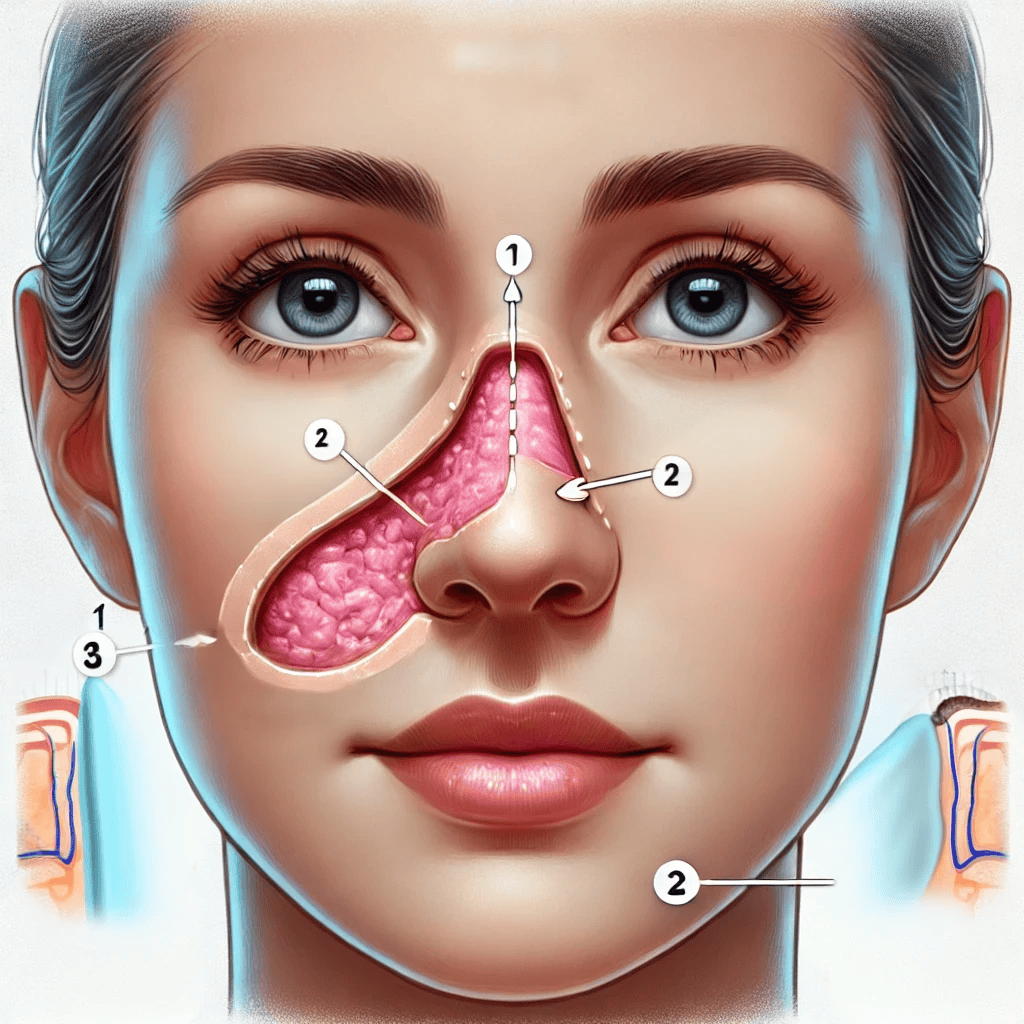
The procedure involves a step-by-step process:
- Tumor Removal: The visible portion of the skin cancer and a margin of surrounding skin are removed.
- Tissue Examination: The removed tissue is examined under a microscope to identify cancer cells.
- Layer-by-Layer Removal: If cancer cells are found, the surgeon carefully removes additional layers of tissue, repeating the examination process until only cancer-free tissue remains.
- Reconstruction: Once all cancerous tissue has been removed, the wound is closed using stitches or skin grafts, depending on the size and location of the removed area.
Benefits of Mohs Surgery
- High Cure Rates: Mohs surgery offers an exceptionally high cure rate for skin cancer, often exceeding 99%.
- Preservation of Healthy Tissue: By removing only the cancerous tissue, Mohs surgery minimizes the amount of healthy skin that needs to be removed, resulting in more minor scars.
- Accurate Diagnosis: The microscopic examination of each tissue layer ensures that all cancerous cells are removed, reducing the risk of recurrence.
- Suitable for Complex Cases: Mohs surgery is particularly effective for treating skin cancers in difficult-to-treat areas, such as the eyelids, nose, and ears.
While cost savings can be a factor, prioritizing a skilled Mohs surgeon is paramount. Research clinics with experienced physicians, positive patient reviews, and a proven track record. Open communication about skin cancer, treatment goals, and post-operative care is essential. Effective skin cancer treatment requires precision and expertise, regardless of location.