
Medical Tourism In Hungary
This landlocked country in central Europe has become a popular destination for medical tourism, primarily for dental procedures. Many Americans visit this country to seek an alternative to healthcare prices in the United States.
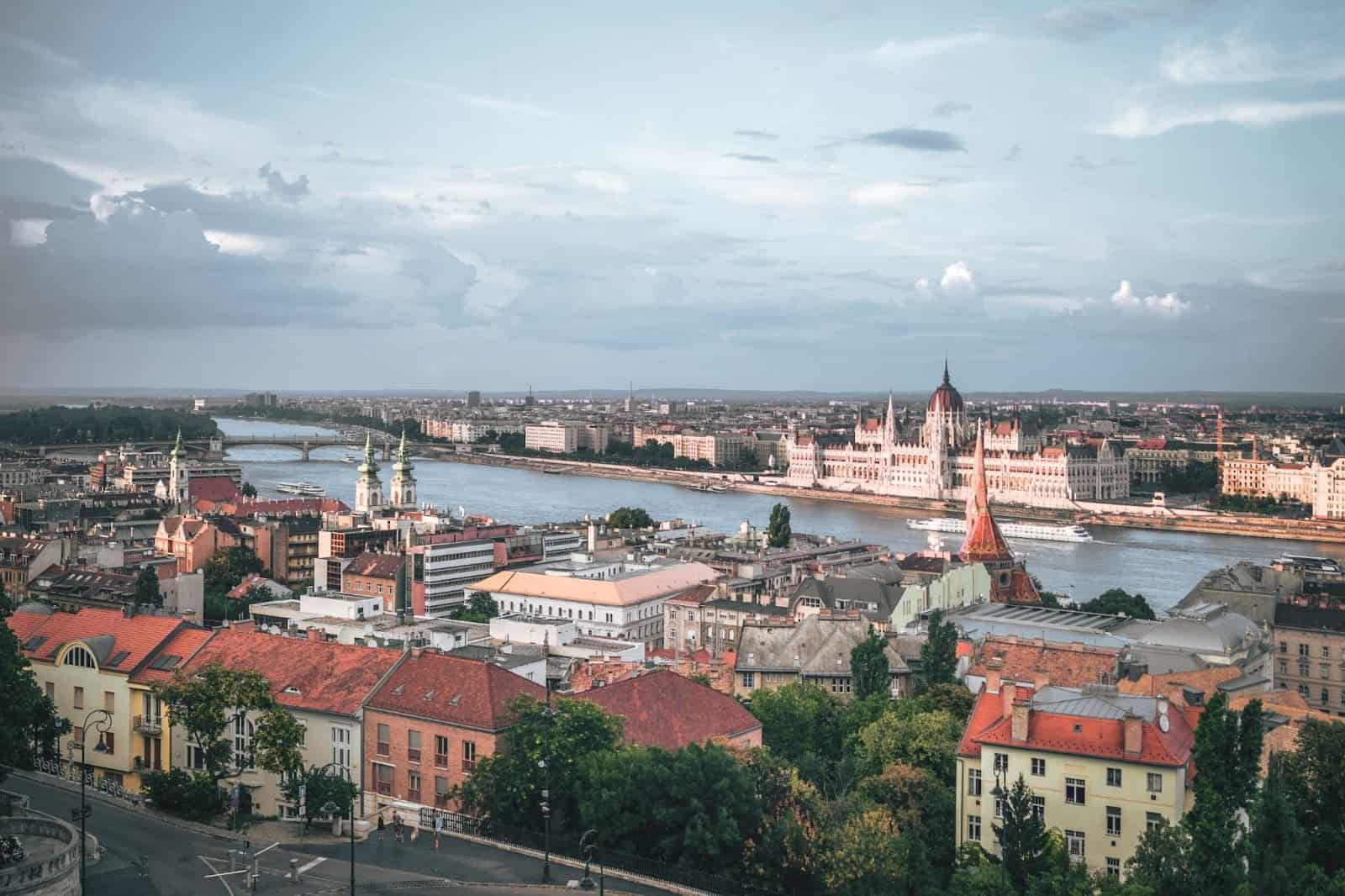
Their well-trained professionals often have the latest technology. Most of Hungary’s tourism and healthcare facilities are located in Budapest, the capital, ensuring you don’t have to travel outside the city to combine your procedures with Hungary’s rich culture and history.
Questions Americans Ask About Medical Tourism in Hungary
If you are looking to seek medical treatment in Hungary for the first time, that process can come with many questions. Below are some of the most frequently asked questions people may have when deciding to get a medical procedure done in Hungary.
What are the costs compared to the same procedures in the U.S.?
In Hungary, many medical costs are significantly cheaper than in the U.S. On average, percentages for a medical procedure can range from 45% to 80%. Some procedures can provide savings in the 90% range. The specific savings you can expect for yourself will vary based on which procedure, the extent of the work, and the specific doctor you have performing it.
Is Hungary's healthcare system safe and reliable?
Hungary’s medical professionals are well-trained and offer quality care to anyone who needs it. The country also has higher standards for healthcare than many of its neighboring countries.
What are the most popular medical tourism procedures in Hungary?
The most popular medical tourism procedure in Hungary is dental. Many people come to the country to have their teeth fixed. Hungary is also well known for its cosmetic, orthopedic, and cardiology procedures, but not as much as dental.
Does Hungary offer traditional or holistic medicine alongside Western treatments?
Hungary is home to many traditional and holistic treatments, from thermal baths to Pálinka. These may or may not be recommended alongside Western treatments, but locals may suggest them.
Is traveling to Hungary for medical tourism safe?
Hungary is relatively safe for medical tourism. It has qualified medical staff, advanced technology, and high healthcare standards and protocols. However, some crimes, including theft and scams, can be expected in the country, so if you go to Hungary for a medical procedure, you must stay attentive and aware of your surroundings.
Will I be able to communicate with the doctors in English?
In Hungary, your doctor is only required to provide treatment in Hungarian, but many of them do speak English. Their skills may range from rudimentary to fluent.
Is my U.S. health insurance valid in Hungary?
The United States does not have an agreement with Hungary to accept insurance for medical coverage. However, many clinics will accept international health insurance or travel insurance if you would like to use insurance to cover medical costs in Hungary. Remember, this insurance may not cover all expenses related to your procedure.
What about follow-up care after a procedure?
Most facilities in Hungary provide post-procedure care and detailed follow-up plans. Some can collaborate with healthcare providers in the United States to ensure that you can receive ongoing care once you return home. Discussing this with your doctor can allow for a more seamless transition.
What if complications occur after I return home?
Arranging follow-up care in the United States is necessary. It will help to prepare financially for potential complications, as your health insurance may not cover them. Make sure you obtain all of your medical records from the facility in Hungary and get them translated if they are not in English.
What is the Visa process for Americans visiting Hungary?
If you will stay in Hungary for less than 90 days, a Visa is not required. You will need a valid passport that will remain valid for 3 months beyond your stay. If you plan on staying in Hungary for longer than that, you will need to obtain a visa, which you can get through the Embassy of Hungary.
In addition to a valid passport, you will need sufficient evidence of funds and a return plane ticket. Adequate proof of funds is more than 10,000 Euros, which equals approximately $10,893. This amount must be declared for both entering and leaving Hungary.
How do I find a reputable medical tourism provider in Hungary?
Look for accreditations such as the Joint Commission International (JCI). These accreditations confirm that these facilities’ treatment and care meet international standards.
It would help if you also researched doctors and hospitals to verify their backgrounds, certifications, and experiences. Reading patient testimonials and reviews can reveal factors not covered in their background experiences. These can tell you how their patients are treated and healed and if the reviewer would recommend this doctor for further care.
What are some things to consider culturally when visiting Hungary?
While you are in Hungary, it is crucial to consider that food is a significant part of the culture, and the locals take great pride in it. They follow several etiquette guidelines when consuming a meal.
All illicit substances are banned in Hungary, and processing even a tiny amount can land you in prison. This includes marijuana. Leaving your substances at home while you are overseas is essential.
Whistling, humming, and singing in public, while not illegal, can be seen as rude in Hungarian culture. Limit these activities to your hotel room.
Can I combine medical treatments with sightseeing and cultural experiences?
Yes. You can both receive your medical treatment and experience many things Hungary offers. Hungary has many things to see and do, and depending on the extent of your procedure and how long you plan to stay, you can combine the two.
The Details of Medical Tourism in Hungary
So, how much can you save on specific procedures in Hungary? If you are going to travel thousands of miles from the United States to Hungary, is getting medical treatment there worth it?
Medical Procedures
Hungary is known for its dental procedures in medical tourism. It is at the forefront of innovations and dental care. Thousands of people receive dental care for 50% to 70% of what it would cost in the United States. But they can also perform many other medical procedures at a cost lower than you would pay back at home.
They also have excellent orthopedic, ophthalmological, cardiology, and oncology services, which include advanced cutting-edge technology.
Hungary is also known for holistic treatments, such as thermal and medicinal baths, for those seeking alternative care that might not be as accessible in the United States.
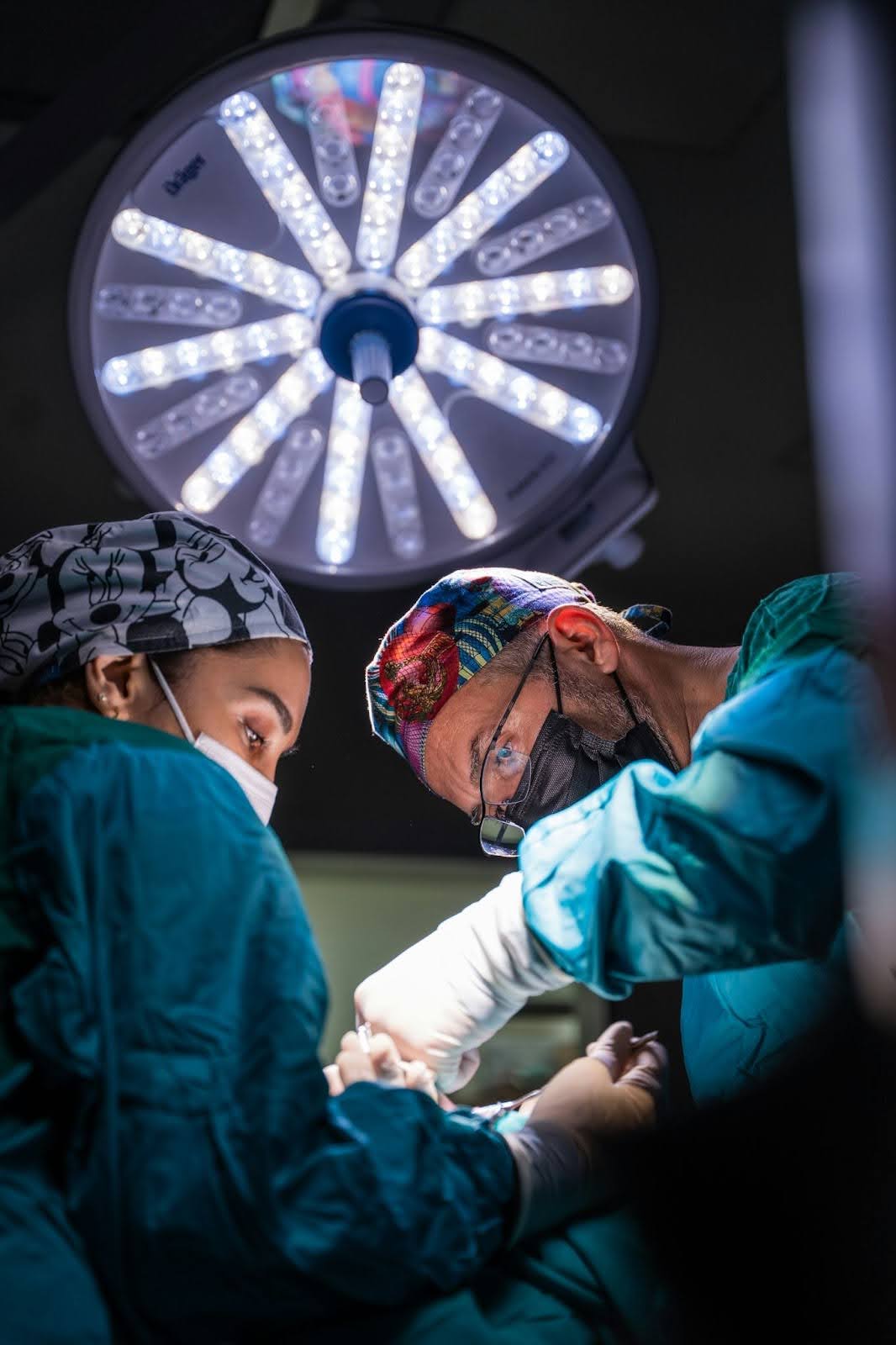
Below is a chart of some of the most common procedures people might receive in Hungary and a price comparison to the United States. These prices may differ depending on the doctor and the extent of the work needed.
| Procedure | Average Cost in USA (USD) | Average Cost in Hungary (USD) | Potential Savings |
|---|---|---|---|
| Dental Crowns | $1,000-$3,000 | $360-$545 | 64% - 78% |
| Dentures | $1,000-$3,000 | $600-$820 | 40% - 72% |
| Veneers | $900-$2,500 | $486-$523 | 46% - 79% |
| Dental implants | $3,000-$5,000 | $800-$1,500 | 70% - 73% |
| Knee Replacement | $35,000-$55,000 | $4,000-$5,000 | 88% - 90% |
| Hip Replacement | $30,000-$60,000 | $9,500-$11,000 | 68% - 81% |
| Heart Bypass Surgery | $37,000-$200,000 | $5,000-$18,000 | 86% - 91% |
| Gastric Bypass Surgery | $25,000-$35,000 | $4,000-$7,000 | 80% - 84% |
| Gallbladder Removal | $8,000-$15,000 | $1,400-$2,800 | 81% - 82% |
| Bone Marrow Transplant | $100,000-$300,000 | $50,000 - $70,000 | 50% - 76% |
| In Vitro Fertilization | $15,000-$25,000 | $4,000-$7,000 | 72% - 73% |
| Hysterectomy | $10,000-$20,000 | $3,700-$11,000 | 45% - 63% |
| Hernia Repair | $6,000-$12,000 | $1,300-$1,700 | 78% - 85% |
Plastic Surgery Procedures
Hungary is also known for its cosmetic surgeries. Below are some of the most common procedures someone might go to Hungary for.
| Procedure | Average Cost in USA (USD) | Average Cost in Hungary (USD) | Average Savings |
|---|---|---|---|
| Breast Augmentation | $7,000-$12,000 | $2,800-$3,200 | 60% - 73% |
| Hair Transplant | $7,500-$8,000 | $1,300-$4,800 | 40% - 82% |
| Facelift | $10,000-$15,000 | $800-$12,000 | 20% - 92% |
| Tummy Tuck | $10,000-$18,000 | $3,500-$13,000 | 27% - 65% |
| Brazilian Butt Lift | $6,500-$10,000 | $1,250-$8,600 | 14% - 80% |
| Buccal Fat Removal | $3,000-$4,000 | $760-$2,800 | 10% - 30% |
| Cosmetic Rhinoplasty (Nose Job) | $8,000-$15,000 | $2,600-$7,600 | 49% - 67% |
Understanding Travel to Hungary
Most hospitals and clinics in Hungary are in Budapest, the capital. There are very few outside of this city. Budapest is your best bet if you want medical care in Hungary. However, there are many things you can experience while you are here, and we will discuss some of those things below.

The Weather
The best time to visit Hungary is from March to May and September through November. It is not typically overcrowded with tourists during this time, and the temperatures can be mild. This is known as their shoulder season. The weather is pleasant but unpredictable during this time, and the days tend to be shorter.
Their Winter months are the shortest, coldest, and dreariest of the year. They are known to get constant snow and below-freezing temperatures during this time. This is their lowest visitor season, so if you want to avoid the crowds but don’t mind the cold, Winter can be an excellent time to get your medical procedure done.
June, July, and August are the hottest and most popular months. Temperatures are warm, and the days are long. Because of the heat that Hungary can get in the Summer, you are encouraged to pick an accommodation that includes A.C. if you want to go during this time.
Below is a chart with their monthly highs and lows in Fahrenheit.
| Month | Highs | Lows |
|---|---|---|
| January | 34.2 | 24.8 |
| February | 40.1 | 28.9 |
| March | 50.4 | 35.1 |
| April | 61.3 | 43.3 |
| May | 70.5 | 51.4 |
| June | 75.9 | 57 |
| July | 79.7 | 59.7 |
| August | 78.8 | 58.8 |
| September | 71.8 | 52.7 |
| October | 61 | 44.1 |
| November | 35.8 | 35.8 |
| December | 37.6 | 28.8 |
Accommodation
When you get to Hungary, one of the most important things to know is where you will stay. You should factor in the days before and after your procedure for rest and recovery. Prices can also vary depending on when in the year you are going to Hungary and where you wish to stay.
Budget
The cheapest time to visit Hungary is in the Winter. Keep in mind that this is also when it is colder. There are also the smallest crowds, and hotels and planes are often cheaper in wintertime. Additionally, 4-star hotel prices can be as low as $18 a night. During the Summer, the lowest a 4-star hotel goes is $36.
Mid-Range
Budapest has plenty of options for those who wish to spend a little more than the standard budget. Fall and Spring are the best times to go when the weather is nice, but a limited number of tourists still raise the demand prices. During the Spring, 4-star prices can range from $28 to $610 a night, depending on what you want from your place to stay. On average, a mid-range hotel will cost around $66. In the Fall, prices are similar.
Luxury
Some people wish to combine their medical procedures with luxury. No matter the season, Hungary has plenty of luxury hotel options. 5-star hotels can range from $221 to $1,154 per day. The price for luxury hotels stays the same no matter the year, though it might increase during special times.
Daily Spending
Even though you are there to get a medical procedure done, you should remember the other costs you may have yet to consider. This includes essential expenses and if you wish to go on any excursions. It is customary to tip in Hungary for guides and service providers. This expected rate is between 5% and 15%.
Food
Hungary ranks among the top 25% of European countries in terms of food affordability. If people stick to the local cuisine, they will spend around $22 per person daily on food. This number can vary and be higher if they want more fine dining experiences.
Transportation
The prices can vary depending on how you wish to travel to Hungary. A metro pass can cost around $4, while a short taxi ride can cost a little over $7. Because of this, you should consider the distance between your hotel and the clinic and plan accordingly. If you are going to take a taxi there, you want to make sure you have at least $14 a day set aside for going to the clinic and returning to the hotel.
Renting a car in Hungary can cost between $16 and $58 daily. You will need a valid U.S. driver’s license and a certified Hungarian translation of your license. Gas prices typically fall around $2/Liter.
Excursions
The price of excursions can vary depending on what you want to do. Hungary has many attractions, including museums, day tours, castles, the Baths, shows, and more. On average, someone might spend around $16 a day, but some attractions may be more than this. Researching the cost of the excursions you want to see can give you a better idea of what you should budget for in this category.
The Cost of Airfare
Airline ticket prices can vary depending on where you depart and the time of year. It is recommended to watch for flights and book ahead of time. Prices also vary depending on whether you fly economy, business, or first class. Economy flights will be cheaper than first-class flights.
Departure Location: If you depart from an international airport on the East Coast, your airline tickets will be significantly cheaper than if you were to fly out from an airport in the middle of the country or on the West Coast.
Travel Dates: Winter is the cheapest time to get a plane ticket to Hungary. This is because it is also the time when the fewest tourists visit. During the summer months, plane tickets will be the most expensive.
Sample Cost Breakdown and Budget
Below is a sample breakdown of how much you would need to budget for a 2 week-long stay in Budapest for dental implants. The chart examines the lowest and highest amounts depending on how much luxury you wish to experience. This chart conveys prices when departing from New York, New York, in the Fall. These costs will differ if you go from a different location or time. As mentioned above, tipping is customary for all services in Hungary, so you should plan to use at least a tip of 5% to 15%.
| Item | Low End of Budget | High End of Budget |
|---|---|---|
| Airfare | $528 | $10,751 |
| Accommodation | $252 | $16,156 |
| Food ($22 a day) | $308 | $308 |
| Rent a Car and Gas | $238 | $826 |
| Daily Excursion Budget of $16/day | $112 | $112 |
| Dental Implants | $800 | $1,500 |
| Tips (10% on everything in Hungary) | $171 | $1,891 |
| Total | $2,409 | $31,544 |
Additional Considerations
In addition to the essentials, you must consider other factors impacting your budget for your medical tourism trip to Hungary. Below are a couple of those considerations.
Length of Stay: How long you will stay in Hungary can influence how much you will need to budget for. A more extended stay will be more expensive than a shorter stay. When deciding how long you will stay, consider the timeline of your medical procedure and any recovery time if necessary.
Must-see Attractions or Experiences: Hungary has many things to see and do, from tours to castles, thermal baths, and operas. Depending on the attractions you hope to visit while you are here can influence your budget. Some places will be low to no cost, but others will have higher entrance prices. Researching which attractions you wish to visit and creating a list can give you a better idea of what to plan for.
Tips for Saving on Travel Costs
- Be prepared for the cold and snow, and visit in the Winter. The costs are cheaper, and the crowds will be smaller
- Rent a cheaper car or take public transportation, but be aware of your surroundings
- Eat local cuisine. These will be cheaper options than fine dining
- Visit lower-cost attractions. Many tourist locations in Hungary have cheaper entrance fees or don’t charge anything. While the lower-cost attractions may not be at the top of your list of things to visit, they can still be enjoyable
Your trip to Hungary is unique when compared to other people who may be traveling for vacation. Since you are visiting for a medical procedure, you can ask your doctor if they have any recommendations regarding hotels, attractions, and restaurants. They ultimately know the area well and may have partnerships that can get you a lower price.
Top Hospitals in Hungary – Finding the Best Care
Below are some of the top-rated hospitals in Hungary. All of Hungary’s hospitals are located in Budapest.

Evergreen Dental
This Hungarian-American clinic is ranked the third-best dental clinic in the world. It can perform any dental surgery, including aesthetics and bone graft operations. It specializes in dental implants, fillings, crowns, and veneers and provides warranties.
Medicover Hospital Hungary
This multidisciplinary clinic has over 30 years of experience in surgery. Its specializations include general and vascular surgery, orthopedics, and otorhinolaryngology.
Prohair Transplant Clinic Budapest
This medical facility specializes in aesthetic medicine and cosmetology. Its primary specialty is plastic surgery.
Stepsbudapest Clinic
This center focuses entirely on orthopedics, rehabilitation, and hand surgery for adults and children. It sees 200 patients from all over the world every year.
Duna Dental Clinic
This healthcare clinic specializes in dentistry and serves patients from the United States, Canada, and the U.K. The International Organization for Standardization confirms it for its medical services and treatment quality.
Budapest Dental Clinic
This clinic provides high-quality dental services at a more affordable price. Its specialties include dental implants, veneers, and other treatments like Hollywood smile makeovers.
Researching Further
Some steps and considerations must be remembered when deciding which clinic or doctor to visit. These can ensure that you find the treatment that is right for you.
First, find a doctor who specializes in the procedure you want to have done. Many hospitals allow you to communicate with your doctor online beforehand. Please ask any questions you may have if you need clarification.
It would be best if you also looked for accreditations. The Joint Commission International (JCI) certifies providers who offer care that meets international norms and standards.
Researching the doctor is also essential. You will want to verify their educational background, certifications, and experience. You can also read patient testimonials and reviews, as these will provide you with what you can expect from having your procedure done with the specific doctor you are considering.
Guide to Medical Procedures
In Hungary, dental procedures are the most common and well-known in the country regarding medical tourism. But there are a few other procedures that are common in Hungary at a lower cost than what you would find in the United States. They also have access to new methods and innovations that may not be accepted at home. Below are some of the most common procedures someone might go to Hungary for. Not all potential procedures you can have done are listed, but these are among the most popular.
Dental Work
Veneers
Veneers help reshape a person’s teeth and give them an aligned and brighter look. People may get them done cosmetically because they aren’t happy with their natural size, shape, and color. Still, it can also be done if their teeth are chipped and broken. Hungary is known for its veneers, which include a thin layer of zirconia that resembles fake fingernails but for your teeth to give them a desired look.
Dental Bone Graft Operations
This relatively safe procedure can be performed in Hungary. It involves removing a small amount of bone from a person’s body to create the base for dentures or dental implants.
Dental Implants and Crowns
Hungary is most known for this procedure. Many clinics offer this service.
Cosmetic Surgery
Hair Transplant
Hungary is rising in popularity regarding hair transplants. They are among the lowest costs for this service while keeping up with their exceptional technology and patient care standards.
Fat Grafting
This popular procedure transfers fat from one body area into another. Many people will undergo this surgery in Hungary to give themselves a more youthful look. Common areas the fat may be transferred into are the butt, lips, and breasts.
Abdominoplasty
Also known as a tummy tuck, this procedure is prevalent in Hungary. Many surgeons in Budapest will perform this surgery.
Orthopedics
Joint Replacement Surgery
These surgeries, including knee and hip replacements, are popular in Budapest because of their affordable prices and cutting-edge technology, which is unavailable in the United States. These surgeries also have no waiting lists at many clinics.
Hand Surgery
Several hospitals in Budapest specialize specifically in hand surgery. The most common surgeries are for degenerative lesions and carpal tunnel. The surgeons are skilled at helping restore and maintain the sensory functions and fine motor skills associated with the hand.
Arthroscopy Surgeries
Hungary is known for these surgeries, which can simultaneously diagnose and treat joint damage. They don’t require large incisions, making them popular with those who don’t want to return home with large scars after joint surgery. Having them done in Hungary is much cheaper than in the United States.
Traditional Hungary Medicine
Even though modern medicine is growing and popular in Hungary, it is still full of traditional Hungarian remedies that the locals may offer you or doctors could incorporate into their practice. Some people may go to Hungary solely for the conventional medicine options available. Below are some of the most popular that you may encounter:
Pálinka is the most common traditional Hungarian medicine used today. It is a Hungarian fruit spirit or brandy made from peach, apricot, pear, or plums. It is used as a pain reliever and antispasmodic. People may pour it onto a wound or bone fracture. Sometimes, it is also used for snake bites. This drink is served everywhere, and many Hungarians believe it can cure anything from a headache to nervousness.
Hungarian húsleves is similar to chicken soup and is traditionally used to cure stubborn colds. Everyone has unique recipes, but common ingredients include garlic, thyme, chamomile, black radish, and hemp.
They may use milk freshly curdled with vinegar or dill seed fomentation for inflamed eyes. Cataracts are treated with walnut leaf fomentation or powdered glass. To improve crossed eyes, they will have people lace a string into sewing needles.
Thermal spas and herbal medicines are often used together to treat many ailments. The country has over 330 herbs, of which approximately 80 are used in different treatments today.
Folk incantations, charms, sounds, and singing may also cure illnesses. These are typically used if the cause of a disease is unknown or cannot be identified, and they are commonly known as “medical magic.”

Safety Overview
Hungary is generally safe to visit, but you should know a few things that can ensure your safety.
As of July 2024, Russia’s invasion of Ukraine is still ongoing. It would be best to plan not to travel to Ukraine while heavy fighting is still occurring. Hungary borders the areas of Ukraine where much of the invasion is happening, and it can be dangerous to enter. As far as Hungary-specific concerns, there are a few crimes you should be aware of while you are there.
- Theft: Petty crime and robberies are common in Hungary, especially in tourist and public transport areas. Robbers may try to persuade drivers to pull over to steal from vehicles. To keep yourself safe, pay attention to your belongings, use secure parking, be wary of direct offers of help from strangers, and don’t leave valuables in the car.
- Scams and Fraud: In some regions of Budapest, clubs and restaurants may overcharge. To prevent this, always check the price of food and drinks before ordering. However, be conscious that arguments regarding overcharging can lead to violence, security guards may force you to pay, and taxi drivers may get a commission for taking you to these places. Always be wary of any drivers or strangers who invite you to clubs.
- Drink Spiking: Another widespread crime that can occur in Hungary is drink spiking, which then leads to sexual assault. You can reduce your probability of encountering this by not accepting drinks from strangers, not leaving drinks alone, and sticking with people you trust in bars, festivals, and nightclubs.
- Cyber Security: Cyber-based threats like digital identity theft are a growing concern in Hungary. Your devices and personal data may be compromised if you connect to Wi-Fi, public computers, or Bluetooth. In Hungary, you should not comment on local or political events on social media, as travelers can be arrested for things said there.
Recently, there have been no terrorist attacks in Hungary, but that doesn’t mean they can’t happen. Typical buildings where these attacks have historically happened are airports, public transport, government buildings, places of worship, and public areas that attract large groups. To protect yourself in the event one might happen, always be aware of your surroundings, report suspicious behavior or unattended bags to the police, watch the media for updates, take official notifications seriously, and follow the guidance of local authorities.
Extremist groups in Hungary have staged protests that have turned violent in the past on national holidays. These dates include March 15th, the first Saturday in July, August 20th, and October 23rd. If you will be in the country during this time, avoid the protests, monitor the local media, and follow the advice of local authorities.
Some Important Local Laws
While visiting Hungary, you are subject to all their laws and penalties. If you are arrested, immediately have the authorities contact the Embassy of the United States of America in Hungary. They can’t get you out of jail or cover any legal expenses, but they can guide you through what needs to be done and inform your loved ones back home.
Laws in Hungary include:
- Possessing even small amounts of illegal substances, such as marijuana, can lead to prison sentences
- Smoking is banned on all public transport and transport stops, within 16.5 feet of entrances to education buildings, around playgrounds, and in any public indoor areas
- Minor driving offenses can result in hefty fines, while serious driving offenses can include prison
- The drinking age in Hungary is 18, and many areas outlaw buying alcohol after 11 pm. Stores and bars will I.D. you if they doubt that you are above 18
- There is zero tolerance for driving under the influence, even if all you had was a sip of beer
Local authorities can request to see your identification at any moment, so it is essential to always carry your passport. They will not accept a photocopy.
While same-sex relationships are legal in Hungary, and they have laws to prohibit sexual discrimination, it is not widely accepted. Harassment and violence against LGBTQIA+ travelers have occurred.
Places to Avoid
There are some districts in Budapest that you will want to avoid because they are less safe or tourist-friendly. Below are a few of them:
District VII: Józefvárps
This area of Budapest is located in the east. Despite having historic landmarks, it tends to have a higher crime rate. If you visit this location, avoid walking alone at night and be mindful of your surroundings.
Outer Districts: Kispest and Újpalota
This area has higher poverty and crime rates. They don’t have many tourist attractions, but if you do end up in this area, be mindful of your surroundings and try to avoid it altogether during the evening hours.
District IX: Ferencváros
Some areas have been developed recently, but others haven’t. Stick to the popular places and well-lit streets if you wish to explore this area, especially at night.
Great Market Hall and Váci Street
These areas are popular tourist destinations. They have landmarks, restaurants, souvenir shops, and fashion boutiques. However, it would be best to closely monitor your belongings, especially in crowded areas, as pickpocketing is common.
Nightlife Districts: District VII and Some Parts of District VI
These areas can be vibrant with nightlife. Since this area can include excessive alcohol consumption, altercations and pickpocketing are most likely to occur. It is essential to stay vigilant and keep your belongings secure if you explore these areas at night.
Dispelling Myths
Every country has its misconceptions, and Hungary is no exception. Below are four of the most common misconceptions about the country.
- All Hungarian food is greasy and spicy. While much of the cuisine is spicy and cooked in fat, not all of it is. Several restaurants target tourists by offering these spicy and greasy food options. Some Hungarian cuisines include a more comprehensive, health-conscious range of food. So, if greasy and spicy foods aren’t for you, rest assured that there are still options for you during your trip.
- Hungarians are not hospitable and welcoming. This isn’t true. Community and solidarity are essential to Hungarian culture, often extended to people from abroad. Their culture encourages them to treat non-Hungarian people as guests. Staying aware of your surroundings is still crucial, and you should not go anywhere with an overly friendly person, as scamming and pickpocketing can happen.
- All Hungarians have horses. In the past, Hungary was an equestrian nation. Today, this isn’t the case. Most Hungarians do not own horses in the modern age. While some stables and horse shows still exist within the country, it is far less common to meet someone who owns a horse than in the 19th century.
- Hungarians argue all the time. If you are worried that your doctor in Hungary will spend their time arguing with you or their colleagues, this will probably not happen. Hungarians are passionate people who are not afraid to voice their opinions. However, they tend to save this for casual environments. When they are working, they prefer to remain professional and formal.
Make the Most of Your Trip: Understanding Cultural Heritage
While visiting Hungary to receive cost-saving, high-quality medical care, you can still embrace the country’s rich, history-filled culture. Budapest was once known as the “Paris of the East,” so there is no reason you can’t explore what it offers.
Understanding The Culture: Explore Hungary
Hungary has a vibrant culture greatly influenced by its history, geography, and folk traditions. It was once part of the Austro-Hungarian Empire, and this history has been preserved throughout generations. Hungary is also known for many inventions, such as the Rubik’s cube, pen, and refrigerator. It has the world’s highest rate of Nobel Prize winners per capita.

Family Is Important
Close-knit family relationships are highly valued in Hungary. Extended families live close together, and grandparents play a role in raising children. Families share housework and spend time together on the weekends. They also follow strict daily routines and share dinner together. When an elderly family member can no longer live independently, they move into the same household as their children and grandchildren.
Food Is an Integral Part of Culture
Hungarian cuisine is at the center of Hungarian culture. Dishes such as goulash, chicken paprikash, beef stew, stuffed cabbage, and chimney cake are always fresh and with locally sourced ingredients. Traditional dishes are rich and hearty, but modern versions are also available that are lighter but maintain their unique flavors.
Traditionally, breakfast is a light meal of cereal, bread, ham, vegetables, or eggs. Lunch is a larger hot two-course meal with a main course and soup or dessert. Dinner is a cold dish.
… And So Is Music and Dance
Hungarian culture has many roots in traditional Hungarian folk. This includes conventional Hungarian folk music, which is still used today. This music involves instruments such as the violin, double bass, and cimbalom, and it is accompanied by traditional, energetic Hungarian dances performed in traditional costumes. Music and dance are regularly performed at several festivals and events in Budapest.
Hungarians Practice Roman Catholicism, Protestant, or Traditional Folk Beliefs
Hungary’s primary religion is Roman Catholicism. Approximately 70% of the population identifies as belonging to this religion. Christmas and Easter are important holidays in the country. The cities have many cathedrals and synagogues that visitors enjoy visiting. Even locals who do not identify as Roman Catholics will still have baptisms, funerals, and weddings tied to the Church.
Hungarians also practice other religions, namely Protestantism, Judaism, and traditional folk beliefs. Those practicing traditional Hungarian beliefs often use amulets and talismans to ward off evil spirits.
Advice, Cultural Nuance, and Tips
Hungarian etiquette is essential in this culture; not following it can be considered rude. While some of these guidelines may not be disrespectful in the United States, they do in Hungary. While visiting, it is crucial to keep these in mind.
Some basic etiquette that applies to everyday encounters include:
- Never call someone by their first name before being invited to do so
- No whistling, humming, or singing in public
- Always cover your mouth when yawning
Since food is such a big part of their culture, they have many food etiquette guidelines. Some of these include:
- Never leave food on the plate. This is an indication that you are dissatisfied with the food
- Discussions during mealtime should be formal. Talking about things such as animals may be found offensive
- To indicate you have finished eating, place your knife and fork parallel across the plate
- Your host will refill an empty glass when they see it. If you do not want more to drink, leave your glass half-full
- If you season your food with salt or pepper, this can be seen as offensive. Hungarians take great pride in their meals
If you are drinking beer, you should not clink glasses. If you are drinking wine or pálinka, you should look the others in the eye, clink glasses, and say “Egészségedre.” This translates into “cheers”
In Budapest, many people can speak English, especially younger ones. But Hungarian is the official language. Learning Hungarian can be useful for your trip if you wish to talk to and understand many people. Be warned that Hungarian is considered one of the most challenging languages to learn as an English speaker because there are few similar words. Learning essential words and vocabulary can help make communication easier.
Also, Hungary does not accept the U.S. Dollar. They will only accept the Hungarian Forint. It would be best to exchange your currency for their official currency when you are in the country. Western Union is the most prevailing international money transfer company and has many establishments throughout Hungary.
Places to See
Since you are receiving medical care, Budapest is the best city to visit, given that it is the only one in Hungary with hospitals. However, there is still lots to do and see there. Budapest is known for its many attractions that draw crowds every day. Below are some of the most popular attractions you can visit on your medical tourism trip.
Buda Castle
This Royal Palace offers many tours that allow you to explore different areas of this massive castle, including sections such as a labyrinth, the Buda Castle courts, and the Matthias Church. Many of these tours are conducted in English but require pre-booking beforehand.
Vajdahunyad Castle
For those who appreciate architecture, this castle showcases many styles from the Middle Ages, Romanesque, Gothic Renaissance, and Baroque. The open-air courts of the castle are free to visit and take pictures of, but entrance fees are required if you wish to see the inside.
St. Stephen's Basilica
This Church is beautiful, significant, and popular in the country. It is dedicated to St. Stephen, the founder of Hungary. The Church has a long history and stunning architecture. Visitation is typically limited during the weekend and weddings.
Dohány Street Synagogue
This 165-plus-year-old synagogue, named after the street it is on, hosts the Hungarian Jewish Museum and is among the top 10 tourist locations in Budapest. It can hold 3,000 people seated and 2,000 standing. It remains an important religious center for the Neolog Jews who live in Hungary today.
Széchenyi Thermal Bath
For those looking to relax at one of the best spa baths, this one has 18 pools, 10 saunas, several massage therapies, and more. The water comes from medicinal natural hot spring waters due to the fault line that Hungary sits on. After your medical procedure, this attraction can provide you with blissful relaxation.
Gellért Thermal Bath
Széchenyi Thermal Bath is not the only one in the city. Gellért Thermal Bath, also known as the “Palace of Baths,” includes 10 pools of various sizes and temperatures. These baths are also wheelchair accessible.
Below are a few of the additional attractions that you can visit on your trip to Hungary:
- Hungarian State Opera – This historic opera house still has performances that go on
- Budapest Zoo & Botanical Garden – This is one of the oldest zoos in the world, and they have over 1,000 different animal species
- Museum of Fine Arts – This museum is home to many paintings from prehistory to present
- Shoes on the Danube Bank – This no-cost attraction is a memorial and monument to Hungarian Jews who died on the banks of the Danube River between 1944 and 1945. There are 60 pairs of shoes in total
- Central Market Hall – Budapest’s largest and oldest market is excellent for local produce, food, and souvenirs. Most vendors will only take cash, so be sure that you have some on hand if you are wanting to purchase things

Planning Your Medical Journey in Hungary Today
Choosing Hungary for your upcoming medical procedure offers more than high-quality care at low prices. You will also experience much of what the country provides culturally and historically. From the traditional food options that have been passed down for generations to the relaxing thermal baths, Hungary provides a comforting experience. By embracing the culture found in Hungary, you will return home from your healthcare procedure with a newfound appreciation for the country.