
Eyelid Surgery (Blepharoplasty) Abroad
The captivating power of the eyes is undeniable. They are windows to our soul, conveying emotions and expressing our essence. However, the signs of aging can manifest around the eyes, casting shadows and creating a tired appearance. Eyelid surgery, also known as blepharoplasty, offers a solution for American medical tourists seeking to restore a youthful vibrancy to their eyes and enhance their overall facial aesthetics.
Exploring Upper, Lower, and Blepharoplasty Options
Blepharoplasty procedures can be performed on the upper eyelids, lower eyelids, or both, depending on your specific needs and desired outcome. Here’s a breakdown of these options:
- Upper Blepharoplasty: This procedure focuses on the upper eyelids, addressing drooping skin and excess fatty deposits that create a hooded appearance. It can significantly improve vision in some cases where upper eyelid hooding obstructs the visual field.
- Lower Blepharoplasty: This procedure targets the lower eyelids, addressing puffiness caused by excess fat or fluid retention. It can also address concerns like lower eyelid laxity (loose skin) and fine lines.
- Combined Blepharoplasty: This procedure addresses concerns in the upper and lower eyelids, offering a comprehensive rejuvenation of the entire eye area. It’s suitable for individuals with visible signs of aging in both the upper and lower eyelids.

Upper Blepharoplasty (Eyelid Surgery)
The captivating power of the eyes is undeniable. They hold the key to expressing emotions and conveying our inner spirit. However, the relentless march of time can manifest around the eyes, casting shadows and creating a tired appearance. Upper blepharoplasty, an eyelid surgery for the upper eyelids, offers a solution for American medical tourists seeking to restore a youthful vibrancy to their eyes and enhance their overall facial aesthetics, often at a significant cost savings compared to procedures in the US.
Please note: These are estimated ranges and can vary depending on the surgeon’s experience, facility fees, the extent of the procedure, and the type of anesthesia used. It’s crucial to get specific quotes directly from clinics you’re considering.
How Much Can I Save?
| Country | Estimated Range for Upper Blepharoplasty (USD) | Important Note |
|---|---|---|
| United States | $3,500 - $12,000+ | Prices vary depending on the surgeon's experience, geographic location, facility fees, and anesthesia type. |
| Mexico | $2,000 - $8,000 | Consider travel costs and potential communication barriers. Research facility accreditations and surgeon qualifications for upper blepharoplasty. |
| Costa Rica | $2,500 - $9,000 | Similar considerations as Mexico regarding travel and communication. Focus on JCI-accredited facilities and board-certified surgeons experienced in upper blepharoplasty. |
| Colombia | $1,800 - $7,000 | It is a popular choice, but thorough research is crucial. Ensure JCI accreditation and surgeon qualifications for upper blepharoplasty. |
| Thailand | $1,500 - $5,000 | It is a budget-friendly option, but significant research is necessary due to varying quality standards. Choose JCI-accredited facilities and board-certified surgeons with upper blepharoplasty experience. |
| India | $1,200 - $4,000 | The most comprehensive range is due to varying quality standards. Extensive research of facilities, surgeon credentials, and accreditations for upper blepharoplasty is essential. |
| South Korea | $2,000 - $6,000 | Renowned for advanced technology, but costs can be higher. Research surgeon experience and facility accreditations for upper blepharoplasty. |
| Poland | $1,800 - $5,500 | Offers a balance between affordability and quality care. Look for JCI accreditation and surgeon qualifications in upper blepharoplasty. |
| Czech Republic | $1,500 - $5,000 | Similar considerations as Poland regarding affordability and quality. Research JCI accreditation and surgeon qualifications for upper blepharoplasty. |
| Spain | $2,200 - $7,000 | Popular European destination with high-quality facilities. Research surgeon experience and facility accreditations for upper blepharoplasty. |
What Are Popular Medical Destinations for Eyelid Surgery?
The captivating power of the eyes deserves a worthy frame. Yet, the effects of aging can manifest around the eyes, casting shadows and creating a tired appearance. Eyelid surgery, also known as blepharoplasty, offers American medical tourists a solution to restore a youthful vibrancy to their eyes and enhance their overall facial aesthetics. However, with a global landscape of medical tourism options, where do American patients go for eyelid surgery? Here’s a breakdown of popular destinations and considerations:
Top Eyelid Surgery Destinations
While affordability plays a role, prioritizing surgeon qualifications and facility accreditations is paramount. Here’s a glimpse into some of the leading medical tourism destinations for nose jobs, each offering unique advantages:
Global Leaders in Eyelid Surgery
South Korea: A titan in medical aesthetics, South Korea offers cutting-edge blepharoplasty techniques, often at a fraction of the US cost (savings of 50-70%). South Korean surgeons are known for meticulous techniques and focusing on natural-looking results. Seek JCI-accredited facilities and choose board-certified plastic surgeons with extensive experience in blepharoplasty procedures.
Thailand: A haven for advanced cosmetic procedures, Thailand attracts patients seeking blepharoplasty for its affordability (typically 50-70% less than US prices) and meticulous surgical techniques. Thai surgeons prioritize natural aesthetics in eyelid rejuvenation: research JCI accreditation, surgeon qualifications, and potential language barriers.
Balancing Affordability and Quality
Poland and Czech Republic: Eastern European destinations like Poland and the Czech Republic offer a balance between affordability and quality care for blepharoplasty. These countries are gaining recognition for their skilled surgeons and modern facilities, often at significantly lower costs than the US. Research JCI accreditation and surgeon qualifications specializing in blepharoplasty.
Emerging Destinations
Mexico: Mexico’s proximity to the US makes it a convenient choice for blepharoplasty. While surgeons may not all specialize in eyelid procedures, many offer them at competitive rates (often 40-60% less than the US). Prioritize JCI-accredited facilities and research surgeon qualifications for blepharoplasty.
Costa Rica: A popular medical tourism destination, Costa Rica offers affordability (savings of 50-70% compared to the US) and a growing reputation for qualified surgeons performing blepharoplasty. Costa Rica boasts a beautiful setting for recovery, but ensure JCI accreditation and research surgeon qualifications to confirm expertise in eyelid surgery.
Remember: Safety and Expertise Come First
While cost savings can motivate, prioritizing safety and expertise in blepharoplasty is paramount. Here are some key considerations when choosing a surgeon and facility abroad:
- JCI Accreditation: Ensure the facility is accredited by the Joint Commission International (JCI), signifying adherence to the highest international standards for safety and quality.
- Surgeon Qualifications: Choose a board-certified plastic surgeon with extensive experience performing blepharoplasty procedures. Research their background, qualifications, and patient reviews, explicitly focusing on eyelid surgery.
- Facility Reputation: Research the facility’s reputation for safety, hygiene, and patient satisfaction in eyelid surgery procedures.
- Clear Communication: Ensure clear communication with your surgeon regarding your desired outcome, medical history, and any questions. This open and transparent communication can make you feel more in control and empowered.
What Is the Recovery Process Like for Eyelid Surgery?
Eyelid surgery, also known as blepharoplasty, offers a solution for American medical tourists seeking to restore a youthful vibrancy to their eyes. But what can you expect after the procedure? Understanding the recovery process empowers you to prepare for a smooth, comfortable healing experience abroad.
The Initial Days: Managing Discomfort and Drainage
You can expect some swelling, bruising, and discomfort around the eyes for the first few days following blepharoplasty. The extent of these will vary depending on the type of blepharoplasty performed (upper, lower, or combined) and the individual’s healing process. Your surgeon will prescribe pain medication to manage any discomfort effectively. You may also experience some minor drainage from the incision sites, which is normal. The surgical team will provide detailed instructions on managing this drainage.
Rest and Recuperation
Following blepharoplasty, prioritizing rest is crucial for optimal healing. Avoid strenuous activity, heavy lifting, and bending over for the prescribed period, typically 1-2 weeks. Your surgeon will provide specific instructions regarding activity restrictions to ensure proper healing.
Minimizing Swelling: Compression and Elevation
Your doctor might recommend applying cool compresses to the eyelids to reduce swelling and alleviate discomfort. Elevating your head while sleeping on extra pillows for a few days after surgery can also be beneficial.
Incision Care and Bandages
The surgical team will provide detailed instructions on caring for your incision sites. These include keeping them clean and dry, applying specific ointments, and changing bandages as instructed. The bandages will typically be removed within a few days, and the stitches will dissolve or be removed within a week or two.
Planning Your Return Home: Travel Considerations
While recovery timelines vary depending on the individual, most patients can consider short flights (under 2 hours) within a few days after surgery (typically 2 to 3 days). For longer flights or extensive travel, waiting a week is generally recommended. It’s wise to book your return trip with at least a week’s buffer to allow for a comfortable recovery before traveling.
Following Your Surgeon’s Guidance: Key to a Smooth Recovery
Meticulously following your surgeon’s post-operative instructions is paramount for a smooth recovery. These instructions might include:
- Pain Management: Taking prescribed medication as directed to manage discomfort.
- Incision Care: Keeping the incision sites clean and dry, following instructions for cleaning and ointment application.
- Activity Restrictions: To allow for proper healing, avoid strenuous activity, heavy lifting, and bending over for a prescribed period.
- Diet and Hydration: Maintaining a healthy diet and adequate hydration can promote healing and improve overall recovery.
The Path to Refreshed Eyes: Recovery Timeline
Recovery from blepharoplasty is typically a 1-2 week process for the most noticeable effects. During this time, swelling and bruising will gradually subside. You’ll experience continued improvement in the following weeks and months. Most discomfort will resolve within the first few days, and you’ll gradually regain your normal range of motion around the eyes.
Remember: Patience is vital during recovery. While you might be eager to see the final results, it can take several weeks or months for the swelling to subside entirely and your eyes to settle into their final, refreshed appearance.
Beyond Recovery: Maintaining Your Results
Sun protection is essential following blepharoplasty to prevent sun damage and prolong the results. Wearing sunglasses that block UVA and UVB rays is crucial, especially during the initial healing months. Consult with your surgeon for personalized guidance on maintaining your youthful eye appearance.
What Are the Risks and Complications of Eyelid Surgery?
Eyelid surgery, also known as blepharoplasty, offers American medical tourists a solution for restoring a youthful vibrancy to their eyes. However, like any surgery, it’s essential to understand the potential risks and complications involved. By openly discussing these with your surgeon, you can make an informed decision about your blepharoplasty journey.
Common Risks and Complications
Bleeding and Infection: These are the most common complications associated with blepharoplasty. Bleeding can occur during or after surgery, and infection can develop if proper hygiene protocols aren’t followed. Minimizing risks involves choosing an experienced surgeon, following post-operative instructions carefully, and maintaining good communication with your doctor.
Swelling and Bruising: Expect swelling and bruising around the eyes for the first few days following surgery. The extent of these will vary depending on the individual and the type of blepharoplasty performed. Cool compresses can help reduce swelling; your surgeon will prescribe medication to manage discomfort.
Temporary Vision Changes: Temporary blurred or double vision can occur after blepharoplasty. This is usually due to swelling or irritation of the eye and typically resolves within a few days or weeks. However, reporting any persistent vision changes to your surgeon is crucial.
Dry Eyes: Dry eyes are a common temporary side effect, especially for patients with pre-existing dry eye conditions. Artificial tears or lubricating eye drops can help alleviate dryness. In some cases, temporary punctal plugs might be inserted to conserve tears.
Difficulty Closing Eyes: After blepharoplasty, temporary difficulty closing your eyes completely, especially at night, can occur. This is usually due to swelling and resolves as the healing progresses. However, if this persists beyond a few weeks, consult your surgeon.
Ectropion (Lower Eyelid Turning Outward): This is a rare complication where the lower eyelid turns outward, exposing the inner surface of the eyelid. It can occur if too much skin is removed or if healing is impaired. In such cases, corrective surgery might be necessary.
Entropion (Lower Eyelid Turning Inward): This is another uncommon complication in which the lower eyelid turns inward, irritating the eyeball. Similar to ectropion, it can be addressed with corrective surgery if necessary.
Uncommon Risks and Complications
Scarring: Scarring is possible with any surgery, and blepharoplasty is no exception. However, skilled surgeons aim to place incisions in inconspicuous areas and utilize techniques that minimize scar visibility. Proper scar care instructions are crucial for optimal healing and reducing scar prominence.
Allergic Reaction to Anesthesia or Medication: As with any medication, there’s a slight risk of allergic reaction to anesthesia or medications used during surgery. It’s important to discuss any allergies you have with your surgeon beforehand.
Asymmetry: While the goal is to achieve a balanced and symmetrical appearance, slight asymmetry can occur. In some cases, minor adjustments may be necessary to address noticeable asymmetry.
Additional Considerations for Septorhinoplasty
Persistent Difficulty Breathing: While temporary difficulty breathing is common, persistent issues after healing could indicate underlying problems requiring further evaluation by your surgeon
Numbness Impeding Daily Activities: If persistent numbness in the nose or upper lip significantly affects your daily activities, consult your surgeon for further assessment.
Loss of Vision (Very Rare): While infrequent, severe complications like eye muscle or blood vessel damage can lead to vision loss. Choosing a highly qualified and experienced surgeon significantly reduces this risk.
Remember: Communication is Key
It is essential to openly discuss your concerns and medical history with your surgeon. By understanding the potential risks and complications associated with blepharoplasty, you can make an informed decision about your eyelid rejuvenation journey.
Am I a Good Candidate for Eyelid Surgery
Eyelid surgery, also known as blepharoplasty, offers a solution for American medical tourists seeking to restore a youthful vibrancy to their eyes. But is it the correct procedure for you? Here’s a breakdown of critical factors to consider when evaluating your candidacy for blepharoplasty:
Age and Skin Quality:
While there’s no definitive age limit, most blepharoplasty patients fall between 40 and 70. The critical factor is your skin quality, particularly the elasticity around the eyes. Good skin elasticity allows the eyelids to adapt to surgical changes and achieve optimal results.
- Skin Elasticity refers to your skin’s ability to snap back after being pinched or stretched. As we age, collagen and elastin production naturally decline, leading to looser, less elastic skin.
- Healthy Habits: Maintaining a balanced diet rich in antioxidants and vitamins, proper hydration, and enough sleep contribute to collagen and elastin production and overall skin health. Conversely, smoking, excessive sun exposure, and a diet high in processed sugars can accelerate collagen breakdown and decrease elasticity.
Addressing Specific Concerns:
Blepharoplasty can effectively address specific concerns around the eyes:
- Upper Eyelid Hooding: This creates a heavy, tired appearance. Blepharoplasty can remove excess skin from the upper eyelids, revealing a youthful and alert look.
- Lower Eyelid Puffiness: This can cause bags or a tired appearance. Blepharoplasty can address excess fat deposits or loose skin in the lower eyelids, creating a smoother and more youthful look.
Realistic Expectations:
Blepharoplasty can significantly improve the appearance of your eyes, but it doesn’t stop the aging process. Discuss realistic expectations with your surgeon. Here are some things to consider:
- Wrinkles and Fine Lines: While blepharoplasty addresses puffiness and hooding, it might not eliminate all wrinkles or fine lines. If these concerns are a priority, discuss additional options like Botox or fillers with your surgeon.
- Uneven Skin Tone: Different treatments like laser resurfacing can address Sun damage or uneven pigmentation. However, healthy, even-toned skin more effectively showcases the results of blepharoplasty.
Overall Health:
You should be in good overall health and free of any significant medical conditions that could complicate surgery. Certain eye conditions might require clearance from an ophthalmologist before proceeding with blepharoplasty.
Consultation is Key
Consulting a board-certified plastic surgeon experienced in blepharoplasty is essential. They can assess your individual needs, evaluate your skin quality and elasticity, and discuss your desired outcome. An honest conversation about your candidacy and realistic expectations will empower you to decide about blepharoplasty.
By understanding these factors and seeking professional consultation, you can determine if blepharoplasty is the correct procedure to achieve your desired eye rejuvenation and youthful appearance.
What is an Upper Blepharoplasty?
For American medical tourists seeking to restore a youthful vibrancy to their eyes, upper blepharoplasty offers a targeted solution. This cosmetic surgical procedure addresses drooping eyelids, excess skin, and puffiness in the upper eyelid area.
Understanding the Procedure:
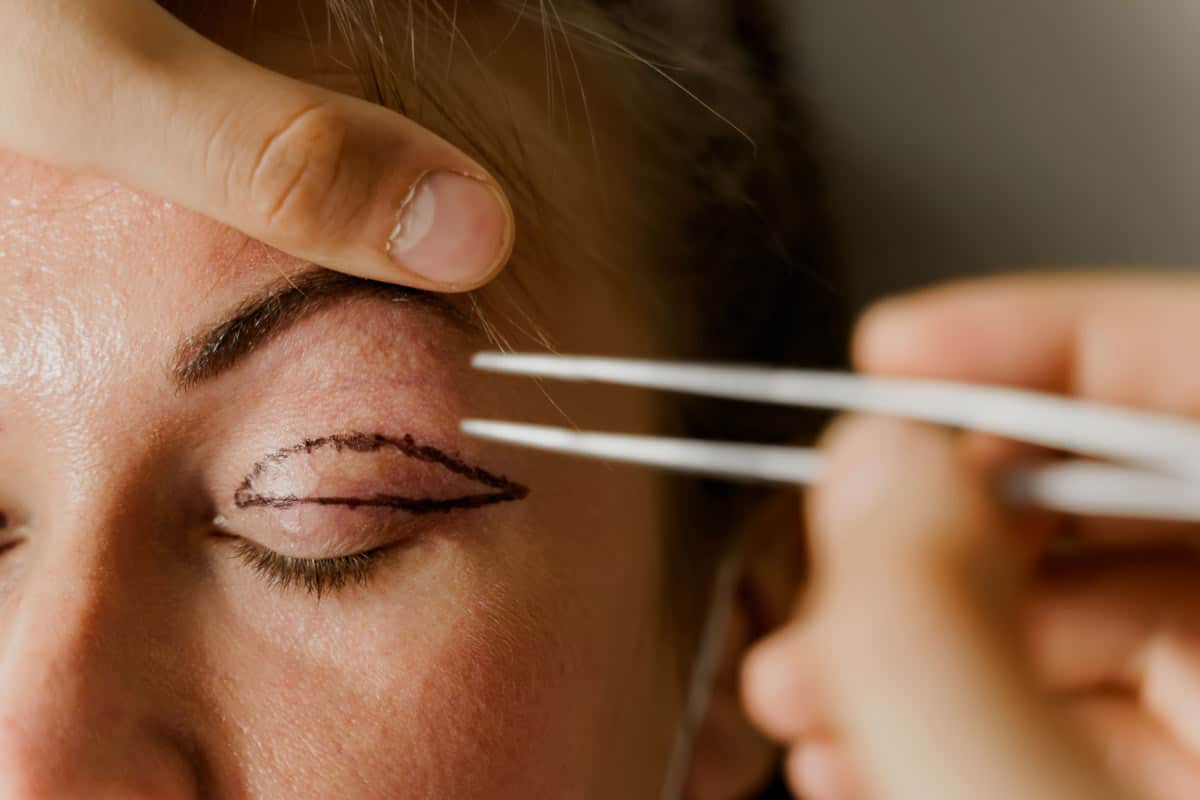
During an upper blepharoplasty, a board-certified plastic surgeon makes an incision hidden within the upper eyelid’s natural crease. This strategic placement minimizes scarring and ensures a discreet approach. Excess skin and, in some cases, underlying fat deposits are carefully removed. The surgeon then meticulously closes the incision with fine sutures.
Addressing Specific Concerns:
Upper blepharoplasty effectively targets several age-related concerns in the upper eyelid region:
- Drooping Eyelids: This can create a hooded appearance, making you tired or fatigued. Upper blepharoplasty removes excess skin to reveal a more open and alert look.
- Upper Eyelid Puffiness: This can contribute to a visually smaller eye appearance. Blepharoplasty addresses excess fat deposits, creating a smoother, youthful upper eyelid contour.
The Outcome: A Refreshed and Rejuvenated Look
Upper blepharoplasty can significantly enhance the appearance of your eyes, making you look refreshed and more youthful. The results are often subtle but impactful, creating a more open and alert expression.
Beyond Aesthetics: Functional Benefits
In some cases, drooping upper eyelids can impair vision by obstructing the upper field of view. Upper blepharoplasty can address this functional concern, improving not only aesthetics but also the quality of vision.
Lower Blepharoplasty (Eyelid Surgery)
The captivating power of the eyes extends beyond their ability to express emotions. They are a focal point of facial beauty, and the delicate skin around the lower eyelids can be particularly susceptible to the effects of aging. Lower blepharoplasty, eyelid surgery for the lower eyelids, offers American medical tourists a solution to restore a youthful vibrancy to their eyes and enhance their overall facial aesthetics, often at a significant cost savings compared to procedures in the US.
How Much Can I Save?
The substantial cost difference between lower blepharoplasty in the US and popular medical tourism destinations can be a compelling reason for many Americans to consider going abroad. Here’s a breakdown of the estimated price disparities:
| Country | Estimated Range for Lower Blepharoplasty (USD) | Important Note |
|---|---|---|
| United States | $4,000 - $15,000+ | Prices vary depending on the surgeon's experience, geographic location, facility fees, and anesthesia type. |
| Mexico | $2,500 - $9,000 | Consider travel costs and potential communication barriers. Research facility accreditations and surgeon qualifications for lower blepharoplasty. |
| Costa Rica | $3,000 - $10,000 | Similar considerations as Mexico regarding travel and communication. Focus on JCI-accredited facilities and board-certified surgeons experienced in lower blepharoplasty. |
| Colombia | $2,200 - $8,000 | It is a popular choice, but thorough research is crucial. Ensure JCI accreditation and surgeon qualifications for lower blepharoplasty. |
| Thailand | $2,000 - $6,000 | It is a budget-friendly option, but significant research is necessary due to varying quality standards. Choose JCI-accredited facilities and board-certified surgeons with lower blepharoplasty experience. |
| India | $1,500 - $5,000 | The most comprehensive range is due to varying quality standards. Extensive research of facilities, surgeon credentials, and accreditations for lower blepharoplasty is essential. |
| South Korea | $2,500 - $7,000 | Renowned for advanced technology, but costs can be higher. Research surgeon experience and facility accreditations for lower blepharoplasty. |
| Poland | $2,000 - $6,000 | Offers a balance between affordability and quality care. Look for JCI accreditation and surgeon qualifications in lower blepharoplasty. |
| Czech Republic | $1,800 - $5,500 | Similar considerations as Poland regarding affordability and quality. Research JCI accreditation and surgeon qualifications for lower blepharoplasty. |
| Spain | $2,800 - $8,000 | Popular European destination with high-quality facilities. Research surgeon experience and facility accreditations for lower blepharoplasty. |
Please note: These are estimated ranges and can vary depending on the surgeon’s experience, facility fees, the extent of the procedure (addressing puffiness, laxity, or both), and the type of anesthesia used. It’s crucial to get specific quotes directly from clinics you’re considering.
What Are Popular Medical Destinations for Eyelid Surgery?
The captivating power of the eyes deserves a worthy frame. Yet, the effects of aging can manifest around the eyes, casting shadows and creating a tired appearance. Eyelid surgery, also known as blepharoplasty, offers American medical tourists a solution to restore a youthful vibrancy to their eyes and enhance their overall facial aesthetics. However, with a global landscape of medical tourism options, where do American patients go for eyelid surgery? Here’s a breakdown of popular destinations and considerations:
Top Eyelid Surgery Destinations:
Global Leaders in Eyelid Surgery
South Korea: A titan in medical aesthetics, South Korea offers cutting-edge blepharoplasty techniques, often at a fraction of the US cost (savings of 50-70%). South Korean surgeons are known for meticulous techniques and focusing on natural-looking results. Seek JCI-accredited facilities and choose board-certified plastic surgeons with extensive experience in blepharoplasty procedures.
Thailand: A haven for advanced cosmetic procedures, Thailand attracts patients seeking blepharoplasty for its affordability (typically 50-70% less than US prices) and meticulous surgical techniques. Thai surgeons prioritize natural aesthetics in eyelid rejuvenation: research JCI accreditation, surgeon qualifications, and potential language barriers.
Balancing Affordability and Quality
Poland and Czech Republic: Eastern European destinations like Poland and the Czech Republic offer a balance between affordability and quality care for blepharoplasty. These countries are gaining recognition for their skilled surgeons and modern facilities, often at significantly lower costs than the US. Research JCI accreditation and surgeon qualifications specializing in blepharoplasty.
Emerging Destinations
Mexico: Mexico’s proximity to the US makes it a convenient choice for blepharoplasty. While surgeons may not all specialize in eyelid procedures, many offer them at competitive rates (often 40-60% less than the US). Prioritize JCI-accredited facilities and research surgeon qualifications for blepharoplasty.
Costa Rica: A popular medical tourism destination, Costa Rica offers affordability (savings of 50-70% compared to the US) and a growing reputation for qualified surgeons performing blepharoplasty. Costa Rica boasts a beautiful setting for recovery, but ensure JCI accreditation and research surgeon qualifications to confirm expertise in eyelid surgery.
Remember: Safety and Expertise Come First
While cost savings can motivate, prioritizing safety and expertise in blepharoplasty is paramount. Here are some key considerations when choosing a surgeon and facility abroad:
- JCI Accreditation: Ensure the facility is accredited by the Joint Commission International (JCI), signifying adherence to the highest international standards for safety and quality.
- Surgeon Qualifications: Choose a board-certified plastic surgeon with extensive experience performing blepharoplasty procedures. Research their background, qualifications, and patient reviews explicitly focusing on eyelid surgery.
- Facility Reputation: Research the facility’s reputation for safety, hygiene, and patient satisfaction in eyelid surgery procedures.
- Clear Communication: Ensure clear communication with your surgeon regarding your desired outcome, medical history, and any questions.
What Is the Recovery Process Like for Eyelid Surgery?
Eyelid surgery, also known as blepharoplasty, offers a solution for American medical tourists seeking to restore a youthful vibrancy to their eyes. But what can you expect after the procedure? Understanding the recovery process empowers you to prepare for a smooth, comfortable healing experience abroad.
The Initial Days: Discomfort and Drainage
You can expect some swelling, bruising, and discomfort around the eyes for the first few days following blepharoplasty. The extent of these will vary depending on the type of blepharoplasty performed (upper, lower, or combined) and the individual’s healing process. Your surgeon will prescribe pain medication to manage any discomfort effectively. You may also experience some minor drainage from the incision sites, which is normal. The surgical team will provide detailed instructions on managing this drainage.
Rest and Recuperation
Following blepharoplasty, prioritizing rest is crucial for optimal healing. Avoid strenuous activity, heavy lifting, and bending over for the prescribed period, typically 1-2 weeks. Your surgeon will provide specific instructions regarding activity restrictions to ensure proper healing.
Minimizing Swelling: Compression and Elevation
Your doctor might recommend applying cool compresses to the eyelids to reduce swelling and alleviate discomfort. Elevating your head while sleeping on extra pillows for a few days after surgery can also be beneficial.
Incision Care
The surgical team will provide detailed instructions on caring for your incision sites. These include keeping them clean and dry, applying specific ointments, and changing bandages as instructed. The bandages will typically be removed within a few days, and the stitches will dissolve or be removed within a week or two.
Planning Your Return Home: Travel Considerations
While recovery timelines vary depending on the individual, most patients can consider short flights (under 2 hours) within a few days after surgery (typically 2 to 3 days). For longer flights or extensive travel, waiting a week is generally recommended. It’s wise to book your return trip with at least a week’s buffer to allow for a comfortable recovery before traveling.
Following Your Surgeon’s Guidance: Key to a Smooth Recovery
Meticulously following your surgeon’s post-operative instructions is paramount for a smooth recovery. These instructions might include:
- Pain Management: Taking prescribed medication as directed to manage discomfort.
- Incision Care: Keeping the incision sites clean and dry, following instructions for cleaning and ointment application.
- Activity Restrictions: To allow for proper healing, avoid strenuous activity, heavy lifting, and bending over for a prescribed period.
- Diet and Hydration: Maintaining a healthy diet and adequate hydration can promote healing and improve overall recovery.
The Path to Refreshed Eyes: Recovery Timeline
Recovery from blepharoplasty is typically a 1-2 week process for the most noticeable effects. During this time, swelling and bruising will gradually subside. You’ll experience continued improvement in the following weeks and months. Most discomfort will resolve within the first few days, and you’ll gradually regain your normal range of motion around the eyes.
Remember: Patience is vital during recovery. While you might be eager to see the final results, it can take several weeks or months for the swelling to subside entirely and your eyes to settle into their final, refreshed appearance.
Beyond Recovery: Maintaining Your Results
Sun protection is essential following blepharoplasty to prevent sun damage and prolong the results. Wearing sunglasses that block UVA and UVB rays is crucial, especially during the initial healing months. Consult with your surgeon for personalized guidance on maintaining your youthful eye appearance.
What Are the Risks and Complications of Eyelid Surgery?
Eyelid surgery, also known as blepharoplasty, offers American medical tourists a solution for restoring a youthful vibrancy to their eyes. However, like any surgery, it’s essential to understand the potential risks and complications involved. By openly discussing these with your surgeon, you can make an informed decision about your blepharoplasty journey.
Common Risks and Complications
Bleeding and Infection: These are the most common complications associated with blepharoplasty. Bleeding can occur during or after surgery, and infection can develop if proper hygiene protocols aren’t followed. Minimizing risks involves choosing an experienced surgeon, following post-operative instructions carefully, and maintaining good communication with your doctor.
Swelling and Bruising: Expect swelling and bruising around the eyes for the first few days following surgery. The extent of these will vary depending on the individual and the type of blepharoplasty performed. Cool compresses can help reduce swelling; your surgeon will prescribe medication to manage discomfort.
Temporary Vision Changes: Temporary blurred or double vision can occur after blepharoplasty. This is usually due to swelling or irritation of the eye and typically resolves within a few days or weeks. However, reporting any persistent vision changes to your surgeon is crucial.
Uncommon Risks and Complications
Scarring: Scarring is possible with any surgery, and blepharoplasty is no exception. However, skilled surgeons aim to place incisions in inconspicuous areas and utilize techniques that minimize scar visibility. Proper scar care instructions are crucial for optimal healing and reducing scar prominence.
Allergic Reaction to Anesthesia or Medication: As with any medication, there’s a slight risk of allergic reaction to anesthesia or medications used during surgery. It’s important to discuss any allergies you have with your surgeon beforehand.
Loss of Vision (Very Rare): While infrequent, severe complications like eye muscle or blood vessel damage can lead to vision loss. Choosing a highly qualified and experienced surgeon significantly reduces this risk.
Remember: Communication is Key
It is essential to openly discuss your concerns and medical history with your surgeon. By understanding the potential risks and complications associated with blepharoplasty, you can make an informed decision about your eyelid rejuvenation journey.
Am I a Good Candidate for Eyelid Surgery
Eyelid surgery, also known as blepharoplasty, offers a solution for American medical tourists seeking to restore a youthful vibrancy to their eyes. But is it the correct procedure for you? Here’s a breakdown of critical factors to consider when evaluating your candidacy for blepharoplasty:
Age and Skin Quality:
While there’s no definitive age limit, most blepharoplasty patients fall between 40 and 70. The critical factor is your skin quality, particularly the elasticity around the eyes. Good skin elasticity allows the eyelids to adapt to surgical changes and achieve optimal results.
- Skin Elasticity refers to your skin’s ability to snap back after being pinched or stretched. As we age, collagen and elastin production naturally decline, leading to looser, less elastic skin.
- Healthy Habits: Maintaining a balanced diet rich in antioxidants and vitamins, proper hydration, and enough sleep contribute to collagen and elastin production and overall skin health. Conversely, smoking, excessive sun exposure, and a diet high in processed sugars can accelerate collagen breakdown and decrease elasticity.
Addressing Specific Concerns:
Blepharoplasty can effectively address specific concerns around the eyes:
- Upper Eyelid Hooding: This creates a heavy, tired appearance. Blepharoplasty can remove excess skin from the upper eyelids, revealing a youthful and alert look.
- Lower Eyelid Puffiness: This can cause bags or a tired appearance. Blepharoplasty can address excess fat deposits or loose skin in the lower eyelids, creating a smoother and more youthful look.
Realistic Expectations:
Blepharoplasty can significantly improve the appearance of your eyes, but it doesn’t stop the aging process. Discuss realistic expectations with your surgeon. Here are some things to consider:
- Wrinkles and Fine Lines: While blepharoplasty addresses puffiness and hooding, it might not eliminate all wrinkles or fine lines. If these concerns are a priority, discuss additional options like Botox or fillers with your surgeon.
- Uneven Skin Tone: Different treatments like laser resurfacing can address Sun damage or uneven pigmentation. However, healthy, even-toned skin more effectively showcases the results of blepharoplasty.
Overall Health:
You should be in good overall health and free of any significant medical conditions that could complicate surgery. Certain eye conditions might require clearance from an ophthalmologist before proceeding with blepharoplasty.
Consultation is Key
Consulting a board-certified plastic surgeon experienced in blepharoplasty is essential. They can assess your individual needs, evaluate your skin quality and elasticity, and discuss your desired outcome. An honest conversation about your candidacy and realistic expectations will empower you to decide about blepharoplasty.
By understanding these factors and seeking professional consultation, you can determine if blepharoplasty is the correct procedure to achieve your desired eye rejuvenation and youthful appearance.
What Is a Lower Blepharoplasty?
Time unveils itself around the eyes, manifesting as puffiness and the appearance of under-eye bags. Lower blepharoplasty offers a targeted solution for American medical tourists seeking to restore a youthful vibrancy to their eyes. This cosmetic surgical procedure addresses concerns specifically in the lower eyelid region.
Understanding the Procedure
During a lower blepharoplasty, a board-certified plastic surgeon utilizes a discreet approach. Depending on your needs, the surgeon might make an incision hidden just below the lower lash line or create an incision on the inner surface of the eyelid (transconjunctival approach). This meticulous approach minimizes scarring and ensures a natural look. Excess fat deposits, the underlying cause of under-eye bags, are carefully repositioned or removed. Sometimes, the surgeon might also address loose skin to create a smoother and more youthful lower eyelid contour.
Addressing Specific Concerns
Lower blepharoplasty effectively targets several age-related concerns in the lower eyelid region:
- Under-Eye Bags: This puffiness creates a tired or aged appearance. Lower blepharoplasty addresses excess fat deposits, creating a smoother, youthful under-eye area.
- Fine Lines and Wrinkles (Indirectly): While not directly addressed by lower blepharoplasty, the smoother under-eye foundation can make wrinkles appear less prominent. If minimizing wrinkles is a priority, discuss additional options like Botox or fillers with your surgeon.
The Outcome: A Brighter and More Refreshed Look
Lower blepharoplasty can significantly enhance the appearance of your under-eye area, making you look brighter, more youthful, and well-rested. The results are often subtle but impactful, creating a smoother and more refreshed appearance.
Beyond Aesthetics: Functional Benefits
In some cases, severe under-eye puffiness can cast shadows that affect peripheral vision. Lower blepharoplasty can address this functional concern, improving aesthetics and enhancing overall well-being.
Combined Blepharoplasty (Eyelid Surgery)
The captivating windows of our soul, the eyes, are often the first facial features to betray the passage of time. As we age, the delicate skin around both the upper and lower eyelids can succumb to the effects of gravity, sun exposure, and lifestyle choices. Combined blepharoplasty, addressing both the upper and lower eyelids, offers American medical tourists a solution to restore a youthful vibrancy to their eyes and enhance their overall facial aesthetics, often at significant cost savings compared to procedures in the US.
How Much Can I Save?
The substantial cost difference between combined blepharoplasty in the US and popular medical tourism destinations can significantly motivate many Americans to consider eyelid rejuvenation. Here’s a breakdown of the estimated price disparities:
| Country | Estimated Range for Combined Blepharoplasty (USD) | Important Note |
|---|---|---|
| United States | $8,000 - $20,000+ | Prices vary depending on the surgeon's experience, geographic location, facility fees, and anesthesia type. |
| Mexico | $5,000 - $15,000 | Consider travel costs and potential communication barriers. Research facility accreditations and surgeon qualifications for combined blepharoplasty. |
| Costa Rica | $6,000 - $18,000 | Similar considerations as Mexico regarding travel and communication. Focus on JCI-accredited facilities and board-certified surgeons experienced in combined blepharoplasty. |
| Colombia | $4,500 - $12,000 | It is a popular choice, but thorough research is crucial. Ensure JCI accreditation and surgeon qualifications for combined blepharoplasty. |
| Thailand | $3,500 - $10,000 | It is a budget-friendly option, but significant research is necessary due to varying quality standards. Choose JCI-accredited facilities and board-certified surgeons with combined blepharoplasty experience. |
| India | $3,000 - $8,000 | The most comprehensive range is due to varying quality standards. Extensive research of facilities, surgeon credentials, and accreditations for combined blepharoplasty is essential. |
| South Korea | $4,000 - $12,000 | Renowned for advanced technology, but costs can be higher. Research surgeon experience and facility accreditations for combined blepharoplasty. |
| Poland | $3,500 - $9,000 | Offers a balance between affordability and quality care. Look for JCI accreditation and surgeon qualifications in combined blepharoplasty. |
| Czech Republic | $3,000 - $8,000 | Similar considerations as Poland regarding affordability and quality. Research JCI accreditation and surgeon qualifications for combined blepharoplasty. |
| Spain | $4,500 - $14,000 | Popular European destination with high-quality facilities. Research surgeon experience and facility accreditations for combined blepharoplasty. |
Please note: These are estimated ranges and can vary depending on the surgeon’s experience, facility fees, the extent of the procedure (addressing upper eyelid hooding, lower eyelid puffiness, or both), and the type of anesthesia used. It’s crucial to get specific quotes directly from clinics you’re considering.
What Are Popular Medical Destinations for Eyelid Surgery?
The captivating power of the eyes deserves a worthy frame. Yet, the effects of aging can manifest around the eyes, casting shadows and creating a tired appearance. Eyelid surgery, also known as blepharoplasty, offers American medical tourists a solution to restore a youthful vibrancy to their eyes and enhance their overall facial aesthetics. However, with a global landscape of medical tourism options, where do American patients go for eyelid surgery? Here’s a breakdown of popular destinations and considerations:
Top Eyelid Surgery Destinations:
Global Leaders in Eyelid Surgery
South Korea: A titan in medical aesthetics, South Korea offers cutting-edge blepharoplasty techniques, often at a fraction of the US cost (savings of 50-70%). South Korean surgeons are known for meticulous techniques and focusing on natural-looking results. Seek JCI-accredited facilities and choose board-certified plastic surgeons with extensive experience in blepharoplasty procedures.
Thailand: A haven for advanced cosmetic procedures, Thailand attracts patients seeking blepharoplasty for its affordability (typically 50-70% less than US prices) and meticulous surgical techniques. Thai surgeons prioritize natural aesthetics in eyelid rejuvenation: research JCI accreditation, surgeon qualifications, and potential language barriers.
Balancing Affordability and Quality
Poland and Czech Republic: Eastern European destinations like Poland and the Czech Republic offer a balance between affordability and quality care for blepharoplasty. These countries are gaining recognition for their skilled surgeons and modern facilities, often at significantly lower costs than the US. Research JCI accreditation and surgeon qualifications specializing in blepharoplasty.
Emerging Destinations
Mexico: Mexico’s proximity to the US makes it a convenient choice for blepharoplasty. While surgeons may not all specialize in eyelid procedures, many offer them at competitive rates (often 40-60% less than the US). Prioritize JCI-accredited facilities and research surgeon qualifications for blepharoplasty.
Costa Rica: A popular medical tourism destination, Costa Rica offers affordability (savings of 50-70% compared to the US) and a growing reputation for qualified surgeons performing blepharoplasty. Costa Rica boasts a beautiful setting for recovery, but ensure JCI accreditation and research surgeon qualifications to confirm expertise in eyelid surgery.
Remember: Safety and Expertise Come First
While cost savings can motivate, prioritizing safety and expertise in blepharoplasty is paramount. Here are some key considerations when choosing a surgeon and facility abroad:
- JCI Accreditation: Ensure the facility is accredited by the Joint Commission International (JCI), signifying adherence to the highest international standards for safety and quality.
- Surgeon Qualifications: Choose a board-certified plastic surgeon with extensive experience performing blepharoplasty procedures. Research their background, qualifications, and patient reviews explicitly focusing on eyelid surgery.
- Facility Reputation: Research the facility’s reputation for safety, hygiene, and patient satisfaction in eyelid surgery procedures.
- Clear Communication: Ensure clear communication with your surgeon regarding your desired outcome, medical history, and any questions.
What Are the Risks and Complications of Eyelid Surgery?
Eyelid surgery, also known as blepharoplasty, offers American medical tourists a solution for restoring a youthful vibrancy to their eyes. However, like any surgery, it’s essential to understand the potential risks and complications involved. By openly discussing these with your surgeon, you can make an informed decision about your blepharoplasty journey.
Common Risks and Complications
Bleeding and Infection: These are the most common complications associated with blepharoplasty. Bleeding can occur during or after surgery, and infection can develop if proper hygiene protocols aren’t followed. Minimizing risks involves choosing an experienced surgeon, following post-operative instructions carefully, and maintaining good communication with your doctor.
Swelling and Bruising: Expect swelling and bruising around the eyes for the first few days following surgery. The extent of these will vary depending on the individual and the type of blepharoplasty performed. Cool compresses can help reduce swelling; your surgeon will prescribe medication to manage discomfort.
Temporary Vision Changes: Temporary blurred or double vision can occur after blepharoplasty. This is usually due to swelling or irritation of the eye and typically resolves within a few days or weeks. However, reporting any persistent vision changes to your surgeon is crucial.
Uncommon Risks and Complications
Scarring: Scarring is possible with any surgery, and blepharoplasty is no exception. However, skilled surgeons aim to place incisions in inconspicuous areas and utilize techniques that minimize scar visibility. Proper scar care instructions are crucial for optimal healing and reducing scar prominence.
Allergic Reaction to Anesthesia or Medication: As with any medication, there’s a slight risk of allergic reaction to anesthesia or medications used during surgery. It’s important to discuss any allergies you have with your surgeon beforehand.
Loss of Vision (Very Rare): While infrequent, severe complications like eye muscle or blood vessel damage can lead to vision loss. Choosing a highly qualified and experienced surgeon significantly reduces this risk.
Remember: Communication is Key
It is essential to openly discuss your concerns and medical history with your surgeon. By understanding the potential risks and complications associated with blepharoplasty, you can make an informed decision about your eyelid rejuvenation journey.
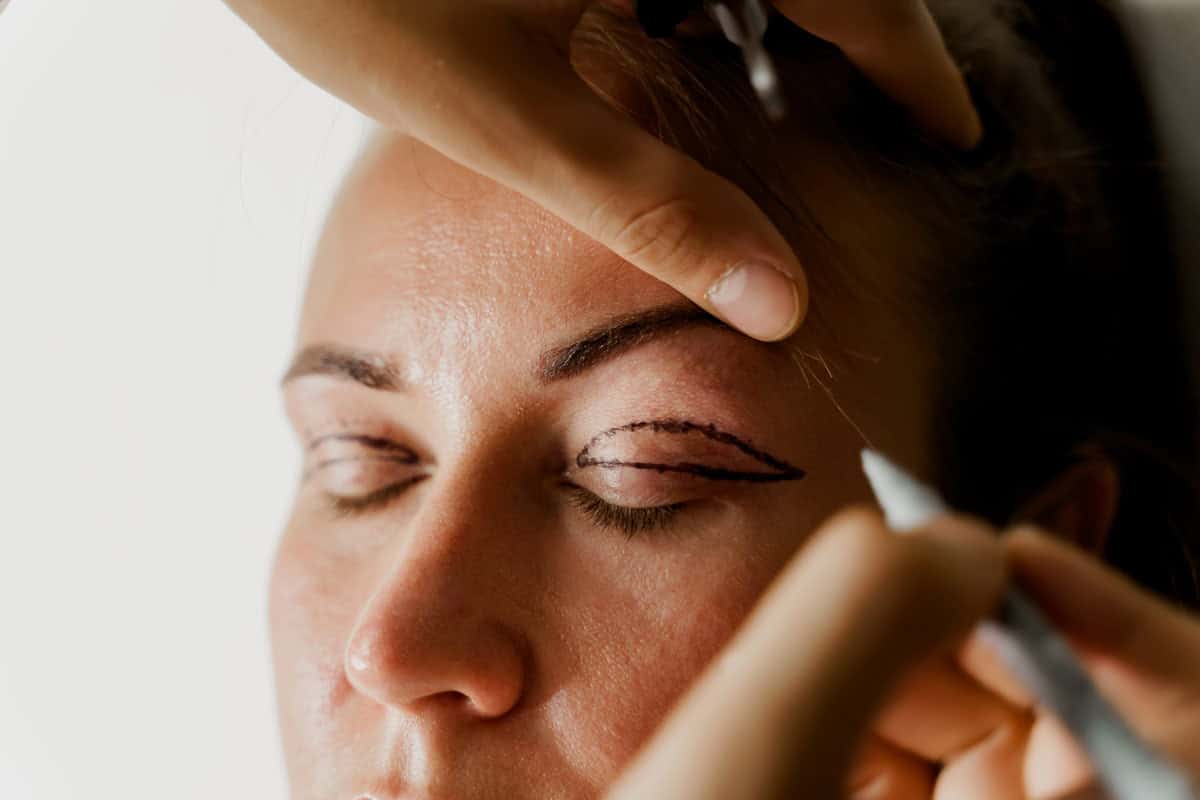
Am I a Good Candidate for Eyelid Surgery
Eyelid surgery, also known as blepharoplasty, offers a solution for American medical tourists seeking to restore a youthful vibrancy to their eyes. But is it the correct procedure for you? Here’s a breakdown of critical factors to consider when evaluating your candidacy for blepharoplasty:
Age and Skin Quality:
While there’s no definitive age limit, most blepharoplasty patients fall between 40 and 70. The critical factor is your skin quality, particularly the elasticity around the eyes. Good skin elasticity allows the eyelids to adapt to surgical changes and achieve optimal results.
- Skin Elasticity refers to your skin’s ability to snap back after being pinched or stretched. As we age, collagen and elastin production naturally decline, leading to looser, less elastic skin.
- Healthy Habits: Maintaining a balanced diet rich in antioxidants and vitamins, proper hydration, and enough sleep contribute to collagen and elastin production and overall skin health. Conversely, smoking, excessive sun exposure, and a diet high in processed sugars can accelerate collagen breakdown and decrease elasticity.
Addressing Specific Concerns:
Blepharoplasty can effectively address specific concerns around the eyes:
- Upper Eyelid Hooding: This creates a heavy, tired appearance. Blepharoplasty can remove excess skin from the upper eyelids, revealing a youthful and alert look.
- Lower Eyelid Puffiness: This can cause bags or a tired appearance. Blepharoplasty can address excess fat deposits or loose skin in the lower eyelids, creating a smoother and more youthful look.
Realistic Expectations:
Blepharoplasty can significantly improve the appearance of your eyes, but it doesn’t stop the aging process. Discuss realistic expectations with your surgeon. Here are some things to consider:
- Wrinkles and Fine Lines: While blepharoplasty addresses puffiness and hooding, it might not eliminate all wrinkles or fine lines. If these concerns are a priority, discuss additional options like Botox or fillers with your surgeon.
- Uneven Skin Tone: Different treatments like laser resurfacing can address Sun damage or uneven pigmentation. However, healthy, even-toned skin more effectively showcases the results of blepharoplasty.
Overall Health:
You should be in good overall health and free of any significant medical conditions that could complicate surgery. Certain eye conditions might require clearance from an ophthalmologist before proceeding with blepharoplasty.
Consultation is Key
Consulting a board-certified plastic surgeon experienced in blepharoplasty is essential. They can assess your individual needs, evaluate your skin quality and elasticity, and discuss your desired outcome. An honest conversation about your candidacy and realistic expectations will empower you to decide about blepharoplasty.
By understanding these factors and seeking professional consultation, you can determine if blepharoplasty is the correct procedure to achieve your desired eye rejuvenation and youthful appearance.
What Is the Recovery Process Like for Eyelid Surgery?
Eyelid surgery, also known as blepharoplasty, offers a solution for American medical tourists seeking to restore a youthful vibrancy to their eyes. But what can you expect after the procedure? Understanding the recovery process empowers you to prepare for a smooth, comfortable healing experience abroad.
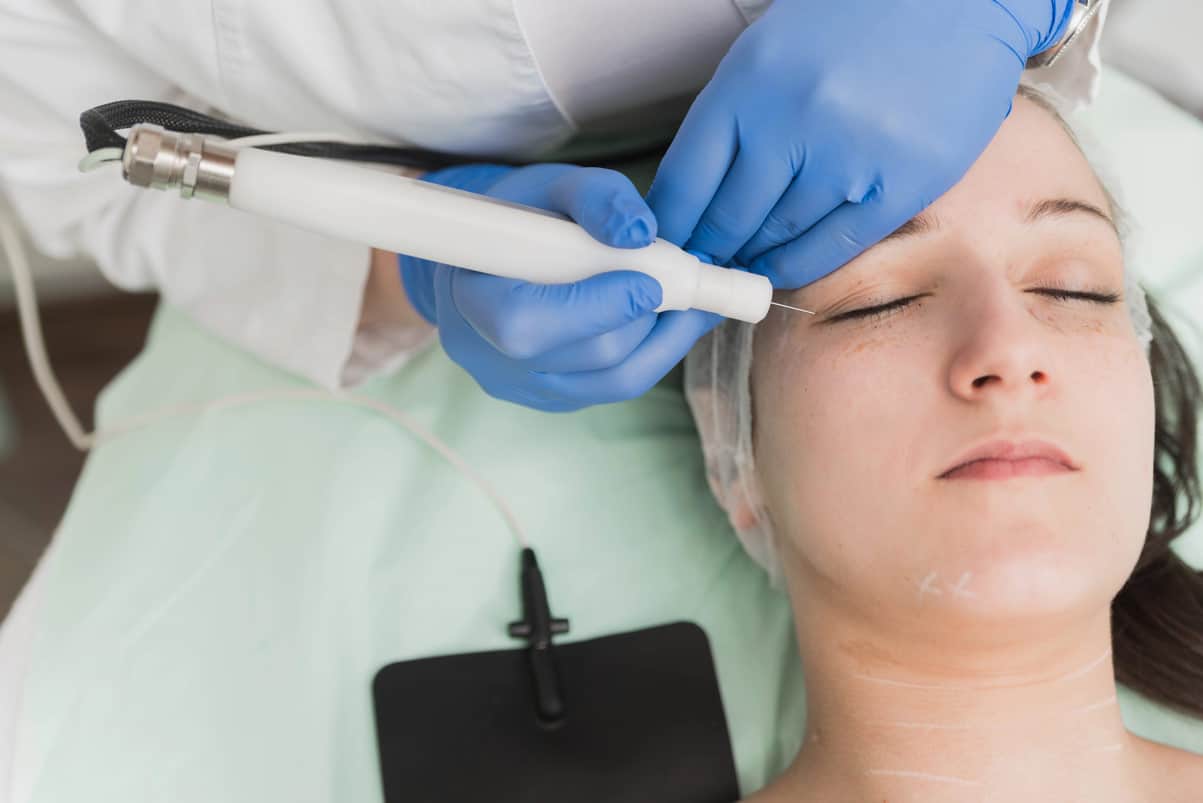
The Initial Days: Discomfort and Drainage
You can expect some swelling, bruising, and discomfort around the eyes for the first few days following blepharoplasty. The extent of these will vary depending on the type of blepharoplasty performed (upper, lower, or combined) and the individual’s healing process. Your surgeon will prescribe pain medication to manage any discomfort effectively. You may also experience some minor drainage from the incision sites, which is normal. The surgical team will provide detailed instructions on managing this drainage.
Rest and Recuperation
Following blepharoplasty, prioritizing rest is crucial for optimal healing. Avoid strenuous activity, heavy lifting, and bending over for the prescribed period, typically 1-2 weeks. Your surgeon will provide specific instructions regarding activity restrictions to ensure proper healing.
Minimizing Swelling: Compression and Elevation
Your doctor might recommend applying cool compresses to the eyelids to reduce swelling and alleviate discomfort. Elevating your head while sleeping on extra pillows for a few days after surgery can also be beneficial.
Incision Care
The surgical team will provide detailed instructions on caring for your incision sites. These include keeping them clean and dry, applying specific ointments, and changing bandages as instructed. The bandages will typically be removed within a few days, and the stitches will dissolve or be removed within a week or two.
Planning Your Return Home: Travel Considerations
While recovery timelines vary depending on the individual, most patients can consider short flights (under 2 hours) within a few days after surgery (typically 2 to 3 days). For longer flights or extensive travel, waiting a week is generally recommended. It’s wise to book your return trip with at least a week’s buffer to allow for a comfortable recovery before traveling.
Following Your Surgeon’s Guidance: Key to a Smooth Recovery
Meticulously following your surgeon’s post-operative instructions is paramount for a smooth recovery. These instructions might include:
- Pain Management: Taking prescribed medication as directed to manage discomfort.
- Incision Care: Keeping the incision sites clean and dry, following instructions for cleaning and ointment application.
- Activity Restrictions: To allow for proper healing, avoid strenuous activity, heavy lifting, and bending over for a prescribed period.
- Diet and Hydration: Maintaining a healthy diet and adequate hydration can promote healing and improve overall recovery.
The Path to Refreshed Eyes: Recovery Timeline
Recovery from blepharoplasty is typically a 1-2 week process for the most noticeable effects. During this time, swelling and bruising will gradually subside. You’ll experience continued improvement in the following weeks and months. Most discomfort will resolve within the first few days, and you’ll gradually regain your normal range of motion around the eyes.
Remember: Patience is vital during recovery. While you might be eager to see the final results, it can take several weeks or months for the swelling to subside entirely and your eyes to settle into their final, refreshed appearance.
Beyond Recovery: Maintaining Your Results
Sun protection is essential following blepharoplasty to prevent sun damage and prolong the results. Wearing sunglasses that block UVA and UVB rays is crucial, especially during the initial healing months. Consult with your surgeon for personalized guidance on maintaining your youthful eye appearance.