
Medical Tourism in Mexico: Finding Healing in the Land of Enchantment
Among Americans, Mexico has become a frontrunner in the medical tourism industry. This surge in popularity can be attributed to a perfect storm of factors. On the one hand, the United States grapples with rising healthcare costs and limitations to accessing certain treatments due to insurance coverage or long wait times. This frustration fuels the desire to explore alternative options. On the other hand, Mexico’s medical landscape has transformed significantly.
Modern hospitals with cutting-edge technology, staffed by highly skilled and often US-trained professionals, attract patients seeking quality care at a fraction of the cost.
Additionally, Mexico’s focus on patient comfort and hospitality, with many facilities catering specifically to international visitors, adds to the appeal of medical tourism south of the border.
If this is your first time considering medical tourism in Mexico, you certainly have questions. This article will provide you with a comprehensive overview of medical opportunities in Mexico with links to more in-depth resources on specific topics or questions.
Questions Americans Might Ask About Medical Tourism in Mexico
How much money could I save with medical tourism in Mexico?
Can I find the same quality of care in Mexico as I would at home?
What kinds of procedures are most common for medical tourists in Mexico?
Mexico specializes in various procedures, including:
- Cosmetic surgery: Facelifts, rhinoplasty, breast augmentation, liposuction, tummy tucks.
- Dental care: Implants, veneers, crowns, root canals, full-mouth restorations.
- Bariatric (weight loss) surgery: Gastric bypass, sleeve gastrectomy.
- Orthopedics: Hip and knee replacements.
For a complete list of medical tourism procedures Mexico is known for, see Common Medical Tourism Procedures in Mexico
Is traveling to Mexico safe?
Mexico can be a safe travel destination with proper precautions and awareness. By researching areas to avoid, staying vigilant in crowded places, and employing smart travel practices, you can minimize risks.
For more information on safety in Mexico, including common myths, safety tips, and safety data on some of Mexico’s top medical tourism destinations, see Is Traveling to Mexico Safe?
Do doctors in Mexico speak English?
Many doctors in medical tourism-focused hospitals and clinics in Mexico speak fluent English, especially in popular tourist destinations. However, it’s always good to verify a doctor’s language proficiency before your trip.
Will my health insurance cover a procedure in Mexico?
Generally, traditional health insurance plans do not cover medical tourism. However, some specialized medical tourism insurance plans may offer coverage. Investigate medical tourism financing options or secure coverage specifically for international medical care. Often, if the provider takes US insurance, they will list it on their website.
For more information on finding the medical insurance plan that right for you, see Finding The Right Insurance for Your Medical Tourism Adventure
What about follow-up care after a procedure?
Your chosen facility should provide aftercare instructions and potential options within Mexico. Discuss how you’ll handle follow-up appointments and potential rehabilitation with your doctors both in Mexico and (if applicable) at home.
What if complications occur after I return home?
It’s important to understand the medical tourism facility’s policies and your options regarding malpractice insurance and post-procedure care. Before committing to a procedure, find out about potential avenues for addressing complications that might arise after returning home.
Are there any special considerations I need to make for travel to Mexico?
US citizens do not require a visa to enter Mexico.
The Center for Disease Control (CDC) recommends the following vaccinations in addition to the standard vaccines:
- Hepatitis A: This vaccine protects against a liver infection caused by contaminated food or water. It’s strongly recommended for all travelers to Mexico.
- Hepatitis B: This vaccine protects against a liver infection through bodily fluids. Consider getting vaccinated if you plan on extended stays, have close contact with locals, or will receive medical care.
- Typhoid: This vaccine protects against a bacterial infection caused by contaminated food or water. Consider getting vaccinated, especially if you’ll be visiting rural areas or staying for longer periods.
Situational Considerations:
- Malaria: Malaria is present in some parts of Mexico, particularly low-lying areas and along the border with Guatemala and Belize. Consult with your doctor or a travel clinic to determine if antimalarial medication is necessary for your specific itinerary.
How do I find a reputable medical tourism provider in Mexico?
Here are some essential tips:
- Look for accreditations: Check if the facility is accredited by JCI or similar organizations.
- Research doctors: Verify their qualifications, experience, board certifications, and patient reviews.
- Testimonials and reviews: Seek out credible testimonials from past patients.
For more information on finding a reputable medical tourism provider, see Medical Tourism: 10 Tips to Finding a Trusted Provider
Why is Mexico a top choice for Americans seeking procedures abroad?
Mexico’s popularity as a medical tourism destination stems from its significant cost savings compared to the United States, the availability of highly skilled doctors and internationally accredited hospitals, convenient proximity and shorter wait times for specialists and procedures.
For more information on why Americans are choosing Mexico for their medical tourism procedures, see Why Mexico is a Top Medical Tourism Destination for Americans
Are there any cultural considerations I need to know about before planning my trip, and what should I do when my procedure is complete?

Medical Tourism in Mexico and The Allure of Affordable Healthcare
Perhaps the most substantial driver behind the surge in medical tourism to Mexico is the stark cost difference between procedures in the two countries. Healthcare expenses in the United States have reached staggering heights, with procedures often costing several times more than in Mexico. For instance, a procedure like a hip replacement that can easily exceed $50,000 in the US might cost less than half that amount in Mexico. Even factoring in travel and accommodation expenses, the overall savings remain significant.
The high price tag of US healthcare leaves many individuals underinsured or completely uninsured, particularly in the face of rising insurance premiums and deductibles. Those who lack comprehensive insurance frequently find themselves facing insurmountable medical debt as they delay or forgo necessary treatments. Mexico offers a lifeline, presenting an opportunity for these individuals to receive essential care without the crippling financial burden.
Cost of Medical Tourism Procedures in Mexico
Just how much can you save by scheduling your medical procedure in Mexico? The answer may shock you. Here are the comparisons of the top 25 medical tourism procedures that Americans traveling to Mexico receive:
| Procedure | Average Cost in the United States | Average Cost in Mexico | Potential Savings |
|---|---|---|---|
| Hip Replacement | $30,000 - $60,000 | $12,000 - $18,000 | 50% - 70% |
| Knee Replacement | $35,000 - $55,000 | $12,000 - $18,000 | 60% - 70% |
| Gastric Bypass Surgery | $25,000 - $35,000 | $8,000 - $12,000 | 60% - 70% |
| Gastric Sleeve Surgery | $20,000 - $30,000 | $6,000 - $10,000 | 50% - 70% |
| Heart Valve Replacement | $150,000 - $180,000 | $25,000 - $40,000 | 70% - 80% |
| Spinal Fusion | $100,000 - $150,000 | $20,000 - $30,000 | 75% - 80% |
| Coronary Angioplasty | $25,000 - $40,000 | $8,000 - $15,000 | 50% - 70% |
| Breast Augmentation | $7,000- $12,000 | $3,500 - $6,000 | 40% - 60% |
| Rhinoplasty (Nose Job) | $8,000 - $15,000 | $3,000 - $5,000 | 50% - 70% |
| Facelift | $10,000 - $15,000 | $4,000 - $7,000 | 50% - 65% |
| Liposuction | $6,000 - $10,000 | $2,500- $5,000 | 50% - 65% |
| Dental Implant (Single Tooth) | $3,000 - $5,000 | $1,000 - $2,000 | 50% - 70% |
| Veneers (per tooth) | $900 - $2,500 | $600 - $1,200 | 30% - 60% |
| LASIK (both eyes) | $4,000 - $6,000 | $1,500 - $3,000 | 50% - 65% |
| In Vitro Fertilization (IVF) | $15,000 - $25,000 | $5,000 - $9,000 | 55% - 70% |
| Hysterectomy | $10,000 - $20,000 | $4,000 - $7,000 | 50% - 70% |
| Weight Loss Programs (non-surgical) | $5,000 - $15,000+ | $2,000 - $5,000 | 40% - 70% |
| Hair Transplant | $8,000 - $20,000 | $4,000 - $8,000 | 40% - 60% |
| Tummy Tuck (Abdominoplasty) | $10,000 - $18,000 | $4,000 - $7,000 | 50% - 65% |
| Hernia Repair | $6,000 - $12,000 | $2,500 - $5,000 | 50% - 65% |
| Gallbladder Removal (Laparoscopic) | $8,000 -$15,000 | $3,000 -$6,000 | 50% - 65% |
| Prostatectomy | $12,000 - $ 20,000 | $5,000 - $9,000 | 50% - 65% |
| Chemotherapy (per cycle) | $5,000 - $20,000 + | $1,000 - $6,000 | 60% - 80% |
| Cataract Surgery (per eye) | $3,000 - $6,000 | $1,500 - $3,000 | 50% - 60% |
| Root Canal | $1000 - $2,000 | $300 - $600 | 50% - 70% |
Cost of Travel to Consider
Here’s a chart illustrating the approximate costs of travel to some popular Mexico destinations. Please note that costs can vary widely depending on the season, your travel style (budget, mid-range, luxury), and specific choices for accommodations and activities.
Important Notes:
- Airfare: Prices are highly dependent on your departure location, travel dates, and booking time. These are rough estimates from major US cities for roundtrip flights.
- Hotel: Accommodation prices vary widely. This chart assumes mid-range hotels.
- Daily Spending: This encompasses food, local transportation, and some activities. The range allows for flexibility in spending habits.
| Destination | Approx. Airfare* | Hotel/Night | Daily Spending | Weekly Spending |
|---|---|---|---|---|
| Cancun | $300 - $600 | $100 - $250 | $50 - $150 | $350 - $1050 |
| Puerto Vallarta | $350 - $650 | $80 - $200 | $45 - $120 | $315 - $840 |
| Los Cabos | $400 - $700 | $120 - $300 | $60 - $180 | $420 - $1260 |
| Tulum | $350 - $650 | $100 - $350 | $65 - $160 | $455 - $1120 |
| Mexico City | $250 - $550 | $60 - $180 | $40 - $100 | $280 - $700 |
All-Inclusive Options
For medical tourism travelers who want to streamline their experience and relax through their recovery, Mexico all-inclusive packages are a fantastic way to do just that. These packages typically bundle your flights, accommodation, meals, drinks, and a range of on-site activities into one convenient price. You’ll find options for every budget and preference, from adults-only retreats to family-friendly resorts. Here’s a taste of what you can expect:
- Budget-friendly escapes: Packages start around $600-$1000 per person for a week-long stay at a 3 or 4-star resort, offering comfortable accommodations, pools, and access to dining options.
- Mid-range luxury: For $1000-$2000 per person, you can upgrade to larger rooms, premium amenities, and greater dining variety at 4 or 5-star resorts.
- Premium indulgence: Ultimate luxury packages start at $2000+ per person, featuring exclusive accommodations, personalized service, top-shelf beverages, and unparalleled beachside serenity.
Popular destinations for Mexico all-inclusive vacations include some of the top medical tourism destinations like Cancun, the Riviera Maya, Los Cabos, and Puerto Vallarta.
Additional Considerations:
- Luxury Travel: For luxury hotels, resorts, and fine dining experiences, the daily and weekly costs could easily double or triple.
- Budget Travel: Hostels, street food, and free activities can significantly reduce daily costs.
- Package Deals: Bundling flights and accommodations may offer better overall rates.
- Seasonality: Prices peak during holidays and popular seasons (like spring break).
It is no wonder that Mexico remains one of the most popular medical tourism destinations for Americans.
Mexico's Evolving Healthcare Landscape
While cost savings and accessibility have historically been primary draws, Mexico has made dedicated efforts to enhance its healthcare system to attract and assure international patients. Many Mexican medical facilities have focused on attaining internationally recognized accreditations, such as the Joint Commission International (JCI) accreditation. This signifies adherence to rigorous quality and safety standards, building trust in the caliber of care provided.
Modern medical campuses are emerging in major cities, equipped with the latest technologies and staffed by highly qualified professionals. Many Mexican doctors and surgeons receive training in the US or other developed countries, returning to their home country with world-class expertise. It is important to note that this increased access to qualified medical professionals has narrowed the gap in the quality of medical care between the United States and Mexico.
A particularly noteworthy aspect of healthcare in Mexico is the emphasis on patient experience. Staff at private hospitals and clinics often go the extra mile to ensure a comfortable and welcoming environment for foreign patients, fostering a sense of security and support.
World-Class Facilities
Mexico offers a growing number of world-class medical facilities, many equipped with the latest technology and staffed by highly qualified professionals. Here are a few of the top-rated medical facilities:
Hospitales Angeles
A renowned healthcare network with multiple locations throughout Mexico, Hospitales Angeles hospitals hold prestigious international accreditations that indicate exceptional quality and safety standards. They offer various specializations, including cardiology, oncology, orthopedics, and more.
Christus Muguerza
Another prominent network of hospitals, Christus Muguerza facilities are known for their cutting-edge medical expertise and commitment to patient-centered care. Their multi-specialty hospitals and clinics cover a broad spectrum of healthcare needs.
Hospital Galenia
Located in Cancún, Hospital Galenia is considered one of the top hospitals in Mexico, boasting high-specialization services and advanced technology. It draws a significant number of patients for medical tourism, offering competitive prices and comprehensive medical care.
Hospital San Javier
With locations in Guadalajara, Puerto Vallarta, and Riviera Nayarit, Hospital San Javier hospitals prioritize innovation and quality. They offer a wide range of medical services, attracting both domestic and international patients seeking affordable and expert care.
H+ Hospital in Tijuana
Equipped with state-of-the-art facilities, H+ Hospital in Tijuana is one of the most technologically advanced hospitals in Mexico. Its specialties include cardiology, neurology, orthopedics, and various surgical procedures.
What Medical Tourism Procedures Does Mexico Specialize In?
In the vibrant tapestry of Mexican culture, healthcare weaves a fascinating and diverse story. Two distinct threads intertwine: Western medicine, with its modern technology and evidence-based practices, and traditional medicine, rooted in ancient cultural wisdom and passed down through generations.
This unique blend offers a glimpse into Mexico’s rich history and evolving healthcare landscape, where modern medical advancements coexist with ancient healing practices. From treatments for substance use disorder to wellness retreats, Mexico has something for everyone. Let us delve into the fascinating world of Western and traditional medicine in Mexico, exploring their unique characteristics and how they coexist in the pursuit of well-being.

Westen Medical Procedures
- Facelifts and Necklifts: Mexico boasts experienced, skilled plastic surgeons performing facelifts and neck lifts for a youthful appearance.
- Rhinoplasty (Nose Surgery): Reshaping the nose for balance and aesthetics.
- Breast Augmentation and Lifts: Enhancements for size, shape, and symmetry.
- Liposuction: Fat removal from specific body areas.
- Tummy Tucks (Abdominoplasty): Removing excess skin and tightening stomach muscles.
- Dental Implants: Replacing missing teeth with titanium posts and crowns.
- Veneers: Creating a beautiful smile with porcelain or resin shells.
- Crowns and Bridges: Restoring damaged or missing teeth.
- Root Canals: Treating infected teeth and saving the natural tooth.
- Full Mouth Restorations: Combining various procedures for a complete smile makeover.
- Gastric Bypass: Reducing stomach size and rerouting a portion of the intestine.
- Sleeve Gastrectomy: Removing a large portion of the stomach for portion control.
- Gastric Balloon: A non-surgical option where a balloon is inserted to limit food intake.
- Hip Replacements: Replacing damaged hip joints for improved mobility.
- Knee Replacements: A similar procedure for damaged knees.
- Sports Medicine: Treatment for sports injuries and specialized orthopedic care for athletes.
- Cardiology: Procedures like heart valve replacements and coronary angioplasty at more affordable prices.
- Fertility Treatments: IVF (in vitro fertilization) and other fertility treatments can be significantly more affordable in Mexico.
- Cancer Treatment: Some oncologic treatments might be available at lower costs while maintaining quality standards.
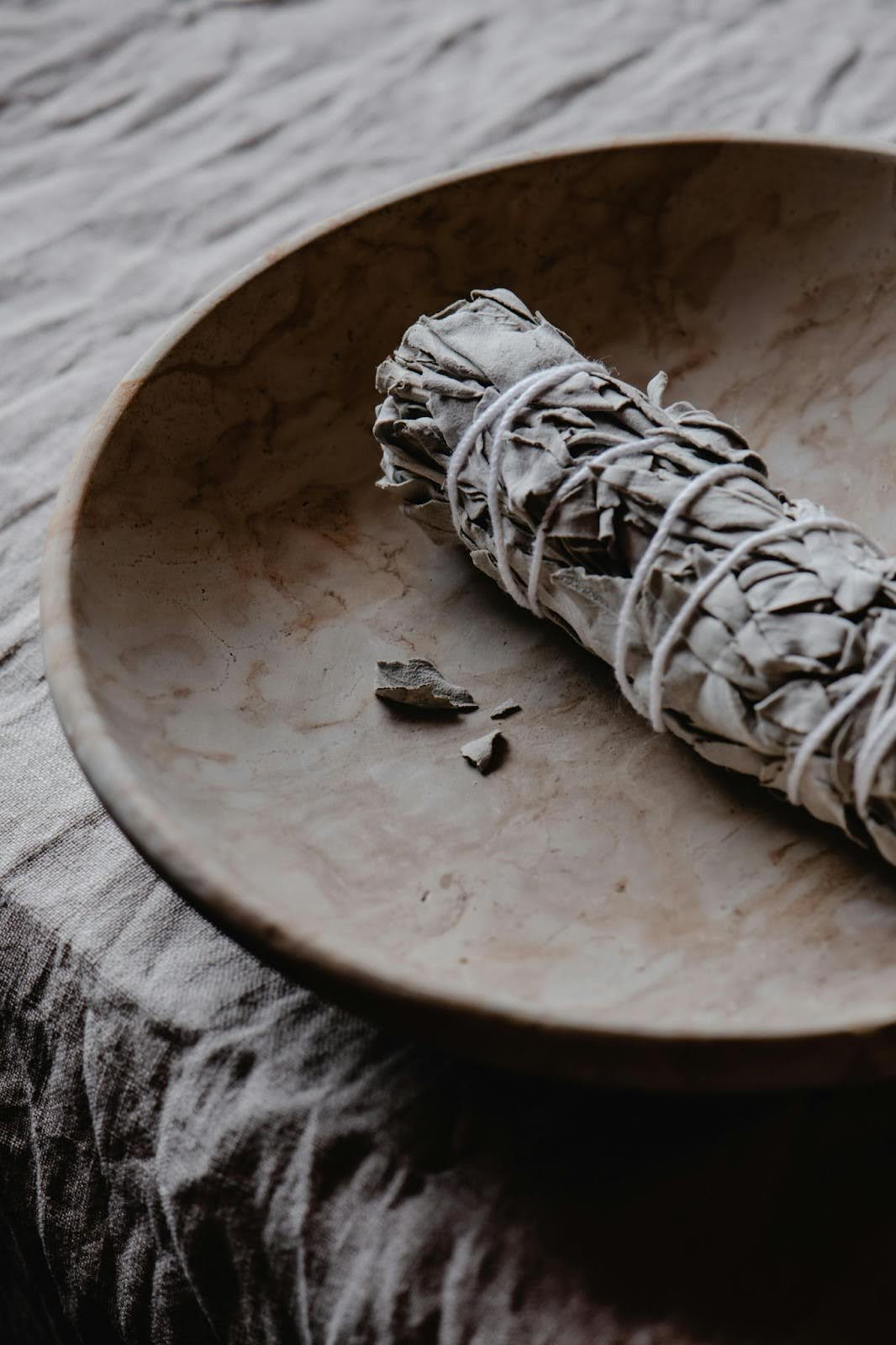
Traditional Healing Practices in Mexico
Mexico boasts a rich heritage of traditional healing practices, passed down through generations and often intertwined with indigenous beliefs and spirituality. Here are some unique practices you might encounter:
- Curanderismo (Healing):
- Core Belief: This holistic approach views health as a balance of physical, emotional, and spiritual well-being.
- Practices: Curanderos (healers) use various methods like herbal remedies, massages, spiritual cleansing rituals (“limpias”), and energy work to restore balance and promote healing.
- Temazcal (Sweat Lodge):
- Origin: Rooted in pre-Hispanic indigenous traditions, the Temazcal is a ceremonial sweat lodge used for both physical and spiritual cleansing.
- Process: Participants gather in a small, enclosed space heated by volcanic rocks, often accompanied by herbal infusions and prayers.
- Sobadas (Massages):
- Traditional Technique: These therapeutic massages use specific techniques and pressures to relieve muscle tension, improve circulation, and address various ailments.
- Variations: Different regions boast unique styles, like “sobada otomí” and “sobada maya,” known for their specific focus and pressure points.
- Plant-based Remedies:
- Ancient Knowledge: Indigenous communities have long relied on the therapeutic properties of various plants to treat ailments. Examples include aloe vera for burns, chamomile for calming the nervous system, and epazote for stomach issues.
- Herbal Shops: Traditional “tiendas de hierbas” offer a wide range of herbs, teas, and concoctions for various conditions, often based on passed-down knowledge.
- Spiritual Practices:
- Integration with Healing: Traditional healing often incorporates spiritual practices like prayers, offerings, and blessings to address the emotional and spiritual aspects of illness.
- Variations: Depending on the region and beliefs, rituals might involve offerings to specific deities or visits to sacred sites for blessings.
Seeking Solutions: Substance Abuse Treatment in Mexico
As substance abuse continues to be a pressing global concern, Mexico offers a range of treatment options catering to individuals seeking help. While traditional treatment modalities form the backbone of care, Mexico is also garnering attention for its openness to alternative therapies, including the exploration of psychedelics for addiction treatment.
Traditional Substance Abuse Treatment Approaches
- Detoxification: Mexico offers medically supervised detoxification programs, essential for managing withdrawal symptoms during the initial stages of recovery.
- Residential Treatment (Rehab): Facilities throughout Mexico provide structured live-in programs that combine therapy, counseling, and support groups for a focused recovery experience.
- Outpatient Services: Patients with less intensive needs can pursue outpatient therapy and counseling while maintaining normal routines.
- 12-Step Programs: Mexico boasts a strong presence of 12-step programs like Alcoholics Anonymous (AA) and Narcotics Anonymous (NA), offering peer support and structure.
Emerging Role of Psychedelics
Mexico’s approach to substance abuse treatment is notable for its openness to exploring the potential benefits of psychedelic-assisted therapy. Research is ongoing, but there is growing interest in the following substances:
- Ibogaine: A naturally occurring psychoactive substance traditionally used in African spiritual practices, ibogaine shows potential for interrupting addiction cycles, particularly opioid dependence. Mexico hosts several dedicated ibogaine treatment centers.
- Psilocybin: Psilocybin, the active compound in certain mushrooms, is being studied for its potential in managing anxiety and depression often linked to substance abuse.
- Ayahuasca: This traditional Amazonian plant brew containing DMT has demonstrated potential in addiction treatment in observational studies.
Important Considerations:
- Evolving Landscape: The use of psychedelics in addiction treatment is an evolving field with ongoing research. It’s crucial to seek centers offering therapies within an ethical, research-informed, and medically supervised setting.
- Legal Status: While Mexico shows promising signs of openness towards psychedelic research, it’s essential to stay informed about current laws and regulations.
- Evidence-Based Treatment: Prioritize facilities that integrate psychedelic-assisted therapies alongside evidence-based addiction treatment approaches like therapy and counseling.
Finding the Right Treatment in Mexico
The decision to seek substance abuse treatment in Mexico is a personal one. Conduct thorough research, prioritize accredited facilities with qualified professionals, and consider these factors:
- Specific Addiction(s): Tailor your search to centers that specialize in addressing your substance dependence.
- Therapy Options: Inquire about available therapies (individual, group, etc.) and if they align with your preferences.
- Credentials and Experience: Ensure qualified medical professionals and therapists staff the facility.
- Cost and Accessibility: Consider the overall cost involved and ease of travel for you and your loved ones.
Disclaimer: This article provides a general overview. It is not a substitute for professional medical advice. Consult with a healthcare provider and research any facility thoroughly before deciding on treatment.
Wellness Retreats
Mexico presents itself as a wellness retreat paradise, offering a diverse array of experiences to cater to your specific needs. Here’s a breakdown of what you can expect to find:
Types of Wellness Retreats
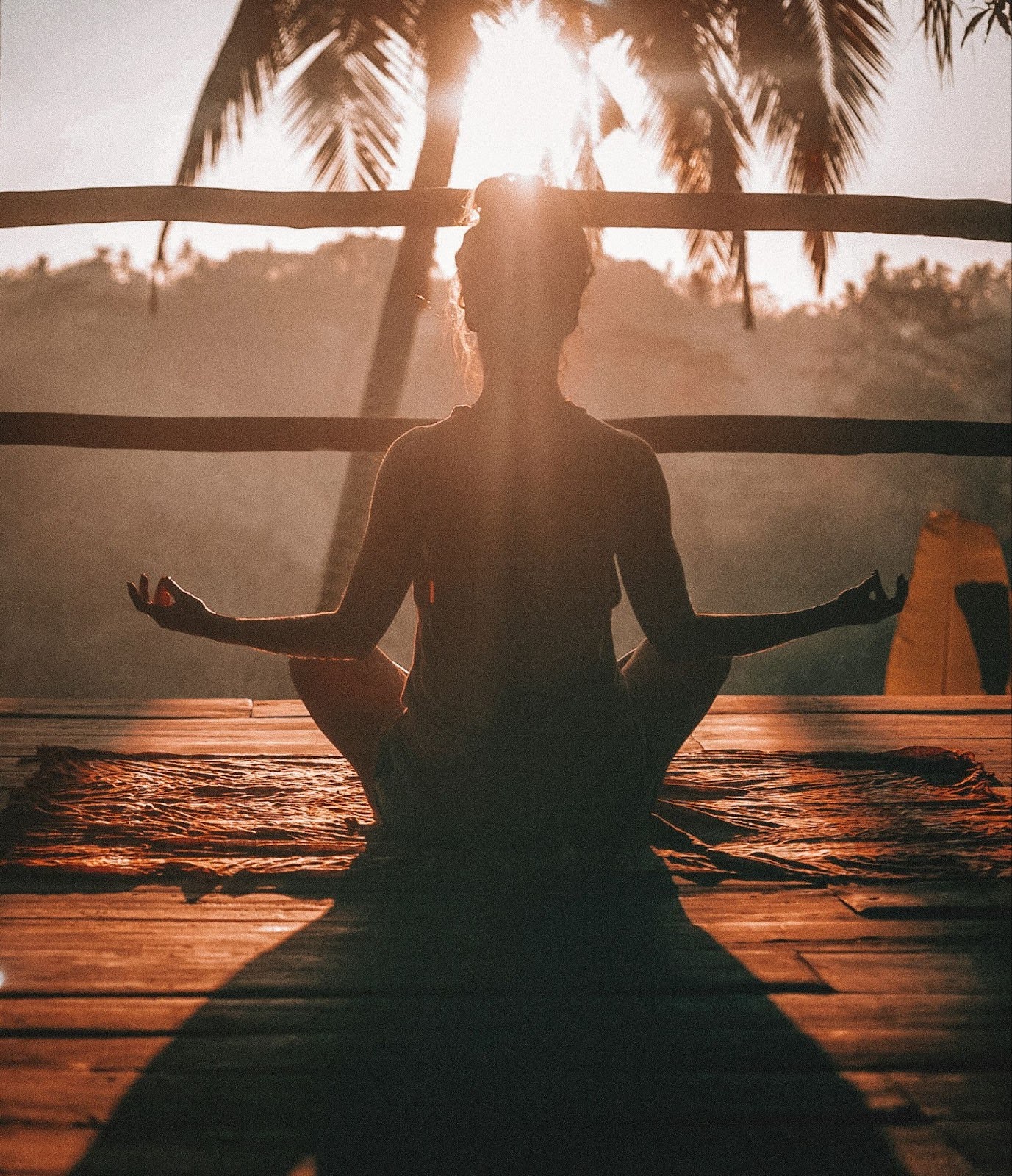
- Yoga & Meditation Retreats: Immerse yourself in traditional yoga practices, guided meditation, and mindfulness exercises, often set in serene locations like Tulum or the Riviera Maya. Pricing starts at $150 per night.
- Holistic Retreats: These retreats offer a comprehensive approach to physical, mental, and spiritual well-being. From spa treatments and healing therapies to healthy cuisine and fitness classes, you’ll leave feeling rejuvenated inside and out. Prices range from $200 – $600 per night.
- Adventure & Nature Retreats: Mexico’s diverse landscapes provide the perfect backdrop for wellness retreats that incorporate outdoor exploration. Hike through rainforests, swim in cenotes, or surf along the coastline – all while focusing on your inner balance. Prices range from $180 – $400 per night.
- Detox and Cleansing Retreats: Recharge with specialized programs designed to support detoxification. Embrace juice cleanses, specialized diets, and rejuvenating therapies. Prices range from $250 – $500 per night.
- Spiritual Retreats: Connect with Mexico’s rich spiritual heritage through retreats incorporating traditional healing practices like Temazcal (sweat lodge) ceremonies, energy work, and visits to sacred sites. Prices range from $120 – $300 per night.
Unique Offerings
- Traditional Mexican Healing: Many retreats incorporate elements of traditional healing wisdom, like curanderismo, herbal remedies, and cleansing rituals.
- Ancient Sites: Some retreats are located near ancient Mayan or Aztec ruins, adding a touch of spiritual and cultural immersion to the experience.
- Affordable Luxury: Mexico often boasts more affordable wellness retreats in comparison to some other destinations, allowing you to experience luxury without breaking the bank.
How to Find the Right Retreat
- Define your goals: Are you looking for relaxation, detox, adventure, or spiritual exploration?
- Research locations: Consider the type of environment that suits your preferences (beach, jungle, mountains).
- Investigate Retreat Websites: Many retreat centers have detailed websites outlining their programs, amenities, and philosophies.
- Read Online Reviews: Get insights from previous guests and their experiences.
Important Note:
It’s crucial to approach these practices with respect and consult qualified practitioners. While some remedies boast historical use, it’s essential to prioritize evidence-based treatment methods and consult medical professionals for proper diagnosis and care.
Is Traveling to Mexico Safe?
Mexico beckons with its vibrant colors, rich history, and the warm hospitality of its people. But amidst news headlines and travel warnings, potential visitors might wonder: Is it safe to travel to Mexico? The truth is, with a little preparation and common sense, you can absolutely enjoy a safe and memorable trip to this fascinating country. Let us dispel some of the myths, uncover the safest pockets of Mexico, and provide you with practical tips to ensure your journey is smooth and worry-free.
Dispelling the Myths
Myth 1: All of Mexico is unsafe.
While there are certain areas in Mexico with higher crime rates, this doesn’t represent the entire country. Popular tourist destinations generally have a lower risk and benefit from increased security measures.
Myth 2: You'll be targeted as a tourist.
While petty theft and scams can occur in any tourist destination worldwide, Mexico is no more dangerous than other popular travel spots. Basic precautions like being mindful of belongings and avoiding isolated areas can significantly reduce risks.
Myth 3: Drug cartel violence affects tourists.
Drug-related violence is primarily concentrated in specific regions and often involves rival gangs fighting amongst themselves. Tourists are not typically targeted in these situations.
Myth 4: The food and water are unsafe.
While it’s always wise to exercise caution with street food, many reputable restaurants and resorts in Mexico offer delicious and safe options. Bottled water is readily available and recommended, especially for those with sensitive stomachs.
Myth 5: You need to speak Spanish fluently.
While knowing some basic Spanish phrases can be helpful, many tourist areas have staff and locals who speak English. Learning a few basic greetings and expressions can enhance interactions but isn’t a necessity.
Safety Concerns
- Drug-related violence: Certain parts of Mexico experience higher levels of crime related to drug cartels. It’s essential to be aware of these areas and avoid non-essential travel.
- Petty theft and scams: Pickpocketing and minor scams can occur in crowded areas, especially in tourist destinations.
- Road safety: Driving in some areas of Mexico can be unsafe due to road conditions, reckless driving, or occasional roadblocks set up by criminal groups.
Safety Considerations
- Tourist Zones: Popular tourist destinations like Cancun, Puerto Vallarta, and Los Cabos generally have increased security and lower crime rates than other areas of Mexico.
- Reputable Transportation: Use licensed taxis, trusted shuttle services, or pre-arranged transportation through your hotel for safer travel.
- Situational Awareness: Be aware of your surroundings, avoid traveling alone at night, and don’t wear flashy jewelry or show off expensive belongings.
- Staying Informed: Check official travel advisories from your home country before traveling. The U.S. State Department website (https://travel.state.gov/content/travel/en/traveladvisories/traveladvisories/mexico-travel-advisory.html) provides detailed information on different areas in Mexico and their specific safety concerns.
Tips for Staying Safe
- Stick to Tourist Areas: Opt for popular tourist destinations that are generally safer.
- Book Reputable Accommodations: Choose hotels or resorts in safe areas with good security measures.
- Dress Modestly: Avoid attracting unwanted attention with overly flashy outfits or accessories.
- Learn Basic Spanish: Even basic knowledge of Spanish can be helpful in certain situations.
- Carry Copies of Documents: Keep copies of your passport and other important documents separate from the originals.
Safety Information for Top Medical Tourism Destinations in Mexico
Cancún and Riviera Maya:
- Generally Safe: This Caribbean coast region boasts luxurious resorts, stunning beaches, and renowned Mayan ruins. It’s considered one of the safest tourist zones in Mexico, with increased security measures in place.
- Precautions: Exercise standard tourist precautions, like staying in well-lit areas at night, avoiding isolated places, and being mindful of belongings in crowded areas.
- Beyond Resorts: If venturing outside resorts for excursions, stick to well-established tours or guides or use reliable transportation services for longer trips.
Puerto Vallarta:
- Charming Coastal Setting: Located on the Pacific Coast, Puerto Vallarta is a popular choice for its traditional Mexican charm and diverse activities. It’s generally considered safe for tourists.
- Neighborhood Variations: While the tourist zones and Malecon (boardwalk) are well-patrolled, exercise more caution if venturing further into local neighborhoods, especially at night.
- Trusted Transportation: Stick to established taxis, hotel-arranged transportation, or reputable ride-share services, especially outside the tourist center.
Los Cabos (Cabo San Lucas & San Jose del Cabo):
- Tourist Corridor: The corridor connecting Cabo San Lucas and San Jose del Cabo is generally safe and heavily focused on tourism. Upscale resorts and developments benefit from increased security.
- Downtown Areas: Use extra caution when outside the tourist corridor and in downtown areas, particularly those less frequented by travelers.
- Water Safety: Be very mindful of unpredictable currents and strong waves on some beaches. Always check swimming conditions before venturing out.
Tijuana:
- Border Town Dynamics: Tijuana, known primarily for its proximity to the US border and medical tourism for dental work, requires heightened vigilance. While the medical tourism facilities may be safe, travel in other parts of the city demands extra awareness.
- Stick to Tourist Zones and Reputable Clinics: Limit your travel to the Zona Rio (main tourist area), prioritize reputable medical facilities, and use trusted transportation with arranged pick-up and drop-off services.
- Avoid Night Travel: Limit your movement at night in Tijuana as much as possible.
Guadalajara:
- Mexico’s Second-Largest City: As a large metropolitan area, Guadalajara has varied levels of safety. Tourist zones and popular neighborhoods are generally safe when exercising standard precautions.
- Local Knowledge: If exploring beyond the main tourist spots, seeking guidance from your hotel or local tourism sources is advised. They can help identify neighborhoods to avoid and offer safe transportation recommendations.
- Trusted Accommodation: Choosing reputable hotels in safe areas enhances your overall security during your stay.
Places to Avoid (DO NOT TRAVEL)
To stay safe in Mexico, it’s best to avoid certain states and areas known for higher crime rates and potential cartel activity. Here’s a breakdown based on the current U.S. State Department Travel Advisories (as of February 27, 2024):
- Colima: This state on the Pacific coast has seen a rise in violence related to organized crime and gang activity.
- Guerrero: Located southwest of Mexico City, Guerrero has a history of violence associated with drug cartels and gang activity.
- Michoacán: This western Mexican state has been plagued by cartel violence and gang activity for several years.
- Sinaloa: This state bordering the Pacific Ocean is the birthplace of a powerful drug cartel and experiences frequent gang-related violence.
- Tamaulipas: Bordering the United States, Tamaulipas has been a hotspot for cartel violence and turf wars.
- Zacatecas: This north-central state has seen a recent surge in violence due to gang activity and clashes between rival criminal groups.
Why Mexico Is a Top Medical Tourism Destination for Americans
While cost is the number one factor driving Americans to seek medical tourism in Mexico, other factors include ease of travel and reduced wait times for specialists and procedures.
Proximity and Ease of Travel
The geographical proximity of Mexico to the United States plays a vital role. For many Americans, particularly those in border states, a trip to Mexico for medical care requires a short flight or even a drive across the border. This translates to lower travel costs, making it a practical possibility for a wider range of patients.
Mexico offers convenient access for patients, often eliminating the need for lengthy flights and international travel fatigue. This short travel distance can be particularly attractive for patients recovering from procedures or those requiring follow-up appointments, allowing them to return home quickly and rest comfortably.
Additionally, the ease of driving or flying short distances can significantly reduce travel costs and simplify logistics compared to traveling to more distant medical tourism destinations. With its close proximity and accessible travel options, Mexico has become a more feasible and convenient choice for Americans seeking affordable medical care abroad.
Finally, Mexico’s tourism infrastructure makes it relatively easy for American visitors to navigate. Many private hospitals and clinics cater explicitly to medical tourists, offering bilingual staff and assistance with travel logistics. These resources, combined with Mexico’s already established reputation as a popular tourist destination, contribute to its appeal as a medical tourism hub.
Addressing Wait Times: Accessing the Front of the Line
Limitations in access also create a compelling reason for patients to seek medical care across borders. Wait times for non-urgent procedures in the US can be extensive. Patients may wait months or even years to see a specialist, resulting in delays that can compromise health outcomes. Mexico, in contrast, boasts shorter wait times for many procedures, allowing patients to get the timely treatment they require.
Moreover, elective procedures that fall outside the scope of many US insurance plans, such as certain dental, cosmetic, or weight loss surgeries, are far more accessible in Mexico. This gives patients greater autonomy over their health and wellness choices. In a time marked by a growing focus on personal health, people are increasingly seeking such elective procedures, finding them not just affordable but readily available in Mexico.
Beyond Healthcare: Cultural Appeal and Additional Benefits
Medical tourism to Mexico holds the added benefit of cultural immersion as Mexico is a vibrant tapestry of ancient civilizations and modern influences allures travelers with its captivating culture, colorful traditions, and breathtaking landscapes. Deeply rooted in its history, Mexico’s cultural norms hold a unique charm, while its diverse topography offers a treasure trove of tourist destinations, from pristine beaches to bustling cities steeped in colonial heritage.
Many patients choose to incorporate a vacation element into their trip, extending their stay to explore Mexico’s rich history, diverse cuisine, and vibrant locales, creating a transformative experience that goes beyond simply receiving medical treatment.
Cultural Norms
- Family First: The cornerstone of Mexican society is family, with close-knit bonds extending beyond the immediate circle. Respect for elders is deeply ingrained, and it’s common to find multi-generational households. Family gatherings are lively and frequent, filled with laughter, music, and an abundance of food.
- The Art of Hospitality: Mexicans are renowned for their warmth and welcoming nature. Hospitality is deeply embedded in the culture, and visitors are often treated as honored guests. Expect friendly smiles, helpful gestures, and a genuine interest in making you feel comfortable.
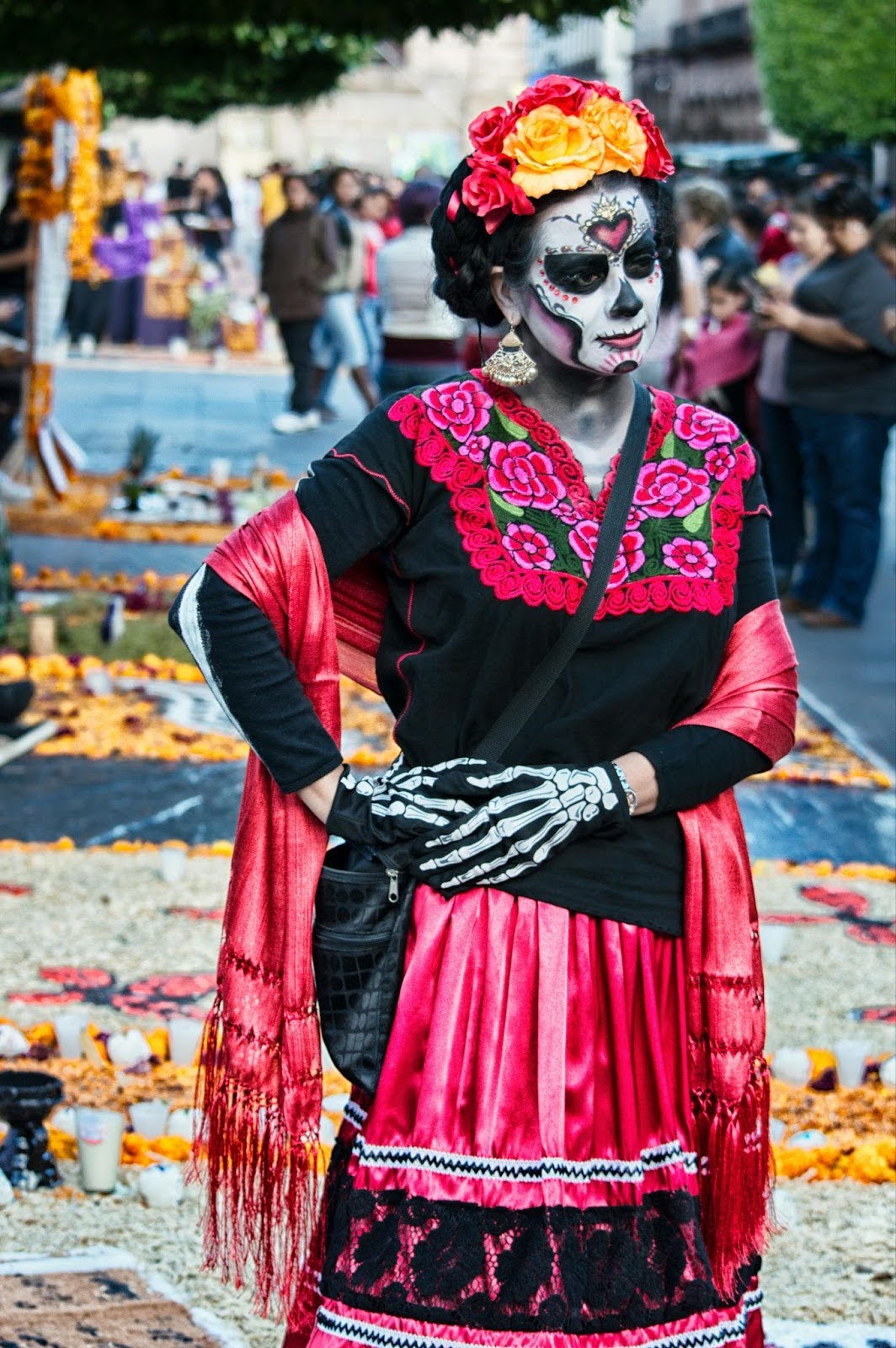
- Celebrating Life and Death: Rooted in a blend of indigenous and Catholic traditions, Mexico embraces celebrations with unparalleled vibrancy. From the iconic Día de Muertos (Day of the Dead), where families honor deceased loved ones with adorned altars, to the festive parades during national holidays, the streets burst with color, music, and joyous energy.
- “Ahorita”: A Relaxed Sense of Time: While punctuality is valued, Mexico operates on a more fluid concept of time. The word ‘ahorita’, literally meaning “right now,” can encompass a window of minutes, hours, or even days. It’s best to embrace the relaxed pace and adjust expectations accordingly.
- ‘Machismo’ and Gender Roles: Traditional gender roles can be evident in Mexican society, influenced by the concept of “machismo” which emphasizes masculine pride and assertiveness. While these norms are evolving in modern Mexico, especially in urban areas, visitors may observe a distinct division of labor and social expectations based on gender.
Top Tourist Destinations: From Beaches to Ancient Ruins
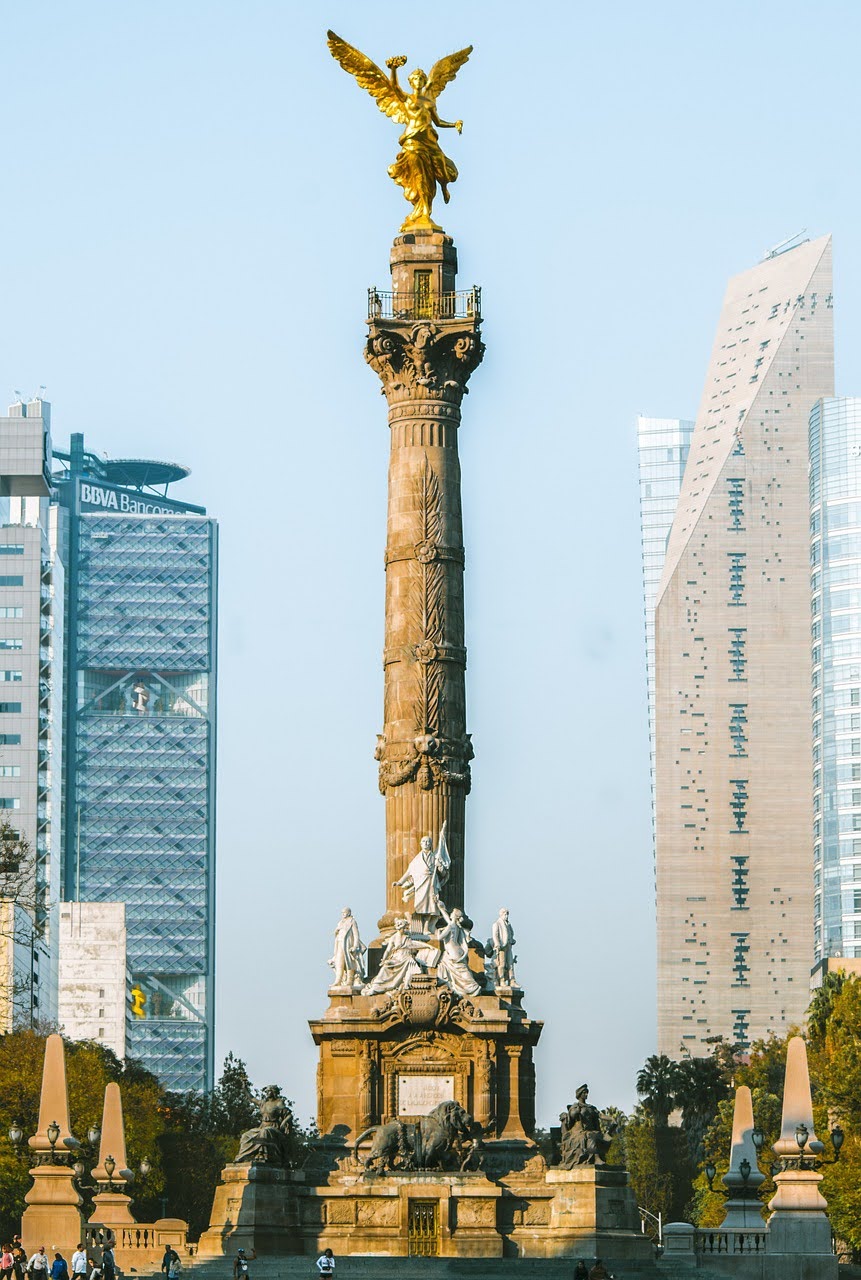
Mexico City: A pulsating metropolis, Mexico City offers a fascinating blend of history and modernity. Explore the ancient Aztec ruins of Templo Mayor, admire iconic murals by Diego Rivera, stroll through the elegant Paseo de la Reforma, and savor the rich culinary scene, ranging from street tacos to upscale restaurants.
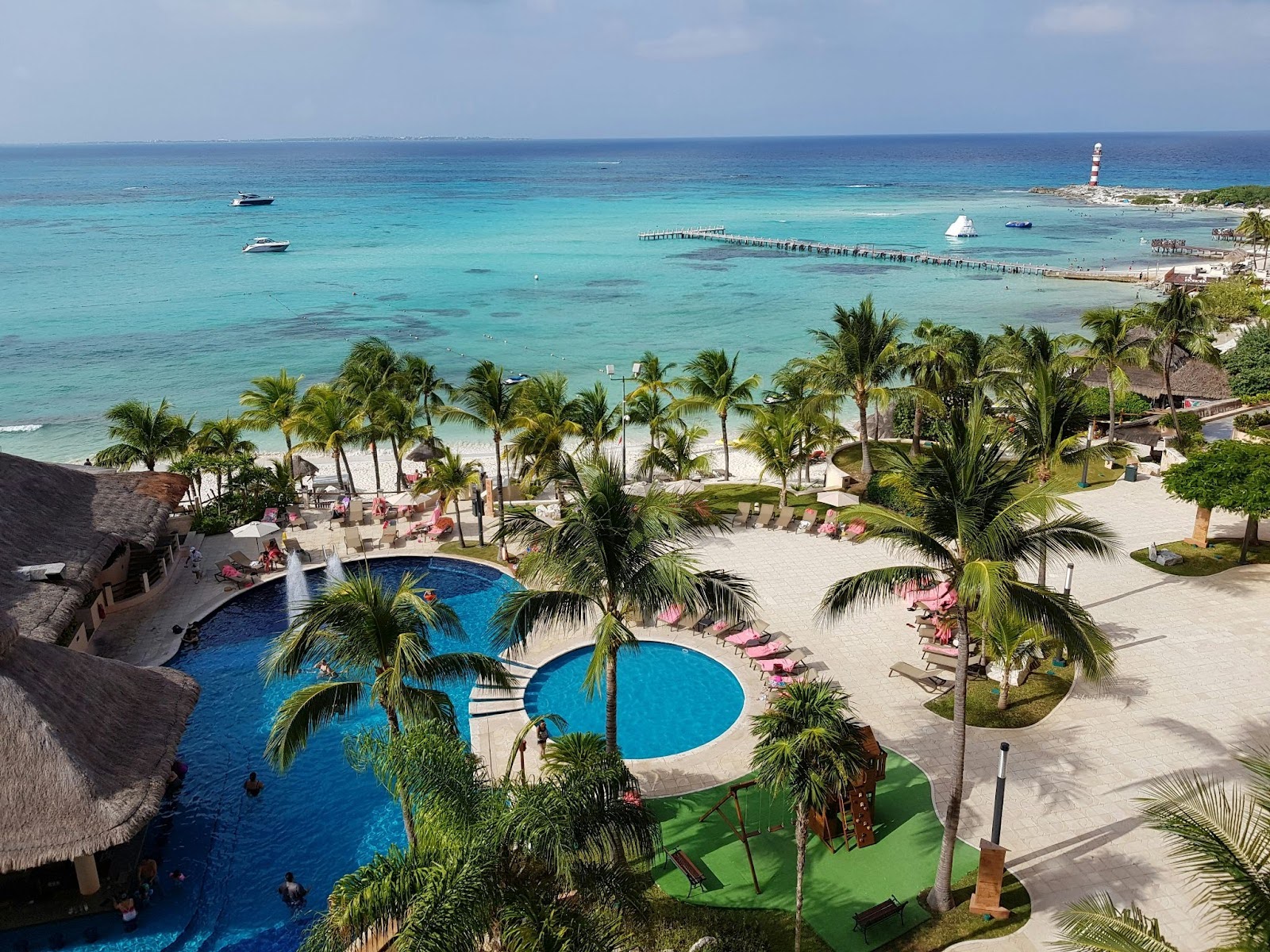
Cancún and the Riviera Maya: The Caribbean coast beckons with its white-sand beaches, crystal-clear turquoise waters, and luxurious resorts. Beyond sunbathing, explore the magnificent Mayan ruins of Tulum and Chichén Itzá, swim in cenotes (natural sinkholes), and experience the vibrant nightlife of Playa del Carmen.

Oaxaca: Renowned for its vibrant indigenous cultures and colonial charm, Oaxaca delights visitors with its colorful markets, traditional handicrafts, and a culinary scene celebrated for its unique moles, mezcal, and tlayudas. Immerse yourself in the city’s artistic atmosphere and participate in one of its many festivals.
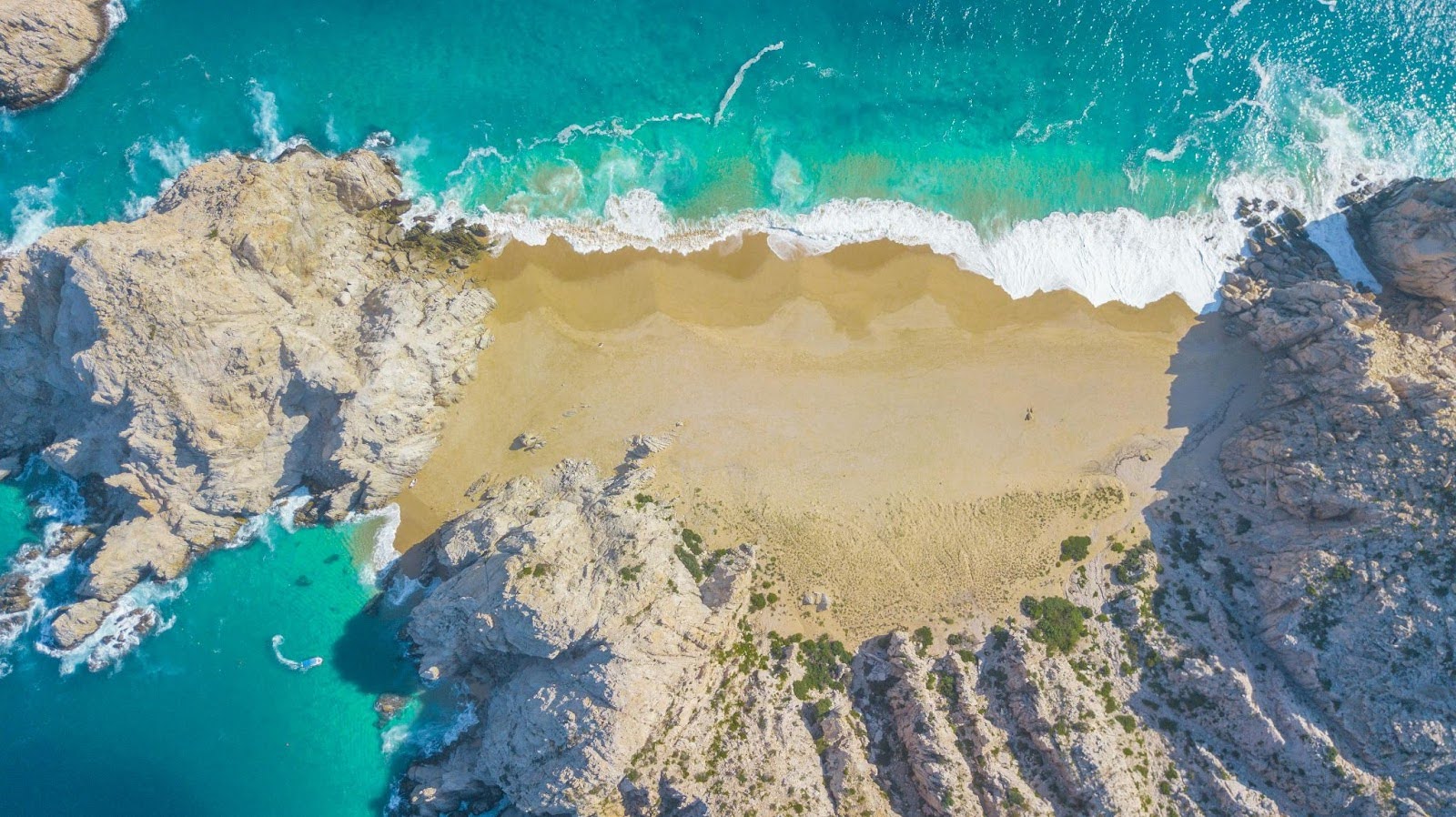
Los Cabos: Where the desert meets the sea, Los Cabos boasts dramatic landscapes and glamorous resorts. Iconic for El Arco, a distinctive rock formation, Cabo San Lucas offers pristine beaches, exhilarating watersports, and a sparkling marina. Nearby San José del Cabo preserves a more tranquil atmosphere with historic architecture and an artsy scene.

Puerto Vallarta: Nestled on the Pacific Coast, Puerto Vallarta’s quaint cobblestone streets and picturesque Malecón (boardwalk) exude a laid-back charm. Explore the vibrant art scene, enjoy delicious seafood, and embark on eco-adventures in the lush Sierra Madre Mountains.
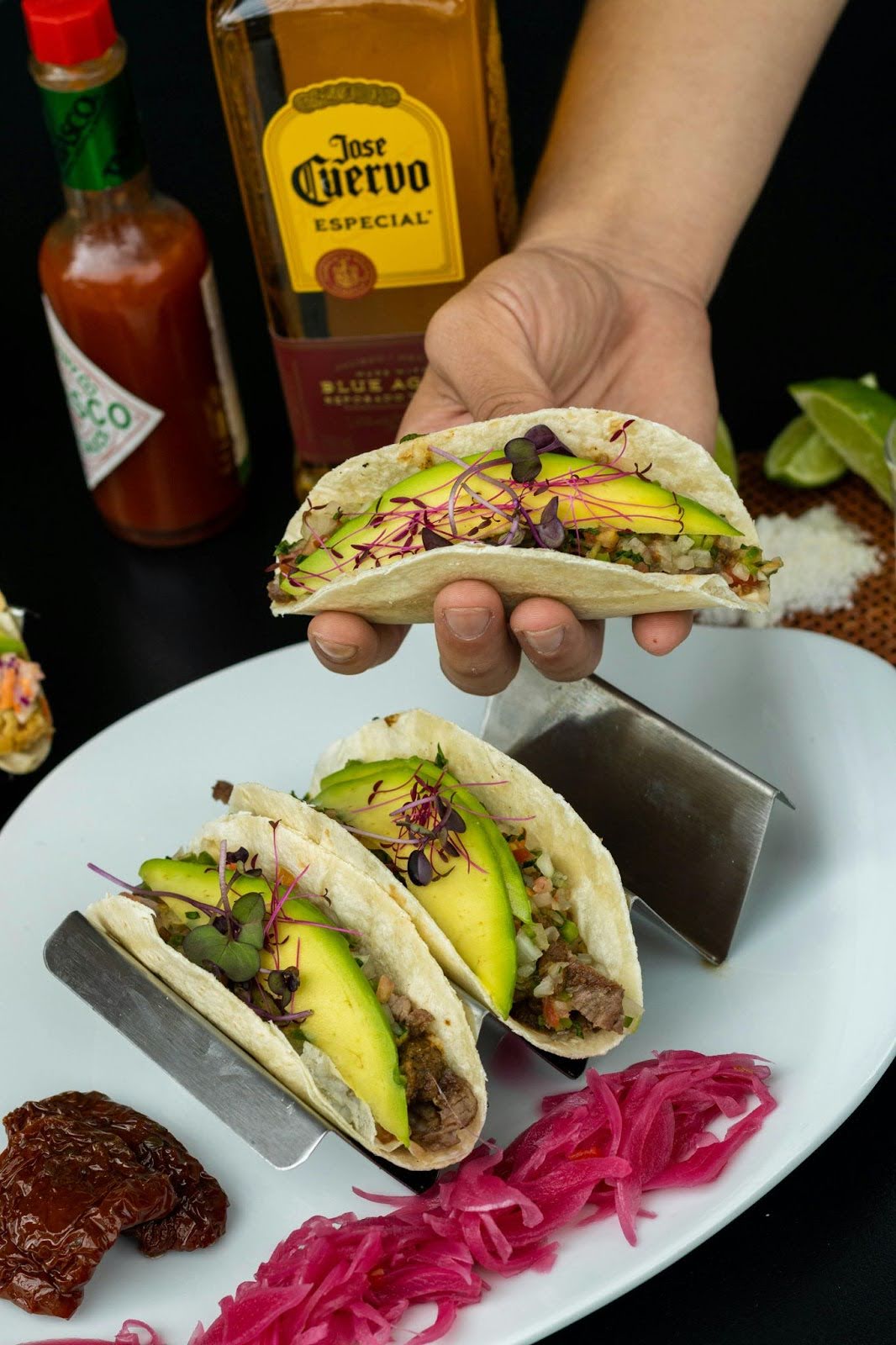
Guadalajara & Tequila: Mexico’s second-largest city, Guadalajara, is the birthplace of Mariachi music and tequila. Admire the grand colonial architecture, stroll through vibrant plazas, and immerse yourself in the rich cultural heritage that permeates the city. A short drive away lies Tequila, the cradle of the famed spirit.
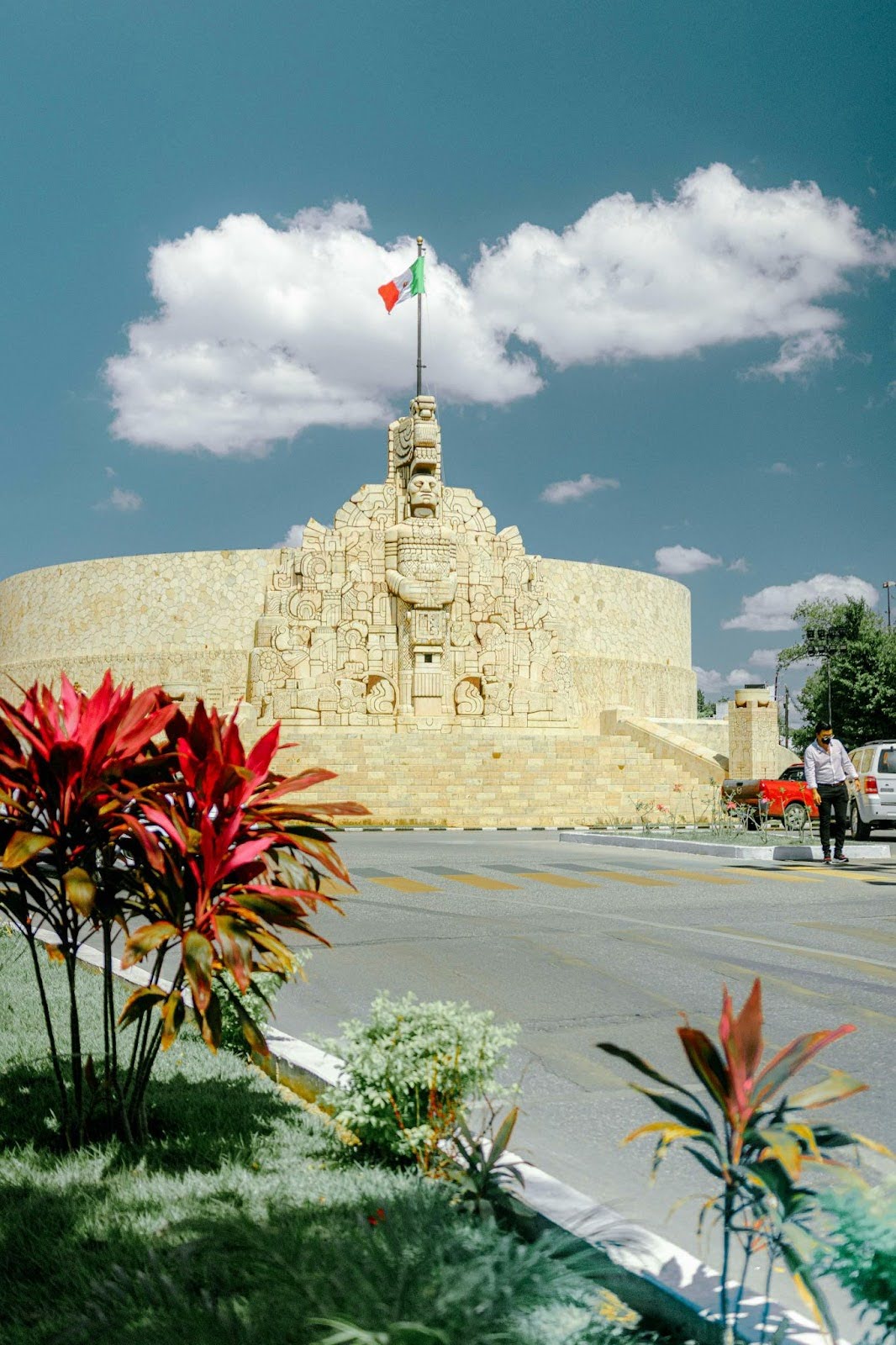
Mérida and the Yucatán: The capital of the Yucatán state, Mérida, offers a glimpse into colonial elegance with its historic mansions and bustling central plaza. Venture beyond the city to discover the enchanting Mayan ruins of Uxmal, swim in turquoise cenotes, and explore picturesque ‘pueblos mágicos’ (magical towns).
Tips for Travelers
- Learn Basic Spanish: While English is spoken in tourist destinations, knowing some basic Spanish phrases enhances the experience and demonstrates respect for the culture.
- Dress Comfortably: Mexican dress is generally casual and comfortable. While shorts and sundresses are perfect for the beach, more modest attire is appropriate when visiting churches and certain towns.
- Bargaining at Markets: Bargaining is expected at markets, but do so in a friendly and respectful manner. Start with a reasonable counteroffer and aim for a win-win situation.
- Safety Precautions: Mexico is generally safe for tourists, but it’s essential to exercise caution as you would in any unfamiliar destination. Research areas to avoid, be aware of your surroundings, and use trustworthy transportation services.
Mexico’s captivating blend of culture, history, and natural beauty is sure to leave a lasting impression. Embrace the warmth, soak in the vibrant atmosphere, and revel in an unforgettable travel experience.
Procedures at a fraction of the cost combined with quality care provided by internationally accredited hospitals and clinics, makes medical tourism in Mexico a viable option for many. Shorter wait times for procedures compared to the US healthcare system further incentivize individuals seeking timely treatment. The geographical proximity of Mexico to the US and Canada allows for convenient and often cheaper travel, especially for those living close to the border. Additionally, many patients choose to extend their stay and explore the rich cultural tapestry and stunning landscapes that Mexico has to offer, transforming their medical journey into a unique and enriching experience.