
Guatemala: The Hidden Gem of Medical Tourism
Guatemala, a vibrant Central American nation, is rapidly gaining recognition as a highly appealing medical tourism destination. For American patients seeking quality care without the hefty price tag, Guatemala offers state-of-the-art facilities, experienced medical professionals, and a wide range of treatments – all at a significant fraction of what similar procedures would cost in the United States. Savings on medical expenses allow patients the freedom to explore and make their journey far more than just a medical trip.
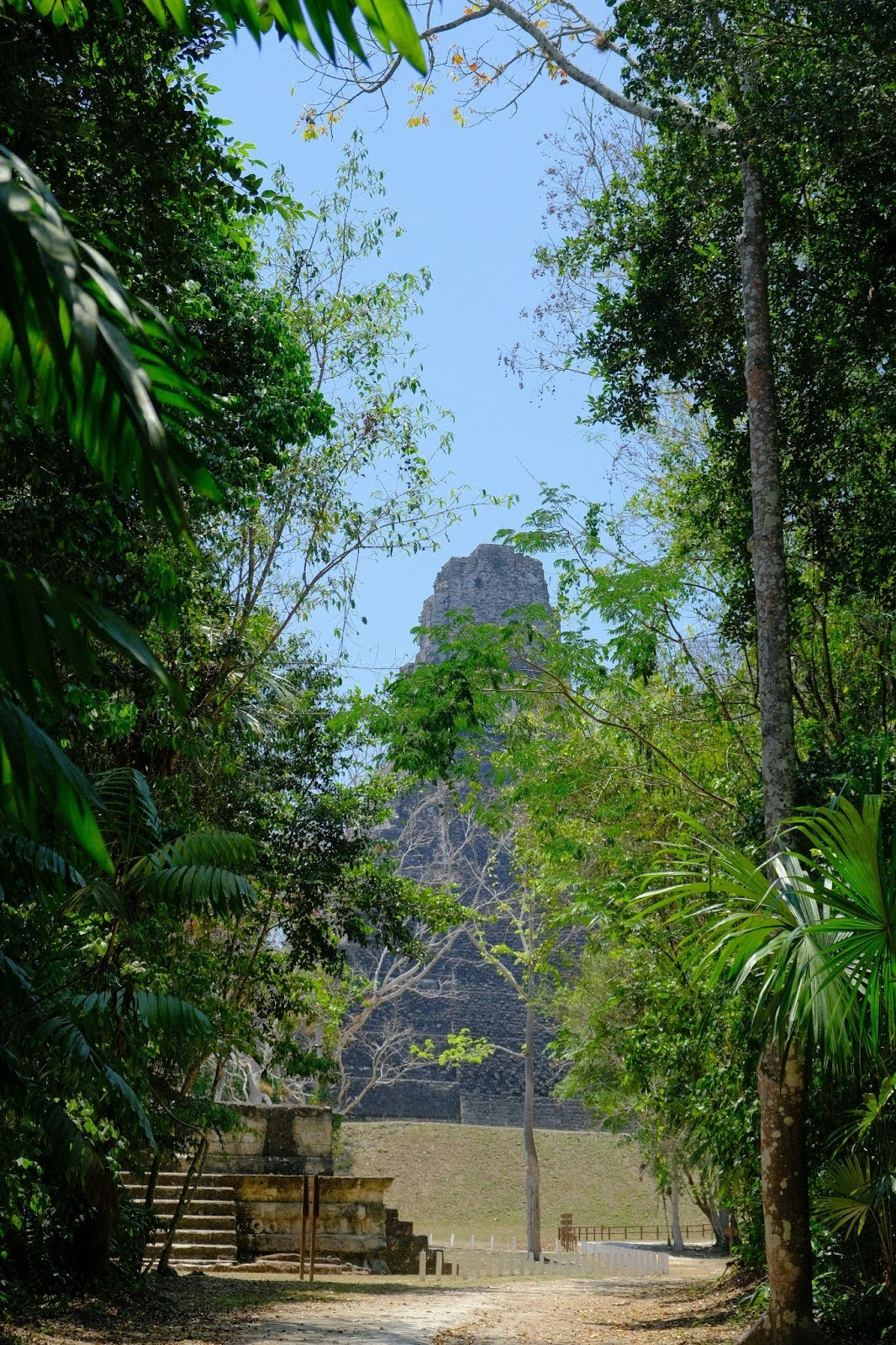
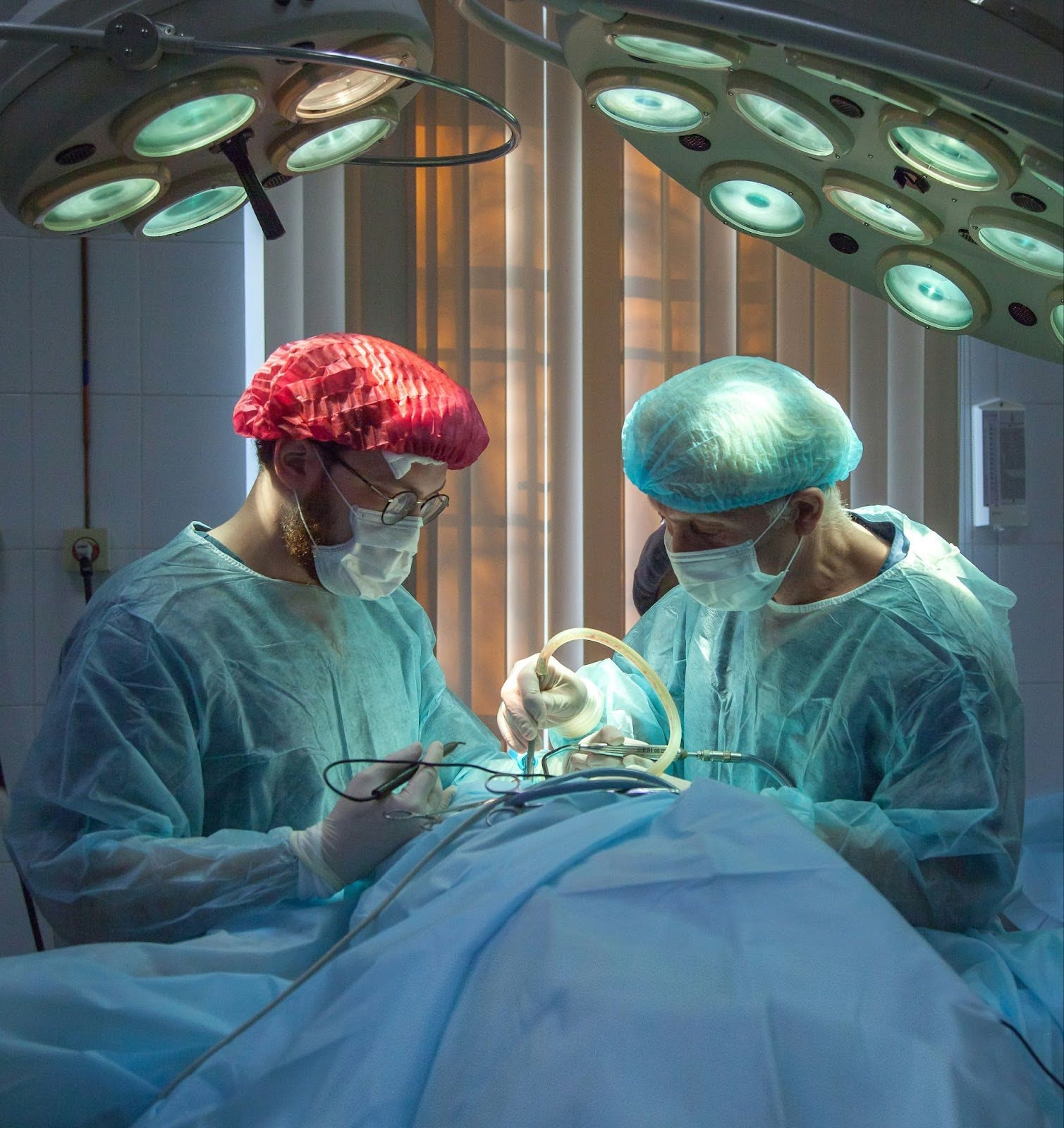
Guatemala’s allure extends beyond the clinic. Venture into the heart of the ancient Mayan world with visits to breathtaking archaeological sites like Tikal or Yaxhá. Stroll through charming colonial cities like Antigua, a UNESCO World Heritage Site, where cobblestone streets, vibrantly colored buildings, and a backdrop of towering volcanoes create a captivating atmosphere. Nature enthusiasts can hike active volcanoes, swim in pristine crater lakes like Lake Atitlán, or seek out lush rainforests teeming with wildlife.
Guatemala’s compact size makes combining medical appointments, cultural immersion, and exciting adventures easy. This Central American gem offers a compelling blend of quality healthcare, affordability, and the opportunity to discover a culture steeped in history, warm hospitality, and breathtaking natural beauty.
If this is your first time considering medical tourism in Guatemala, you certainly have questions. This article will provide a comprehensive overview of medical opportunities in Guatemala with links to more in-depth resources on specific topics or questions.
Top Questions for American Medical Tourists Considering Guatemala
What are the costs compared to the same procedures in the US?
Can I find the same quality of care as in the US?
What specific medical procedures are Guatemala's top specialties?
Is Traveling to Guatemala for Medical Tourism safe?
Do doctors in Guatemala speak English?
Many doctors in private clinics catering to medical tourists speak English. However, confirming language proficiency beforehand is vital. Consider hiring a medical translator or traveling with someone fluent in Spanish if needed.
Will my US health insurance cover procedures in Guatemala?
Generally, no. Most US health insurance plans don’t cover treatments outside the country. Some specialized medical tourism insurance plans may exist, so thorough research is crucial. Often, if the provider takes US insurance, they will list it on their website.
For more information on finding the medical insurance plan that right for you, see Finding The Right Insurance for Your Medical Tourism Adventure
What about follow-up care after a procedure?
What if complications occur after I return home?
Are there any special considerations I need to make for travel to Guatemala?
Are there any special considerations I need to make before traveling?
US citizens typically don’t require a visa for stays under 90 days. Always confirm current requirements with the Guatemalan embassy or consulate before departure.
For vaccinations, the CDC (Centers for Disease Control and Prevention) recommends routine vaccinations and may suggest additional ones depending on your itinerary and health status. In addition, it is recommended that most travelers to Guatemala also receive:
- Hepatitis A: Transmitted through contaminated food and water and strongly recommended for all travelers.
- Hepatitis B: This vaccine protects against a liver infection through bodily fluids. Consider getting vaccinated if you plan on extended stays, have close contact with locals, or will receive medical care.
- Typhoid: Also spread through contaminated food and water. It is recommended, especially if traveling to rural areas or having less control over food choices.
Remember to visit a travel clinic or your doctor 4-6 weeks before departure for the latest recommendations and to allow ample time for any needed vaccinations.
How do I find a reputable medical tourism provider in Guatemala?
Here are some essential tips:
- Look for accreditations: Check if the facility is accredited by JCI or similar organizations.
- Research doctors: Verify their qualifications, experience, board certifications, and patient reviews.
- Testimonials and reviews: Seek out credible testimonials from past patients.
For more information on finding a reputable medical tourism provider, see Medical Tourism: 10 Tips to Finding a Trusted Provider
Can I combine medical treatments with sightseeing and cultural experiences?

Seeking Quality Care at a Fraction of the Cost: Medical Tourism in Guatemala
The financial strain caused by the high costs of healthcare in the United States pushes many Americans to seek alternatives. Guatemala emerges as an intriguing destination for those searching for quality medical care without the crippling price tag attached to procedures in the US.
One of the main catalysts for considering Guatemala is the potential for substantial savings on healthcare costs. Prices for various procedures can be significantly lower than in the United States. For example, a dental implant that might cost thousands of dollars in the US could potentially be obtained for a fraction of that price in Guatemala. The savings provide the freedom to explore combining medical procedures with the wonders of this Central American gem.
The quality of healthcare in Guatemala is rising, particularly in private clinics catering to a growing international clientele. Many doctors possess training and experience from well-respected medical institutions, including those in the US and Europe. Hospitals and clinics often feature modern facilities and advanced technology, offering comparable standards to developed nations. Guatemala is steadily building a reputation for its expertise in dentistry, cosmetic surgery, orthopedics, ophthalmology (eye care), and fertility treatments.
Cost of Medical Tourism Procedures in Guatemala
Here’s a glimpse into the potential cost differences for some standard procedures between Guatemala and the US:
| Procedure | Average Cost in the United States | Average Cost in Guatemala | Potential Savings |
|---|---|---|---|
| Dental Implants (Single Tooth) | $3,000 - $5,000 | $800 - $2,000 | 50% - 75% |
| Cosmetic Surgery (Facelift) | $10,000 - $15,000 | $4,000 - $8,000 | 45% - 70% |
| LASIK (both eyes) | $4,000 - $6,000 | $1,500 - $3,000 | 50% - 65% |
| Knee Replacement | $35,000 - $55,000 | $12,000 - $20,000 | 60%-70% |
| Hip Replacement | $30,000 -$60,000 | $10,000 - $18,000 | 50%-70% |
| Gastric Sleeve Surgery | $20,000 - $30,000 | $ 6,000 - $ 12,000 | 50% - 70% |
| Cataract Surgery (per eye) | $3,000 - $6,000 | $ 1,000 -$ 2,500 | 50% -70% |
| In Vitro Fertilization (IVF) | $15,000 - $25,000 | $5,000 - $10,000 | 55% - 70% |
| Spinal Fusion Surgery | $100,000 - $150,000 | $25,000 - $40,000 | 70% - 80% |
| Coronary Angioplasty | $25,000 - $40,000 | $8,000 - $15,000 | 50% - 65% |
| Gastric Bypass Surgery | $25,000 - $35,000 | $8,000 - $12,000 | 60% - 70% |
| Dental Crowns | $1,000 - $3,000 | $300 - $800 | 60% - 80% |
| Veneers (per tooth) | $1,000 - $2,500 | $300 - $800 | 60% - 80% |
| Root Canal Therapy (molar) | $1,500 - $3,000 | $300 - $800 | 70% - 80% |
| Hernia Repair | $6,000 - $15,000 | $2,000 - $5,000 | 50% - 75% |
| Prostatectomy | $12,000 - $ 20,000 | $5,000 - $9,000 | 50% - 65% |
| Hysterectomy | $10,000 - $20,000 | $4,000 - $7,000 | 60% - 70% |
| Thyroid Surgery | $20,000 - $40,000 | $5,000 - $10,000 | 70% - 80% |
| Cosmetic Rhinoplasty (Nose Job) | $8,000 - $15,000 | $3,000 - $6,000 | 60% - 80% |
| Liposuction | $6,000 - $10,000 | $2,000 - $4,000 | 60% - 70% |
Cost of Travel to Consider for Medical Tourism in Guatemala
Guatemala has become a rising star in medical tourism, offering affordable, high-quality medical care in a country bursting with natural beauty and rich cultural heritage. Determining travel expenses is vital for informed decision-making if you’re exploring medical treatment in Guatemala. Here’s a breakdown of costs to consider, along with tips for creating a budget-conscious plan.
Typical Costs for a Medical Tourism Trip
Here’s a chart illustrating the approximate travel costs to some popular destinations in Guatemala. Like all travel, costs can vary based on seasonality, where you’re traveling from, your travel style, and choices for accommodations and activities.
Important Notes:
- Airfare: Prices depend on your departure location, travel dates, and when you book. These are rough estimates from major US cities for roundtrip flights.
- Hotel: Accommodation prices vary depending on location and amenities. This chart focuses on mid-range hotels.
- Daily Spending: Includes meals, local transportation, and potential for modest activities or purchases. The range gives you flexibility depending on choices.
| Destination | Approx. Airfare* | Hotel/Night | Daily Spending | Weekly Spending |
|---|---|---|---|---|
| Guatemala City | $300 - $800 | $50 - $150 | $40 - $100 | $280 - $700 |
| Antigua Guatemala | $350 - $850 | $60 - $180 | $45 - $110 | $315 - $770 |
| Lake Atitlán (Panajachel) | $350 - $850 | $40 - $130 | $35 - $90 | $245 - $630 |
| Flores (Tikal) | $400 - $900 | $50 - $170 | $40 - $100 | $280 - $700 |
Planning Strategies for Medical Tourism Travel on a Budget
- Bundle the Essentials: There are travel packages that bundle flights, hotels, medical procedures, and aftercare. This can sometimes be more cost-effective than booking separately.
- Choose Location Strategically: While destinations like Antigua charm visitors, you might find more favorable hotel & daily costs in Guatemala City, especially if needing a lengthy recovery period.
- Factor in Recovery Time: Depending on your procedure’s recovery, your trip duration may need to be extended beyond the procedure date. Budget accordingly.
- Mix and Match: Consider a few nights in a nicer hotel after your procedure, then move to a more budget-friendly place for the remainder of your recuperation time.
- Slow Travel Advantage: If your recovery allows, slower travel and more extended stays may open up opportunities for cheaper local transportation and exploring budget-friendly dining.
Additional Considerations
- Hidden Costs: Factor in visa costs (if needed), airport transfers, medications, and any optional excursions.
- Exchange Rates: Keep an eye on the exchange rate between your home currency and the Guatemalan quetzal to estimate spending power more precisely.
- Tipping: Tipping is less prevalent than in the US, but a small gratuity for exceptional service is appreciated.
- Pre- and Post-Procedure Needs: Consider if you’ll need domestic care before & after the trip, factoring this into your total medical journey budget.
By combining thorough research, careful budgeting, and a touch of flexibility, you can experience all the benefits of Guatemalan medical tourism while confidently managing your travel expenses.
Guatemala's Evolving Healthcare Landscape
Guatemala has emerged as an attractive destination for medical tourism, driven by its affordable healthcare costs, skilled medical professionals, and proximity to the United States. While accessibility and affordability remain significant factors, Guatemala’s healthcare system is undergoing positive development aimed at reassuring international patients with a focus on quality, patient experience, and cutting-edge care.
Quality Standards and Accreditation
Guatemala is making a concerted effort to increase the availability of internationally accredited healthcare facilities. Certifications like Joint Commission International (JCI) signify adherence to strict global quality standards of medical care, which helps foster trust among international patients. Several private hospitals across Guatemala City and other metropolitan centers are actively seeking these accreditations, raising the bar for healthcare delivery in the region.
Medical Expertise
A growing number of Guatemalan doctors and surgeons receive training abroad, acquiring advanced skills and expertise. This influx of specialized knowledge enriches the country’s medical landscape, bridging the gap between Guatemala’s healthcare standards and those of more developed nations.
Emphasis on Patient Experience
One of Guatemala’s strengths in medical tourism is its focus on patient care. Many private hospitals prioritize comfort and personalized service. Bilingual staff and dedicated patient coordinators often go above and beyond to support international patients, facilitating a smooth treatment and recovery process.
World-Class Facilities
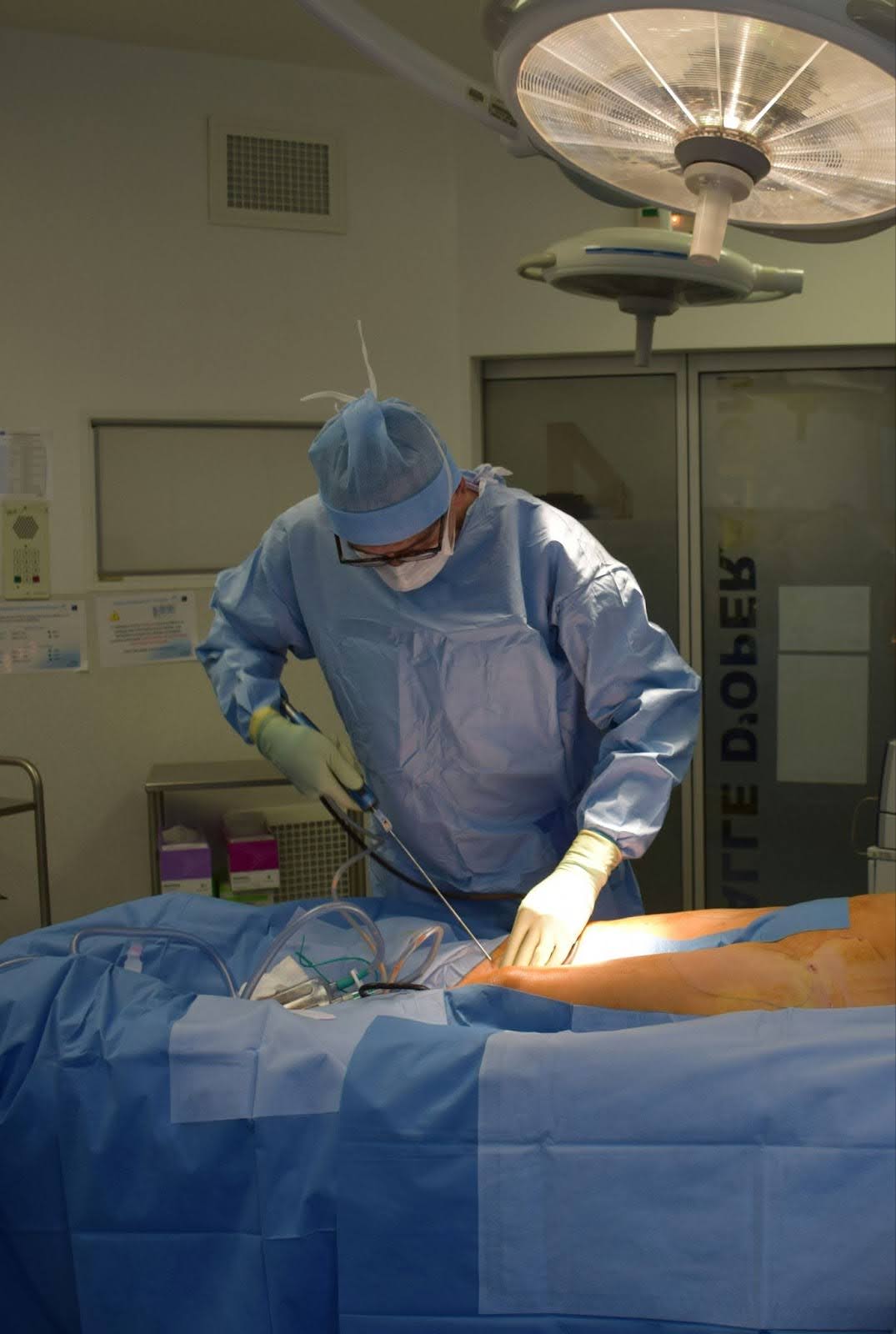
While only some facilities will boast the cutting-edge infrastructure available in some destinations, Guatemala is seeing the emergence of modern, well-equipped private hospitals. Here are some notable examples:
- Hospital Centro Médico (Guatemala City): A long-established private hospital, Centro Médico has achieved JCI accreditation and continues to expand its services. Areas of specialization include cardiology, oncology, and a full range of surgical and non-surgical procedures.
- Herrera Llerandi Hospital (Guatemala City): Recognized for orthopedics, rehabilitation, and sports medicine, Herrera Llerandi combines advanced technologies with personalized treatment, serving domestic and international patients.
- Hospital El Pilar (Guatemala City and surrounding areas): This network of modern hospitals offers a range of specialties with various locations across the metropolitan area. They’re known for quality care in areas such as bariatric surgery and offer packages geared towards medical tourists.
Important Note: It is crucial to thoroughly research a Guatemalan medical facility to confirm accreditations, available technology, and surgeons’ experience in your specific treatment area.
Guatemala’s healthcare system continues to evolve, and this progress makes it an increasingly compelling option for medical tourists seeking both quality care and competitive prices. As it grows, access to higher-tech facilities and a broader range of specialized treatment options will likely expand.
What Medical Tourism Procedures Does Guatemala Specialize In?
Guatemala’s medical tourism niche is characterized by affordability, skilled practitioners, and a growing emphasis on internationally recognized standards. The country draws patients seeking a balance between cost and quality care; it’s particularly strong in these areas:

A Spectrum of Specialties
- Dental Implants: A favored option for replacing missing teeth, with high success rates and significantly lower costs than the US or Canada.
- Veneers and Crowns: Enhancing smiles with aesthetic restorations expertly crafted at accessible prices.
- Root Canals and Bridges: Essential treatments for preserving and restoring teeth, performed with skill and care.
- Full-Mouth Restorations: Comprehensive makeovers combining multiple techniques to dramatically improve function and appearance.
- Facelifts and Mini-Facelifts: Restoring youthful contours with skilled facial rejuvenation techniques.
- Liposuction: Targeted fat removal for refining specific body areas.
- Breast Augmentation: Enhancing contours with attention to patient goals and achieving natural results.
- Tummy Tucks: Tightening and reshaping the abdomen, particularly popular post-pregnancy or post-weight loss.
- Gastric Sleeve: This is the most common procedure, and it reduces stomach size, promotes early fullness, and curbs appetite long-term.
- Gastric Bypass: Rerouting the digestive tract for greater restriction and possible malabsorptive benefits.
- Non-surgical options: Gastric ballooning procedures may also be available for temporary weight loss assistance.
- Ophthalmology: Cataract surgery and other vision-correcting procedures attract patients seeking affordable, high-quality care.
- Orthopedics: Skilled treatments for musculoskeletal conditions, including joint replacements, at lower price points than in some Western countries.
- Wellness Retreats: With its stunning landscapes and rich cultural heritage, Guatemala offers wellness retreats that focus on natural remedies and traditional healing practices for stress relief and restoration.
- Accreditation: Seek out JCI-accredited facilities to ensure the highest safety and quality standards.
- Surgeon Expertise: Research surgeons, their credentials, and specialization in your desired procedure.
- Patient Experience: Guatemala is known for its patient-focused care. Look for clinics prioritizing communication and personalized attention.
The Mayan Roots of Guatemalan Healing
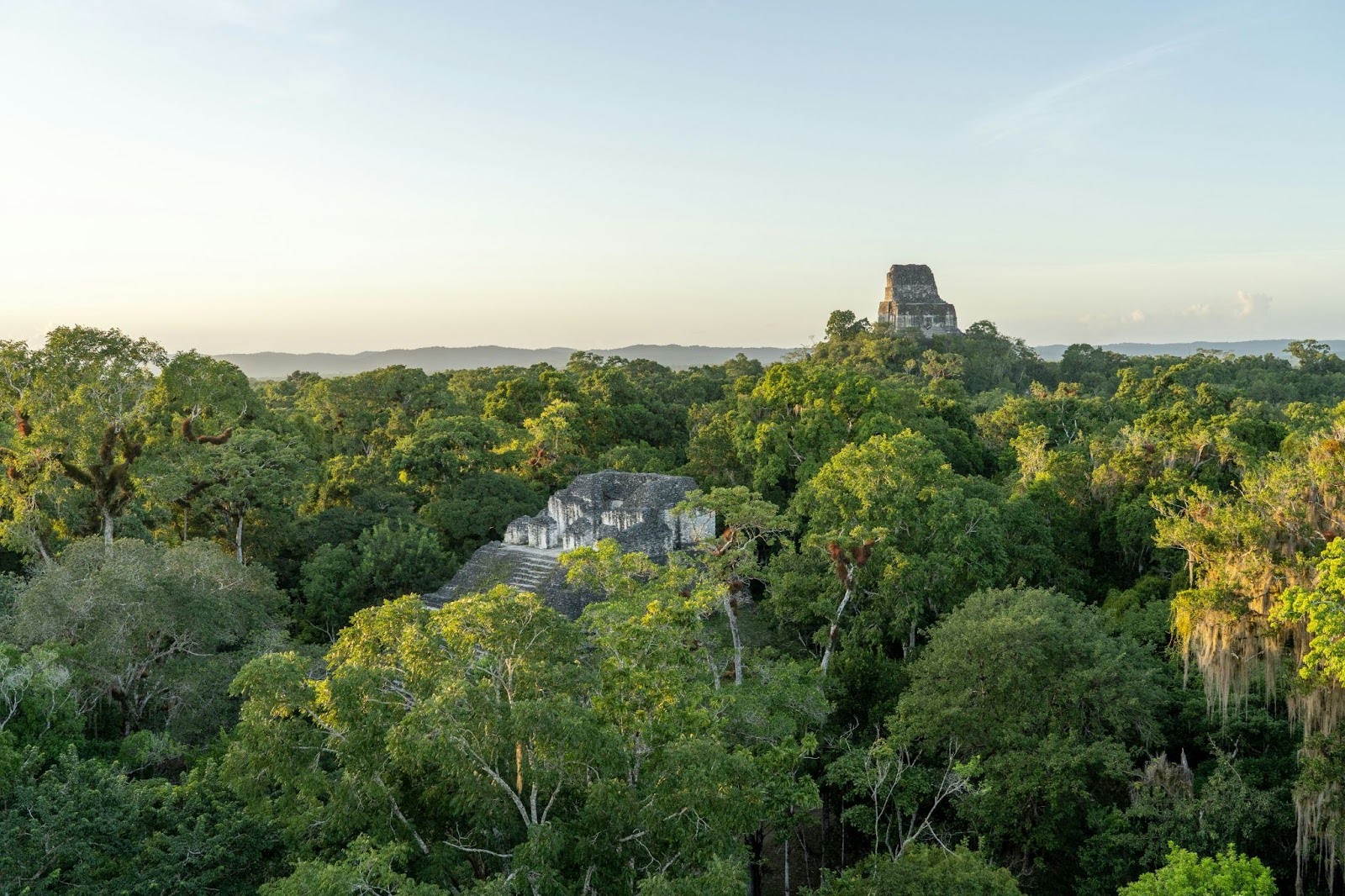
Guatemala boasts a myriad of traditional healing practices interwoven with its rich cultural heritage. For centuries, indigenous communities have relied on ancestral wisdom passed down through generations, skillfully harnessing the power of nature and deep spiritual beliefs to promote health and well-being. Let’s explore this fascinating world where ancient traditions intertwine with modern-day healthcare.
The ancient Maya civilization, renowned for its astronomical advancements and architectural wonders, also developed an intricate healing system deeply rooted in their cosmology and understanding of the natural world. Mayan healers are revered in their communities and seen as intermediaries between the physical and spiritual realms. They believe illness results from an imbalance within a person’s being, environment, or relationship with ancestral spirits.
The Pillars of Traditional Healing
Several key elements underpin traditional Guatemalan healing practices:
- Herbal Remedies: Guatemala’s diverse landscapes, from lush rainforests to volcanic highlands, harbor a vast array of medicinal plants. Healers possess an intimate knowledge of their properties, carefully concocting teas, tinctures, and poultices to address a wide range of ailments.
- Spiritual Guidance: Spirituality is integral to Mayan healing. Healers frequently invoke ancestral spirits, deities, and natural forces to restore balance and promote healing. Ceremonies, prayers, and offerings play a pivotal role in many treatment approaches.
- Manual Therapies: Massage and bone setting techniques are often employed by traditional healers. These hands-on techniques aim to relieve pain, improve circulation, and address musculoskeletal imbalances.
- Sweat Baths: Known as “temazcales,” sweat baths hold both physical and ceremonial significance. They are believed to purify the body, release toxins, and facilitate spiritual connection.
Types of Traditional Healers
Within Guatemalan communities, various types of traditional healers offer their expertise:
- Herbalists (Curanderos): Experts in medicinal plants and their preparation. They treat a wide range of ailments, from common colds to chronic conditions, using a holistic approach that considers the mind, body, and spirit.
- Spiritual Healers (Ajq’ij): Spiritual guides who utilize divination techniques, rituals, and ceremonies to uncover the root causes of illness and restore spiritual harmony. They often address emotional distress, traumatic experiences, and perceived malevolent forces.
- Bone Setters (Hueseros): Healers with specialized knowledge of musculoskeletal anatomy and manual therapies. They address fractures, sprains, dislocations, and other physical injuries.
Modern-Day Applications of Traditional Healing
While Guatemala’s healthcare system has modernized over time, traditional healing continues to play a significant role, particularly in rural and indigenous communities. Here’s how these practices are utilized today:
- Primary Care: In many areas with limited access to modern medical facilities, traditional healers serve as the first line of healthcare, addressing common health concerns and providing preventive care.
- Complementary Medicine: A growing recognition of the potential benefits of traditional remedies has sparked an interest in integrative medicine. Some modern healthcare providers partner with traditional healers, offering patients a more holistic approach to treatment.
- Mental Health Support: Traditional healers often address psychological imbalances and spiritual distress, providing culturally-sensitive support that may be lacking in some modern mental healthcare settings.
Guatemala’s traditional healing practices offer a captivating window into the interconnectedness of nature, culture, and spirituality. As the nation moves forward, preserving these ancestral traditions is essential for honoring its rich heritage and ensuring a comprehensive healthcare system that embraces the diverse needs of its people.
Substance Use Treatment Approaches in Guatemala
Guatemala employs a mixture of treatment approaches for substance use disorder, with varying levels of availability and effectiveness:
- Public Health System: Substance use disorder treatment is technically covered within Guatemala’s public healthcare system but would not be appropriate for medical tourists. In any case, access to specialized services is often minimal, and waiting lists are long.
- Private Clinics and Rehabilitation Centers: There’s a growing number of private clinics offering substance use disorder treatment, ranging from basic detox programs to more comprehensive residential rehabilitation. These often utilize the following approaches:
- 12-Step Based Programs: Programs based on Alcoholics Anonymous or similar 12-step philosophies can be found in private facilities.
- Therapeutic Communities: Some centers employ a therapeutic community model, emphasizing peer support, group therapy, and a structured environment for long-term recovery.
- Individual Therapy: Counseling or psychotherapy may be available in some clinics, focusing on uncovering underlying causes of addiction and teaching coping skills.
- Medications: While not universal, some facilities might offer medication-assisted treatment (MAT) for conditions like opioid or alcohol dependence.
- Christian-Based Rehabilitation Centers: Guatemala has a significant network of Christian-focused centers offering faith-based programs for those struggling with addiction. These vary greatly in quality and structure but can provide an avenue when other options are inaccessible.
Indigenous and Traditional Practices: In some communities, traditional healers might offer spiritual guidance, herbal remedies, or ceremonies to address addiction problems holistically. These are likely culturally specific and difficult to access for outsiders.
Types of Wellness Retreats in Guatemala
Guatemala’s wellness retreat scene caters to various needs and preferences. Here’s a glimpse into the spectrum:
- Yoga Retreats on Lake Atitlán: Surrounded by breathtaking volcanic peaks and the mystical Lake Atitlán, retreats immerse you in daily yoga practice. Expect a mix of styles (from gentle Hatha to dynamic Vinyasa), guided meditation, and opportunities to explore the area’s vibrant villages.
- Mindfulness and Meditation Centers: These retreats are ideal for those seeking inner peace and clarity. They offer a sanctuary for silent meditation, mindfulness workshops, and techniques to manage stress and cultivate presence.
- Adventure & Wellness Retreats: These energetic retreats combine hiking, kayaking, or exploring ancient ruins with yoga, healthy cuisine, and opportunities for relaxation.
- Holistic Healing Retreats: Retreats incorporating a variety of healing modalities. These might include traditional Mayan healing practices, massage therapies, sound healing, energy work, and nourishing plant-based meals.
- Ayurvedic Retreats: Based on the ancient Indian system of Ayurveda, these retreats focus on personalized health assessments and tailored treatments. This could encompass herbal remedies, Ayurvedic nutrition, yoga, and specialized therapies to balance your unique “dosha” (constitution).
- Luxury Wellness Resorts: These opulent retreats blend pampering, wellness, and exquisite settings. Expect spa treatments, gourmet healthy cuisine, fitness classes, and excursions amidst Guatemala’s stunning landscapes.
Choosing the Right Retreat for You
With varied offerings, finding the perfect Guatemalan retreat requires self-reflection. Consider these questions:
- What’s your primary goal? Is it stress reduction, deepening yoga practice, detoxification, spiritual exploration, or overall rejuvenation? Choose a retreat whose focus aligns with your needs.
- What’s your desired environment? Do you prefer a vibrant community setting or an intimate, tranquil atmosphere? Guatemala offers both.
- Luxury or simplicity? From rustic eco-retreats to luxurious resorts, set your budget and desired comfort level.
- Accommodations: Choices range from shared cabanas to private, luxurious suites. Choose what matches your preferences and budget.
- Logistics: Factor in travel time from the airport and any additional tours or local excursions you might want to incorporate.
Popular Destinations for Wellness Retreats
- Lake Atitlán: Enchanting lake towns like San Marcos la Laguna and Santa Cruz draw spiritual seekers and yogis worldwide. Here, you can find a variety of holistic centers and yoga retreats.
- Antigua Guatemala: The charming colonial city of Antigua is a wellness hub offering yoga studios, spas, vegetarian restaurants, and retreats in lush surrounding areas.
- Remote Retreats: Tucked away in Guatemala’s less-traveled regions, serene eco-retreats and rainforest lodges offer immersive wellness experiences and deep connections with nature.
Things to Keep in Mind
- Research: Thoroughly research the retreat center, its philosophy, teachers, and reviews from past participants.
- Seasons: Guatemala has a dry season (November to April) and a rainy season (May to October). Consider this when planning your trip.
- Openness: Embarking on a wellness retreat in a different culture requires an open mind and willingness to step outside your comfort zone.
- Integration: Think about how you’ll integrate the practices and insights gained from your retreat upon returning home.
Guatemala’s unique blend of ancient wisdom, natural splendor, and warm hospitality sets the stage for transformative wellness journeys. Whether seeking a serene escape or a life-changing experience, a retreat in this enchanting country promises to renew body, mind, and spirit.
Is Traveling to Guatemala for Medical Tourism Safe?
Guatemala, a land of vibrant Maya heritage, stunning volcanoes, and lush rainforests, allures adventurous travelers. However, safety concerns might linger in the minds of potential visitors. The good news is that with awareness, preparation, and common sense, you can have a safe and fulfilling experience while exploring this captivating Central American nation. Let’s address concerns, outline potential risks, and provide tips for worry-free travel in Guatemala.
Dispelling the Myths
Myth 1: Guatemala is unsafe.
While certain areas face challenges with crime, this doesn’t define the entire country. Popular tourist destinations generally have lower risks with increased safety measures in place.
Myth 2: Tourists are prime targets.
Petty theft can happen anywhere, even in your hometown. Precautions like avoiding isolated areas and being mindful of belongings significantly minimize risks.
Myth 3: Violent crime is rampant.
While some violent crime exists, tourists are very rarely the targets of those activities.
Myth 4: Guatemala is unsanitary.
While caution with food and water is always wise, plenty of restaurants and hotels adhere to high standards of safety. Bottled water is also widely available.
Myth 5: Fluent Spanish is mandatory.
Though knowing basic phrases enhances your experience, tourist areas often have English-speaking staff. Learning greetings and essential phrases is helpful but not a barrier to travel.
Recognizing Safety Concerns
- Petty theft: Pickpocketing or bag snatching can happen in crowded areas like markets or on public transport. Be mindful of your surroundings, especially in tourist spots.
- Road safety Road conditions outside major cities can be less than ideal, and some drivers may be reckless. Organized tours or shuttle services are safest when traveling long distances.
- Political Protests Occasionally, political demonstrations occur, potentially disrupting travel plans. Staying informed on the local situation is crucial.
Prioritizing Safety
- Popular Destinations: Tourist havens like Antigua, Lake Atitlán, and Flores/Tikal generally focus on visitor safety and have lower crime rates.
- Reputable Transportation: Opt for registered taxis, shuttles arranged by reliable sources, or transportation through your accommodation.
- Situational Awareness: Be mindful of your surroundings, avoid isolated areas, especially at night, and leave flashy valuables at home.
Tips for Staying Safe
- Choose Tourist-Friendly Areas: Focus your trip on established tourist destinations known for good infrastructure and safety measures.
- Trusted Accommodation: Select reputable hotels, guesthouses, or resorts with good reviews regarding security.
- Minimalist Mindset. Refrain from attracting attention with flashy attire or expensive items.
- Basic Spanish: Even a few phrases can ease navigation and local interactions.
- Document Duplicates: Keep copies of your passport and vital documents separate from the originals.
Safety in Top Medical Tourism Destinations
- Antigua Guatemala: This charming colonial city, known for its proximity to medical clinics, is generally safe. Exercise standard precautions: stay in well-lit areas at night, be aware of your belongings, and use reliable transport.
- Guatemala City: The capital has varying levels of safety, making extra vigilance necessary. Stick to reputable medical zones, use pre-arranged transport from the airport, and limit your time in areas outside your medical appointments.
- Lake Atitlán Communities: Towns around beautiful Lake Atitlán typically have a laid-back vibe and cater to visitors. However, standard tourist precautions still apply. If exploring further afield, use reputable guides.
Places to Exercise Greater Caution
It’s crucial to note that safety situations can change over time. Always consult your home country’s latest official travel advisories for the most up-to-date recommendations. Here’s a deeper dive into potentially less secure locations:
- Guatemala City (beyond specific zones): While Guatemala City boasts modern hospitals and medical facilities, it’s a sizable capital with stark contrasts. Some zones face higher rates of poverty, gang activity, and opportunistic crime. These areas are best avoided altogether by tourists. For medical tourism, prioritize zones known for their clinics and hospitals, such as:
- Zone 10 (Zona Viva) is considered one of the safest, with upscale hotels, restaurants, and many clinics.
- Zone 14: Also has reputable medical facilities and is generally more secure.
Travel within the city should be minimized and carefully planned. Use pre-arranged transportation (booked through your hotel or clinic) for airport transfers and traveling between appointments. Avoid walking around alone, especially after dark.
- Remote border regions: Border areas can be less secure, particularly those not at official crossing points. Issues include:
- Smuggling & Trafficking Activity: Some remote borders see activity related to the movement of illicit goods or human trafficking.
- Limited Infrastructure: Official border crossings have security personnel and infrastructure to handle travelers, while unofficial crossing points lack these safety measures.
- Lack of Tourist Facilities: Border towns at major crossings are likelier to have hotels and services catering to foreigners. Remote crossings may lack basic amenities.
Independent travel near borders is generally discouraged unless you participate in a well-established tour with experienced local guides.
- Rural Areas with Limited Tourist Presence: While some stunning off-the-beaten-path destinations exist in Guatemala, traveling to isolated villages or regions with little tourist infrastructure requires extra caution. Here’s why:
- Less Security Presence: Remote areas might not have as many police or tourist security measures in place.
- Local Complexities: It’s more challenging for foreigners to understand local dynamics, potential unrest, or areas to avoid.
- Transportation: Public bus routes through very rural areas could potentially be targeted by petty thieves or, in rarer situations, roadblocks set up by criminal elements.
If venturing outside major tourist hubs, always research thoroughly and ideally travel with a recommended local guide who knows the area intimately.
Important Note: This breakdown doesn’t mean these areas are completely off-limits. With extensive planning, the right local contacts, and increased vigilance, experienced travelers sometimes venture into these regions safely. However, focusing on established tourist destinations lowers risk significantly for most tourists.
Guatemala offers a safe and extraordinary travel experience by focusing on common-sense precautions and informed decision-making. Remember, the vast majority of tourists have positive and trouble-free adventures in this captivating country!
Cultural Enchantment and Additional Benefits of Medical Tourism in Guatemala
Guatemala offers more than just affordable, quality medical care in a beautiful setting. It provides a window into a captivating world of ancient Maya traditions, vibrant cultural expressions, and breathtaking natural landscapes. Combining medical treatment with cultural enrichment allows for a transformative experience that extends beyond mere physical healing.
Legacy of the Maya
Guatemala’s rich heritage is interwoven with the legacy of the Maya civilization, whose sophisticated knowledge of astronomy, mathematics, and architecture left a lasting imprint. Understanding this foundational element of Guatemalan culture offers a deeper lens through which to appreciate the country’s customs and its people.
- Iconic Ruins: Explore awe-inspiring archaeological sites such as Tikal, a UNESCO World Heritage Site nestled deep within a lush rainforest. Imagine this ancient city’s grandeur, teeming with life, as the epicenter of a vast Mayan kingdom. Iximche, Yaxha, and Quirigua offer other important windows into the Mayan past.
- Living Maya Traditions: Witness the enduring Maya legacy in the vibrant textiles woven by women in traditional villages and the spiritual ceremonies still practiced, and observe the connection locals maintain with their ancestral roots.
- Archaeological Museums: Delve deeper into Mayan history at museums like the Popol Vuh Museum and the National Museum of Archaeology and Ethnology in Guatemala City, home to impressive collections of artifacts and exhibits showcasing the Maya’s artistic and scientific achievements.
Traditions and Contemporary Expressions
Guatemala’s cultural landscape is a vibrant tapestry of influences, blending indigenous traditions, colonial heritage, and modern-day expressions. Embrace these diverse elements to gain a richer understanding of Guatemalan life:
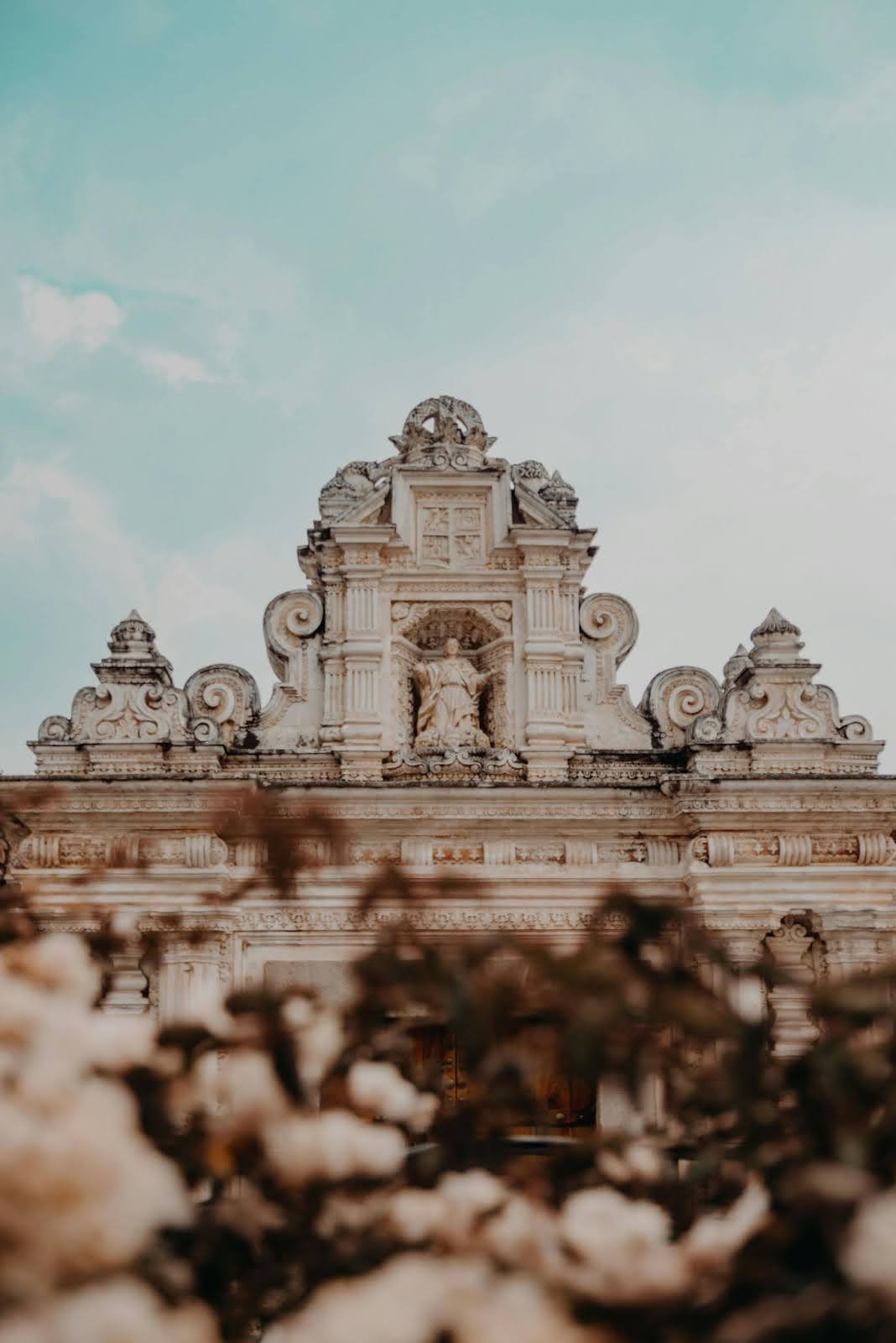
- Colonial Charms: Explore Antigua Guatemala, a UNESCO World Heritage Site renowned for its cobblestone streets, colorful colonial architecture, and charming atmosphere. Step inside centuries-old churches, monasteries, and admire the views of surrounding volcanoes.
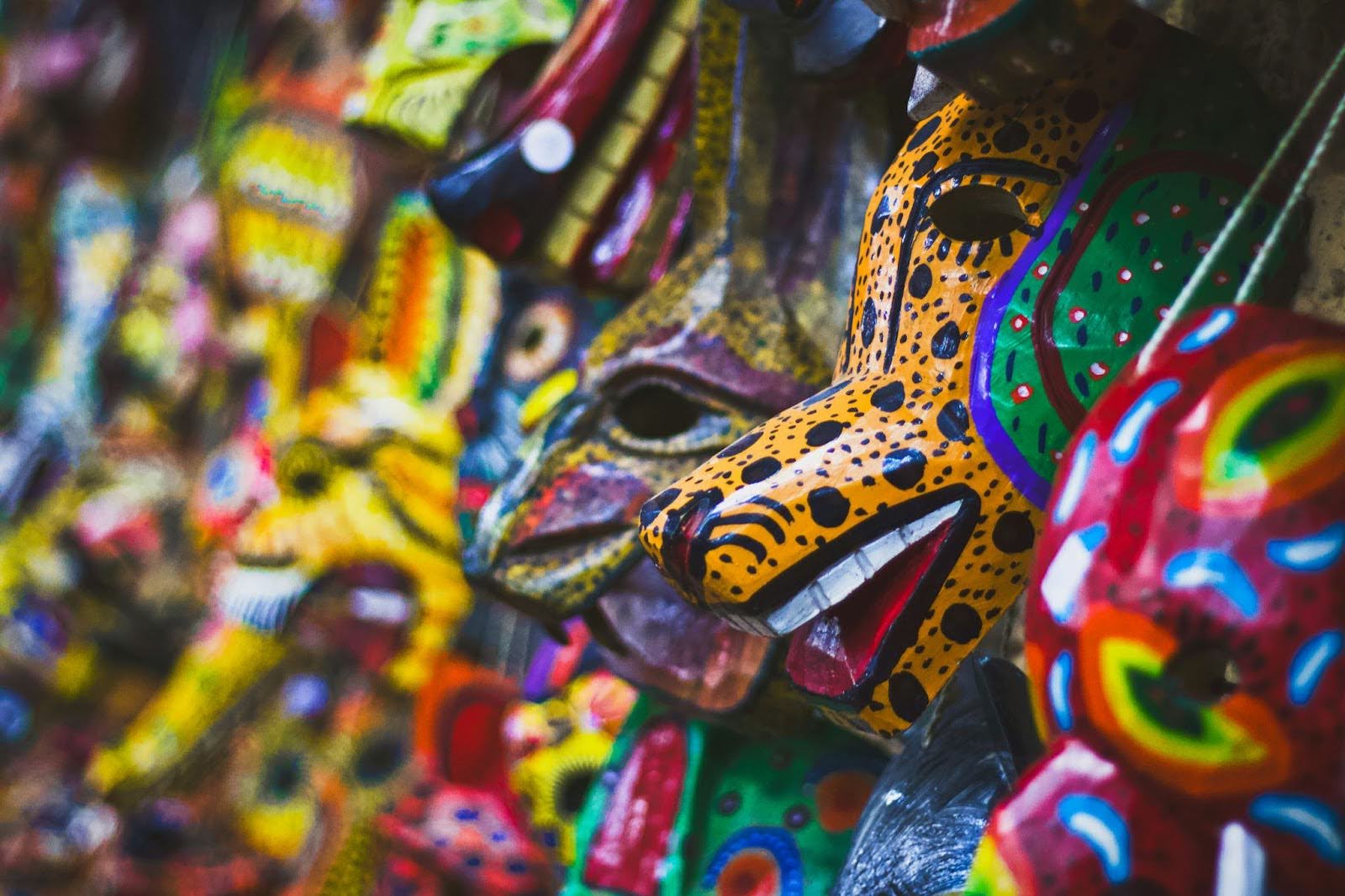
- Vibrant Markets: Immerse yourself in the lively atmosphere of local markets, like the Chichicastenango Market, where vendors sell a dazzling array of traditional textiles, handicrafts, and everyday goods. Practice your Spanish and respectfully bargain for unique souvenirs.
- Culinary Adventures: Embark on a culinary journey through Guatemala’s regional specialties. Savor the flavors of pepian, a rich meat stew with Maya roots, sample tamales wrapped in banana leaves, and indulge in fresh tropical fruits. Ask about cooking classes for a hands-on immersion.
The Importance of Cultural Sensitivity
- Learn Basic Spanish: Even a few basic phrases in Spanish demonstrate effort and foster warmer interactions. “Buenos días” (good morning) and “gracias” (thank you) go a long way.
- Dress Code: Guatemala generally has a more modest dress code. Pack clothing that covers shoulders and knees for visiting churches or rural villages.
- Be Patient: Things might move at a different pace than you’re accustomed to. Expect delays, embrace flexibility, and appreciate the focus on human interaction.
- Photography: Always ask permission before photographing people, especially in traditional villages and during ceremonies.
- Support Local Artisans: Seek ethically produced handicrafts directly from makers, ensuring fair compensation and contributing to the local economy.
Top Destinations for Cultural Exploration
Guatemala boasts diverse landscapes and destinations, allowing you to tailor your cultural experiences to fit your interests and time constraints. Here are some top choices:
- Antigua, Guatemala: This charming colonial city offers an abundance of historical sites, language schools, and cultural activities. Visit grand cathedrals like the Antigua Cathedral, explore plazas lined with colorful facades, and browse artisanal shops. It is ideal as a base for shorter excursions.
- Lake Atitlán is surrounded by volcanoes and traditional Maya villages like San Juan La Laguna, Santiago Atitlán, and San Pedro. Explore by boat, visit weaving cooperatives, hike for scenic views, and soak in the stunning scenery. Villages differ in atmosphere, catering to a range of preferences.
- Flores & Tikal: Flores is the gateway to the iconic Tikal ruins, a smaller, relaxed town with a friendly atmosphere. Tikal, immersed in the jungle, allows you to climb towering pyramids, explore ancient palaces, and witness the grandeur of this epic Maya city.
- Chichicastenango: Renowned for its extensive market, particularly lively on Thursdays and Sundays. Observe the blend of Maya and Catholic traditions at the Santo Tomás Church, browse textiles and handicrafts, and respectfully witness this colorful explosion of cultural vibrancy.
- Livingston: On the Caribbean Coast offers a unique Garifuna cultural experience with distinct African and Caribbean influences. Enjoy beaches and boat tours, explore the Río Dulce (Sweet River), immerse in lively Garifuna music, and savor seafood dishes with a Caribbean twist.
- Quetzaltenango (Xela): Guatemala’s second-largest city, Xela, has a highland atmosphere surrounded by mountains and volcanos. Learn Spanish at one of the many language schools, experience a less touristy slice of Guatemalan life, and explore the neoclassical architecture of the city center.
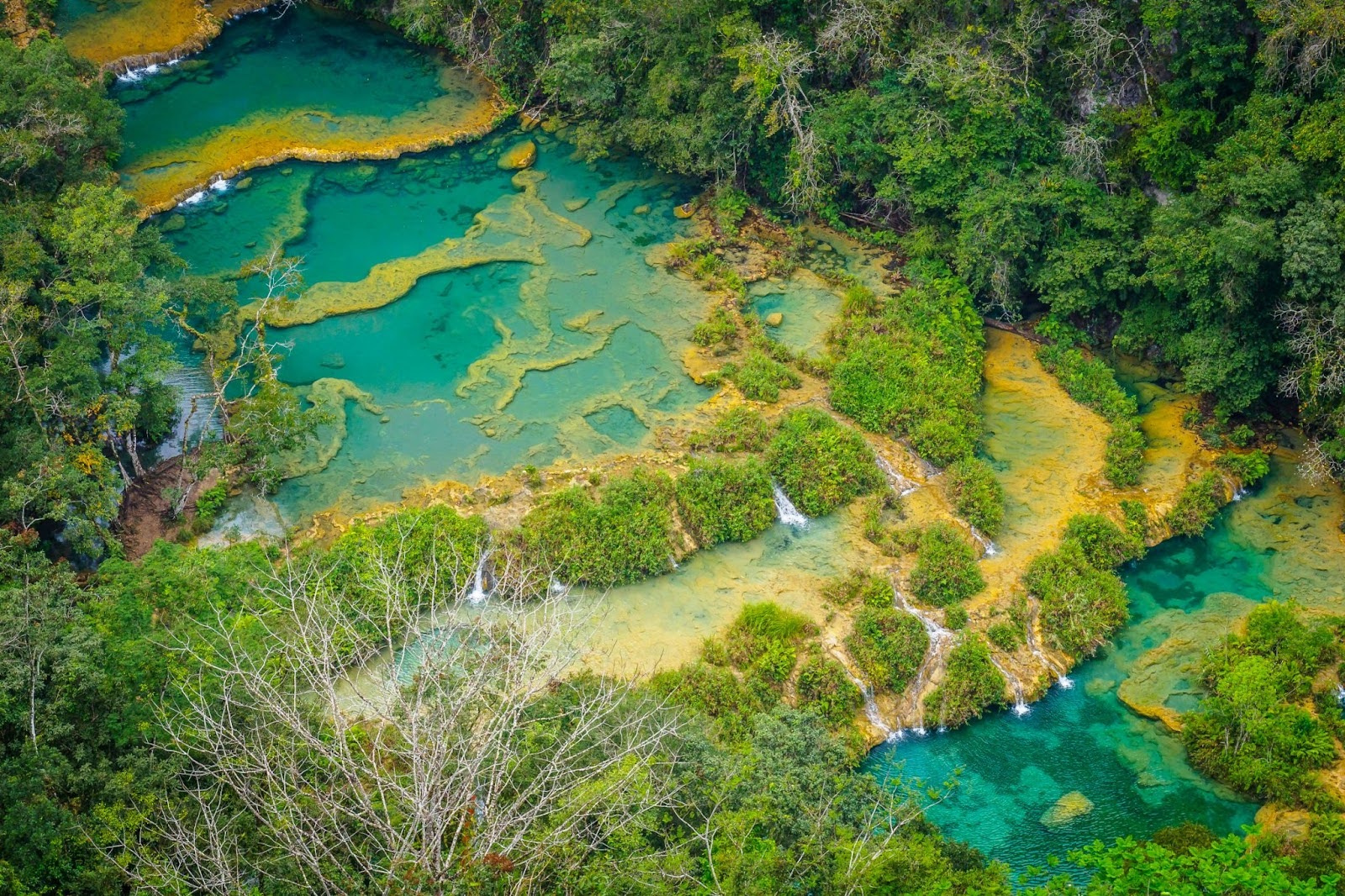
- Cobán & Semuc Champey: Cobán offers a glimpse into the heart of Guatemala’s coffee-growing region and serves as a base to reach the natural wonder of Semuc Champey. Here, witness tiered turquoise pools and a dramatic limestone bridge created by the river flowing beneath.
- Rio Dulce: This scenic river winds through verdant canyons on its way to the Caribbean Sea. Take boat tours along its shores, spot wildlife like manatees and herons, and explore Castillo de San Felipe, a riverside fort from the colonial era.
- Monterrico: On the Pacific Coast, Monterrico offers black sand beaches and a wild, natural experience. Observe sea turtle nesting and release programs (at specific times of year), enjoy boat safaris through mangrove forests, and experience a different, less-visited coastal environment.
- Solola Market: While not a town, this massive market held on Fridays and Tuesdays draws indigenous Maya vendors from the surrounding region. It’s less frequented by tourists, offering immersion into authentic market life and a chance to witness the dazzling array of produce, textiles, and goods for sale.
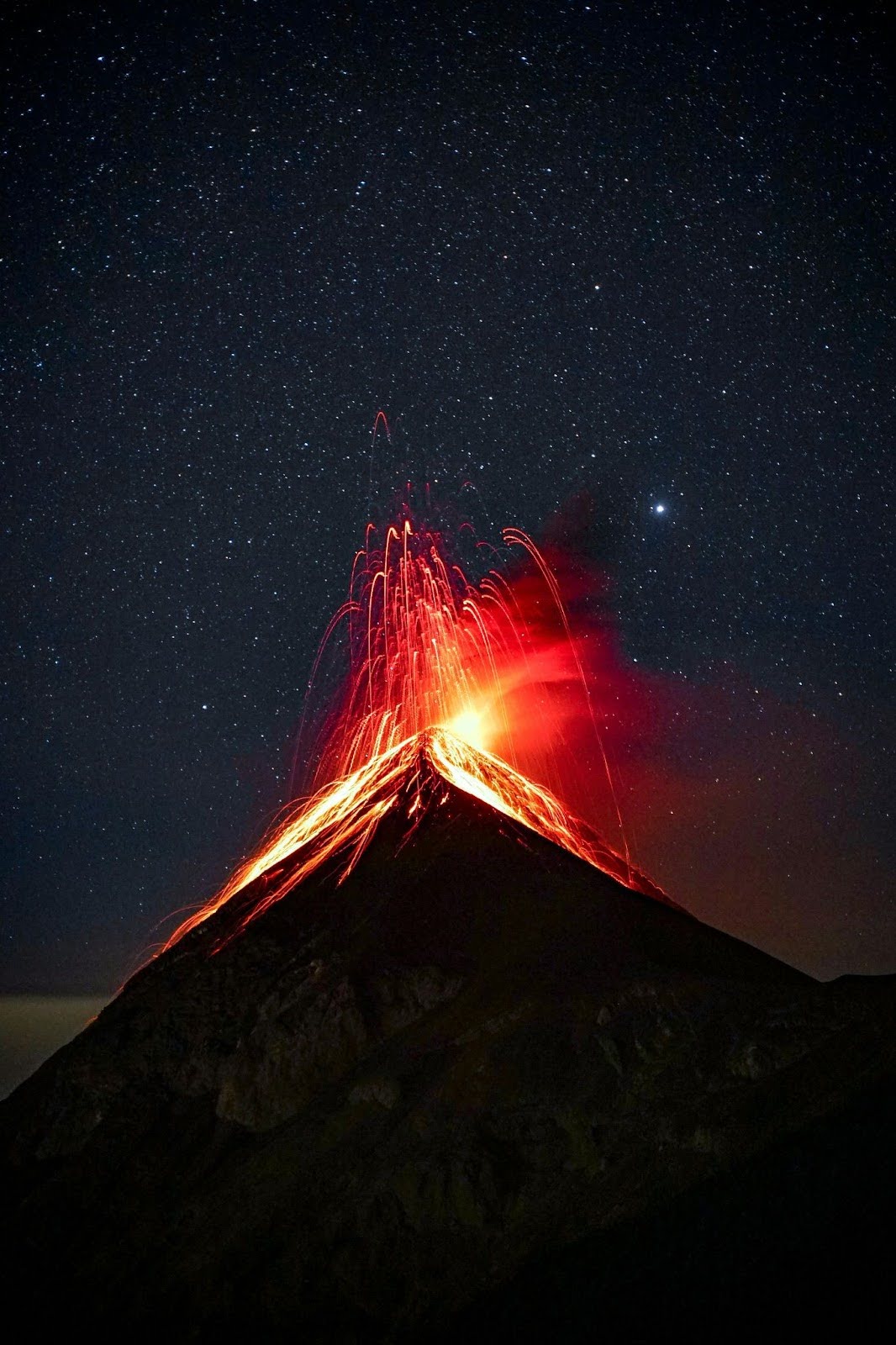
- Hiking & Volcanoes: Guatemala boasts over 30 volcanoes, offering hiking possibilities to suit ambitions, from gentle day hikes to overnight volcano climbs. Acatenango, with views of erupting Fuego, is a popular and challenging choice. Consult reputable local guides for safe and supported experiences.
Important Note: These are just a few examples. Guatemala’s richness means there are many more villages, natural wonders, and cultural experiences to discover. Your ideal itinerary depends on your priorities, available time, and how you balance medical appointments with explorations.
Guatemala offers a unique blend of healing potential. By combining access to quality medical care with a journey through its captivating culture, natural beauty, and wellness offerings, your medical tourism experience becomes transformative— fostering not only physical healing but a deeper understanding and a broader perspective.