Seeking Affordable Care in Paradise: A Guide to Medical Tourism in Costa Rica
Pura Vida! Nestled in lush Central America, Costa Rica has become a global leader in medical tourism, attracting patients from around the world seeking high-quality, affordable healthcare in a stunning natural setting. This burgeoning trend is driven by skyrocketing healthcare costs in many countries, coupled with Costa Rica’s advanced medical infrastructure, internationally accredited facilities, and renowned hospitality.
Whether you’re considering dental procedures, vision correction surgery, or other specialized treatments, Costa Rica offers a compelling alternative. This article delves into the benefits, considerations, and essential information you need to know about embarking on your medical tourism journey in the heart of Costa Rica.
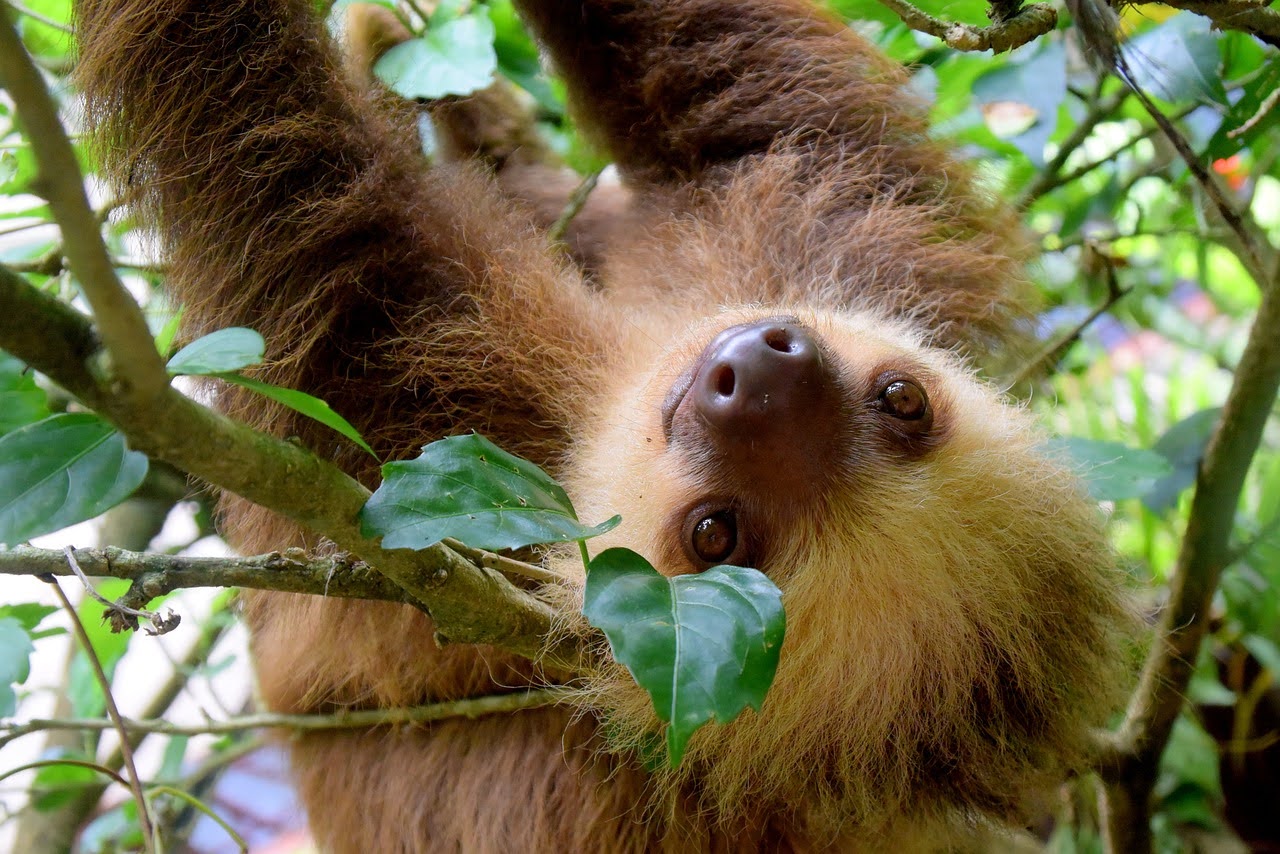
Get ready to explore the intersection of healthcare excellence, affordability, and breathtaking natural beauty.
If this is your first time exploring medical tourism, you no doubt have questions, and we are here to help you find answers.
How much money can I save with medical tourism in Costa Rica?
Can I find the same quality of care in Costa Rica as I would at home?
What kinds of procedures are most common for medical tourists in Costa Rica?
Costa Rica caters to a wide range of medical tourism needs. Popular choices include dental work (implants, veneers, crowns), vision correction surgery (LASIK, cataracts), and various surgeries like orthopedics (hip and knee replacements), bariatrics (gastric bypass, sleeve gastrectomy), and cosmetics (liposuction, rhinoplasty/nose-job, breast augmentation).
For a complete list of medical tourism procedures Costa Rica is known for, see Costa Rica’s Diverse Landscape of Medical Tourism Procedures
Is traveling to Costa Rica safe?
Do doctors in Costa Rica speak English?
Yes! English is widely spoken in tourist areas, especially in medical facilities that cater to international patients. You’ll likely have no trouble communicating with doctors and staff.
Will my health insurance cover a procedure in Costa Rica?
Typically, no. Traditional US health insurance plans rarely cover medical tourism procedures; however, provider websites may list if your particular insurance is covered. You’ll need to explore specialized medical tourism insurance or financing options to secure coverage.
For more information on finding the medical insurance plan that right for you, see Finding The Right Insurance for Your Medical Tourism Adventure
What if complications arise after I return home?
Before committing to a procedure, research the facility’s policies regarding complications. Consider purchasing medical tourism insurance for added protection in case any unexpected issues arise after returning home.
Are there any special considerations I need to make for travel to Costa Rica?
US citizens enjoy visa-free travel to Costa Rica for tourism or business stays up to 90 days, but must have a valid passport (ideally with at least one-month validity beyond their trip) and may need to show proof of onward travel plans.
The Center for Disease Control (CDC) recommends the following vaccinations in addition to the standard vaccines:
- Hepatitis A: This vaccine protects against a liver infection caused by contaminated food or water. It’s strongly recommended for all travelers to Mexico.
- Typhoid: This vaccine protects against a bacterial infection caused by contaminated food or water. Consider getting vaccinated, especially if you’ll be visiting rural areas or staying for longer periods.
How do I find a reputable medical tourism provider in Costa Rica?
Look for facilities with JCI accreditation, an internationally recognized symbol of excellence in healthcare. Research doctor qualifications and patient reviews to ensure you choose an experienced and well-regarded provider.
For more information on finding a reputable medical tourism provider, see Medical Tourism: 10 Tips to Finding a Trusted Provider
Why is Costa Rica a top choice for Americans seeking procedures abroad?
As compared to rising healthcare costs and long wait times in the US, Costa Rica offers a compelling combination of affordability, high-quality care, and a breathtaking natural environment. This makes it an attractive option for Americans seeking medical procedures abroad.
Are there any cultural considerations I need to know about before planning my trip, and what should I do when my procedure is complete?

Why Costa Rica Beckons Americans Seeking Affordable Healthcare
For many Americans facing skyrocketing healthcare costs and long wait times, seeking medical care abroad has become a viable option. Among the top destinations, Costa Rica stands out as a leader in medical tourism, attracting patients from across the US for a compelling reason: affordability.
Compared to the US, medical procedures in Costa Rica can offer significant savings, often reaching 50-70%. This price difference is fueled by factors like lower operating costs, a favorable exchange rate, and lower malpractice insurance premiums. Additionally, many hospitals in Costa Rica are internationally accredited, ensuring high-quality care at a fraction of the price Americans might face back home. This combination of affordability and quality makes Costa Rica an attractive and accessible option for Americans seeking medical procedures, allowing them to prioritize both their health and their wallet.
Cost of Medical Tourism Procedures in Costa Rica
Just how much can you save by scheduling your medical procedure in Costa Rica? The answer may shock you. Here are the comparisons of the top 20 medical tourism procedures that Americans traveling to Costa Rica receive:
| Procedure | Average Cost in the US (USD) | Average Cost in Costa Rica (USD) | Potential Savings |
|---|---|---|---|
| Hip Replacement | $30,000 - $60,000 | $12,000 - $18,000 | 50% - 70% |
| Knee Replacement | $35,000 - $55,000 | $12,000 - $18,000 | 60% - 70% |
| Gastric Bypass Surgery | $25,000 - $35,000 | $8,000 - $12,000 | 60% - 70% |
| Gastric Sleeve Surgery | $20,000 - $30,000 | $6,000 - $10,000 | 50% - 70% |
| Heart Valve Replacement | $150,000 - $180,000 | $25,000 - $40,000 | 70% - 80% |
| Spinal Fusion | $100,000 - $150,000 | $20,000 - $30,000 | 75% - 80% |
| Coronary Angioplasty | $25,000 - $40,000 | $8,000 - $15,000 | 50% - 70% |
| Breast Augmentation | $7,000 - $12,000 | $3,500 - $6,000 | 40% - 60% |
| Rhinoplasty (Nose Job) | $8,000 - $15,000 | $3,000 - $5,000 | 50% - 70% |
| Facelift | $10,000 - $15,000 | $4,000 - $7,000 | 50% - 65% |
| Liposuction | $6,000 - $10,000 | $2,500 - $5,000 | 50% - 65% |
| Dental Implant (Single Tooth) | $3,000 - $5,000 | $1,000 - $2,000 | 50% - 70% |
| Veneers (per tooth) | $900 - $2,500 | $600 - $1,200 | 30% - 60% |
| LASIK (both eyes) | $4,000 - $6,000 | $1,500 - $3,000 | 50% - 65% |
| In Vitro Fertilization (IVF) | $15,000 - $25,000 | $5,000 - $9,000 | 55% - 70% |
| Hysterectomy | $10,000 - $20,000 | $4,000 - $7,000 | 50% - 70% |
| Cataract Surgery (per eye) | $3,000 - $6,000 | $1,500 - $3,000 | 50% - 60% |
| Root Canal | $1,000 - $2,000 | $300 - $600 | 50% - 70% |
| Bariatric Revision Surgery | $20,000 - $40,000 | $8,000 - $15,000 | 50% - 60% |
| Prostate Cancer Treatment (e.g., Brachytherapy) | $20,000 - $40,000 | $5,000 - $10,000 | 50% - 75% |
Approximate Travel Costs to Popular Costa Rican Destinations:
This table provides a general overview of estimated travel costs for a 5-day trip to some popular Costa Rican destinations. It is important to remember that prices can vary significantly depending on several factors, including:
- Travel dates (peak season vs. off-season)
- Flight and accommodation choices (luxury vs. budget)
- Activities and transportation preferences
- Exchange rate fluctuations
It’s crucial to conduct research and compare prices before booking your trip to get the most accurate estimates for your specific plans.
| Destination | Estimated Flight Cost (USD) | Estimated Accommodation Cost (USD/night) | Estimated Food Cost (USD/day) | Estimated Transportation Cost (USD/day) |
|---|---|---|---|---|
| San José | $400 - $800 | $50 - $150 | $20 - $50 | $10 - $20 |
| Arenal Volcano Area | $400 - $800 | $75 - $200 | $25 - $60 | $15 - $25 |
| Manuel Antonio National Park | $400 - $800 | $100 - $300 | $30 - $70 | $20 - $30 |
| Tamarindo | $400 - $800 | $75 - $250 | $25 - $60 | $15 - $25 |
| Puerto Viejo de Limon | $400 - $800 | $50 - $150 | $20 - $50 | $10 - $20 |
Additional Notes:
- These are round trip flight costs from major US cities.
- Accommodation costs are based on average prices for hotels and vacation rentals.
- Food costs vary depending on your dining habits (eating at restaurants vs. cooking your own meals).
- Transportation costs include local buses, taxis, or car rentals.
Remember: This is just a starting point for your budgeting. For a more accurate estimate of your travel costs, factor in your specific travel plans, preferences, and research current prices for flights, accommodation, and activities.
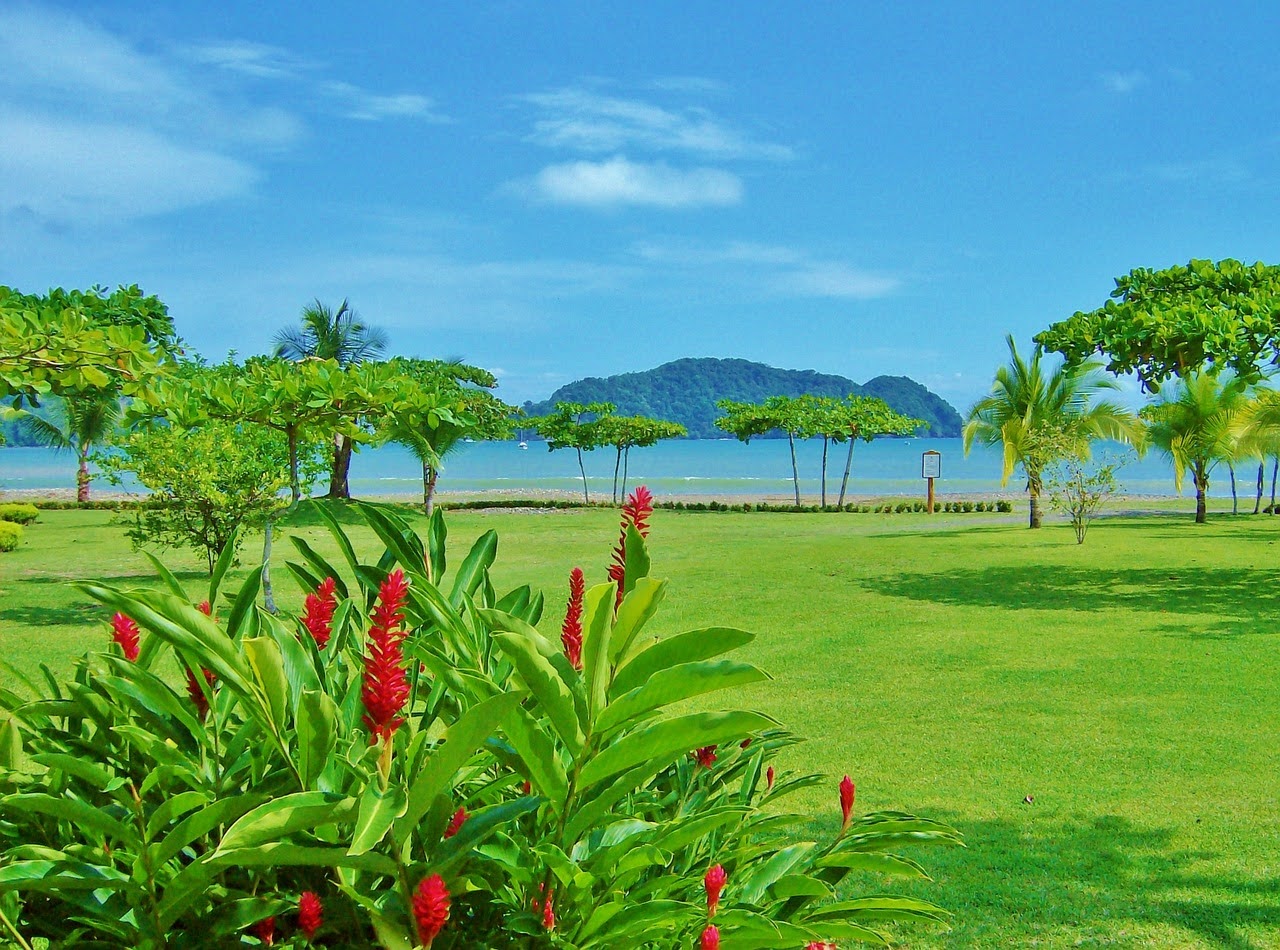
- Budget-friendly retreats: Starting around $1000-$1500 per person for a week-long stay, you’ll find comfortable accommodations, refreshing pools, and access to diverse dining options at 3 or 4-star resorts.
- Mid-range luxury: Upgrade your experience with larger rooms, premium amenities, and a wider variety of dining choices at 4 or 5-star resorts. Expect to pay $1500-$2500 per person for a week-long stay.
- Exclusive Indulgence: For the ultimate in pampering, consider premium packages starting at $2500+ per person. These luxurious retreats offer exclusive accommodations, personalized service, top-shelf beverages, and unparalleled tranquility amidst breathtaking natural landscapes.
- Guanacaste: This sun-drenched province boasts stunning beaches, lush rainforests, and volcanic wonders. Popular all-inclusive destinations include Tamarindo, Playa Conchal, and Flamingo Beach.
- Puntarenas: Nestled on the Pacific Coast, Puntarenas offers a vibrant atmosphere, beautiful beaches, and proximity to Manuel Antonio National Park. Explore all-inclusive options in Jaco and Playas del Coco.
- Arenal Volcano Area: Immerse yourself in the dramatic scenery of the Arenal Volcano region. All-inclusive resorts near La Fortuna offer thermal hot springs, nature trails, and breathtaking views.
- Research thoroughly: Compare different resorts based on location, amenities, reviews, and your specific needs.
- Consider travel season: Prices may fluctuate depending on the peak season or off-season.
- Factor in additional expenses: While all-inclusive packages cover most essentials, you may need to budget for transportation between the airport and resort, souvenirs, or optional excursions.
Costa Rica's Enduring Appeal in Medical Tourism: Quality, Sustainability, and Natural Beauty
While affordability has long been a driving force for medical tourism in Costa Rica, the country’s healthcare system continues to solidify its reputation for quality, sustainability, and a unique connection to nature. Here is why Costa Rica remains a compelling destination for patients seeking world-class medical care:

A Commitment to Quality and Excellence
- Internationally Accredited Facilities: Many hospitals and clinics in Costa Rica boast prestigious accreditations such as the Joint Commission International (JCI), signifying adherence to rigorous international standards for patient safety and quality care.
- Highly Qualified Professionals: Costa Rica enjoys a long-standing tradition of producing skilled medical professionals. Many doctors and surgeons receive training abroad, bringing valuable global expertise back home. This, along with ongoing advancements in medical education, ensures a high caliber of care for patients.
- Advanced Technology: Medical facilities in Costa Rica are continuously adopting modern technologies and equipment, keeping pace with the evolving landscape of healthcare and offering patients access to the latest diagnostic and treatment options.
Sustainable Healthcare Practices
- Environmental Responsibility: Costa Rica is a global leader in sustainability, and this commitment extends to its healthcare system. Many hospitals and clinics prioritize eco-friendly practices, utilizing energy-efficient technologies and implementing sustainable waste management strategies.
- Holistic Approach: Costa Rica’s healthcare system often takes a holistic approach, emphasizing preventative care, wellness, and incorporating complementary therapies alongside traditional medicine. This focus on overall well-being resonates with patients seeking a comprehensive approach to their healthcare journey.
Immerse Yourself in Natural Splendor
- Recovery in Paradise: Beyond the exceptional medical care, Costa Rica offers a unique advantage – stunning natural beauty. Recovering patients can enjoy breathtaking landscapes, diverse ecosystems, and abundant outdoor activities, fostering a sense of rejuvenation and well-being.
- Stress-Free Environment: Whether relaxing on pristine beaches, exploring lush rainforests, or soaking in thermal hot springs, Costa Rica provides a serene and peaceful environment conducive to rest and recovery.
Leading Medical Facilities in Costa Rica
- Hospital Clínica Bíblica: Located in San José, Hospital Clínica Bíblica is a renowned JCI-accredited institution offering a wide range of specialties, including cardiology, oncology, and orthopedics.
- CIMA Hospital: Situated in San José, CIMA Hospital is another JCI-accredited facility known for its advanced technology and diverse medical expertise, including oncology, cardiology, and minimally invasive surgery.
- Clinica Adventista Hospital: This JCI-accredited hospital in San José offers a comprehensive range of services, including cardiovascular surgery, neurology, and pediatrics.
- Hospital La Católica: Located in San José, Hospital La Católica is a JCI-accredited facility recognized for its commitment to patient-centered care and offering specialties such as ophthalmology, orthopedics, and oncology.
- Acosta Hospital: Situated in San José, Acosta Hospital is a leading healthcare provider with JCI accreditation, specializing in areas like cardiology, oncology, and orthopedics.
Choosing Costa Rica for your medical tourism journey offers a unique blend of quality care, sustainable practices, and the opportunity to reconnect with nature, ultimately fostering a holistic and enriching experience.
Costa Rica's Diverse Landscape of Medical Tourism Procedures
Costa Rica’s reputation in medical tourism extends beyond its stunning scenery and sustainability efforts. The country boasts a diverse range of medical procedures performed by highly skilled professionals using modern technology, attracting patients seeking affordable, high-quality care. Let us explore some of the areas where Costa Rica’s medical expertise shines:

Specialization Highlights
- Orthopedic Surgery: Costa Rica is a leading destination for orthopedic surgeries, including hip and knee replacements, spinal surgeries, and sports medicine. Surgeons here are renowned for their expertise in minimally invasive techniques, leading to faster recovery times and less discomfort.
- Cosmetic Surgery: Seeking a rejuvenation experience? Costa Rica offers a wide range of cosmetic procedures like facelifts, rhinoplasty (nose jobs), breast augmentation and lifts, liposuction, and tummy tucks. The country attracts patients with its skilled surgeons and competitive costs compared to other developed nations.
- Dental Procedures: From dental implants and veneers to crowns, bridges, and root canals, Costa Rica offers comprehensive dental services at affordable prices. Many clinics and hospitals prioritize advanced technology and patient comfort, ensuring an anxiety-free experience.
- Bariatric Surgery: Struggling with weight management? Costa Rica offers various bariatric procedures, including gastric bypass, sleeve gastrectomy, and gastric balloon placement. These procedures are performed by experienced surgeons using advanced techniques, providing patients with effective weight loss solutions.
- Cardiology: Cost savings and access to advanced cardiac care attract many patients to Costa Rica. The country offers procedures like heart valve replacements and coronary angioplasty, performed by skilled cardiologists using state-of-the-art equipment.
- Fertility Treatments: Facing fertility challenges? Costa Rica provides in vitro fertilization (IVF) and other fertility treatments at competitive costs. These procedures are conducted under the supervision of experienced fertility specialists, offering hope to couples seeking to build their families.
Additional Specialties:
- Ophthalmology: Costa Rica is gaining recognition for advanced ophthalmic procedures like LASIK eye surgery and cataract surgeries, offering patients improved vision at affordable costs.
- Oncology: While not its primary focus, Costa Rica provides access to certain oncological treatments, potentially offering a cost-effective option for some patients.
- Wellness and Preventive Care: Beyond specialized procedures, Costa Rica emphasizes preventive care and holistic wellness. Many medical facilities offer personalized wellness programs incorporating healthy habits, stress management, and natural therapies alongside traditional medicine.
Remember, this is not an exhaustive list, and it’s crucial to conduct thorough research to determine the specific procedures and providers best suited to your individual needs. By exploring the diverse medical offerings, Costa Rica empowers patients to find a combination of quality care, affordability, and a unique cultural experience.
Traditional Healing Practices in Costa Rica: A Journey Beyond Modern Medicine
Costa Rica, beyond its breathtaking landscapes and vibrant culture, harbors a rich tapestry of traditional healing practices. These practices, often passed down through generations, offer a unique perspective on health and well-being, complementing modern medicine and creating a holistic approach to healing. Let us delve into some of these fascinating traditions:
- Hierbas (Herbal Remedies):
Costa Rica boasts a rich biodiversity, and its indigenous communities have harnessed the power of plants for centuries. Traditional healers, known as “curanderos,” utilize a vast array of Hierbas (herbs) to treat various ailments. From achiote for skin conditions to chan (guayaba) for diarrhea, these remedies showcase the deep connection between nature and well-being. Many households still maintain their own “huertos medicinales” (medicinal gardens) to cultivate these natural remedies.
- Rezando (Spiritual Healing):
Traditional healing in Costa Rica often incorporates spiritual elements. “Rezado” (praying) is a common practice, where prayers are offered for healing, protection, and guidance. These prayers may be directed to specific saints, ancestors, or spirits believed to hold healing powers. This emphasis on the spiritual dimension of health reflects the belief in a connection between the physical and the non-material realms.
- Sobadas (Traditional Massages):
Similar to Mexico’s “sobadas,” Costa Rica boasts its own tradition of therapeutic massages. These “sobadas” utilize specific techniques and pressures to improve circulation, alleviate muscle tension, and promote overall well-being. Regional variations exist, such as the “sobada limonera” (lemon massage) known for its invigorating properties.
- Baños (Ritual Baths):
“Baños” (ritual baths) are deeply embedded in Costa Rican traditions and play a crucial role in cleansing and restoring balance. These baths often incorporate various elements like medicinal herbs, flowers, and specific prayers. They are used to address not only physical ailments but also emotional and spiritual imbalances.
- Huesos (Bone Setting):
A unique practice in Costa Rica is “Huesos” (bone setting). “Hueseros” (bone setters) utilize traditional techniques to manipulate bones, address misalignments, and promote healing after injuries. This practice, passed down through generations, requires a deep understanding of anatomy and specific manipulation methods.
It’s important to note that these traditional practices are not replacements for modern medicine. However, they offer valuable insights into alternative approaches to health and well-being, often focusing on prevention, holistic healing, and a deep connection with nature. While seeking medical advice, it’s crucial to consult with licensed and qualified professionals to ensure safe and effective treatment.
Substance Use Disorder Treatment
Costa Rica, known for its stunning landscapes and rich biodiversity, also offers a growing network of resources for individuals battling substance use disorder (SUD). While the path to recovery requires commitment and personalized care, Costa Rica’s combination of traditional treatment approaches and emerging therapies holds promise for many seeking help.
Traditional Treatment Programs:
- Detoxification: Medically supervised detox programs are available to manage withdrawal symptoms during the initial stages of recovery. These programs offer a safe and supportive environment while the body adjusts to the absence of substances.
- Residential Treatment (Rehab): Costa Rica provides structured live-in programs offering intensive therapy, counseling sessions, and support groups for individuals seeking a focused, immersive recovery experience. These facilities often incorporate holistic elements like yoga, meditation, and mindful practices alongside traditional therapy approaches.
- Outpatient Services: For individuals requiring less intensive support, outpatient programs offer access to therapy and counseling while maintaining their usual routines and responsibilities. This flexibility allows for continued participation in work, family life, and other commitments while receiving essential support.
- Support Groups: Costa Rica boasts a growing network of peer support groups, like Alcoholics Anonymous (AA) and Narcotics Anonymous (NA). These groups provide a safe space for individuals to connect with others facing similar challenges, share experiences, and offer encouragement and accountability.
Emerging Therapies:
While still in its early stages, Costa Rica is witnessing an increase in holistic and alternative therapies alongside traditional approaches. Some facilities explore the potential of these therapies in conjunction with established treatment methods, but it’s crucial to note that these are not replacements for evidence-based treatment. It’s vital to prioritize licensed and qualified professionals who offer these therapies within an ethical and medically supervised environment.
Important Considerations:
- Conduct thorough research: Before choosing a treatment facility, ensure it operates legally ethically, and offers evidence-based treatment methods alongside any alternative therapies.
- Verify credentials: Always inquire about the qualifications and experience of the medical professionals and therapists at the facility.
- Consider individual needs: Tailor your search to centers specializing in treating your specific substance dependence and offering therapeutic approaches that align with your preferences.
- Cost and accessibility: Factor in the financial aspects and ease of travel when deciding.
Disclaimer: This article provides a general overview and is not a substitute for professional medical advice. Always consult with a healthcare professional and conduct thorough research on any treatment facility before making any decisions.

Wellness Retreats
Costa Rica, synonymous with breathtaking landscapes and rich biodiversity, has emerged as a leading destination for wellness retreats. Offering a diversity of experiences tailored to individual needs, these retreats provide a holistic approach to rejuvenation, allowing you to reconnect with yourself amidst stunning natural beauty.
- Yoga & Meditation Retreats: Immerse yourself in the serenity of Costa Rica’s rainforests or beachfront locations while practicing traditional yoga postures, guided meditation, and breathwork techniques. These retreats cater to all levels, fostering inner peace and mindfulness. Prices typically start around $180 per night.
- Holistic Retreats: Embark on a journey of holistic rejuvenation that nourishes your mind, body, and spirit. These retreats offer a comprehensive approach, often incorporating spa treatments, yoga and meditation sessions, healthy and delicious meals, fitness classes, and nature walks. Expect prices to range from $250 to $500 per night.
- Adventure & Nature Retreats: Reconnect with nature and awaken your adventurous spirit. Explore Costa Rica’s diverse landscapes by hiking volcanic peaks, white-water rafting, surfing along pristine coastlines, and ziplining through lush rainforests, all while incorporating elements of mindfulness and self-discovery. Prices generally fall within the $200 to $450 per night range.
- Detox & Cleansing Retreats: Recharge and revitalize your body with specialized programs designed to support detoxification. These retreats may involve juice cleanses, specialized diets, yoga practices, and rejuvenating spa treatments. Prices typically range from $280 to $550 per night.
Spiritual Retreats: Immerse yourself in the rich cultural heritage of Costa Rica and explore various spiritual practices. These retreats might incorporate elements like yoga, meditation, sweat lodge ceremonies, energy work, and visits to sacred sites, fostering a deeper connection to yourself and the world around you. Prices can range from $150 to $350 per night.
Unique Costa Rican Experiences:
- Indigenous Wellness Practices: Many retreats integrate elements of traditional Costa Rican healing wisdom, including herbal remedies, “limpias” (cleansing rituals), and energy work, offering a unique cultural perspective on well-being.
- Rainforest Immersion: Embrace the serenity and vitality of Costa Rica’s lush rainforests. Many retreats are nestled amidst this vibrant ecosystem, allowing you to reconnect with nature and experience the tranquility of the rainforest environment.
- Sustainable Practices: Costa Rica’s commitment to sustainability extends to many wellness retreats, incorporating eco-friendly practices and utilizing locally sourced ingredients. This allows you to contribute to responsible tourism while enjoying your retreat experience.
Finding Your Perfect Retreat:
- Identify Your Goals: Define your desired outcomes. Are you seeking relaxation, stress reduction, physical activity, spiritual exploration, or a combination of these?
- Explore Locations: Consider the type of environment that resonates with you – whether it’s the tranquility of the rainforest, the energy of the coastline, or the peacefulness of the mountains.
- Research Retreats: Many retreat centers have detailed websites showcasing their programs, schedules, amenities, and philosophies.
- Read Reviews: Gain valuable insights from past guests and their experiences to help you make an informed decision.
Important Note: It is crucial to approach traditional practices with respect and consult qualified practitioners. While some remedies may have historical use, prioritizing evidence-based treatment methods and consulting medical professionals for proper diagnosis and care is essential.
By venturing into Costa Rica’s diverse portfolio of wellness retreats, you can embark on a transformative journey of self-discovery, rejuvenation, and connection with nature, leaving you feeling revitalized and ready to embrace a healthier, happier life.
Is Traveling to Costa Rica for Medical Tourism Safe?
Costa Rica, with its lush rainforests, stunning beaches, and friendly locals, is a popular destination for travelers worldwide. But, like any travel destination, it’s wise to be aware of potential safety concerns and take precautions to ensure a smooth and enjoyable trip.
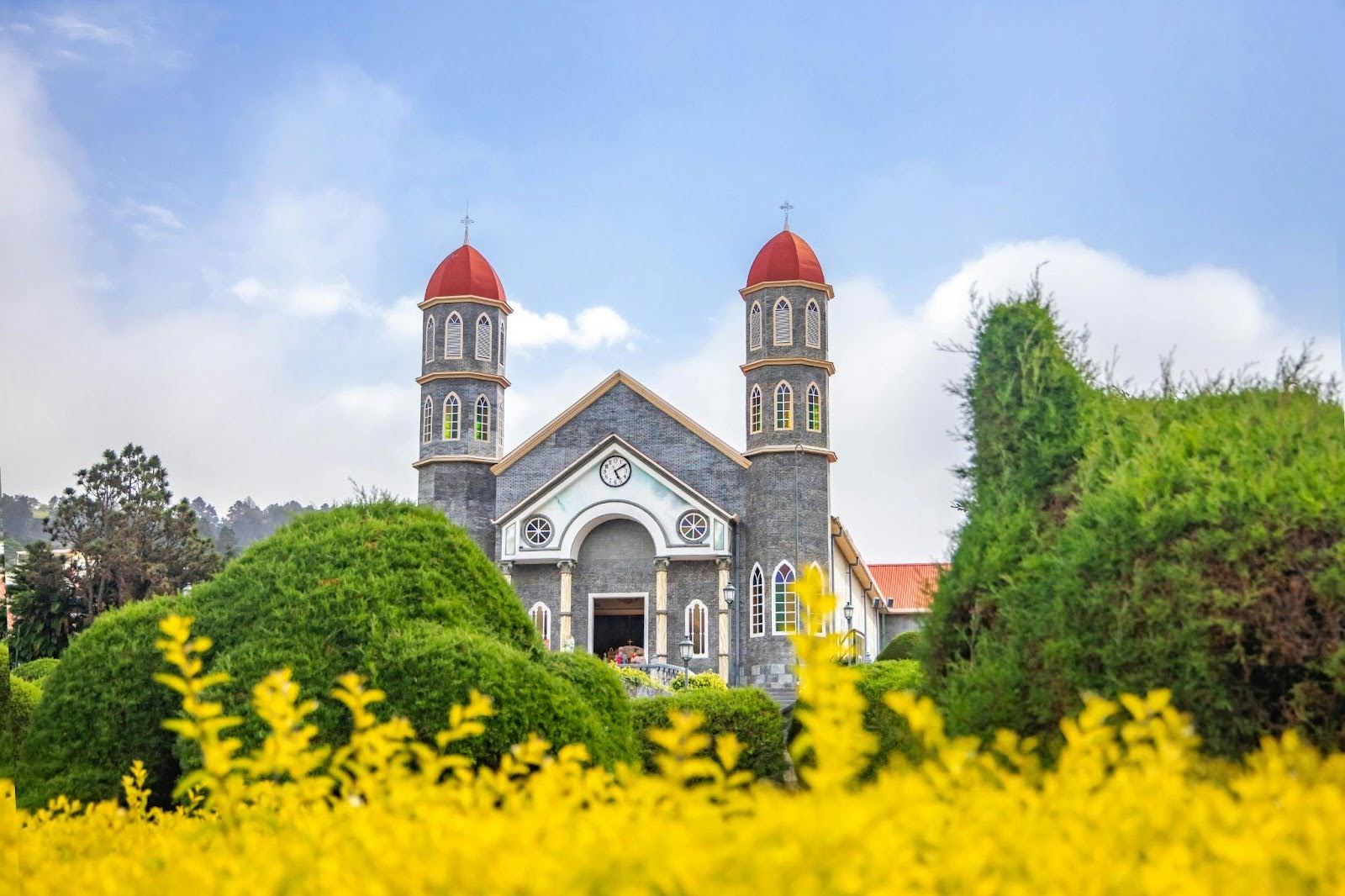
Dispelling the Myths
Myth 1: Costa Rica is a dangerous country.
Costa Rica is generally considered a safe country for tourists, with a lower crime rate than many other countries in Central and South America.
Myth 2: You'll be targeted as a tourist.
While petty theft and scams can occur anywhere, including Costa Rica, tourists are not typically targeted for violent crime.
Myth 3: The food and water are unsafe.
Most restaurants in tourist areas serve safe food and beverages. However, it’s always a good idea to use your best judgment and avoid street vendors if you have any concerns. Bottled water is recommended, especially for those with sensitive stomachs.
Myth 4: You need to speak Spanish fluently.
While knowing some basic Spanish phrases can be helpful, English is widely spoken in tourist areas.
Safety Concerns
- Petty theft and scams: Pickpocketing and minor scams can occur in crowded areas, especially in tourist destinations.
- Road safety: Road conditions in Costa Rica can vary, and some drivers may not follow traffic laws strictly. Be cautious when driving or riding in a vehicle.
- Natural disasters: Costa Rica is prone to earthquakes, volcanic eruptions, and floods. It’s important to be aware of the potential for these events and to follow the advice of local authorities if necessary.
Safety Tips
- Be aware of your surroundings: Pay attention to your belongings, especially in crowded places.
- Don’t carry large sums of cash: Use ATMs or credit cards whenever possible.
- Take taxis from reputable companies: Avoid getting into unmarked taxis or rideshares.
- Be cautious when swimming in the ocean: Only swim at beaches with lifeguards present and be aware of rip currents.
- Purchase travel insurance: This will help cover medical expenses, trip cancellations, and other unforeseen events.
Staying Safe in Popular Tourist Destinations
- San José: The capital city is generally safe, but be cautious in areas outside the main tourist districts, especially at night.
- Arenal Volcano: This popular tourist destination is safe, but be aware of the potential for volcanic activity.
- Manuel Antonio National Park: This park is known for its beautiful beaches and wildlife, but be mindful of your belongings and avoid swimming in areas with strong currents.
- Puerto Viejo: This laid-back beach town is generally safe, but petty theft can occur. Be sure to secure your belongings.
- Monteverde Cloud Forest: This cloud forest reserve is a great place to go hiking and wildlife watching, but be aware of the potential for slippery trails and sudden weather changes.
By following these tips and using common sense, you can help ensure a safe and enjoyable trip to Costa Rica.
Important Note: It is always advisable to check the latest travel advisories for Costa Rica from your government’s foreign affairs office before you travel.
Beyond Treatment: Costa Rica's Cultural and Additional Benefits
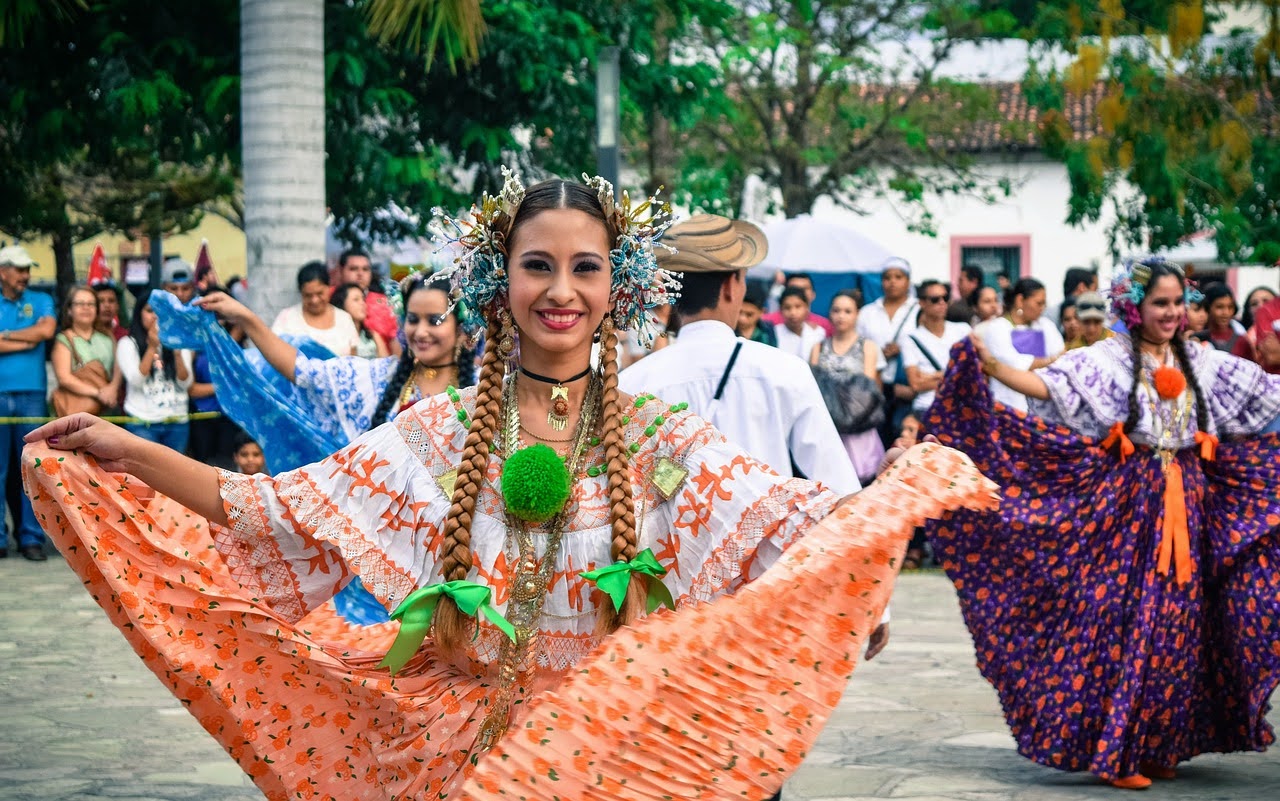
Cultural Gems:
- Indigenous Heritage: Explore the legacy of indigenous tribes through pre-Columbian artifacts, captivating folklore, and traditional crafts. Immerse yourself in the rich history and diverse cultural expressions of Costa Rica’s indigenous communities.
- Spanish Colonial Influence: Marvel at the architectural wonders remaining from the colonial era, evident in historical cities like Cartago and Heredia. These historical sites offer a glimpse into Costa Rica’s past and showcase the influence of Spanish colonialism.
- Vibrant Art Scene: Immerse yourself in Costa Rica’s thriving art scene, characterized by colorful street murals, contemporary galleries, and traditional craft markets. From intricate wood carvings to vibrant paintings, the country’s artistic spirit shines through.
Delighting the Palate: Embark on a culinary adventure and savor Costa Rican cuisine, known for its fresh, local ingredients and unique flavors. Sample traditional dishes like gallo pinto (rice and beans), casado (stew), and frescos (fruit smoothies), and discover the rich culinary tapestry of the country.

- Language Immersion: While English is spoken in tourist areas, learning some basic Spanish phrases can deepen your connection with the culture and enhance your overall experience.
- Ecotourism Paradise: Costa Rica is a haven for eco-tourism, offering a plethora of activities like hiking through rainforests, volunteering at wildlife sanctuaries, and exploring breathtaking national parks. Immerse yourself in the country’s stunning natural beauty and contribute to its commitment to sustainability.
- Adventure Awaits: From white-water rafting and volcano climbing to ziplining and surfing, Costa Rica caters to adventurous spirits seeking an adrenaline rush. Engage in thrilling activities amidst breathtaking landscapes and create lasting memories.
A Sustainable Choice:
Costa Rica prides itself on being a leader in sustainable practices. Choosing Costa Rica for medical tourism aligns with an environmentally conscious approach, contributing to the preservation of its natural wonders and supporting a nation dedicated to sustainability.
Making Informed Choices:
While Costa Rica presents an attractive option, it’s crucial to conduct thorough research, verify credentials, and prioritize licensed and qualified professionals. Additionally, seeking professional medical advice before venturing abroad for treatment is essential.
Beyond medical care, Costa Rica offers a captivating cultural tapestry, diverse activities, and a commitment to sustainability, making it a compelling and transformative destination for medical tourism. Remember, prioritizing informed decision-making ensures a safe and enriching experience in this unique tropical paradise.