
Medical Tourism in Argentina: Gaucho Country and Cutting-Edge Care
Top Questions for American Medical Tourists Considering Argentina
1. Are the costs significantly lower than in the US?
Medical procedures in Argentina can be 50-70% cheaper compared to the US, depending on the specific procedure and facility. However, factor in travel costs and potential additional expenses like post-operative care.
For a more in-depth look and pricing for different medical tourism procedures and cost of travel estimates, see Seeking Treatment, Finding Adventure: Why Americans are Turnings to Argentina for Medical Tourism
2. What is the quality of the healthcare facilities?
Many hospitals and clinics in Argentina are modern and well-equipped with advanced medical technology. Opt for facilities with international accreditation, such as JCI (Joint Commission International), for guaranteed quality standards.
For more information on the quality of care in Argentina, see Argentia’s Evolving Healthcare Landscape.
3. What types of medical procedures are popular in Argentina?
Argentina excels in various medical specialties, including:
- Cardiac surgery: Known for its skilled cardiovascular surgeons and advanced technology.
- Orthopedic surgery: Offers joint replacements, sports medicine procedures, and spinal surgery at competitive costs.
- Ophthalmology: Highly qualified ophthalmologists perform LASIK surgery, cataract surgery, and other procedures with advanced equipment.
- Dermatology: Offers various cosmetic and non-cosmetic dermatological procedures at affordable prices.
- Dentistry: Skilled dentists provide dental implants, crowns, veneers, and other procedures at a fraction of the cost in the US.
For a thorough analysis of different medical procedures Argentina specializes in, including traditional healing and wellness retreats, see Popular Medical Tourism Procedures in Argentina
4. Is medical tourism in Argentina safe?
Argentina boasts a well-established healthcare system with highly qualified medical professionals. Many hospitals and clinics are internationally accredited, ensuring adherence to rigorous safety standards. However, thorough research on specific facilities and procedures is crucial.
For more information on safety in Argentina, see Is Argentina Safe for American Medical Tourists?
5. Do doctors and staff speak English?
While Spanish is the primary language, hospitals and clinics catering to medical tourism often have staff fluent in English or offer translation services. It’s still beneficial to learn basic Spanish phrases for smoother communication.
6. Will my health insurance cover a procedure in Argentina?
Generally, traditional health insurance plans do not cover medical tourism. However, some specialized medical tourism insurance plans may offer coverage. Investigate medical tourism financing options or secure coverage specifically for international medical care. Often, if the provider takes US insurance, they will list it on their website.
For more information on finding the medical insurance plan that right for you, see Finding The Right Insurance for Your Medical Tourism Adventure
7. What about follow-up care after a procedure?
Your chosen facility should provide aftercare instructions and potential options within Argentina. Discuss how you’ll handle follow-up appointments and potential rehabilitation with your doctors both in Argentina and (if applicable) at home.
8. What if complications occur after I return home?
It’s important to understand the medical tourism facility’s policies and your options regarding malpractice insurance and post-procedure care. Before committing to a procedure, find out about potential avenues for addressing complications that might arise after returning home.
9. Are there any visa requirements for travel to Argentina?
Fortunately, Americans do not need a visa to visit Argentina for tourism or business purposes for stays up to 90 days.
Here is what you need:
- Valid Passport: Your US passport must be valid for at least six months beyond your intended departure date from Argentina.
- Proof of Onward Travel: You may be asked to show an onward or return ticket proving your plans to depart Argentina within the allotted time.
10. What are the vaccination requirements for travel to Argentina?
While there are no required vaccinations to enter Chile, one exception is the Yellow Fever vaccination, only if you’re arriving from a country with a risk of Yellow Fever transmission. Of course, this does not apply to the United States. The Centers for Disease Control and Prevention (CDC) recommends in addition to all routine vaccinations:
- Hepatitis A: Highly recommended for all travelers to Chile, as it’s transmitted through contaminated food and water.
- Hepatitis B: This vaccine protects against a liver infection through bodily fluids. Consider getting vaccinated if you plan on extended stays, have close contact with locals, or will receive medical care.
- Typhoid: Recommended, particularly if you’ll be visiting rural areas or where food and water safety might be less controlled.
11. How do I find a reputable medical tourism provider in Argentina?
Here are some essential tips:
Look for accreditations: Check if the facility is accredited by JCI or similar organizations.
Research doctors: Verify their qualifications, experience, board certifications, and patient reviews.
Testimonials and reviews: Seek out credible testimonials from past patients.
For more information on finding a reputable medical tourism provider, see Medical Tourism: 10 Tips to Finding a Trusted Provider
12. Are there any cultural considerations I need to know about before planning my trip, and what should I do when my procedure is complete?
Argentina has a unique and vibrant culture. Be mindful of customs, dress modestly in religious sites and rural areas, and learn a few basic Spanish phrases to enhance your experience.
Navigating a different culture can be one of the most enriching, yet sometimes challenging, aspects of travel. When visiting Argentina, understanding cultural considerations is key to creating a respectful and enjoyable experience. From concepts of time to traditions surrounding family and religion, Argentina’s vibrant culture offers a unique perspective.
For a in-depth look at cultural considerations and top tourist destinations, see Argentina: Beyond Medical Care – A Cultural Immersion Awaits

Seeking Treatment, Finding Adventure: Why Americans are Turning to Argentina for Medical Tourism
For many Americans, the rising cost of healthcare can be a significant burden. Seeking affordable medical care often leads them beyond US borders, and Argentina has emerged as a popular destination for medical tourism. This South American nation offers a compelling alternative, attracting Americans seeking high-quality medical procedures at a fraction of the cost they would face in the US.
Cost Savings: A Driving Force:
The primary allure of medical tourism in Argentina is the significant financial advantage. From cardiac surgery and orthopedic procedures to advanced dental work, the cost savings can be staggering. Procedures can be 50-70% cheaper compared to the US, a welcome relief for individuals facing high deductibles, limited insurance coverage, or uncovered treatments.

| Procedure | US Cost Range (USD) | Argentina Cost Range (USD) | Savings Range (USD) |
|---|---|---|---|
| Cardiac bypass surgery | $100,000 - $200,000 | $30,000 - $70,000 | $70,000 - $130,000 |
| Hip replacement surgery | $30,000 - $50,000 | $10,000 - $20,000 | $20,000 - $30,000 |
| Knee replacement surgery | $30,000 - $50,000 | $10,000 - $20,000 | $20,000 - $30,000 |
| LASIK eye surgery | $4,000 - $8,000 | $2,000 - $4,000 | $2,000 - $4,000 |
| Cataract surgery | $3,000 - $5,000 | $1,500 - $3,000 | $1,500 - $3,500 |
| Gastric sleeve surgery | $15,000 - $30,000 | $8,000 - $15,000 | $7,000 - $15,000 |
| Liposuction | $3,000 - $8,000 | $1,500 - $4,000 | $1,500 - $4,000 |
| Dental implants (per tooth) | $3,000 - $5,000 | $1,000 - $2,000 | $2,000 - $3,000 |
| Dental crowns (per tooth) | $1,000 - $2,000 | $500 - $1,000 | $500 - $1,500 |
| Cosmetic rhinoplasty (nose job) | $7,000 - $15,000 | $4,000 - $8,000 | $3,000 - $7,000 |
| Breast augmentation | $7,000 - $12,000 | $4,000 - $8,000 | $3,000 - $4,000 |
| Tummy tuck (abdominoplasty) | $8,000 - $15,000 | $5,000 - $10,000 | $3,000 - $5,000 |
| Spinal fusion surgery | $75,000 - $125,000 | $25,000 - $50,000 | $50,000 - $75,000 |
| In vitro fertilization (IVF) | $15,000 - $25,000 | $10,000 - $15,000 | $5,000 - $10,000 |
| Colonoscopy | $2,000 - $4,000 | $500 - $1,000 | $1,500 - $3,000 |
| Prostate cancer surgery | $15,000 - $30,000 | $10,000 - $20,000 | $5,000 - $10,000 |
| Blepharoplasty (eyelid surgery) | $3,000 - $5,000 | $1,500 - $3,000 | $1,500 - $2,000 |
| Gallbladder removal surgery | $10,000 - $15,000 | $5,000 - $8,000 | $5,000 - $7,000 |
| Tonsillectomy | $2,000 - $4,000 | $1,000 - $2,000 | $1,000 - $2,000 |
| Appendectomy | $5,000 - $10,000 | $2,000 - $5,000 | $3,000 - $5,000 |
| Bariatric revision surgery | $20,000 - $40,000 | $10,000 - $20,000 | $10,000 - $20,000 |
Cost of Travel to Consider for Medical Tourism in Argentina
- Costs can vary widely depending on the season, your travel style (budget, mid-range, luxury), and specific choices for accommodations and activities.
- Airfare prices depend highly on your departure location, travel dates, and booking time. These are rough estimates from major US cities for roundtrip flights.
- Accommodation prices vary widely. This chart assumes mid-range hotels.
- Daily Spending encompasses food, local transportation, and some activities. The range allows for flexibility in spending habits.
| Destination | Approx. Airfare (USD)* | Hotel/Night (USD) | Daily Spending (USD) | Weekly Spending (USD) |
|---|---|---|---|---|
| Buenos Aires | $700 - $1,200 | $80 - $200 | $50 - $120 | $350 - $840 |
| Bariloche | $800 - $1,300 | $100 - $250 | $60 - $150 | $420 - $1050 |
| Mendoza | $750 - $1,250 | $70 - $180 | $45 - $110 | $315 - $770 |
| Iguazu Falls | $850 - $1,400 | $90 - $220 | $55 - $130 | $385 - $910 |
| Cordoba | $700 - $1,100 | $60 - $160 | $40 - $100 | $280 - $700 |
All-Inclusive Options
Argentina offers all-inclusive resorts in some locations, particularly beach destinations. These can be a convenient option for medical tourists seeking a hassle-free experience. However, compared to Mexico, all-inclusive options are less prevalent and can be more expensive. Expect to pay a premium compared to booking flights and hotels separately.
Additional Considerations:
- Luxury Travel: Similar to Mexico, luxury accommodations, dining, and activities can significantly increase daily and weekly costs.
- Budget Travel: Staying in hostels, enjoying street food, and utilizing public transportation can significantly reduce daily costs.
- Package Deals: Bundling flights and accommodations might offer better overall rates, especially when booking through travel agencies specializing in medical tourism.
- Seasonality: Prices are generally higher during peak tourist seasons (summer months, December holidays) and may vary depending on specific events or festivals.
Remember:
- Conduct thorough research to find the best deals on flights and accommodations based on your travel dates and preferences.
- Factor in additional costs like travel insurance, visas (if required), local transportation beyond your accommodation, and any entertainment or activities you plan during your stay.
Argentina's Evolving Healthcare Landscape
Argentina boasts a long-standing reputation for its well-established healthcare system, historically attracting medical tourists seeking high-quality care at accessible costs. Similar to Mexico, Argentina has made significant strides in recent years to further strengthen its healthcare infrastructure and attract international patients.

Focus on Quality and Accreditation:
A hallmark of Argentina’s healthcare landscape is the emphasis on quality and patient safety. Many leading hospitals and clinics have attained prestigious international accreditations, such as the Joint Commission International (JCI) or the Canadian Institute for Health Information (CIHI). These accreditations signify adherence to rigorous international standards, fostering trust and confidence in the quality of care provided.
Modernization and Expertise:
Argentina has witnessed a surge in the development of modern medical facilities, particularly in major cities like Buenos Aires, Cordoba, and Mendoza. These facilities are equipped with advanced medical technology and staffed by highly qualified professionals. Many Argentine doctors and specialists receive training in renowned institutions worldwide, returning with expertise in various medical fields. This continuous emphasis on professional development has narrowed the gap in healthcare quality between Argentina and developed nations.
Renowned Medical Facilities
Argentina offers a diverse range of world-class medical facilities catering to various medical specializations. Here are a few of the leading institutions:
- Hospital Italiano de Buenos Aires: Established in 1857, this prestigious institution is renowned for its excellence in cardiology, oncology, and neurology. It holds JCI accreditation and attracts patients seeking advanced medical care.
- Fundación Favaloro: This specialized cardiovascular center, located in Buenos Aires, enjoys a distinguished reputation for cardiac surgery and interventional cardiology. It utilizes cutting-edge technology and boasts a team of highly trained specialists.
- FLENI (Instituto de Neurología FLENI): This leading neurological institute in Buenos Aires focuses on comprehensive neurological care, including diagnosis, treatment, and rehabilitation. It is recognized for its pioneering research and advanced treatment modalities.
- Hospital Universitario Austral: Located in Buenos Aires, this university hospital is known for its advanced technology and commitment to patient care. It offers a wide range of medical services, including oncology, orthopedics, and pediatrics.
- Hospital Alemán (Clinica Alemana): This prestigious facility in Buenos Aires provides high-quality care across various medical disciplines, including cardiology, oncology, and ophthalmology. It is known for its commitment to patient-centered care and international standards.

Popular Medical Tourism Procedures in Argentina
Argentina, with its established healthcare system and renowned medical expertise, attracts many international patients seeking high-quality procedures at competitive costs. While Argentina offers a diverse range of medical services, some procedures have emerged as particularly popular choices for medical tourists:
Cosmetic Surgery
Argentina has gained a reputation as a leading destination for cosmetic surgery, attracting patients seeking affordable yet high-quality procedures.
- Popular procedures: Facelifts, blepharoplasty (eyelid surgery), rhinoplasty (nose surgery), breast augmentation and lifts, liposuction, abdominoplasty (tummy tuck).
- Reasons for popularity: Experienced and qualified surgeons, modern facilities, and competitive pricing compared to developed nations.
Dental Procedures
Argentina is well-known for its skilled dentists and cost-effective dental care.
Popular procedures: Dental implants, veneers, crowns and bridges, root canals, and full mouth restorations.
Reasons for popularity: Advanced dental technology, highly trained dentists, and significant cost savings compared to many other countries.
Bariatric Surgery
Argentina offers affordable options for weight loss procedures, attracting patients seeking a solution to obesity and its associated health risks.
- Popular procedures: Gastric bypass, sleeve gastrectomy, gastric balloon (non-surgical option).
- Reasons for popularity: Experienced bariatric surgeons, modern facilities, competitive pricing compared to some developed countries.
Orthopedic Procedures
Argentina boasts skilled orthopedic surgeons and advanced technology, making it a compelling choice for various procedures.
- Popular procedures: Hip and knee replacements, sports medicine procedures.
- Reasons for popularity: Expertise in joint replacements, availability of specialized sports medicine care, competitive pricing.
Cardiology
Argentina offers advanced cardiac care at more affordable prices compared to some developed nations.
- Popular procedures: Heart valve replacements, coronary angioplasty.
- Reasons for popularity: Access to experienced cardiologists, modern technology in cardiac care, and potentially lower costs compared to some countries.
Other Specialties
Beyond the procedures mentioned above, Argentina attracts medical tourists for other specialties as well:
- Fertility treatments: IVF (in vitro fertilization) and other treatments can be significantly more affordable compared to some countries.
- Oncology: Some cancer treatments might be available at lower costs while maintaining quality standards.
- Ophthalmology: LASIK eye surgery and cataract surgeries to address vision problems are popular choices.
Traditional Healing Practices in Argentina
Argentina boasts a rich tapestry of traditional healing practices, a blend of indigenous knowledge and European influences, offering unique perspectives on health and well-being. Here are some fascinating examples you might encounter:
Hierberismo (Herbalism):
- Core Belief: Utilizes the therapeutic properties of plants to promote healing and maintain balance.
- Practices: Experienced “hierbateros” (herbalists) diagnose ailments and prepare herbal remedies using leaves, flowers, roots, and barks. They may also prescribe specific diets and lifestyle changes.
Mate:
- More than a Beverage: Beyond its cultural significance, mate, a caffeinated drink traditionally shared in a gourd, holds a place in traditional healing practices.
- Uses: Believed to aid digestion, boost energy, and contribute to emotional well-being. It is often used in social gatherings and rituals, fostering a sense of community and connection.
Masajes Ancestrales (Traditional Massages):
- Ancient Techniques: Passed down through generations, these massages use specific pressures and strokes to address various ailments like muscle tension, pain, and stress.
- Examples: “Amansamiento” focuses on relaxation and pain relief, while “limpieza energética” aims to cleanse the body of negative energy.
Curanderismo (Healing):
- Similarities and Differences: Similar to practices in other Latin American countries, curanderismo in Argentina emphasizes the interconnectedness of physical, emotional, and spiritual well-being. However, the specific practices and beliefs may vary regionally.
- Practices: Curanderos (healers) may utilize herbal remedies, massages, energy work, and spiritual rituals like blessings and offerings to restore balance and promote healing.
Yuyos (Wild Herbs):
- Beyond Herbal Remedies: While “hierberismo” focuses on specific herbal preparations, the broader concept of “yuyos” encompasses various wild plants valued for their culinary, medicinal, and even spiritual uses.
- Examples: Chamomile tea for relaxation, elderberry for colds, and rue for protection against negative energies.
Important Note:
It is crucial to approach traditional healing practices with an open mind and respect for local traditions. While some remedies may offer potential benefits, it is essential to consult with a qualified healthcare professional before relying solely on traditional methods for any medical condition.
Additional Considerations:
- The specific practices and beliefs associated with traditional healing in Argentina can vary significantly depending on the region, indigenous community, and individual practitioner.
- While some traditional practices may offer complementary support for well-being, it is crucial to prioritize evidence-based medical care for diagnosed illnesses.
By understanding and appreciating these diverse practices, we gain a deeper understanding of Argentina’s rich cultural heritage and its unique approach to health and well-being.
General Overview of Argentina’s SUD Treatment Landscape:
- Focus on Evidence-Based Practices: Argentina’s healthcare system promotes evidence-based approaches to addiction treatment, incorporating various modalities like:
- Medication-Assisted Treatment (MAT): Utilizing medications like methadone or buprenorphine alongside therapy.
- Behavioral Therapies: Techniques like cognitive-behavioral therapy (CBT) and motivational interviewing to address underlying thought patterns and behaviors.
- Support Groups: Providing peer support and fostering a sense of community.
- Availability of Public and Private Facilities: Both public and private facilities offer SUD treatment services, with public options typically catering to residents and offering limited English-speaking staff.
Challenges for American Medical Tourists:
- Language Barriers: Limited access to English-speaking staff and resources can pose significant challenges for American patients, hindering communication and effective treatment engagement.
- Cultural Differences in Treatment Approaches: Differences in cultural contexts, treatment philosophies, and healthcare systems may require adaptations for American patients accustomed to specific approaches available in the US.
- Limited Availability of Specific Programs: While Argentina offers diverse treatment modalities, specific programs catering to American patients seeking intensive or specialized care might be limited.
Recommendations for American Medical Tourists:
- Consult with a Healthcare Professional in the US: Discuss your treatment needs and goals with a healthcare professional familiar with international treatment options. They can offer guidance and potential referrals to reputable facilities in Argentina.
- Extensive Research: Thoroughly research potential treatment centers in Argentina, prioritizing facilities with experience accommodating American patients. Look for accreditation from recognized organizations, English-speaking staff, and programs aligned with your individual needs.
- Consider Alternatives: Explore other reputable medical tourism destinations known for their SUD treatment programs catering to American patients.
While Argentina offers potential for SUD treatment, it is crucial to carefully assess the challenges and conduct thorough research before making any decisions. Consulting with a healthcare professional and considering alternative medical tourism destinations might be necessary for optimal treatment and support.
Argentina: A Haven for Diverse Wellness Retreats
Argentina, with its captivating landscapes, rich culture, and emphasis on well-being, is rapidly becoming a sought-after destination for wellness retreats. From mountain havens to serene beaches, Argentina offers a diverse array of experiences tailored to your specific needs and desires.
Unveiling the Variety of Retreats:
- Yoga & Mindfulness Retreats: Immerse yourself in the tranquility of the Andes Mountains or serene Patagonian landscapes. These retreats combine traditional yoga practices, guided meditation, and mindfulness exercises, fostering inner peace and rejuvenation. Prices typically start around $180 per night.
- Holistic Wellness Retreats: Reconnect with your mind, body, and spirit through a comprehensive approach. These retreats encompass various activities like:
- Spa treatments and massages utilizing local ingredients and natural techniques.
- Healing therapies such as acupuncture, reiki, and aromatherapy.
- Healthy and delicious cuisine prepared with fresh, local produce.
- Fitness classes like Pilates, yoga, and guided hikes.
- Workshops and lectures on various wellness topics.
- Prices range from $250 to $500 per night, depending on the inclusions and level of luxury.
- Adventure & Nature Retreats: Embrace the breathtaking natural beauty of Argentina. Hike through the majestic peaks of Patagonia, kayak through serene lakes, or horseback ride through the pampas grasslands. These retreats combine physical activity with mindfulness practices, fostering a connection with nature and promoting inner balance. Prices typically range from $200 to $450 per night.
- Detox & Cleansing Retreats: Rejuvenate your body and mind with specialized programs designed to cleanse and detoxify. These retreats often incorporate:
- Juice cleanses and specialized diets utilizing fresh, locally sourced ingredients.
- Colon cleansing and other detoxification protocols (consult a medical professional before embarking on any such program).
- Yoga, meditation, and other practices to support emotional and mental well-being.
- Prices range from $300 to $550 per night, depending on the program’s intensity and inclusions.
- Cultural & Spiritual Retreats: Delve into Argentina’s rich cultural heritage and explore its unique spiritual traditions. These retreats might offer:
- Participation in traditional ceremonies like Mate rituals and indigenous blessings.
- Visits to sacred sites like Inca ruins or ancient pilgrimage routes.
- Workshops on mindfulness and indigenous healing practices.
- Prices range from $150 to $350 per night, depending on the location and activities included.
- Unique Wellness Experiences: Unlike other destinations, Argentina offers unique wellness experiences that incorporate elements of its rich cultural heritage. Learn about medicinal plants indigenous communities use, participate in traditional healing practices, or explore the spiritual significance of specific locations.
- Breathtaking Landscapes: Argentina boasts diverse landscapes, from the rugged beauty of Patagonia to the serene beaches of the Atlantic coast. Choose a retreat setting that resonates with your desired atmosphere and allows you to connect with nature.
- Focus on Sustainability: Many wellness retreats in Argentina prioritize sustainable practices, utilizing local ingredients, supporting eco-friendly initiatives, and minimizing their environmental impact. This aligns with the growing desire for conscious travel and responsible tourism.
- Define Your Goals: Determine your primary wellness objective – relaxation, rejuvenation, detox, spiritual exploration, or adventure.
- Explore Locations: Consider the type of environment that best aligns with your preferences (mountains, beaches, vineyards, etc.). Research different regions and their unique offerings.
- Research Retreat Centers: Visit individual retreat websites to understand their programs, amenities, philosophies, and pricing structures. Look for retreats with experienced and qualified staff and a clear focus on safety and well-being.
- Read Reviews: Read online reviews and testimonials to gain valuable insights from past participants. This can help you gauge the retreat’s effectiveness and overall atmosphere.
Is Argentina Safe for American Medical Tourists?
Argentina, with its renowned healthcare system and growing popularity in medical tourism, beckons travelers seeking quality care at affordable costs. However, concerns about safety and unfamiliar surroundings are natural for any traveler.
Dispelling Misconceptions
While Argentina experiences some crime, portraying the entire country as unsafe is inaccurate. Popular tourist destinations, including major cities like Buenos Aires, generally have lower crime rates due to increased security measures and a focus on tourism.
Myth 1: Argentina is unsafe for tourists.
Reality: While Argentina experiences some crime, similar to many other countries, portraying the entire nation as unsafe is inaccurate. Popular tourist destinations, including major cities like Buenos Aires, generally have lower crime rates due to increased security measures and a focus on tourism.
Myth 2: It's dangerous to travel outside of major cities in Argentina
Reality: While major cities generally have lower crime rates, venturing outside doesn’t automatically translate to danger. Extensive research on specific regions and exercising caution, especially at night and in isolated areas, allows for safe exploration beyond the main tourist hubs.
Myth 3: Language barriers are an insurmountable obstacle to safety in Argentina.
Remember: By staying informed, exercising common sense, and prioritizing safety measures, you can significantly minimize risks and ensure a safe and enjoyable medical tourism experience in Argentina.
Understanding Safety Concerns
Argentina’s safety landscape is multifaceted, with some areas requiring more caution than others. Here is a breakdown of potential concerns:
- Petty Theft and Scams: As in many tourist destinations worldwide, petty theft and scams can occur, particularly in crowded areas.
- Pickpocketing: Be mindful of your belongings in crowded areas like public transportation and tourist hotspots.
- Express Kidnapping: This targeted crime, primarily affecting locals, involves forcing victims to withdraw money from ATMs. Tourists are rarely targeted, but staying vigilant is crucial.
- Demonstrations and Protests: While peaceful protests are common and generally pose no threat, it’s advisable to avoid large gatherings and follow local news for updates.
Safety Recommendations
- Research Your Destination: Familiarize yourself with the specific safety concerns of the areas you plan to visit.
- Stay Alert: Remain aware of your surroundings, especially in crowded areas, and avoid isolated places, particularly at night.
- Dress Modestly: Blending in with the local attire can help avoid unwanted attention.
- Use Reputable Transportation: Opt for licensed taxis, pre-arranged transportation through your hotel, or ride-sharing services with established reputations.
- Carry Copies: Keep copies of important documents separate from the originals.
- Stay Informed: Register with your embassy, monitor local news, and be aware of potential risks before and during your trip.
Safety Considerations in Top Medical Tourism Destinations of Argentina
- Buenos Aires: Argentina’s bustling capital offers a well-developed tourist infrastructure and generally enjoys lower crime rates compared to other areas in the country. This is due, in part, to increased security measures implemented in popular tourist zones. However, it’s still advisable to remain vigilant, particularly in crowded areas and at night, to minimize any potential risks.
- Córdoba: This charming historical city boasts lower crime rates compared to the capital, Buenos Aires. While generally safe, it’s crucial to remember that standard safety precautions still apply. Be mindful of your surroundings, especially at night, and avoid isolated areas whenever possible.
- Mendoza: Renowned for its breathtaking wine region and captivating scenery, Mendoza is generally considered safe for tourists. However, exercising caution, particularly in isolated areas and during late-night hours, is vital. This allows you to fully experience the city’s offerings while prioritizing your safety and well-being.
- Bariloche: Nestled in the heart of the Patagonian Andes, Bariloche is a popular destination for outdoor enthusiasts. While generally safe, it’s important to be aware of potential hazards associated with adventure activities, such as hiking and skiing. Additionally, weather conditions in the region can change rapidly, so checking forecasts and dressing appropriately is crucial.
- Iguazú Falls: Witness the awe-inspiring Iguazú Falls on the border with Brazil. The surrounding national park is generally safe, but it’s advisable to follow designated trails and be cautious near wildlife, such as monkeys and coatis. Park rangers are readily available to answer questions and provide guidance.
Important Note: Safety landscapes can evolve, and it is crucial to conduct thorough and up-to-date research specific to your chosen destination and travel dates.
Additional Considerations:
- Medical Tourism Facilities: Choose reputable medical facilities with established security protocols and a focus on patient safety.
- Language Barriers: While English is spoken in some tourist areas, having basic Spanish phrases can enhance communication and understanding.
- Cultural Sensitivity: Respect local customs and dress codes to avoid unwanted attention and ensure a smooth travel experience.
By prioritizing personal safety, conducting thorough research, and exercising common sense, you can minimize risks and ensure a safe and successful medical tourism journey in Argentina. Remember, staying informed, vigilant, and responsible goes a long way in ensuring a positive and memorable experience.
Argentina: Beyond Medical Care - A Cultural Immersion Awaits
Cultural Highlights
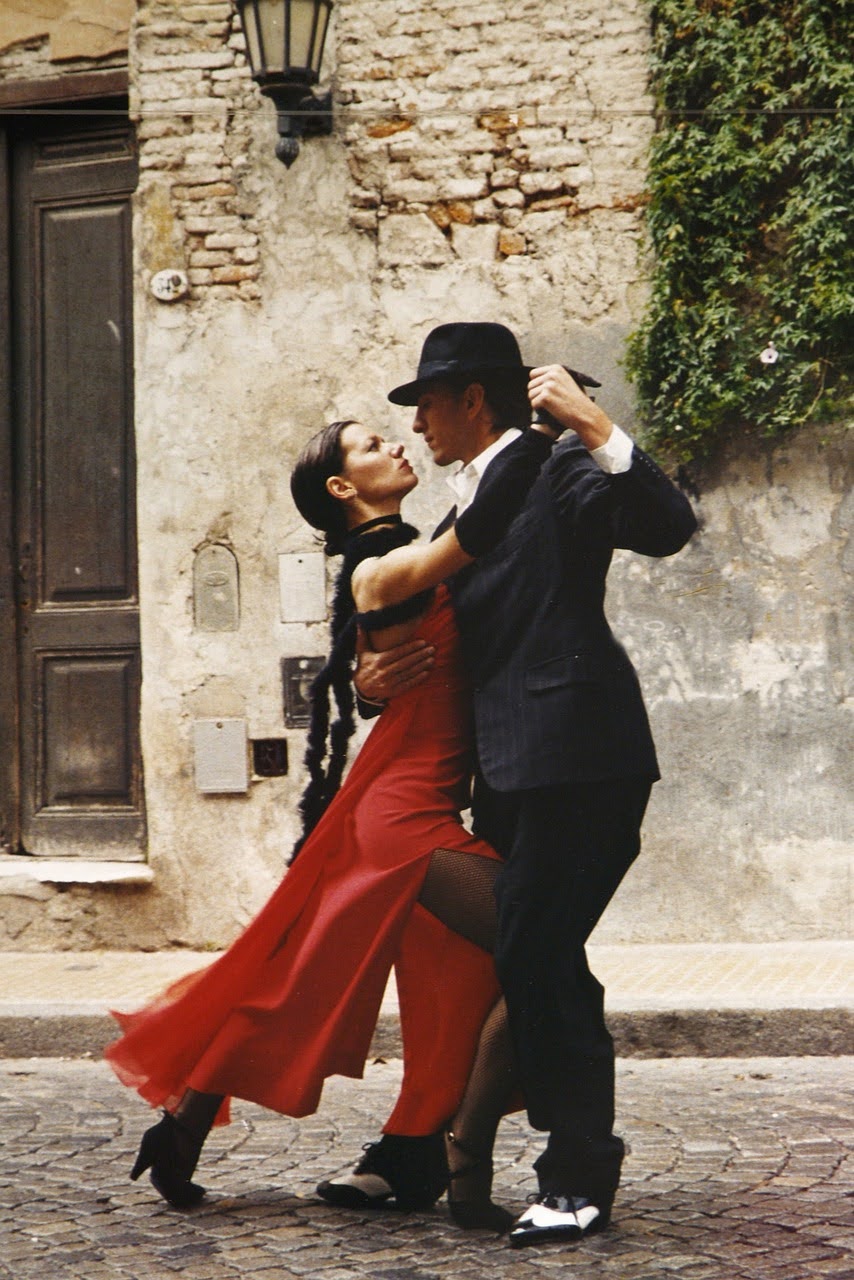
- Tango’s Rhythm: Immerse yourself in the passionate world of tango, Argentina’s iconic dance. Witness captivating performances, take lessons, or simply soak in the atmosphere in Buenos Aires’ lively milongas (tango halls).
- Gaucho Traditions: Experience the legacy of the gauchos, Argentina’s legendary horsemen, through visits to estancias (ranches) and traditional festivals. Learn about their unique way of life, horsemanship skills, and cultural heritage.
- Wine & Asado Delights: Argentina boasts world-renowned wines, mainly the Malbec grape. Explore the vineyards of Mendoza and Salta, indulge in wine tastings, and pair them with delicious local cuisine, often centered around the iconic asado (barbecue).
- Natural Wonders: Argentina’s diverse landscapes offer something for everyone. Hike the majestic peaks of Patagonia, marvel at the awe-inspiring Iguazú Falls, explore the glaciers of Tierra del Fuego, or witness the vastness of the pampas grasslands.
Cultural Gems
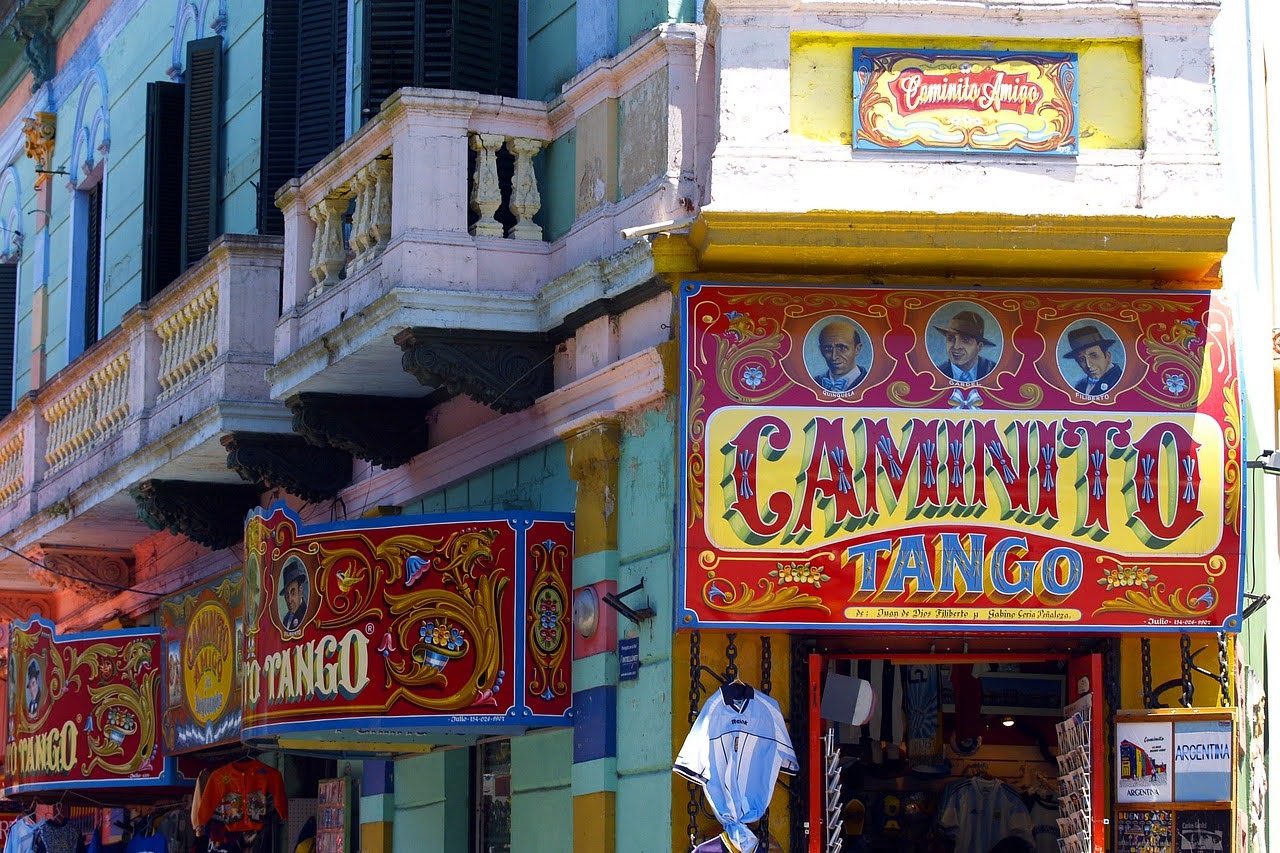
- Buenos Aires: Argentina’s vibrant capital pulsates with energy. Explore the colorful La Boca neighborhood, stroll down the grand Avenida 9 de Julio, visit the iconic Teatro Colon, and immerse yourself in the city’s rich artistic and cultural scene.
- Iguazú Falls: Witness the power and beauty of Iguazú Falls, one of the New Seven Natural Wonders of the World. Hike along the trails, experience the falls up close on a boat tour, and be captivated by the surrounding rainforest.
- Patagonia: Argentina’s southern region offers breathtaking natural beauty. Hike through the rugged mountains of Torres del Paine National Park, go glacier trekking, spot diverse wildlife, and witness the stunning scenery of El Calafate and Ushuaia.
- Salta: Located in the northwest, Salta is known for its colorful colonial architecture and rich indigenous heritage. Explore the vibrant markets, visit the Salta Cathedral, and embark on excursions to the Salinas Grandes (salt flats) and the Cafayate Valley wine region.
Enhancing Your Experience
- Learn Basic Spanish: While English is spoken in some tourist areas, knowing a few Spanish phrases can go a long way in enhancing communication and cultural understanding.
- Embrace the Siesta: Embrace the Argentine tradition of siesta, a midday break allowing businesses and shops to close for a few hours. Restaurants often adjust their hours accordingly, so factor this into your planning.
- Mate Ritual: Immerse yourself in the cultural experience of mate, a traditional caffeinated beverage shared in a gourd. Learn the etiquette and enjoy this social bonding ritual with locals.
- Respect Local Customs: Dress modestly when visiting religious sites or smaller towns, and be mindful of local customs and traditions to ensure a smooth and respectful experience.
Combining Medical Care & Cultural Exploration
By strategically planning your medical treatment, you can extend your stay and embark on a cultural adventure in Argentina. Many medical tourism facilitators can assist in creating personalized itineraries that combine treatment with sightseeing and cultural experiences, transforming your medical journey into a memorable and enriching experience.
Remember:
- Conduct thorough research to choose reputable medical facilities and trustworthy travel providers.
- Prioritize cultural sensitivity and respect local customs throughout your journey.
- Embrace the opportunity to learn and experience Argentina’s unique culture while receiving quality medical care.
Argentina offers a compelling combination of advanced medical treatment and an enriching cultural experience. By planning your medical trip strategically, you can ensure a successful healthcare journey while also embarking on an unforgettable adventure in the captivating heart of South America.